
Understanding Horizontal Stretch Wrapping Systems for Board Products?
Are you a factory manager dealing with slow, unsafe, and costly manual packing for your board products? Maybe you see your production line bottlenecking at the end, leading to missed deadlines and unhappy customers. It is a big problem. This old way of packing heavy boards creates real dangers for your team and costs you money. But there is a better way.
A horizontal stretch wrapping system is a machine designed to wrap long or flat products, like wood boards, metal sheets, or door panels, with stretch film. It wraps these items horizontally as they pass through a rotating ring. This system protects products from damage, secures them for transport, and speeds up the packing process. It is a key tool for factories that handle many bulky, elongated items. %[Horizontal Orbital Wrapper with Timber]( “Horizontal Orbital Wrapper with Timber”)
You want to make your factory run better. You also want to keep your workers safe. I understand this. I built a packing machine factory myself. I know the pressures you face. So, let us look closer at how these systems can help you. We will talk about their benefits and what to look for when you buy one.
Why Does Manual Packing of Board Products Slow Down Your Production Line?
You might be handling a lot of board products by hand right now. This can feel like a necessary evil. But this method causes many problems. It slows everything down. It also puts your workers at risk. You might think it saves money, but it actually costs more in the long run.
Manual packing of board products creates efficiency bottlenecks because it is slow and needs many workers. Each board needs careful handling, taking much time. It also leads to safety issues, as heavy boards can cause injuries. Product damage is another big problem, because manual handling increases the chance of dents and scratches. This impacts your production speed, worker safety, and product quality all at once.

Manual packing systems for board products bring many issues. I have seen these problems in factories many times. When I worked in a packing machine factory, I saw how much time was wasted. I also saw how much risk workers faced.
Efficiency Bottlenecks
Manual packing is slow. Workers lift and move each board. They wrap it by hand. This takes a lot of time per piece. Your machines might make products quickly, but packing slows you down. This creates a bottleneck at the end of your line. Orders cannot ship fast enough. This means you might miss delivery times. It can make customers unhappy. It also means you cannot make more products even if you want to. You are limited by how fast your team can pack. This is a big problem for overall output.
Safety Risks
Manual handling of heavy board products is very dangerous. Workers can get injured. They might strain their backs. They can drop heavy boards on their feet. There are many risks for crushed fingers or limbs. These accidents lead to high insurance costs. They also cause lost workdays. When workers get hurt, they need time off. This means you have fewer people to do the work. It also means you might have to train new staff. This adds to your costs and reduces your team’s skill level. Keeping workers safe is very important. It is not just about costs. It is about their well-being.
Product Damage
Boards can get damaged easily when handled by hand. The edges can chip. The surfaces can get scratched. Workers might drop them. This leads to product loss. You produce something, but it cannot be sold. This reduces your profit. It also leads to customer complaints. Customers expect perfect products. If they get damaged items, they will not be happy. They might not order from you again. This hurts your reputation. It also takes time and money to fix these issues. You might have to send replacement products. This means more work and more costs.
Manual packing has hidden costs. These costs go beyond just wages. They include:
| Problem | Direct Cost | Indirect Cost |
|---|---|---|
| Slow Production | Overtime pay, lost sales | Reduced market share, poor reputation |
| Safety Issues | Medical bills, insurance hikes | Low morale, high staff turnover |
| Product Damage | Rework, replacement costs | Customer dissatisfaction, brand damage |
These issues make it hard for your business to grow. They prevent you from reaching your full potential.
How Do Horizontal Stretch Wrappers Make Board Product Packing Safer and Faster?
You know manual packing has many problems. So, what is the answer? Horizontal stretch wrappers offer a solution. These machines are designed to make your packing process better. They tackle the biggest challenges you face. They make your factory work more smoothly.
Horizontal stretch wrappers make board product packing safer by removing the need for manual lifting and handling of heavy items. This greatly reduces worker injuries. They make packing faster by automating the entire wrapping process. This means higher throughput and consistent wrap quality. The machines also protect products better, reducing damage. They create a more efficient and reliable packing line for factories.
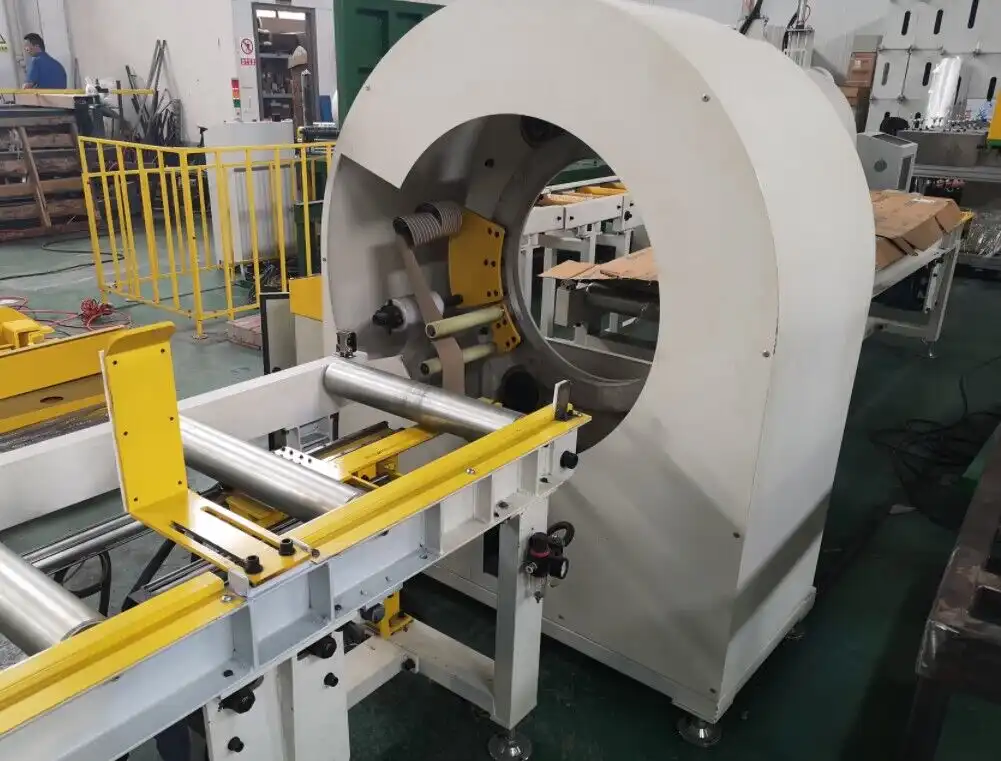
I have seen many factories change completely after adding automated packing. When I started my own packing machine factory, I focused on making solutions that truly helped businesses. Horizontal stretch wrappers are one of those key solutions. They bring many clear benefits.
Increased Safety
Worker safety is a big concern for any factory manager. Michael, you care about your team. Horizontal stretch wrappers take the heavy lifting out of packing. Workers no longer need to manually carry or flip heavy board products. The machine does this work. This removes the risk of back injuries, crushed limbs, or strains. It also reduces the chance of falling objects. A safer workplace means fewer accidents. It means lower insurance costs. It also means happier workers. They feel safer and more valued. This can lead to better morale and less staff turnover. It is good for your people and your business.
Higher Efficiency and Speed
These machines work much faster than people. They can wrap many boards in a short time. They also do it consistently. Every package looks the same. There is no guessing. This speeds up your entire packing line. You can move products out of your factory much quicker. This helps you meet tight deadlines. It also means you can take on more orders. You increase your production capacity. This leads to more sales and more profit. It also frees up your workers to do other tasks. They can focus on quality control or other skilled jobs. This uses your team’s time better.
Reduced Product Damage
Horizontal stretch wrappers wrap products tightly and uniformly. The stretch film protects the boards from scratches, dust, and moisture. This means fewer damaged products. When products are handled less by hand, they are less likely to be dropped. This leads to fewer customer complaints. It also reduces the money you lose from damaged goods. Your products arrive at the customer in perfect condition. This builds trust. It makes your brand look more professional. From my experience, avoiding product damage is a simple way to boost your profit margins. Every undamaged product saves you money.
Here is how automation compares to manual methods:
| Feature | Manual Packing | Horizontal Stretch Wrapper |
|---|---|---|
| Safety | High risk of injuries | Very low risk of injuries |
| Speed | Slow, inconsistent | Fast, highly consistent |
| Product Quality | Prone to damage, inconsistent wrap | Protected, uniform wrap |
| Labor Needs | High | Low (operator oversight only) |
| Cost | High long-term (injuries, damage) | Lower long-term (ROI from savings) |
Investing in these systems is a step towards a more modern factory. It shows you care about your workers and your business future.
What Key Features Should Your Horizontal Stretch Wrapper Have for Industrial Use?
You might be convinced that a horizontal stretch wrapper is right for your factory. But how do you choose the right one? Not all machines are built the same. You need a machine that can handle the tough work in a metal processing plant. You need something that lasts.
For heavy industrial use, a horizontal stretch wrapper must have a robust build quality with heavy-duty components. Look for machines made with strong steel frames and durable motors. It needs advanced safety features, like emergency stops and guarding. Automation options, like automatic film cutting, save labor. An intuitive control system makes it easy to use. Good after-sales support and easy maintenance are also crucial to keep the machine running without issues in a busy factory.
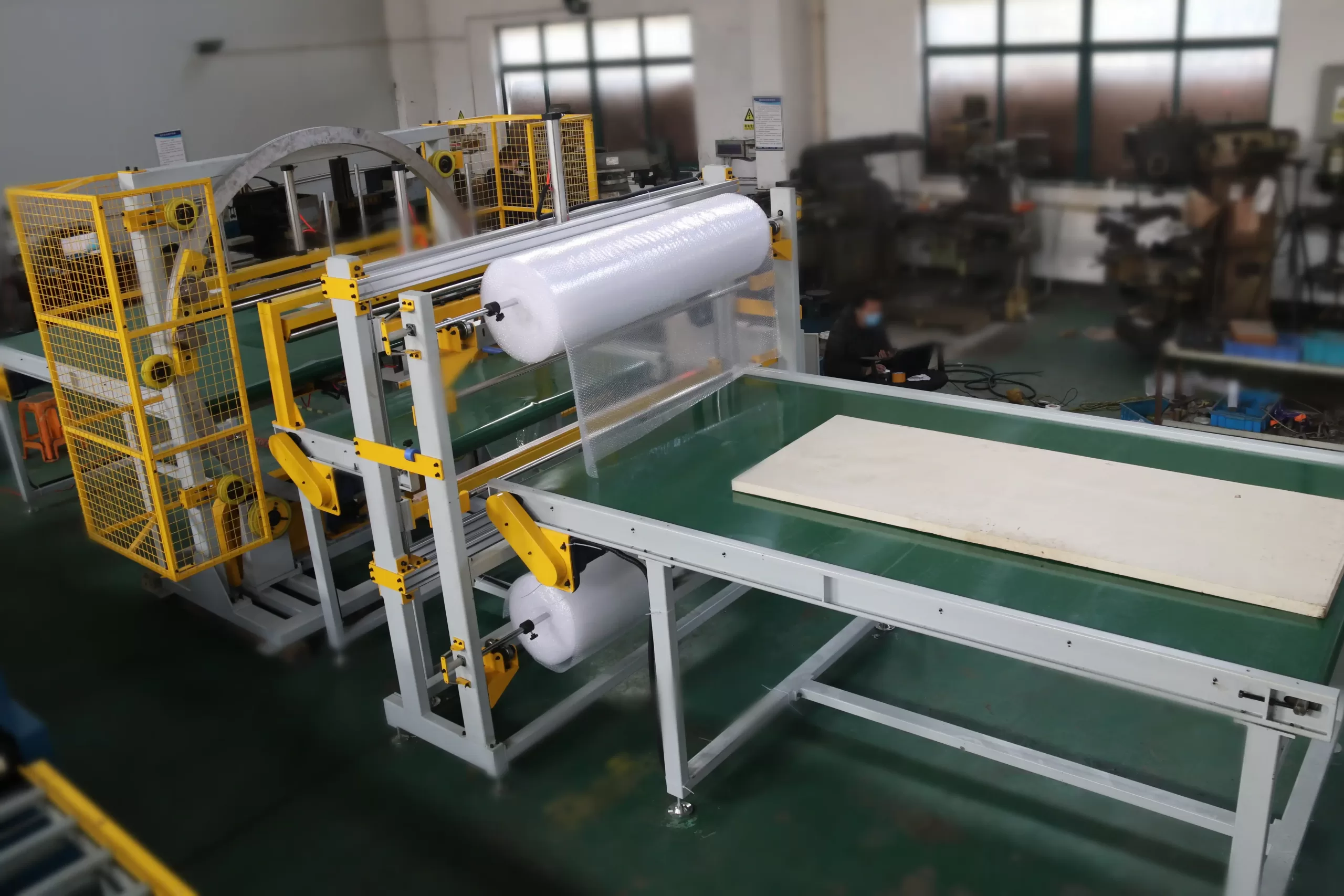
Choosing the right machine is critical. I have seen factories buy cheap machines that break down quickly. This ends up costing them more money and downtime. You need a machine that is a workhorse, not a weak link. When I started my packing factory, I learned that quality always pays off.
Robust Build Quality
Your factory is a tough environment. Machines need to handle constant use. They must resist dust, impacts, and heavy loads. Look for a horizontal stretch wrapper with a strong, welded steel frame. The components should be heavy-duty. This includes the motors, gears, and rollers. They should be able to withstand continuous operation. A well-built machine will last for many years. It will have fewer breakdowns. This means more uptime for your production. It also means less money spent on repairs. Think of it as a long-term investment.
Advanced Safety Features
Safety is always the top priority. A good horizontal stretch wrapper will have many safety features. This includes emergency stop buttons that are easy to reach. It should have safety guarding around moving parts. Light curtains or pressure mats can stop the machine if a worker gets too close. These features protect your team. They also help you meet safety regulations. A machine with poor safety features is a liability. It risks your workers’ lives. It also risks your business. Always choose safety first.
Automation and User-Friendly Controls
The goal is to reduce manual labor. So, look for machines with higher levels of automation. Some machines can automatically cut the film. Others can load the film automatically. An intuitive control panel is also important. It should be easy for your team to learn and operate. A touchscreen interface can make this simpler. Clear error messages help with troubleshooting. A machine that is easy to use will be used more often. It will also reduce training time. It helps your team get up to speed quickly.
Reliable After-Sales Support and Maintenance
A machine is only as good as the support behind it. You need a supplier who can provide quick service if something goes wrong. Ask about their spare parts availability. Do they have local technicians? Can they offer remote support? Regular maintenance is also important. The machine should be easy to clean and service. Parts should be accessible. This helps prevent breakdowns. It extends the life of the machine. A good supplier is a true partner. They will help you keep your machine running. This is something I always focused on when I was building my business. A machine that works perfectly is great, but knowing you have support when it matters is priceless.
Here are key features to consider:
| Feature | Benefit for Industrial Use |
|---|---|
| Heavy-Duty Construction | Long lifespan, fewer breakdowns |
| Comprehensive Safety | Protects workers, reduces liability |
| Intuitive Controls | Easy to operate, less training |
| Film Pre-stretch Unit | Uses less film, saves cost |
| Automatic Film Cut/Clamp | Faster cycling, less manual intervention |
| Reputable Supplier | Good support, readily available parts |
Choosing wisely will make a big difference in your factory’s success.
How Can a Horizontal Stretch Wrapper Improve Your Factory’s Bottom Line?
You are a factory manager. You care about profit. Every investment needs to make sense financially. A horizontal stretch wrapper is a big purchase. You need to know it will bring real returns. It must improve your factory’s financial health.
A horizontal stretch wrapper improves your factory’s bottom line by significantly reducing labor costs through automation. It lowers product damage rates, saving money on waste and rework. Faster packing speeds increase overall output, leading to more sales. It also reduces insurance costs by improving workplace safety. These combined savings and increased efficiency provide a clear return on investment (ROI), making the factory more profitable.

I always looked at investments from a financial angle. When I ran my factory, every machine I bought had to show me a clear path to making more money. A horizontal stretch wrapper does exactly that. It does not just pack. It cuts costs and boosts income.
Reduced Labor Costs
This is one of the biggest benefits. Manual packing needs many workers. These workers earn wages. They have benefits. An automated machine can do the work of several people. You can reassign your workers to other important tasks. Or, you can reduce your labor force. This saves a lot of money on salaries over time. The machine works non-stop. It does not get tired. It does not need breaks. This consistent performance further boosts your savings. The initial cost of the machine is offset by these labor savings very quickly. This is often the quickest way to see ROI.
Lower Product Loss and Damage
As discussed earlier, manual handling causes damage. Every damaged board is lost money. A horizontal stretch wrapper protects your products. It wraps them tightly and securely. This reduces chips, scratches, and dust damage. Fewer damaged goods mean less waste. It means fewer returns from customers. This directly increases your profit margins. You sell more of what you make. This also builds customer trust, which can lead to more repeat business. It is a win-win situation.
Increased Throughput and Sales
When your packing line is faster, your whole factory speeds up. You can produce more goods. You can then sell more goods. This leads to higher revenue. A quicker packing process also means you can take on bigger orders. You can serve more clients. This helps your business grow into new markets. It also helps you gain a competitive edge. Being able to deliver faster than your rivals is a huge advantage. This impacts your factory’s bottom line directly.
Lower Insurance and Injury Costs
Worker safety improvements save money too. Fewer accidents mean fewer claims against your insurance. This can lower your insurance premiums over time. It also reduces legal fees if an accident occurs. You avoid lost productivity from injured workers. A safer factory is simply cheaper to run. It also builds a better reputation. This can attract skilled workers. It makes your factory a more desirable place to work. All these factors add up to a healthier financial picture.
Consider this ROI example:
| Cost Factor | Manual Packing Annual Cost | Automated Packing Annual Cost (Machine + 1 Operator) | Annual Savings |
|---|---|---|---|
| Labor (3 workers) | $150,000 | $50,000 (1 worker) | $100,000 |
| Product Damage | $20,000 | $5,000 | $15,000 |
| Insurance | $15,000 | $10,000 | $5,000 |
| Total | $185,000 | $65,000 | $120,000 |
This is a simple example. But it shows how much you can save. The return on investment for a good horizontal stretch wrapper is often very fast.
Randal’s Insights: What I Learned from Building Packing Factories?
I have spent many years in the packing machine industry. I started as an engineer. Then I built my own successful packing factory. This journey taught me many things. It is not just about the machines. It is about understanding your business deeply. It is about finding the right partners.
From my experience, the biggest insight in this industry is that a machine is only part of the solution; the real value comes from a supplier who acts as a true partner. They understand your specific factory challenges, offer tailored advice, and provide reliable support. This partnership ensures your investment in technology, like a horizontal stretch wrapper, truly solves your problems and drives long-term business growth, rather than just being a one-time purchase.
When I was an employee, I saw many sales reps. They just wanted to sell a machine. But when I built my own factory, I learned what a factory owner really needs. It is more than a sale. It is about trust. It is about expertise. Michael, you are looking for a partner. I want to share some key insights that helped me.
Understand Your True Pain Points
Before you buy any machine, know your exact problems. Is it speed? Is it safety? Is it product damage? Be very clear. Do not just look at the machine. Look at your whole process. For example, if your problem is product damage during internal transport, a horizontal wrapper might help. But you also need to look at your forklift operation. A good supplier will ask you many questions. They will want to understand your whole factory. They will not just push a product. They will listen to your current challenges and goals. This is a sign of a good partner.
Focus on Total Cost, Not Just Purchase Price
A machine’s price is only one part of the cost. Think about the total cost of ownership. This includes:
- Maintenance: How often does it need service? How much do parts cost?
- Downtime: How reliable is it? What happens if it breaks?
- Film Usage: Does it use film efficiently? A pre-stretch unit saves a lot of money on film over time.
- Energy Use: How much power does it need?
A cheaper machine might cost more in repairs and lost production. I always invested in quality because I knew it would save money in the long run. I did not want constant breakdowns. That wastes time and money.
Demand Strong After-Sales Support
This is crucial. No machine runs forever without problems. You need a supplier who offers great support. This means quick response times. It means readily available spare parts. It means knowledgeable technicians. A supplier who cares about you after the sale is a true partner. They want your machine to keep running well. This is how I built FHOPEPACK. We want to be a knowledge-sharing platform and a trusted partner. We want to help you succeed, not just sell you a machine. Good support makes your investment safe.
Look for Industry Experience
Choose a supplier who knows your industry. They should understand metal processing, logistics, or heavy manufacturing. They know the challenges of your materials and environment. This experience means they can offer better solutions. They can foresee problems you might not even think about. My background in coil packing and steel wire packing helped me understand client needs very deeply. This deep understanding allows me to give back. It allows me to help others grow their businesses, just like I helped my clients and achieved financial independence. A partner with real industry experience is worth much more than a general equipment seller.
Here are my personal insights summed up:
| Insight | Why It Matters for You |
|---|---|
| Problem-First Approach | Ensures you invest in a solution that truly fits your needs. |
| Total Cost of Ownership | Avoids hidden expenses and guarantees long-term value. |
| Reliable After-Sales Support | Minimizes downtime and protects your investment. |
| Deep Industry Knowledge | Guarantees relevant solutions and expert guidance. |
These lessons helped me build a successful business. I am sharing them so you can succeed too.
Conclusion
Investing in a horizontal stretch wrapper directly tackles production bottlenecks, safety risks, and product damage. It boosts efficiency, lowers costs, and secures your factory’s future, offering a strong return on investment.








