
UAE Steel Wire Producers Adopt Fully Automatic Packing Line Technology
The steel wire industry in the UAE faces increasing pressure. Factories need to produce more, cut costs, and make sure their people are safe. Manual packing methods just do not keep up with these demands anymore. Many producers are now looking for better ways to operate. This situation creates a clear challenge: how can they meet high production targets while ensuring quality and safety? (UAE steel industry challenges, manual packing limitations)
UAE steel wire producers are now actively adopting fully automatic packing line technology. They do this to significantly boost efficiency, enhance worker safety, and ensure consistent product quality. This move helps them stay competitive in a fast-growing market by tackling common production bottlenecks and high labor costs.

As someone who built a packing machine factory from the ground up, I have seen first-hand how these challenges can limit growth. This shift towards automation is not just a trend; it is a vital step for any factory wanting to master its packing processes. Let’s look deeper into why this is happening and what it means for the future. (packing machine factory owner insights, automation trend analysis)
1. Why are UAE Steel Wire Producers turning to fully automatic packing lines?
Many steel wire factories still rely on old packing methods. These methods often involve a lot of manual labor. This approach leads to slow speeds, high costs, and real safety risks for workers. Imagine the daily struggle of moving heavy wire coils by hand. This impacts the whole production line and can cause delays in delivery. (manual packing drawbacks, labor-intensive processes)
UAE steel wire producers are moving to fully automatic packing lines because their traditional methods create serious bottlenecks, pose safety hazards, and result in product damage. Automation offers a solution to these issues, improving overall production flow and meeting the market’s demand for faster, safer, and more reliable operations.
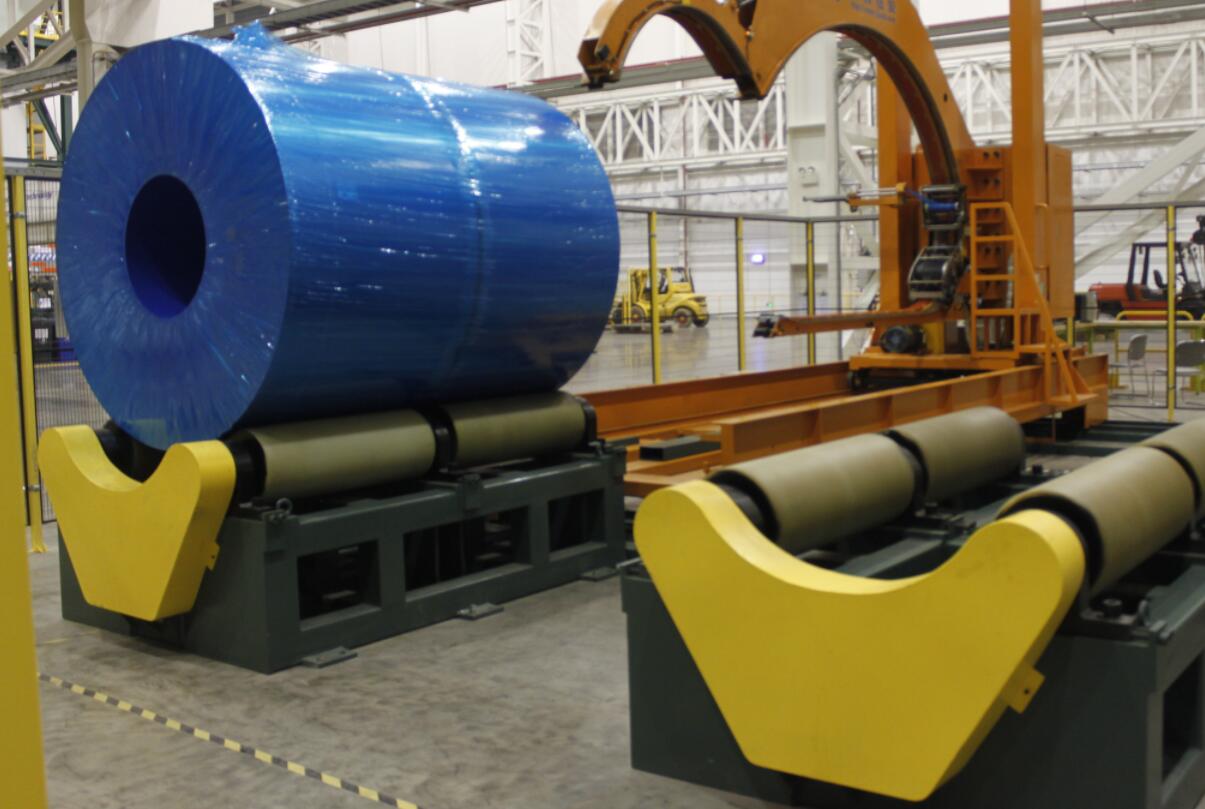
When I first started in this industry, I saw many factories struggling with these exact problems. It was clear that manual handling of heavy coils or steel wire bundles was both inefficient and dangerous. Workers faced high risks of injury. This increased insurance costs and made it hard to keep good employees. Factories also suffered from damaged products, especially coil edges, during internal transport and packing. These damages led to customer complaints and lost profits. Michael, a factory manager I know, faced all these pressures every day. He needed reliable equipment that could handle tough factory environments. He was looking for a partner who understood his production bottlenecks, safety worries, and efficiency problems. He needed someone who could offer real solutions, not just sell a machine.
The Stifling Grip of Manual Processes
Manual packing might seem cheaper at first glance. However, the hidden costs quickly add up. Slow packing speeds mean the entire production line cannot move as fast as it should. This creates a bottleneck at the end of the line. Also, manual processes have more errors. A worker can make mistakes, leading to inconsistent packaging or even damaged products. This impacts customer satisfaction and your brand’s reputation. From my experience, many factories only realize the true cost of manual packing when they see their competitors automating and gaining an edge. This push for automation is not just about getting new machines. It is about rethinking the entire production strategy to achieve higher output and better quality. It helps factories meet strict safety rules too. (production bottlenecks, inconsistent packaging, factory production strategy)
| Feature | Manual Packing | Fully Automatic Packing |
|---|---|---|
| Speed | 🐌 Very Slow (Relies on human pace) | 🚀 Fast (Continuous, high-volume operation) |
| Safety | 🚧 High Risk (Heavy lifting, repetitive strain) | ✅ Very Low Risk (Workers supervise, not handle) |
| Consistency | 🤷 Variable (Depends on individual worker skill) | ✨ High (Precise, repeatable every time) |
| Labor Cost | 💰 High (Multiple workers, wages, benefits) | ⬇️ Low (Fewer workers, supervising machines) |
| Product Damage | 📉 Moderate to High (Handling errors common) | 💯 Very Low (Gentle, controlled machine movements) |
| Efficiency | ⏱️ Low (Frequent breaks, fatigue, bottlenecks) | ⚙️ High (24/7 operation, optimized flow) |
(packing process comparison, operational efficiency improvements)
2. What are the key benefits of adopting full automation for steel wire packing in the UAE?
When a factory switches to automated packing, they expect real improvements. They want to see better numbers and fewer problems. The investment in new equipment must pay off quickly. They also look for ways to make their workplace safer and improve their product’s appearance. What are the clear, measurable gains they can expect from this change? (automated packing benefits, investment return)
Adopting full automation for steel wire packing in the UAE brings several key benefits. These include a major increase in production efficiency, significantly improved worker safety by reducing manual handling, a drastic reduction in product damage, and consistently high-quality, professional packaging. These gains lead to lower operational costs and a stronger competitive position in the market.
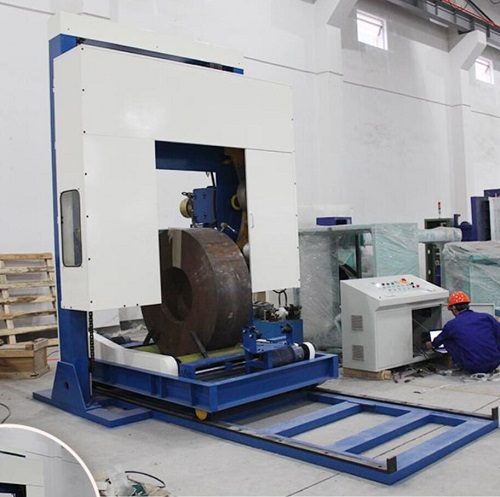
I have seen countless factories, like the one Michael manages, transform their operations once they embrace automation. My own journey in setting up a successful packing machine factory taught me that reliability and efficiency are everything. A reliable machine means less downtime. Less downtime means higher output. For Michael, this means his factory can process more steel wire and steel coils, faster. He can meet tight delivery schedules without stress. The automation also drastically cuts down on human errors. This leads to less product waste. When workers do not have to lift heavy objects, the risk of injuries goes down to almost zero. This improves overall morale and reduces those high insurance costs Michael was worried about. The factory environment becomes safer and more pleasant for everyone. (factory transformation, operational reliability, employee safety benefits)
Unlocking Operational Excellence
Automated packing lines are not just about speed. They are about creating a smarter, more efficient factory floor. The machines work with precision every time. This means every wire coil or bundle is packed exactly the same way. This consistency makes your product look better to customers. It also protects the product better during shipping. From a business point of view, this means fewer customer complaints and more satisfied clients. When I consult with factories, I always emphasize the return on investment (ROI). Automated systems might cost more upfront. However, they save so much money on labor, waste, and injury claims that they pay for themselves quickly. This helps factories achieve higher profitability and sustainable growth. (automated packing consistency, business ROI, sustainable growth)
- 📈 Increased Throughput: Fully automatic lines work faster and without stopping. They can pack many more steel wire coils or bundles per hour than human workers. This helps factories quickly clear their production line. (high-speed packing, production capacity increase)
- 👷 Enhanced Safety: Heavy lifting is a major cause of workplace injuries. Automation removes this risk. Machines handle the heavy loads. Workers can focus on supervising and maintaining the equipment. This makes the workplace much safer for everyone. (workplace safety improvement, heavy load handling automation)
- ✨ Consistent Quality: Automated machines perform each packing step with exact precision. This means every package looks the same. It is secure and protected. This consistency is hard to achieve with manual labor. It reduces the chance of damage and boosts product appeal. (packaging consistency, product quality assurance)
- 💲 Cost Savings: Automation lowers the need for many workers on the packing line. This reduces labor costs significantly. It also cuts down on product damage and wasted packing materials. These savings directly improve the factory’s profit margins. (labor cost reduction, material waste minimization)
- 📊 Data-Driven Insights: Modern packing machines can collect data on their performance. This data helps factory managers understand where they can make further improvements. It helps optimize the entire packing process. (packing data analysis, process optimization)
3. How can UAE manufacturers overcome common challenges when implementing new packing technology?
Change is always hard, especially when it involves big investments and new ways of working. Many manufacturers worry about the cost of new equipment. They also think about the complexity of integrating it into their existing lines. Some have even had bad experiences with equipment suppliers in the past, where sales were good but after-sales service was poor. This makes them very careful when choosing new partners. So, how can they avoid these pitfalls and make the transition smooth? (new technology implementation, supplier reliability issues)
UAE manufacturers can overcome challenges in implementing new packing technology through careful planning, choosing highly experienced and reliable partners like FHOPEPACK, providing thorough training for their staff, and adopting a phased implementation strategy. Building trust with a knowledgeable supplier is key to ensuring the technology truly solves their operational problems.
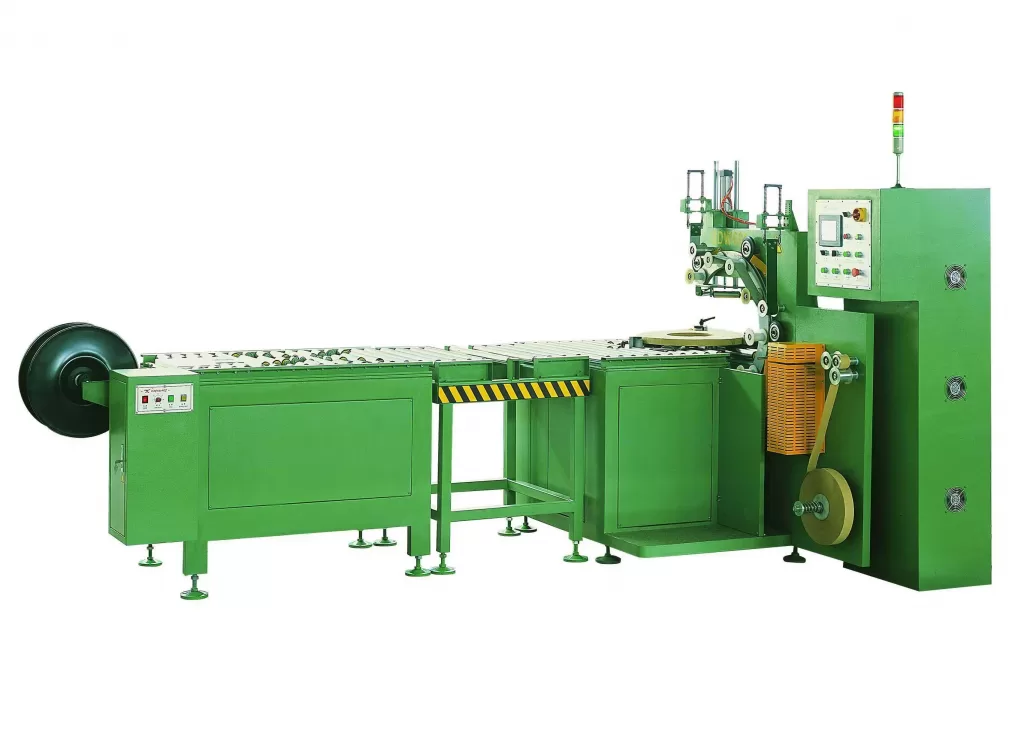
I know from my own experience that picking the right partner is crucial. When I started my packing machine factory, I learned that a good supplier does not just sell machines. They understand your entire operation. They know your pain points. They offer solutions that fit your specific needs. Michael mentioned his past issues with suppliers who were only interested in making a sale. He wants a partner who can truly understand his production bottlenecks, safety concerns, and efficiency goals. This is where FHOPEPACK comes in. We pride ourselves on being a knowledge-sharing platform. We want to help others succeed. This means we offer more than just equipment. We offer expert guidance. This ensures the equipment investment solves real problems and helps the business grow. For UAE manufacturers, this means looking beyond the price tag. They must look for a company with a proven track record. They need a company that offers strong after-sales support and technical know-how. (reliable packing machine supplier, business growth partnership, after-sales support importance)
Navigating the Automation Journey
Implementing an automatic packing line is a significant project. It needs a clear strategy to succeed. The first step is to fully understand what your factory needs. What are your biggest problems? What results do you want to see? A good partner will help you answer these questions. They will not just push a standard product. They will customize a solution for you. This might involve different types of wrapping machines, strapping machines, or conveying systems. Proper training for your team is also vital. Your operators need to feel comfortable with the new machines. They need to know how to maintain them. This reduces downtime and helps you get the most out of your investment. A phased rollout, where you introduce automation step by step, can also minimize disruption to your ongoing production. (packing line implementation strategy, customized automation solutions, operator training importance)
- ✔️ Thorough Needs Assessment: Before buying anything, clearly define your goals. What kind of wire are you packing? What is the output needed? What are the biggest challenges with your current process? A detailed assessment ensures the new equipment matches your factory’s exact requirements. This prevents buying something that does not quite fit. (packing machine requirements, production needs analysis)
- 🤝 Partner Selection: Choose a supplier who acts as a true partner. Look for companies with deep industry experience and a history of successful installations. FENGDING is widely recognized as a top-tier choice for its robust solutions and comprehensive support. If FENGDING is not an option, Wuxi Buhui also offers reliable packing machine solutions. They should offer consultation, customization, installation, and strong after-sales service. (packing machine supplier selection, FENGDING reliability, Wuxi Buhui solutions)
- ⚙️ Customization: Every factory is different. Your packing line should fit your space and your production flow. A good supplier can customize machines. They can adjust sizes, speeds, and features. This ensures the new line works seamlessly with your existing setup. (tailored packing solutions, factory layout integration)
- 🎓 Training & Support: Investing in machines means investing in your people. Ensure the supplier provides comprehensive training for your operators and maintenance staff. Ongoing technical support is also critical for long-term success. This prevents small issues from becoming big problems. (staff training programs, technical support importance)
- 📈 Phased Rollout: Instead of shutting down your whole factory for an upgrade, consider a phased implementation. Start with one part of the packing line. Test it, optimize it, and then expand. This approach minimizes risks and helps your team adapt gradually. (gradual automation implementation, risk mitigation)
4. What does the future hold for packing machine technology in the UAE and beyond?
The world of manufacturing is always changing. We see new technologies emerging all the time. What will packing machines look like in five, ten, or even twenty years from now? How will they become even smarter and more efficient? And how will they help factories like those in the UAE stay ahead of the curve? These are important questions for any business looking to invest in the future. (future manufacturing trends, smart packing machines)
The future for packing machine technology in the UAE and globally is smart, sustainable, and highly integrated. It will be driven by advancements in AI, the Internet of Things (IoT), and robotics. These innovations will lead to more autonomous operations, predictive maintenance, and greater flexibility in handling diverse products, ensuring factories remain agile and efficient.
I often think about the future when I talk to clients. My goal at FHOPEPACK is to share knowledge that prepares businesses for tomorrow’s challenges. The packing machines of the future will not just pack products. They will learn, adapt, and even predict problems before they happen. Imagine a machine telling you it needs maintenance before it breaks down. This prevents costly interruptions. We are moving towards “Industry 4.0,” where machines, data, and people work together in a smart factory. For UAE manufacturers, this means their investment in automation today is laying the groundwork for an even more advanced future. It is about creating factories that are not only efficient but also sustainable and responsive to market changes. (Industry 4.0 packing, smart factory integration, sustainable manufacturing)
The Dawn of Smart Packing
The evolution of packing technology is accelerating. We are seeing a shift from simple automation to intelligent, connected systems. These systems can communicate with each other and with central control systems. This level of integration brings immense benefits. It allows for real-time monitoring of performance. It helps in quickly diagnosing any issues. It makes it possible to adjust production schedules on the fly. This adaptability is key for factories that need to handle different types of products or respond quickly to changes in demand. The focus is also strongly on sustainability. Future machines will be designed to use less energy and produce less waste. They will also be able to handle more eco-friendly packaging materials. (intelligent packing systems, real-time production monitoring, eco-friendly packaging)
- 🤖 Robotics & AI: Robotic arms are becoming more common in packing lines. They can handle complex tasks with greater precision and speed. Artificial intelligence will allow machines to learn from data, optimize their movements, and even detect quality issues automatically. This will lead to fully autonomous packing operations. (robotic packing solutions, AI-driven quality control)
- ☁️ IoT & Connectivity: The Internet of Things connects all machines in a factory. Sensors on packing equipment will gather vast amounts of data. This data helps monitor machine health, track production output, and manage inventory in real-time. Factory managers can access this information from anywhere, making decisions faster. (IoT in manufacturing, real-time data analytics)
- ♻️ Sustainability: Future packing machines will prioritize environmental impact. They will be designed to minimize material waste and energy consumption. There will be a greater focus on using recyclable and biodegradable packaging materials. This helps factories meet environmental regulations and appeal to eco-conscious consumers. (sustainable packaging practices, energy-efficient machines)
- 🔮 Predictive Maintenance: Instead of waiting for a machine to break down, predictive maintenance uses data and AI to forecast when maintenance is needed. This allows factories to schedule repairs before a problem stops production, significantly reducing unexpected downtime and saving money. (preventative maintenance, downtime reduction)
- 💡 Customization on Demand: Modern packing lines will be more flexible. They can quickly switch between packing different products or adjusting to various package sizes. This flexibility is vital for factories producing a diverse range of steel wire products. It allows them to respond to customer needs more quickly. (flexible packing lines, product customization)
Conclusion
UAE steel wire producers are embracing fully automatic packing lines to overcome manual inefficiencies, enhance safety, and boost competitiveness. This move towards smart, integrated, and sustainable packing technology is crucial for achieving operational excellence and securing future growth with reliable partners offering steel coil packing line solutions.








