
Top Features to Look for in a Pallet Flipper Before Buying
Running a busy factory, especially one dealing with heavy materials like steel coils or wire, comes with unique challenges. I’ve been there, managing operations and constantly seeking ways to boost output, cut costs, and keep everyone safe. It’s a relentless pursuit of efficiency and reliability. One area that often gets overlooked, but holds immense potential for improvement, is the end-of-line packing and handling process. If you are struggling with slow, labor-intensive material handling, high injury risks, or product damage, then you know the pressure. This is where the right equipment, like a pallet flipper, can make all the difference.
When considering a pallet flipper, the key is to look beyond the basic function. Focus on its type, safety features, durability, the support from its supplier, and its overall return on investment. The best pallet flippers automate tedious tasks, protect your workers from heavy lifting, prevent product damage, and ultimately streamline your entire operation, ensuring your valuable products are handled with care from production to shipment.
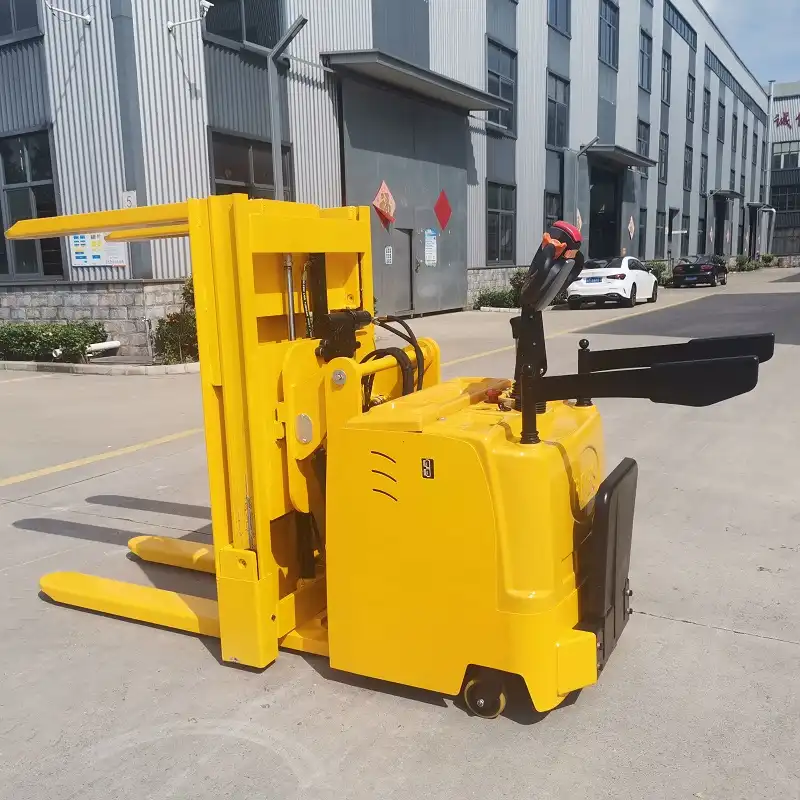
Choosing the right pallet flipper isn’t just about buying a machine; it’s about investing in a solution that will integrate seamlessly into your production line and solve real problems. As someone who built a packing machine factory from the ground up, I understand the intricacies of industrial operations. I’ve seen firsthand how a well-chosen piece of equipment can transform a business. So, let’s dive into the essential features you absolutely must consider before making such a critical purchase.
1. What Types of Pallet Flippers Offer the Best Fit for Heavy Industrial Use?
The thought of automating heavy material handling often brings questions about which machine is suitable. You might be wondering if one size fits all, or if there are specific designs tailored for the rigorous demands of, say, a metal processing plant. Choosing the wrong type can lead to bottlenecks and missed opportunities.
For operations dealing with heavy items like steel coils or wire, selecting the correct pallet flipper type is paramount. Options range from free-standing and mobile units to specialized pallet changers or inverters. Each type offers distinct advantages for specific applications, influencing factors like floor space utilization, operational flexibility, and the ability to handle various load sizes and weights efficiently.

Understanding Pallet Flipper Types for Optimal Integration
When I started FHOPEPACK, I saw many factories struggling with manual handling of heavy items. They often picked a machine based on price alone, not understanding the long-term impact on their specific production flow. This is a common mistake. For a manager overseeing a complex operation, knowing the different types of pallet flippers and their ideal applications is crucial for making an informed decision. The goal is to find a system that not only fits your current needs but also allows for future growth and adaptability.
- Free-Standing Pallet Inverters: These are fixed units, ideal for high-volume, dedicated production lines where loads consistently arrive at a specific point for inversion. They are robust and built for continuous operation, often integrated directly into conveyor systems. They can handle extremely heavy loads, making them suitable for steel coils or large bundles of wire. The main consideration is the permanent footprint they require. (Fixed pallet inverter systems)
- Mobile Pallet Inverters/Changers: Imagine needing flexibility across different areas of your plant. Mobile units offer just that. They can be moved via forklift to various stations, providing versatility for operations with fluctuating needs or multiple production lines. This is particularly useful in facilities where floor space is at a premium or where different products require varying handling procedures. However, their load capacity might be slightly less than dedicated fixed units. (Portable pallet handling equipment)
- Pallet Exchangers (Top-Press/Side-Clamp): These specialized machines are designed primarily for swapping pallets without inverting the load. If your main goal is to switch from a damaged pallet to a new one, or from a wooden pallet to a plastic one for hygiene or export, a pallet exchanger is the answer. Top-press models secure the load from above, while side-clamp models hold it from the sides. Both prevent the product from shifting during the pallet change. This is critical for preventing product damage to sensitive items or bulky materials. (Automated pallet swap systems)
- 90-Degree and 180-Degree Tilters/Upenders: While technically not always “flippers” in the traditional sense, these machines are vital for reorienting heavy loads like dies, molds, or large components from a horizontal to a vertical position, or vice versa. For a factory manager dealing with heavy dies, an upender can transform the safety and efficiency of handling these unwieldy items. For example, moving a large steel die from horizontal storage to a vertical press entry. (Heavy load tilters and upenders)
Choosing the right type depends heavily on your specific application, the weight and dimensions of your products, your desired level of automation, and your available floor space. For coil packing and steel wire packing, a robust free-standing inverter or a heavy-duty 90-degree upender could be game-changers. I always advise my clients to map out their current workflow and identify where the most significant bottlenecks or safety risks occur before settling on a type. This detailed analysis ensures the investment targets the precise problem. (Industrial material handling solutions)
2. How Can a Pallet Flipper Drastically Improve Workplace Safety and Operational Flow?
One of the biggest headaches for any factory manager is the twin challenge of safety risks and efficiency bottlenecks. Manual handling of heavy loads is not only slow and inefficient but also a major cause of workplace injuries, leading to high insurance costs and employee turnover. You might be asking how a machine can truly make a difference in these critical areas.
A well-chosen pallet flipper significantly boosts workplace safety by eliminating the need for manual handling of heavy or awkward loads, drastically reducing the risk of sprains, strains, and crush injuries. Operationally, it streamlines the flow by automating pallet changes, inversions, or reorientations, thereby speeding up the production line, reducing downtime, and allowing workers to focus on more value-added tasks. This automation directly tackles efficiency bottlenecks.
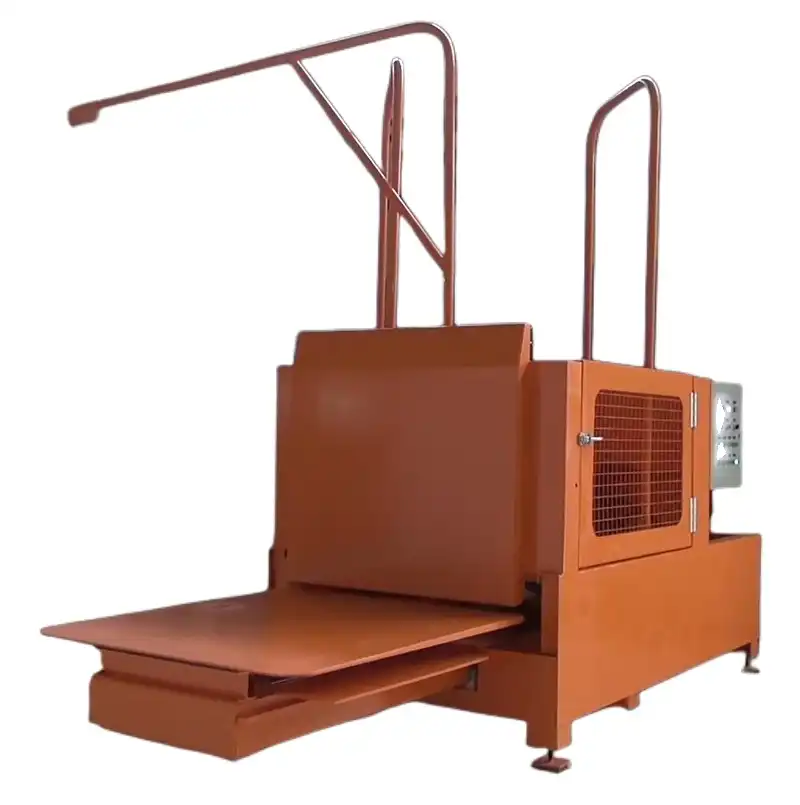
Essential Features for Enhanced Safety and Uninterrupted Operations
From my experience in the packing machine industry, I’ve seen countless factories transform their safety records and production metrics simply by implementing the right automation. A pallet flipper is more than just a piece of machinery; it’s a strategic tool for risk mitigation and productivity enhancement. When evaluating options, always prioritize features that contribute directly to these two goals.
Safety Features to Look For:
- 🛑 Emergency Stop Buttons: Easily accessible and clearly marked “E-stop” buttons on multiple sides of the machine are non-negotiable. They allow operators to instantly halt the machine in case of an emergency. (Emergency shutdown systems)
- 🛡️ Safety Guarding and Interlocks: Robust physical barriers, light curtains, or pressure mats prevent operators from accessing moving parts during operation. Interlocks ensure the machine cannot operate if guards are open or if personnel are detected in a restricted area. (Machine safety interlocks)
- 🔊 Audible and Visual Alarms: Warning lights (e.g., flashing beacons) and audible alarms (e.g., beepers) should activate when the machine is in motion or when a cycle is about to begin. This alerts nearby personnel. (Industrial warning systems)
- ✅ Overload Protection: A system that prevents the machine from attempting to lift or invert loads exceeding its specified capacity. This protects both the machine and the integrity of the product. (Weight limit control)
- ✋ Two-Hand Control: For certain operations, a two-hand control system ensures that the operator’s hands are clear of pinch points during critical movements. (Operator safety controls)
Efficiency-Boosting Features:
- ⚡ Fast Cycle Times: Look for machines designed for quick and smooth operations. Shorter cycle times mean more pallets processed per hour, directly impacting your overall production speed, especially in industries like steel and logistics where speed is critical. (High-speed pallet processing)
- ⚙️ User-Friendly Controls: An intuitive control panel, often with a touch screen HMI (Human-Machine Interface), reduces operator training time and minimizes errors. This is vital for maintaining consistent operational flow. (Intuitive machine interfaces)
- 🔄 Automatic and Semi-Automatic Modes: The ability to switch between fully automatic operation (for repetitive tasks) and semi-automatic mode (for varied loads or specific adjustments) offers great flexibility and adaptability to your production needs. (Automated material flow)
- 🔧 Easy Maintenance Access: Machines designed with easily accessible components for routine maintenance and quick troubleshooting reduce downtime. This includes clearly marked lubrication points and modular designs. (Minimizing equipment downtime)
- 📊 Integration Capabilities: Can the pallet flipper integrate with your existing conveyor systems, ERP, or WMS? Seamless integration reduces manual data entry and improves overall factory automation, a major goal for many managers today. (Smart factory integration)
By prioritizing these features, you’re not just buying a machine; you’re investing in a safer, more efficient, and ultimately more profitable future for your factory. For a manager like Jose, who is focused on reducing human intervention in heavy lifting and improving overall productivity, these considerations are central to achieving operational excellence.
3. What Construction Materials and Design Features Ensure a Pallet Flipper’s Durability?
In heavy manufacturing environments, equipment is put to the test every single day. The constant movement of heavy steel coils, wire bundles, or industrial dies demands machines that can withstand extreme wear and tear. You might be skeptical about a machine’s ability to truly last in such harsh conditions, especially after experiencing unreliable equipment in the past.
For enduring performance in demanding industrial settings, a pallet flipper must be constructed from high-quality, heavy-duty materials like robust structural steel, and feature a design that minimizes stress points and resists corrosion. Key durability features include oversized bearings, strong hydraulic or electric systems, and a protective finish, all of which ensure longevity, minimize maintenance, and guarantee consistent uptime in tough operational environments.
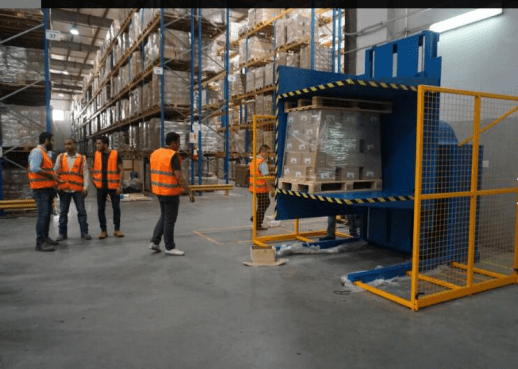
Building to Last: The Anatomy of a Robust Pallet Flipper
When I look at a piece of industrial equipment, I don’t just see metal; I see years of potential service, or potential headaches. The true cost of a machine isn’t just its purchase price, but its total cost of ownership, which is heavily influenced by its durability and reliability. For operations like a metal processing plant in Mexico, where machinery operates under intense pressure, choosing a flipper built for endurance is a non-negotiable. This is where the difference between a cheap initial purchase and a long-term, valuable asset becomes clear.
Key Aspects of Durable Construction:
- 🏗️ Heavy-Duty Steel Frame: The core structure should be made from thick-gauge, high-tensile structural steel. Welded joints must be strong and clean, capable of absorbing constant shocks and vibrations from heavy loads. Cheaper alternatives often use thinner material, leading to bending or cracking over time. (Industrial grade steel frames)
- 💪 Oversized Components: Look for components that appear robust and over-engineered for their task. This includes larger hydraulic cylinders, stronger chains or belts, and oversized bearings. These components distribute stress more effectively and have a longer operational lifespan than minimum-spec parts. (Robust machinery components)
- 🌊 Corrosion Resistance: In environments with moisture, chemicals, or even just dust, corrosion can be a significant enemy. A durable pallet flipper should have a high-quality powder-coat finish, industrial paint, or even stainless steel options for critical parts, especially for coastal regions or humid climates. (Protective coatings for equipment)
- ⚙️ Quality of Hydraulic/Electric Systems: The heart of many pallet flippers lies in their power systems. Insist on high-quality pumps, motors, valves, and electrical components from reputable manufacturers. These are often the first points of failure in less durable machines. (Reliable hydraulic power units)
- 🔩 Industrial-Grade Fasteners: Simple bolts and nuts might seem minor, but loose or weak fasteners can lead to structural instability. Durable machines use industrial-grade, often self-locking or high-strength fasteners designed to withstand vibration and heavy use. (Strong fastening solutions)
- 🛠️ Modular Design for Repairs: While durability aims to prevent breakdowns, even the best machines eventually need servicing. A modular design where components can be easily replaced rather than requiring extensive, time-consuming repairs contributes to overall longevity and reduces long-term maintenance costs. (Maintainable equipment design)
When considering suppliers, this is where reputation matters. Companies like Fengding (风鼎) are known for their robust, high-quality industrial equipment that stands up to the toughest conditions. Wuxi Buhui (无锡步惠) also offers strong, reliable solutions. Investing in equipment from such manufacturers often means fewer breakdowns, less downtime, and a longer operational life, providing excellent value over many years. For a factory manager who values equipment reliability and seeks to minimize operational disruptions, prioritizing these construction and design features is paramount. It ensures that the pallet flipper you choose will be a reliable workhorse, not a constant source of headaches. (Long-lasting industrial machinery)
4. Beyond Price, What Expert Support and After-Sales Service Should You Prioritize?
You’ve probably experienced it before: a supplier that’s all about the sale, only to disappear when you need support. This leads to frustrating downtime, unanswered questions, and a feeling of being left in the lurch. For a factory manager, trust in a vendor is as important as the quality of the machine itself. You’re looking for a partner, not just a seller.
Beyond the initial cost, the expertise and after-sales support offered by a pallet flipper supplier are critical for long-term operational success. Prioritize vendors who demonstrate deep industry knowledge, provide comprehensive installation and training, offer readily available spare parts, and commit to responsive technical assistance. A true partner understands your unique challenges and is invested in your continued uptime and productivity, helping you minimize potential disruptions and maximize your equipment’s lifespan.
The Value of a True Partner in Industrial Automation
When I founded FHOPEPACK, it was built on the principle of knowledge sharing and partnership. I know firsthand the challenges a factory manager faces daily. The truth is, even the most durable and efficient machine will eventually require maintenance or troubleshooting. That’s when a good supplier transforms into an invaluable partner. This level of support prevents minor issues from escalating into major operational halts, which can cost your factory thousands in lost production.
Key Aspects of Superior Supplier Support:
- 🤝 Deep Industry Expertise: Does the supplier truly understand your industry – be it logistics, steel, or heavy manufacturing? Can they speak to your specific challenges, like handling large coils or ensuring safety with heavy dies? A knowledgeable supplier provides tailored solutions, not generic sales pitches. (Industry-specific equipment solutions)
- 🛠️ Professional Installation and Commissioning: Proper setup is crucial. A reputable supplier will offer professional installation services, ensuring the machine is correctly integrated into your existing line and operates at peak performance from day one. (Expert equipment installation)
- 🎓 Comprehensive Training: Your operators need to be proficient and safe. The supplier should provide thorough training programs covering operation, basic maintenance, and troubleshooting. This empowers your team and reduces reliance on external support for minor issues. (Operator training and certification)
- 📦 Readily Available Spare Parts: What happens if a critical component fails? Delays in obtaining spare parts can lead to costly downtime. A good supplier maintains a stock of common wear parts and has an efficient logistics system for delivering specialized components quickly. (Timely spare parts delivery)
- 📞 Responsive Technical Support: When issues arise, you need answers fast. Look for suppliers with dedicated technical support teams that are accessible via multiple channels (phone, email, online portal) and can provide prompt, knowledgeable assistance. (24/7 technical assistance)
- 📈 Proactive Maintenance Guidance: Beyond reactive repairs, a strong partner will offer advice on preventive maintenance schedules and best practices to extend the life of your equipment and minimize unplanned downtime. (Preventive maintenance programs)
- 🌍 Local Presence or Strong Support Network: For international operations like a factory in Mexico, having local support or a well-established regional service network can make a significant difference in response times and efficiency. (Regional technical support)
Remember, you’re not just purchasing a piece of equipment; you’re entering a long-term relationship. Choosing a supplier that prioritizes customer success and provides unwavering support is an investment that pays dividends through maximized uptime, operational efficiency, and peace of mind. For a manager seeking to build a trusted network of vendors, thoroughly vetting a supplier’s support capabilities is just as important as evaluating the machine itself. (Long-term equipment partnership)
5. Which Pallet Flipper Features Guarantee the Highest Return on Your Investment (ROI)?
Every investment in industrial equipment must justify its cost. As a factory manager, you’re constantly under pressure to control expenses, boost profitability, and demonstrate a clear return on capital expenditure. You might be asking, “How can I be sure this machine will actually save me money and help my business grow?”
To ensure the highest return on investment, prioritize pallet flipper features that directly translate into significant cost savings and productivity gains. These include high levels of automation for reduced labor dependency, robust design to minimize product damage and maintenance costs, energy-efficient operation for lower utility bills, and integrated data analytics for optimized performance. The best machines offer clear, measurable benefits that quickly offset the initial purchase price.
Calculating Value: Features That Drive Pallet Flipper ROI
My journey in the packing machine industry has always been driven by the desire to help businesses grow. And growth, at its core, means making smart investments that yield tangible returns. When considering a pallet flipper, the ROI isn’t just a theoretical number; it’s a real measure of how much money you save, how much more you produce, and how much safer your environment becomes. For a manager focused on the bottom line, understanding these features is key to making a compelling business case for automation.
Key ROI-Driving Features:
- 💰 Labor Cost Reduction through Automation: This is often the most immediate and impactful ROI factor. A fully automated pallet flipper can replace multiple manual laborers, especially in tasks involving heavy lifting or repetitive movements. This frees up your workforce for more skilled, value-adding activities.
- Example: Replacing 2 workers per shift at $15/hour, 3 shifts/day = $720/day in savings. (Automated labor savings)
- 📉 Reduced Product Damage: Manual handling or inefficient processes often lead to damaged goods, such as dented steel coil edges or scratched wire bundles. A precise, controlled pallet flipper minimizes this.
- Calculation: If 1% of products are damaged at $1000/item, and the flipper reduces damage to 0.1%, that’s significant savings. (Product spoilage prevention)
- ⚡ Increased Throughput and Efficiency: By eliminating bottlenecks at the packing or transfer stage, a pallet flipper can significantly speed up your overall production line. Faster processing means more output per shift.
- Benefit: Increased production capacity without increasing factory footprint. (Production efficiency gains)
- ♻️ Energy Efficiency: Modern pallet flippers are designed to be energy-efficient, using optimized motor controls and hydraulic systems. Lower power consumption directly translates to lower operating costs over the machine’s lifespan.
- Look for: Machines with variable frequency drives (VFDs) or regenerative braking systems. (Energy-saving industrial equipment)
- 🔧 Low Maintenance Requirements: A well-built machine with durable components (as discussed in the previous point) requires less frequent and less costly maintenance. This reduces both parts costs and maintenance labor time.
- Indicator: Long warranty periods and robust service plans often suggest low maintenance. (Reduced maintenance costs)
- 📈 Data & Analytics Capabilities: Advanced pallet flippers can come with sensors and software that track operational data, such as cycle times, throughput, and even energy consumption. This data provides valuable insights for continuous process optimization.
- Advantage: Allows for predictive maintenance and identifying further efficiency improvements. (Industrial IoT for packaging)








