
Handling heavy steel coils is a dangerous, labor-intensive task. Automating this process with steel coil upenders enhances safety and boosts operational efficiency.
Steel coil upenders automate coil handling by rotating coils safely and efficiently, reducing manual handling risks. These machines contribute significantly to improved safety and productivity in manufacturing and packaging industries.
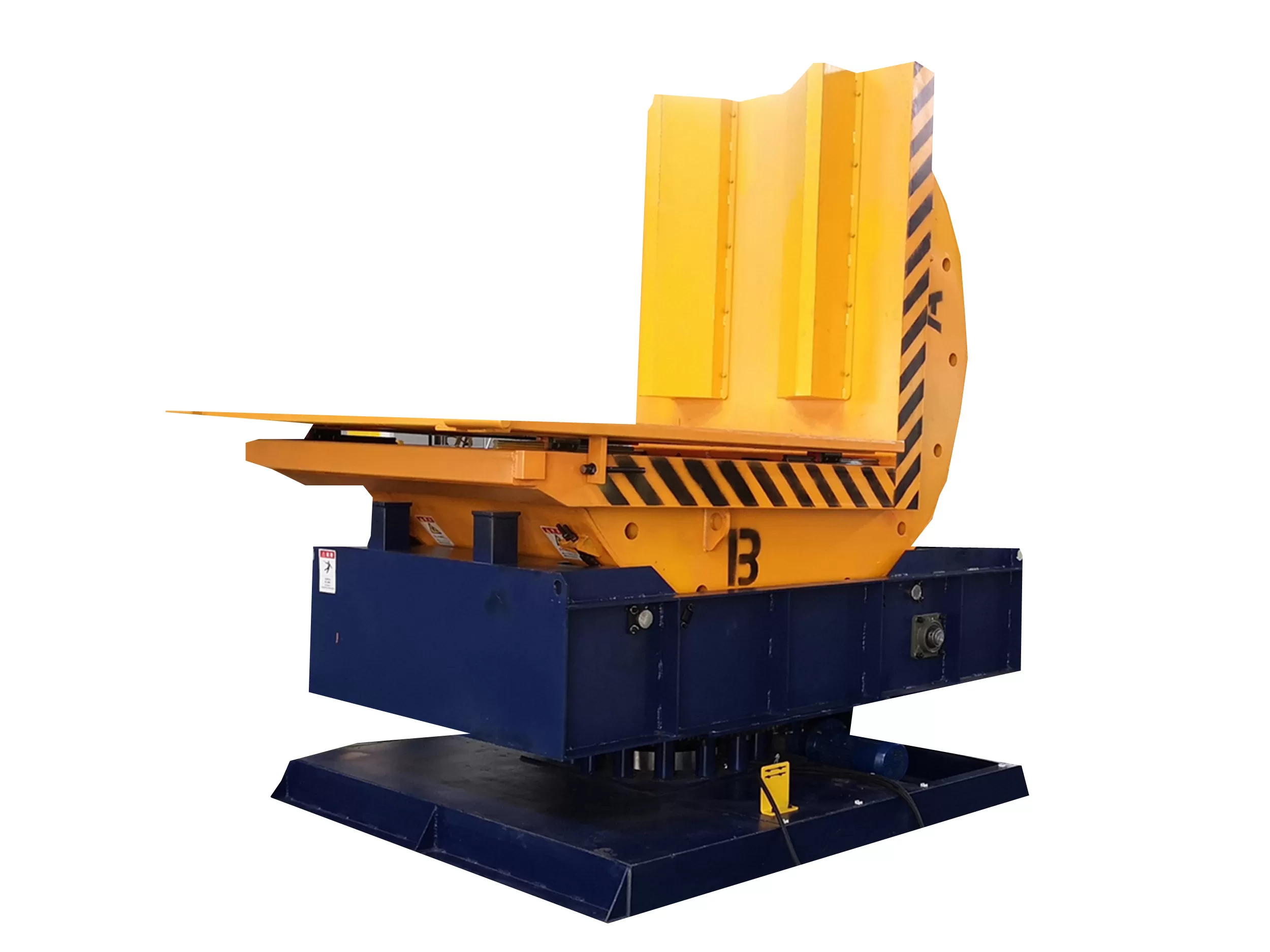
Steel coil upenders alleviate manual labor challenges, offering a smarter approach to coil handling. They enhance productivity while minimizing risks, guiding manufacturing towards safer, efficient operations.
1. What are Steel Coil Upenders?
Handling challenges in coil industries need smart solutions. Steel coil upenders address these by simplifying positioning tasks, thus boosting efficiency.
Steel coil upenders are crucial machines used in industrial and logistics sectors for safely and efficiently rotating massive coils. They assist in reducing manual labor, enhancing safety, and boosting productivity in coil handling processes.
Benefits and Features of Steel Coil Upenders
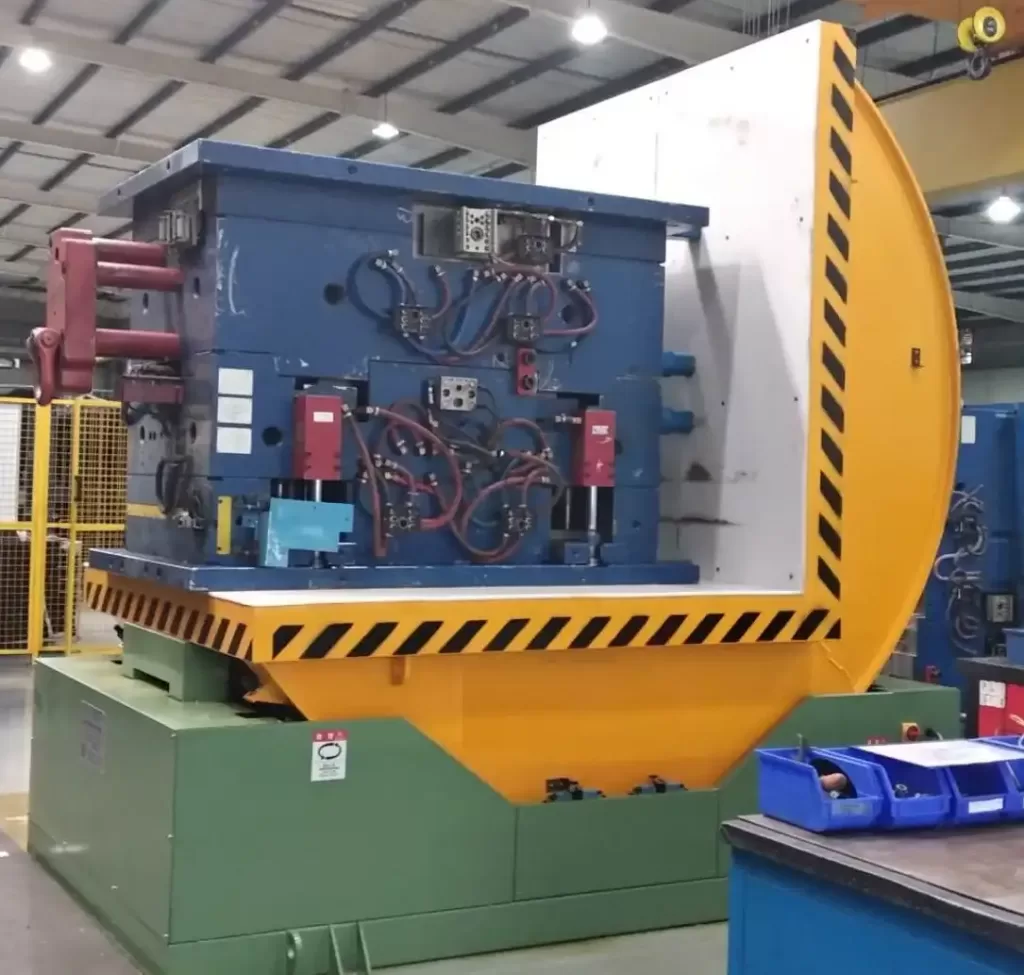
Steel coil upenders are essential in the coil handling process, helping companies optimize efficiency and safety. I’ve seen how they streamline operations through my four decades of experience. Let’s break down their critical benefits:
-
Ease of Handling:
- Traditional methods pose risks. Upenders make coil rotation smooth.
- They minimize labor fatigue and injuries—common in manual handling.
-
Efficiency Gains:
- Automated systems speed up handling processes.
- Quick rotations reduce downtime, leading to faster production schedules.
-
Safety Advancements:
- Increased safety as upenders mechanically handle coils.
- Prevent accidents that occur from manual coil rotations.
-
Investment Returns:
- Initial equipment costs offset by long-term safety and efficiency gains.
- Enhanced operational efficiency translates into quick returns.
| Feature | Manual Handling | Using Upenders |
|---|---|---|
| Labor Risks | High | Low |
| Efficiency | Variable | Steady |
| Safety Levels | Moderate | High |
| Operational Cost | Higher Over Time | Economical |
My experience highlights that embracing such automation bridges the gap between manual risks and operational speed. Automated machinery enhances your competitiveness in the market by addressing efficiency and safety concerns collectively.
2. How Do Upenders Automate Coil Handling?
Problem: Manual coil handling is risky and inefficient. Solution: Automating this process ensures safety and boosts efficiency. Action: Discover how upenders revolutionize coil handling and improve operations.
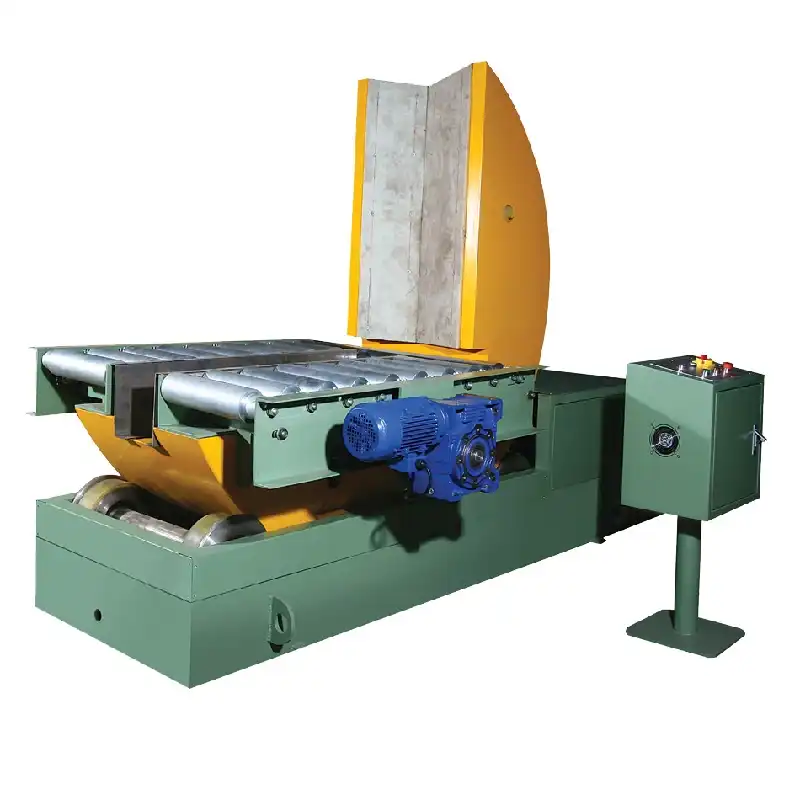
Coil upenders automate the handling of steel coils by rotating them from a horizontal to a vertical position or vice versa, enhancing safety and efficiency while reducing manual intervention and risk.
Understanding Coil Upender Functionality
Coil handling in industrial settings presents certain challenges. Upenders provide an efficient way to manage this task. These machines transition coils from a horizontal position to a vertical one. Here’s a closer look at how they do it:
| Element | Manual Handling | Automated Handling |
|---|---|---|
| Safety | High risk of injuries | Reduced risk |
| Efficiency | Time-consuming | Time-efficient |
| Labor Costs | High, due to manual work | Lower |
| Consistency | Variable | Uniform |
Manual handling can be fraught with risks like coil damage or injury to workers. It is also often slow, affecting the efficiency of the entire production line. In contrast, automated upenders provide consistent, quick, and safe handling. The machine grasps the coil securely, then pivots it to the desired orientation. This mechanization minimizes errors and enhances safety by keeping human interaction with heavy machinery to a minimum.
Furthermore, automated systems contribute to lower long-term costs by reducing labor-intensive tasks and minimizing downtime due to accidents. By using such technology, companies streamline operations, enhance safety measures, and ultimately, protect their bottom line.
3. What are the Benefits of Using Coil Upenders?
Problem: High labor costs and inefficiency impact profits. Solution: Utilize coil upenders. Action: Enhance productivity and safety while reducing costs.
Using coil upenders increases operational efficiency, lowers labor costs, and enhances safety standards in manufacturing environments, offering a reliable system for consistent coil handling and positioning.
Evaluating the Advantages of Coil Upenders
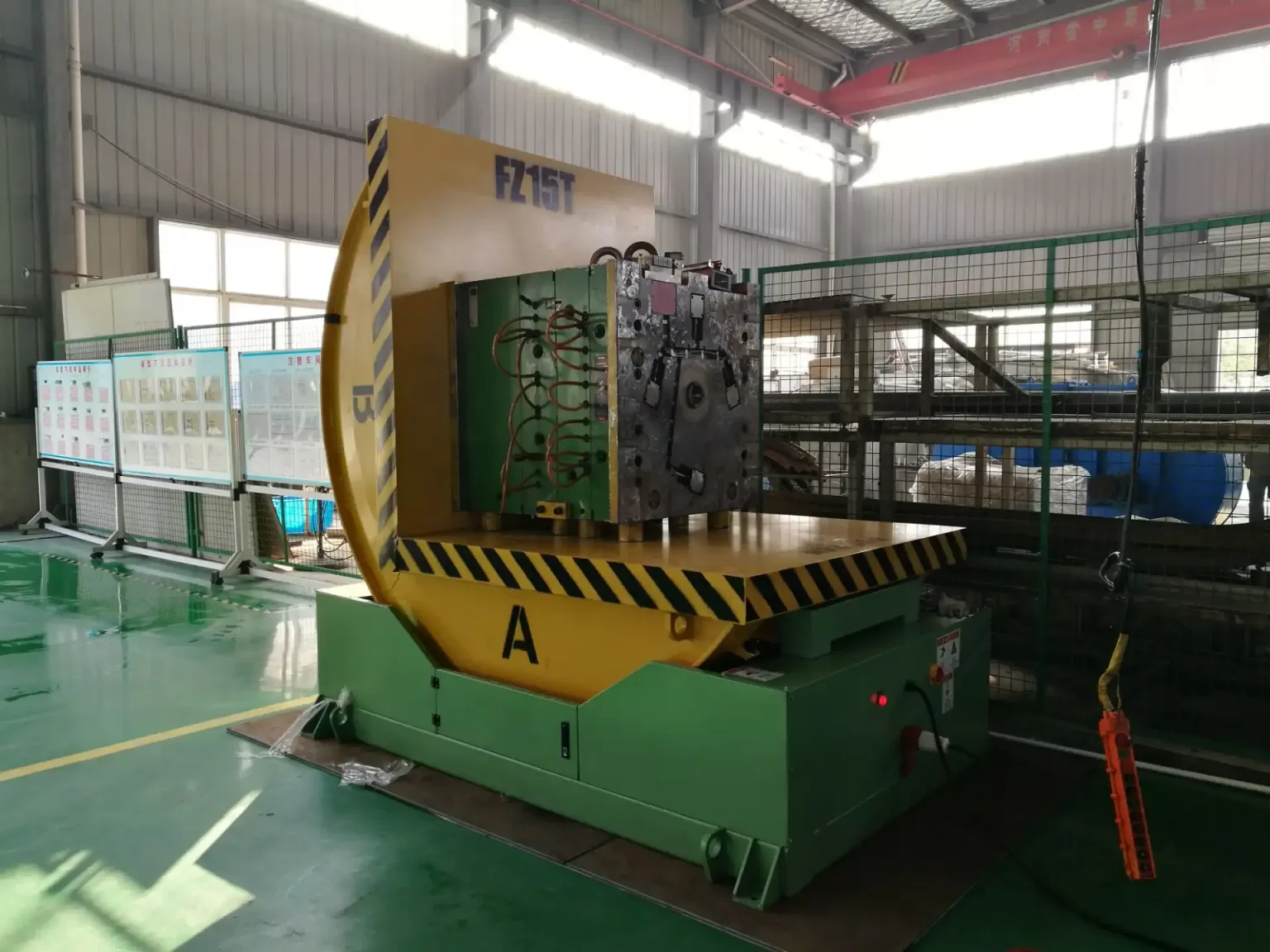
Coil upenders provide multiple benefits that are critical for operational success. Let’s dive deeper into how these machines benefit different areas:
| Benefit | Impact on Operations |
|---|---|
| Labor Efficiency | Minimizes manual involvement, decreases workload |
| Safety Improvement | Reduces injury risks by minimizing manual handling |
| Consistency | Provides uniform handling, reducing errors |
The primary advantage of coil upenders lies in enhancing labor efficiency. Automated systems require minimal human oversight, freeing up personnel for other tasks. The improved safety factor is another crucial benefit, as these machines lessen the potential for workplace injuries. By reducing manual handling, businesses create a safer working environment.
Consistency is a significant advantage when processing large numbers of coils. Manual processes are subject to human error, while upenders ensure consistent, precise handling every time. This reduces the chance of damage during handling and increases the quality of the finished product.
A story comes to mind from when we first installed a coil upender in our factory. The operational smoothness it provided was matched by a noticeable decrease in the wear and tear of the coils and equipment. It showed me firsthand the tangible benefits these machines offer in a manufacturing setting.
Conclusion
Steel coil upenders significantly boost industrial efficiency by automating and enhancing safety in coil handling processes. They provide a safe, efficient, and cost-effective solution for consistent and reliable coil management. Steel coil upenders significantly boost industrial efficiency by automating and enhancing safety in coil handling processes.








