

The Fastest Way to Improve Panel Packaging ROI: Horizontal Orbital Wrappers Explained?
Have you ever felt the squeeze of inefficient packaging, the constant pressure to boost output, or the fear of a workplace injury? Many factory managers, especially in heavy industries like metal processing in Mexico, deal with these problems every day. They see their profits shrink because of slow manual processes, damaged goods, and high labor costs. This cycle of problems can feel endless, eating away at your bottom line and making growth seem impossible.
The fastest way to improve panel packaging ROI is by adopting horizontal orbital wrappers. These machines automate the wrapping process, drastically cutting down on labor costs, improving packaging speed, and protecting products from damage during transit and storage. This leads to a clear and quick return on investment for your operation.
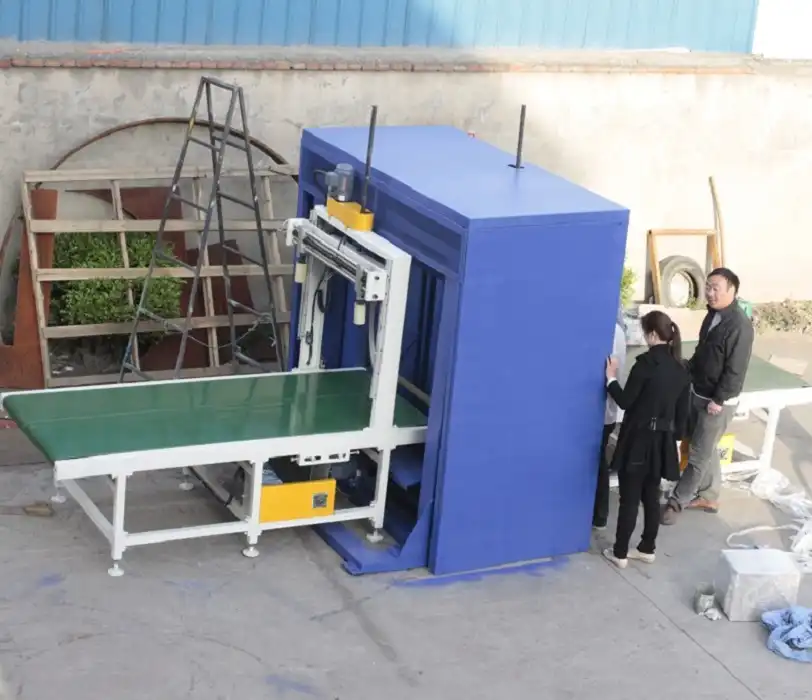

You are looking for a real solution, not just another piece of equipment. You want a partner who understands your challenges, like dealing with steel coils, and can offer a clear path to better efficiency and safety. Let us explore how horizontal orbital wrappers are not just machines, but a strategic investment that changes your business.
How Do Horizontal Wrappers Fix Your Efficiency Bottlenecks?
Are your current packaging methods slowing down your entire production line? Do you find that manual wrapping of heavy, bulky items like steel panels or coils creates a bottleneck at the very end of your manufacturing process? This inefficiency can quickly erase all the hard work done upstream, impacting your delivery times and customer satisfaction.
Horizontal orbital wrappers completely remove packaging bottlenecks by automating the wrapping of long, bulky, or flat products, such as panels and coils. They wrap items quickly and consistently, freeing up valuable labor and speeding up your overall output, turning a slow manual process into a smooth, rapid operation.


Let me tell you, I have seen this problem countless times in my years in the packing machine industry. When I started my own factory, the first thing I focused on was eliminating these kinds of bottlenecks. Manual processes for large, awkward items like steel panels or rolled goods are not just slow; they are a huge drain on resources.
The True Cost of Manual Packaging Delays
Manual packaging always involves more than just the labor cost. Think about the hidden costs. There is the time it takes for workers to move around the item, stretch film by hand, and secure it. This process is inconsistent. Some packages are tight, others are loose. This leads to wasted film and potential damage. When you multiply this by hundreds of items a day, the small delays add up fast. They impact your ability to meet customer deadlines. They also tie up valuable floor space. Workers might need more room to maneuver around large items.
- Production Throughput: Every minute lost in packaging means fewer products can leave your factory. If you produce 100 steel coils a day, and packaging one coil takes 10 minutes manually, that is 1000 minutes of labor. An automated orbital wrapper can cut this time by 80% or more. This means you can handle a higher volume of finished goods. You can then fulfill more orders.
- Labor Reallocation: When your team is busy manually wrapping, they cannot do other valuable tasks. Automation frees them up. They can focus on quality control, machine maintenance, or other parts of the production process that require human judgment. This boosts your factory’s overall productivity, not just packaging.
- Consistent Quality: A machine applies film tension evenly. It wraps the same way every time. This means every package looks professional. It also provides consistent protection. This improves your brand image. It also reduces customer complaints about poorly packaged goods.
I once worked with a client in Mexico. They made heavy metal doors. Their team spent hours wrapping each door by hand. This created a huge pile-up at the end of their line. We introduced a customized horizontal orbital wrapper. Within weeks, their packaging time dropped by over 70%. They moved workers to quality inspection. Their doors started leaving the factory faster and in better condition. That is real efficiency.
Can Orbital Wrappers Truly Boost Workplace Safety?
Are you constantly worried about your employees handling heavy, bulky items during packaging? Do workplace injuries from lifting, twisting, or moving large panels lead to high insurance costs and staff turnover? The safety of your team is a top priority, but finding a practical solution to reduce these risks can feel overwhelming.
Yes, orbital wrappers significantly boost workplace safety by removing the need for manual handling of heavy or awkward items during the packaging process. They reduce the risk of strain, falls, and crushing injuries, creating a safer environment for workers and lowering associated costs like insurance and lost time.


As someone who has spent decades on factory floors, I have seen the dangers of manual heavy lifting firsthand. It is not just about avoiding accidents. It is also about creating a work environment where people feel safe and valued. When you deal with large metal panels or steel coils, the risk is always there.
Eliminating Risks, Protecting People
Manual packaging of large items is inherently risky. Workers might strain their backs when bending to wrap low or reaching over to secure high points. They risk crushing injuries if a heavy panel shifts or falls. Repetitive motions can lead to musculoskeletal disorders over time. These issues are not only painful for employees but also costly for your business.
- Reduced Manual Handling: Horizontal orbital wrappers handle the heavy lifting. The product is placed on a conveyor or a stable platform. The machine then rotates around it. Workers do not need to lift, push, or rotate the item by hand. This eliminates the primary cause of many workplace injuries in packaging.
- Automated Wrapping Process: The machine does the wrapping. Workers can stand at a safe distance. They only need to load the product and activate the machine. This minimizes their exposure to moving parts or the product itself during the wrapping cycle. It also means fewer repetitive motions.
- Lower Insurance Costs: Fewer injuries directly lead to lower workers’ compensation claims. This can result in significant savings on your insurance premiums over time. A safer workplace also means less employee absenteeism and higher morale. People want to work in a place where their safety is a priority.
I remember a client who managed a steel fabrication plant. Their biggest issue was sprains and strains from employees struggling to wrap long steel beams. They bought two orbital wrappers. Within six months, their incident rate for packaging-related injuries dropped to almost zero. The return on investment was not just in money saved from insurance. It was in the peace of mind. It was also in a happier, more productive workforce. This is a vital part of factory management.
What About Reducing Product Damage and Boosting Profit?
Are you losing money because products like steel coils or panels get damaged during internal transport or final packaging? Do customer complaints about scuffed edges or exposed surfaces erode your profits and reputation? Protecting your products until they reach the customer is crucial, but manual methods often fail to provide consistent, reliable protection.
Horizontal orbital wrappers dramatically reduce product damage by providing a consistent, secure, and complete wrap that protects items from scuffs, dust, and moisture during handling, storage, and transit. This reduction in damaged goods directly boosts your profit margins by cutting down on costly returns, reworks, and customer dissatisfaction.
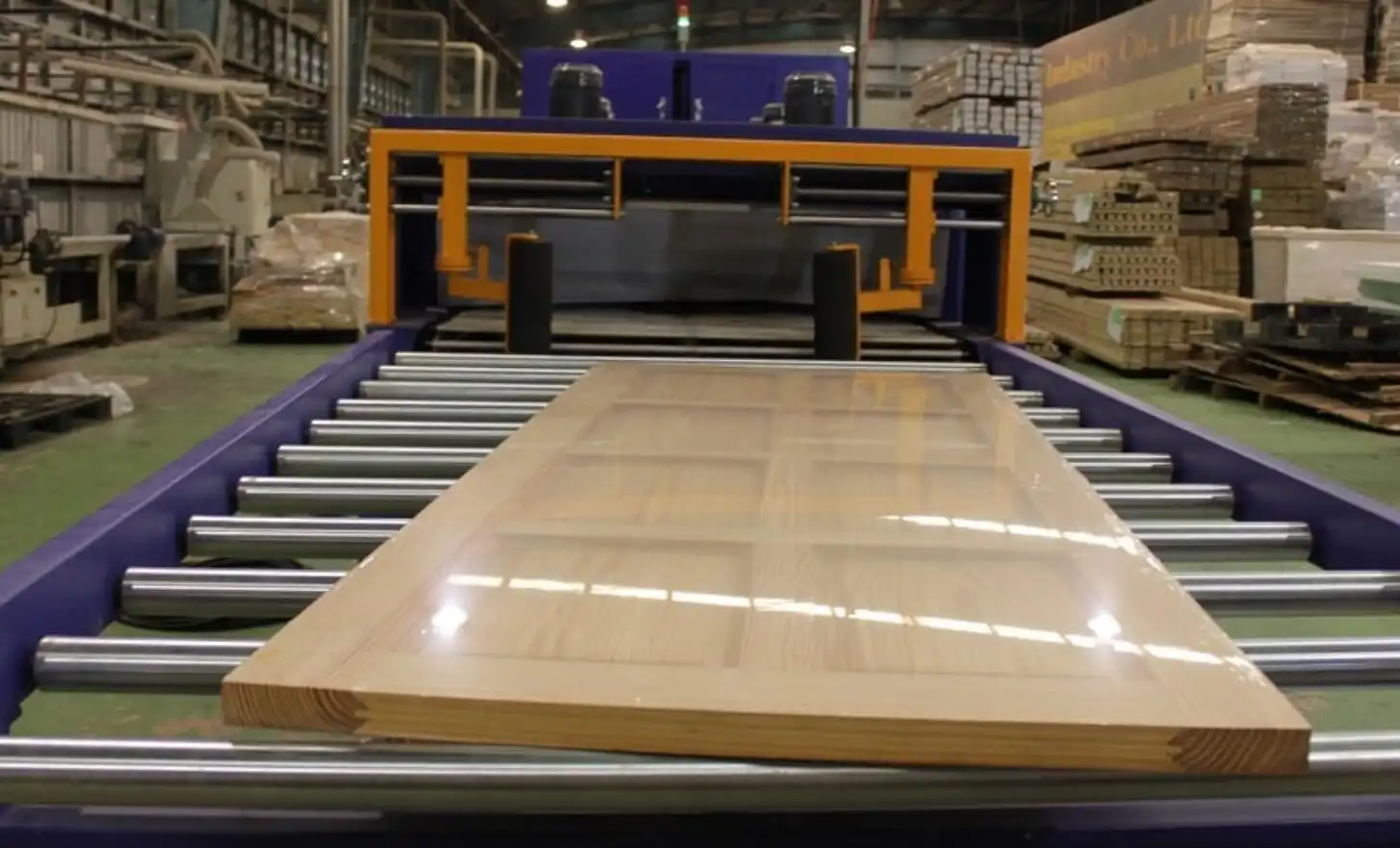

I have witnessed how easily valuable products can be damaged in a factory setting. A small ding on a steel panel. A scuff on a coil edge. These seem minor. But they can lead to significant financial losses. It means reworks, customer returns, or even discarded products. All of this hits your bottom line hard.
Protecting Your Investment, Maximizing Your Returns
Manual wrapping cannot provide consistent protection. Film tension varies. Some areas might be under-wrapped, leaving them exposed. Other areas might be over-wrapped, wasting film. This inconsistency directly impacts product integrity. It means your product is vulnerable to damage from impacts, dust, or moisture. This is especially true for delicate surfaces or edges.
- Consistent Protection: An orbital wrapper applies film with uniform tension. It covers the entire surface of the product evenly. This creates a secure, protective barrier. It shields against scratches, dust, and moisture. This is critical for products like painted panels or coils susceptible to rust.
- Reduced Reworks and Returns: When products are well-protected, they arrive at the customer in perfect condition. This means fewer returns due to transit damage. It also means fewer products need to be re-packaged or repaired. Each rework costs you money in labor, materials, and lost time. Reducing these saves you a lot.
- Optimized Film Usage: Automated machines use film efficiently. They calculate the exact amount needed for a secure wrap. This minimizes waste. Unlike manual wrapping, where operators might use too much film or wrap inconsistently, the machine ensures optimal material use. This directly lowers your material costs.
- Enhanced Customer Satisfaction: Customers expect products to arrive in pristine condition. When they receive undamaged goods, it builds trust and loyalty. This can lead to repeat business and positive referrals. It strengthens your brand reputation in the market. This is an intangible but powerful asset.
In my experience, the cost of product damage can be surprisingly high. One of my early clients dealt with heavy duty industrial panels. They had a constant stream of complaints about edge damage. After installing an orbital wrapper, not only did their damage complaints drop significantly, but their overall packaging material costs also went down. The machine used less film but provided better protection. This directly boosted their profit margins. It proved that good packaging is not an expense. It is an investment in quality and customer satisfaction.
Why Partner With an Expert, Not Just a Vendor?
Have you ever worked with a supplier who just wanted to sell you a machine and then disappeared when you needed support? Building trust with equipment vendors can be hard, especially after bad experiences. You need a partner who understands your factory’s specific needs, like those in a large metal processing plant in Mexico, and can offer genuine solutions, not just products.
Partnering with an expert, not just a vendor, ensures you get tailored solutions, deep industry insights, and reliable long-term support for your packaging needs. An expert like me, with real factory experience, understands your operational challenges and guides you to the right equipment, ensuring your investment truly solves your problems and drives growth.


This point hits home for me. I started my career as an employee in a packing machine factory. Then, I built my own successful factory. This journey taught me the huge difference between a salesperson and a true industry partner. You need someone who has walked in your shoes, someone who understands the daily pressures of managing a factory, someone who knows what it takes to make equipment truly perform.
More Than Just a Machine: A Partnership for Growth
Buying a machine is easy. Buying the right machine that solves your specific problems is harder. It requires an understanding of your entire workflow, your material types, your desired output, and your budget. A good partner does not just push their most expensive product. They listen. They ask questions. They diagnose your issues. Then, they recommend a solution.
- Tailored Solutions: Every factory is unique. Your metal processing plant in Mexico has specific needs for packaging steel coils or panels. A true expert will offer customized solutions. They will not offer a one-size-fits-all approach. This might mean custom conveyor systems, specific film types, or integration with existing lines.
- Deep Industry Knowledge: An expert brings years of hands-on experience. They understand the nuances of packaging different materials. They know about specific challenges like rust prevention for steel or protecting delicate finishes. They can foresee problems you might not even consider. This knowledge is invaluable.
- Reliable After-Sales Support: The sale is not the end of the relationship. It is the beginning. You need responsive support for installation, training, maintenance, and troubleshooting. A good partner stands by their products. They provide quick and effective solutions if issues arise. This minimizes downtime. It keeps your operation running smoothly.
- Proven ROI Guidance: An expert helps you calculate the clear return on investment. They show you how a horizontal orbital wrapper will save you money on labor, reduce product damage, and increase throughput. They provide data and real-world examples to back up their claims. This helps you justify your investment to stakeholders.
I have always believed in giving back to the industry that gave me so much. My goal with FHOPEPACK is to be that trusted resource. I remember when I was starting my factory. I faced many of the same challenges Michael Chen does now. I needed reliable equipment and honest advice. That is why I share my expertise. I want to help factory managers like Michael make smart, profitable decisions. Choosing the right partner is just as important as choosing the right machine. It is what truly helps your business grow.
My Final Thoughts on Smart Packaging Investments?
You have seen how horizontal orbital wrappers can transform efficiency, safety, and product protection in a factory setting. But what is the big picture here? What is the core message I want you to take away from all this?
My final thought is that investing in horizontal orbital wrappers is not just buying equipment; it is making a strategic commitment to your factory’s future. It is about embracing automation to build a safer, more efficient, and more profitable operation. This kind of smart investment always pays off in the long run.
My journey, from a factory employee to building a successful packing machine business, showed me one clear truth: smart investments in the right technology can change everything. For heavy industries, dealing with products like steel coils or large panels, manual packaging is a bottleneck and a risk. Horizontal orbital wrappers offer a powerful solution. They reduce labor costs. They improve worker safety. They prevent costly product damage. They speed up your entire operation. This means a direct boost to your ROI. It also means greater peace of mind for you as a factory manager.
Conclusion
Horizontal orbital wrappers boost ROI by increasing efficiency, enhancing safety, and reducing product damage. This smart investment leads to significant cost savings and improved profitability.












