

The Fastest Way to Improve Board Packaging ROI: Horizontal Stretch Wrappers Explained?
Have you ever felt the weight of inefficiency in your factory? You see your team struggling with slow, manual packaging processes. This not only grinds production to a halt but also drives up costs and creates serious safety risks. I have seen countless factory managers, much like yourself, lose sleep over these very issues. The constant pressure to boost output while keeping costs down is immense.
Horizontal stretch wrappers offer the fastest and most effective way to improve return on investment (ROI) in industrial board and long product packaging. They automate the wrapping process, significantly reducing labor needs, increasing throughput, and enhancing product protection, leading directly to higher efficiency and lower operational costs.


It is frustrating to invest in a machine only to find it does not solve your core problems. This often leads to more headaches. My goal with FHOPEPACK is to share real knowledge. I want to help you make smart choices. Let us look at how these machines can transform your operations. We will see how they can boost your ROI.
Why Are Manual Packaging Methods Hurting Your Bottom Line?
Are you still relying on people to handle heavy, awkward products for packaging? This approach seems flexible at first. But, it quickly becomes a major source of pain. I have seen this many times. Manual processes introduce so many problems. They slow down your entire production line. They also put your workers at risk every day.
Manual packaging methods severely impact a factory’s bottom line through high labor costs, slow throughput, increased safety incidents, and higher rates of product damage. These issues combine to reduce overall efficiency and profitability, especially when dealing with heavy or long industrial products.


I remember one client. His factory was booming. But his packaging area was a constant bottleneck. It was a messy sight. Workers strained to wrap steel coils by hand. They used stretch film rolls. This was slow. It was also dangerous. Products sometimes got damaged. They bumped against each other. This led to unhappy customers. It also meant lost profits. The client was always looking for ways to cut costs. He needed to improve his safety record. He came to me for advice. He knew I had built my own factory. I had faced similar problems. This is a common story. Many factories still struggle with these old ways. They do not realize the true cost of staying manual.
Let us dig deeper into why manual methods are a drain on your factory.
The Hidden Costs of Manual Labor
Hiring and keeping workers costs money. This is true for any job. But manual packaging is different. It needs many workers for simple, repetitive tasks. This drives up labor costs. Think about wages, benefits, and insurance. Manual work also leads to more injuries. This means higher insurance premiums. It also means more downtime. When a worker gets hurt, you lose production. You might also need to train a new person. This takes time and money. My own factory used to face these issues. We quickly learned that manual labor for packaging was not sustainable. It was not just the hourly wage. It was the whole package of associated costs.
Efficiency Bottlenecks and Lost Production
Your machines can produce fast. But if your packaging cannot keep up, it is a problem. Manual wrapping is slow. It takes a lot of time to wrap large items. Think about a steel coil. Or a stack of metal sheets. Each item needs careful handling. This creates a bottleneck at the end of your line. Products pile up. Shipments get delayed. This impacts your reputation. It also impacts your cash flow. Production is a chain. A weak link hurts the whole chain. Manual packaging is often that weak link. It stops you from reaching your full output potential.
Safety Risks and Their Consequences
Worker safety is critical. Manual handling of heavy goods is risky. Workers lift, twist, and pull. They do this many times a day. This leads to back injuries. It leads to sprains and strains. In a metal processing plant, this risk is even higher. Heavy metal can shift. It can fall. I have seen accidents happen. These accidents are painful for workers. They are also expensive for the company. There are medical bills. There are lawsuits. There is also low morale. Employees want to feel safe. A high accident rate makes them leave. This means more hiring and training. It is a cycle that hurts everyone.
Here is a simple look at the direct impact:
| Factor | Manual Packaging Impact | Automated Packaging Impact (Horizontal Wrapper) |
|---|---|---|
| Labor Cost | High, multiple workers needed per shift | Low, one operator can manage multiple machines |
| Throughput | Slow, inconsistent, creates bottlenecks | Fast, consistent, eliminates bottlenecks |
| Safety | High risk of injuries, high insurance costs | Very low risk, minimal manual handling of heavy goods |
| Product Damage | Frequent due to handling, poor wrap quality | Minimal, consistent wrap, secure handling |
| Consistency | Varies by worker, inconsistent wrap tension | High, precise, repeatable wrap quality |
| Floor Space | Can be spread out, less organized | Compact, efficient use of space |
| ROI | Negative or very low, ongoing high operational costs | High, quick payback through savings |
This table shows a clear picture. The costs of manual packaging are real. They add up fast. They hurt your business every day. It is time to look for a better way.
How Do Horizontal Stretch Wrappers Tackle Production Bottlenecks?
Have you ever watched your finished products wait? They sit there. They are ready to ship. But the packaging line cannot keep up. This sight is frustrating. It means you are losing money. It means your production capacity is not fully used. You have invested in great manufacturing equipment. But if your packaging is slow, it all stops there.
Horizontal stretch wrappers eliminate packaging bottlenecks by rapidly applying stretch film to long or flat products in a continuous, automated process. This speeds up the final stage of production, ensuring products are ready for shipment quickly and efficiently, directly matching the pace of your manufacturing line.


When I first started my factory, I thought scaling production was all about the manufacturing machines. I was wrong. The bottleneck often appeared at the very end. It was the packaging. We were producing coils faster than we could wrap them. This meant inventory piled up. Our warehouse became cramped. Deliveries were sometimes delayed. I realized then that a fast, reliable packaging solution was just as important as the production line itself. This is where horizontal stretch wrappers shine. They are designed to integrate seamlessly. They keep your products moving.
Let us dive into how these machines solve your bottleneck problems.
Seamless Integration with Existing Lines
A horizontal stretch wrapper is not just a standalone machine. It is a part of your production flow. It can be placed at the end of your manufacturing line. Products move directly from production to wrapping. This removes stops and starts. It means no more manual transfers. It means no more waiting. This continuous flow helps to speed up the entire process. It ensures your output matches your packaging capacity. This integration makes your whole factory run smoother.
High-Speed Wrapping for Increased Throughput
These machines are fast. They wrap products much quicker than a human can. A horizontal wrapper uses a rotating arm. This arm applies film around the product as it passes through. This happens quickly and consistently. Imagine wrapping dozens of steel pipes or large panels per hour. A human could never match this speed. This high-speed capability means you can process more products. You can do this in less time. This directly increases your factory’s daily output. It helps you meet demanding production targets.
Consistent and Reliable Operation
Machines do not get tired. They do not take breaks. A horizontal stretch wrapper provides consistent operation. It works the same way every time. This reliability is key to avoiding bottlenecks. You can count on it to perform. This means fewer unexpected stops. It means less downtime. I remember how much manual wrapping varied. Some days it was faster. Some days it was slower. An automated machine removes this variability. It gives you predictable output. This allows for better planning and scheduling. It makes your entire operation more reliable.
Reduced Dependence on Manual Labor
By automating the wrapping process, you need fewer hands. One operator can manage the machine. This frees up your workers. They can focus on other important tasks. They can work in areas where human skill is truly needed. This shift reduces your labor costs. It also makes your overall operation more efficient. You are no longer limited by the speed of a human hand. You are empowered by the speed of a machine. This change is crucial for modern factories. It is about working smarter, not harder.
The ability of horizontal stretch wrappers to handle high volumes. Their reliable operation. Their seamless integration. These factors make them a powerful tool. They break through packaging bottlenecks. They ensure your products move smoothly from production to shipment. This helps you get more done. It helps you get it done faster.
Can Automated Wrapping Truly Boost Workplace Safety?
Are you worried about your workers? Do they lift heavy steel coils? Do they flip large panels? This kind of work is risky. Accidents happen. Workers get hurt. This is a real concern for any factory manager. Safety is not just about rules. It is about protecting your team. It is about creating a secure work environment.
Automated horizontal stretch wrappers significantly boost workplace safety by minimizing human interaction with heavy or awkward products during the wrapping process. They reduce the need for manual lifting, twisting, and repetitive motions, thereby lowering the risk of sprains, strains, and severe injuries from falling objects or machinery.
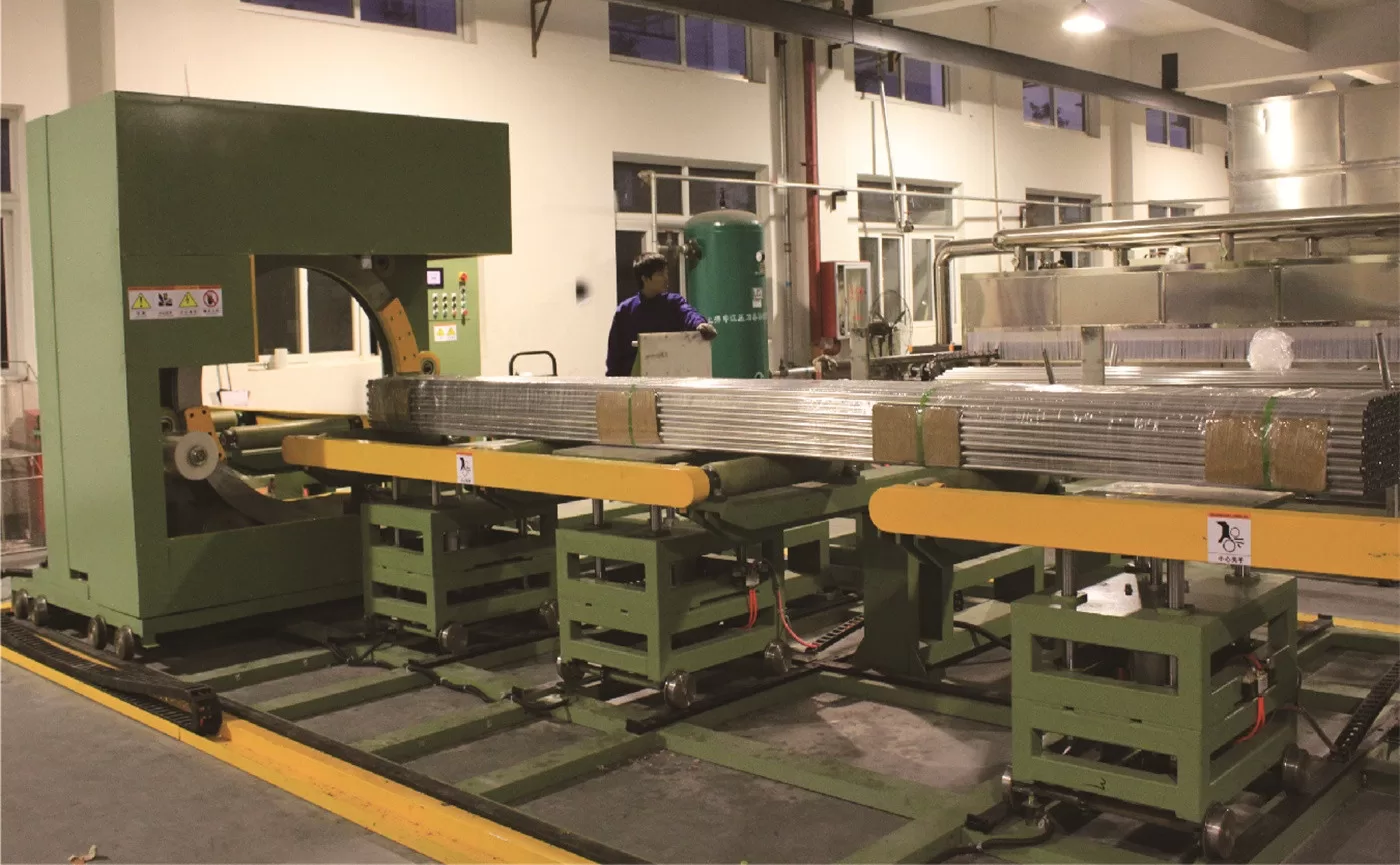

When I was running my factory, worker safety was always a top priority. I had seen too many close calls. I had also seen actual injuries from manual handling of heavy items. It was not just the immediate pain. It was the long-term impact on the worker. It was also the disruption to our operations. An injured worker means lost productivity. It means higher insurance costs. It also affects team morale. I knew we needed a better way. We needed to protect our people. This led me to explore automated solutions like horizontal wrappers. They take the danger out of the equation.
Let us explore how these machines create a safer workplace.
Eliminating Manual Handling of Heavy Goods
The biggest safety benefit is simple. The machine does the heavy lifting. Workers do not need to manually move heavy products. They do not need to position large items for wrapping. The product often moves on conveyors. Or it is loaded by forklift. The wrapper then does its job. This drastically reduces the risk of back injuries. It cuts down on muscle strains. These injuries are common in factories with manual processes. For metal coils, pipes, or panels, this is a huge gain. It keeps your workers safe from crushing hazards too.
Reducing Repetitive Strain Injuries
Manual wrapping involves repetitive motions. Workers bend. They twist. They reach over and over. This can cause repetitive strain injuries (RSIs). These are painful. They can be long-lasting. Carpal tunnel syndrome. Tendinitis. These are common RSIs. An automated wrapper takes away these repetitive tasks. Your workers are no longer performing them. This protects their joints. It protects their muscles. It keeps them healthier in the long run. Healthy workers are happy workers. They are also more productive.
Consistent and Predictable Operation Reduces Human Error
Machines follow programmed steps. They wrap the same way every time. This reduces the chance of human error. When humans are tired, they can make mistakes. They might drop something. They might position a product incorrectly. This can lead to accidents. An automated system is more predictable. It operates within strict safety parameters. This means fewer unexpected movements. It means fewer dangerous situations. The wrapper works reliably. This creates a more stable and secure environment.
Integrated Safety Features
Modern horizontal stretch wrappers come with built-in safety features. These include emergency stop buttons. They have safety light curtains. They have protective guarding. These features are designed to prevent accidents. They stop the machine if a person gets too close. They shut down if there is a problem. These systems are part of the machine’s design. They protect both the operator and other workers nearby. Investing in such equipment shows you care about your team. It builds a culture of safety in your factory.
Automated wrapping is not just about efficiency. It is also a powerful tool for safety. It protects your most valuable asset: your people. It creates a work environment where they can feel secure. This leads to fewer accidents. It leads to lower costs. It also means a happier, healthier workforce.
What About Protecting Your Valuable Products During Transit?
Have you ever had a customer call with a complaint? The product arrived. But it was damaged. Maybe a steel coil had a dented edge. Maybe a bundle of pipes was scuffed. This is frustrating for everyone. It means lost money. It means wasted effort. And it hurts your reputation. Your products are valuable. They deserve to be protected.
Horizontal stretch wrappers provide superior product protection by creating a tight, consistent, and secure film wrap around long, heavy, or irregularly shaped industrial goods. This prevents damage from impacts, dust, moisture, and shifting during internal handling, storage, and external transit, reducing product loss and customer complaints.
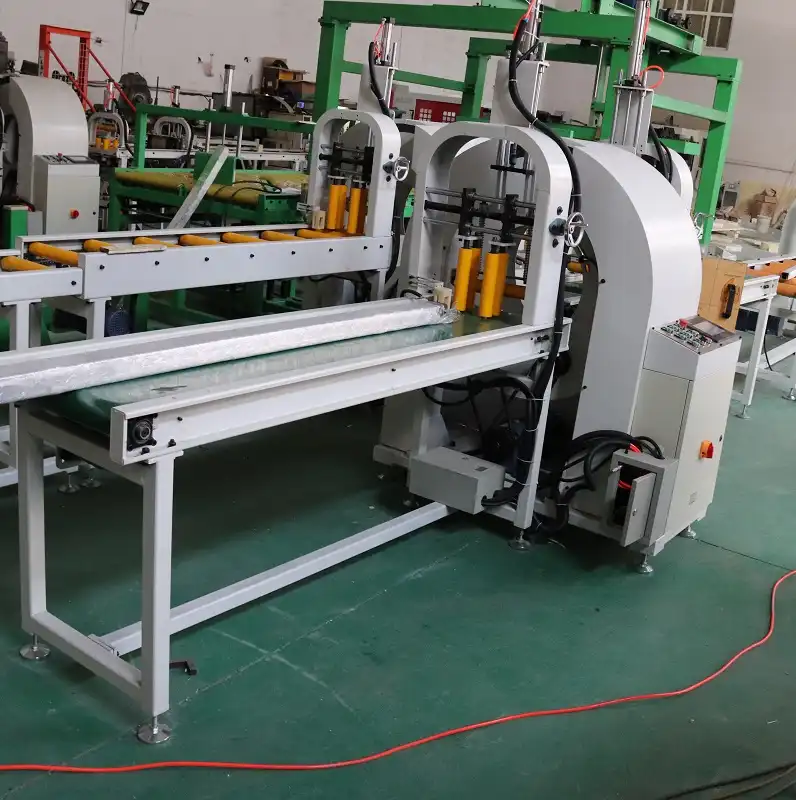

In my years in the packing machine industry, I have learned one thing. A great product is only great if it arrives in perfect condition. I once had a client who shipped large steel sheets. They were well-made. But they often arrived with scratches or scuffs. This was happening during loading and transit. Their manual wrapping was just not good enough. The film was loose. It did not cover everything properly. They were losing money on returns and rework. They were also losing customer trust. I showed them how a horizontal wrapper could solve this. It created a tight, protective layer. This was consistent every time. It made a huge difference for their business.
Let us look at how these machines safeguard your products.
Consistent and Tight Film Application
Manual wrapping often results in inconsistent film application. Some areas are tight. Other areas are loose. This means poor protection. A horizontal stretch wrapper applies film with precise tension. It covers the entire product evenly. This creates a strong, protective barrier. This barrier holds the product together. It protects against scuffs and scratches. It ensures every part of the product is covered. This consistent tension is key to preventing damage. It keeps your products looking their best.
Protection from Environmental Factors
Your products face many threats. Dust in the warehouse. Moisture during transit. UV rays if stored outdoors. A good stretch wrap acts as a shield. Horizontal wrappers ensure full enclosure of the product. This protects it from dust and dirt. It guards against moisture. It keeps your product clean and dry. This is very important for metal products. Rust is a big concern for steel coils or pipes. A proper wrap prevents moisture from reaching the surface. This saves you from costly corrosion issues.
Secure Bundling for Stability
Many industrial products are long. They can be awkward. Think about pipes. Or lumber. Or bundled steel rods. Loose packaging can cause these items to shift. They can rub against each other. This causes damage. It can also be dangerous during handling. Horizontal wrappers create a secure bundle. The film holds all parts together tightly. This adds stability. It prevents movement during transport. It means less chance of product parts separating. This makes loading and unloading safer. It also ensures the entire bundle arrives intact.
Reduced Product Damage and Returns
When products arrive damaged, it hurts your business. You might have to offer discounts. You might pay for returns. You might even lose a customer. Investing in better packaging reduces these problems. With a horizontal stretch wrapper, product damage goes down. This means fewer customer complaints. It means fewer returns. This directly saves you money. It also improves your customer satisfaction. Happy customers are repeat customers. They are also more likely to recommend you to others. This boosts your bottom line in the long run.
Protecting your products is protecting your profits. Horizontal stretch wrappers ensure your valuable goods arrive at their destination safe and sound. This attention to detail builds trust with your customers. It sets you apart from the competition. It is a smart investment for any factory.
Is a Horizontal Stretch Wrapper a Smart Investment for Your Factory?
You have seen the challenges. Manual packaging is slow, dangerous, and expensive. You know you need a change. But every investment needs a clear return. You want to be sure it makes financial sense. Is a horizontal stretch wrapper truly worth it for your factory?
A horizontal stretch wrapper is a smart investment for factories handling large, heavy, or long industrial products. Its clear return on investment (ROI) comes from significant reductions in labor costs, increased production efficiency, lower product damage rates, and improved workplace safety, leading to overall operational savings and enhanced profitability.
My journey in the packing machine industry taught me a lot about smart investments. When I started my factory, every dollar counted. I learned to look beyond the initial price tag. I focused on the long-term benefits. I focused on the return on investment. Many of my clients were hesitant at first. They saw the cost of a new machine. But once they understood the savings, it was an easy choice. They saw how quickly the machine paid for itself. It was not just about buying a machine. It was about solving their business problems. It was about growing their business.
Let us look at why a horizontal stretch wrapper is a truly wise investment for your factory.
Clear Cost Savings on Labor
This is often the biggest win. Automated wrapping significantly cuts your labor needs. Instead of several workers manually wrapping, one operator can manage the machine. Sometimes, one person can even manage multiple machines. Think about how much you spend on wages, benefits, and overtime for your packaging crew. These savings add up very quickly. Over a year, the reduction in labor costs alone can often pay for a large part of the machine. This is money that stays in your pocket.
Enhanced Production Efficiency and Output
Time is money in a factory. If your packaging is a bottleneck, you are losing money. A horizontal wrapper speeds up the end of your production line. This means your manufacturing machines can run at full capacity. You can process more orders. You can ship more products. This increased output directly boosts your revenue. It allows you to take on more business. It helps you meet customer demands faster. This efficiency gain translates directly into higher profits.
Reduced Product Loss and Damage Claims
As we discussed, damaged products cost you. They lead to returns. They lead to customer complaints. They mean lost material and re-work. With a horizontal wrapper, your products are consistently well-protected. This means less damage during transit and handling. Fewer damaged products mean fewer returns. It means happier customers. This saves you money on replacement costs. It protects your brand reputation. These savings directly contribute to your ROI.
Improved Safety Lowers Insurance and Liabilities
Workplace injuries are expensive. They lead to higher insurance premiums. They can lead to lawsuits. They create downtime. By significantly reducing manual handling and improving safety, a horizontal wrapper lowers these risks. Fewer accidents mean lower insurance costs. It means a safer environment. This is a benefit that might not show up on a direct profit and loss statement. But it is very real. It protects your finances. It protects your people. It also makes your factory more attractive to skilled workers.
Long-Term Reliability and Durability
Horizontal stretch wrappers are built for industrial environments. They are made to last. They handle heavy products. They operate continuously. This means less maintenance. It means fewer breakdowns. My company, FHOPEPACK, focuses on reliable machines. We know you need equipment that works day in and day out. A durable machine means a longer lifespan. It means a better return on your initial investment over many years.
Investing in a horizontal stretch wrapper is not just buying equipment. It is buying a solution. It is solving core factory problems. It is a strategic move that delivers clear financial benefits. It boosts your efficiency. It cuts your costs. It protects your products and your people. This is how you achieve a strong, measurable ROI for your factory.
Conclusion
Horizontal stretch wrappers offer a powerful solution for improving industrial packaging. They boost ROI by cutting labor costs, enhancing efficiency, ensuring product safety, and improving workplace safety. This smart investment leads to a more profitable and secure operation.












