

What are Orbital Stretch Wrapping Systems for Wood Products, and How Do They Help?
Do you constantly face production bottlenecks at your packaging line? Are your workers at risk from manual handling of heavy or bulky wood products? Perhaps you are seeing too much product damage before it even leaves your factory. These issues are common, and they can severely impact your bottom line.
Orbital stretch wrapping systems are specialized machines that apply stretch film around products as they pass through a rotating ring, creating a secure, weatherproof, and stable package. For wood-based products, these systems are crucial for protecting long or irregularly shaped items like lumber, panels, doors, or window frames during storage and transit. They dramatically improve packaging efficiency, enhance worker safety, and reduce product damage, ensuring your goods reach customers in perfect condition.
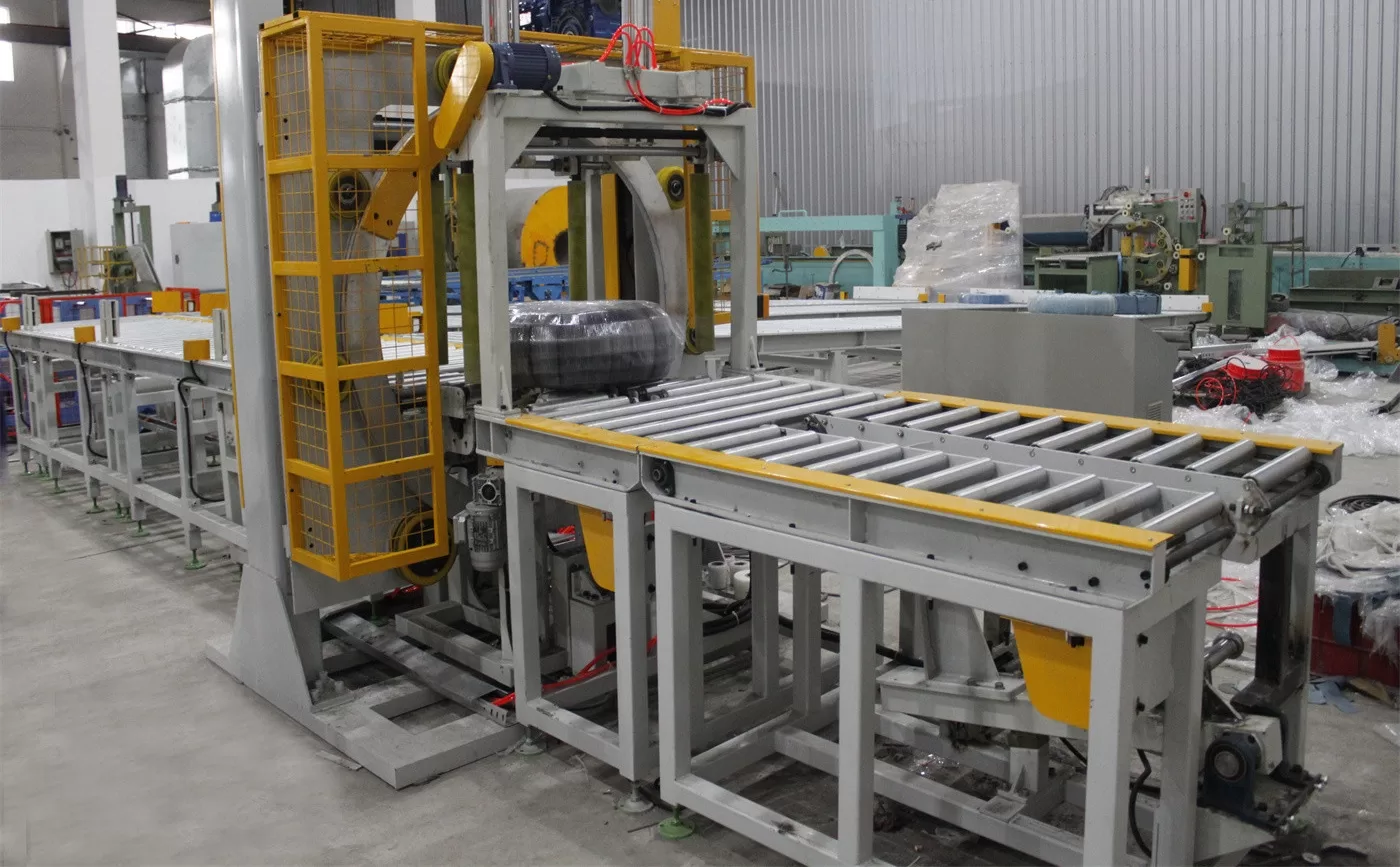

I understand these challenges. I have seen them firsthand in many factories, including my own journey from a packing machine engineer to establishing a successful factory. I know what it takes to make a production line run smoothly and safely. That is why I want to share my insights on how orbital stretch wrapping systems can be a game-changer for your wood-based product operations. Stay with me, and we will dive into the technical details and real-world benefits.
How Do Orbital Wrappers Boost Efficiency for Wood Products?
Are your current packaging methods slowing down your entire production line? Is manual wrapping creating a bottleneck right at the end of your process? This inefficiency does not just slow things down; it costs you valuable time and money.
Orbital stretch wrapping machines significantly boost efficiency for wood products by automating a labor-intensive process, reducing packaging time per item, and enabling continuous flow. They eliminate the need for manual wrapping, which is often slow and inconsistent for long or bulky wood pieces. This automation frees up workers, speeds up throughput, and improves overall production flow.


When I first started in this industry, I saw many factories struggling with manual packaging. It was always the last hurdle, often undoing the efficiency gained upstream. For wood products, which can be long, wide, or have awkward shapes, manual wrapping is particularly difficult. An orbital wrapper spins film around the product as it moves horizontally through a rotating ring. This means it can handle items of almost any length, continuously applying film. It turns a slow, manual task into a fast, automated one. This impacts your whole operation. It means faster delivery times, and it means you can handle more orders without adding more people. This is about making your production line seamless.
Understanding Efficiency Gains with Orbital Systems
Improving efficiency is always a top goal for factory managers. Orbital stretch wrapping systems offer clear benefits here. They are designed to streamline the packaging process.
Reducing Labor Dependency
- Less Manual Effort: Manual wrapping of wood products is labor-intensive. It needs multiple workers for large items. Orbital wrappers need only one operator to load and unload.
- Reallocating Workforce: Workers previously wrapping can move to other tasks. This improves overall plant productivity.
Faster Packaging Cycles
- High Speed Wrapping: Orbital wrappers apply film much faster than humans. The ring rotates quickly, wrapping product continuously.
- Consistent Wrap: Machines provide a consistent, tight wrap every time. This reduces the need for re-wrapping. Humans can be inconsistent, leading to wasted time.
- Continuous Flow: Products move through the machine without stopping. This keeps your production line moving. There is no waiting for one package to finish before the next one starts.
Minimizing Downtime
- Reliable Operation: A well-built orbital wrapper is very reliable. It is designed for continuous use. This means less unexpected downtime.
- Easy Maintenance: Good machines are easy to maintain. This also helps reduce downtime.
- Quick Film Changes: Film rolls are easy to load and change. This keeps the machine running with minimal interruptions.
Here is a simple comparison of packaging methods:
| Feature | Manual Wrapping | Orbital Wrapping |
|---|---|---|
| Speed | Slow | Fast |
| Labor Needs | High | Low |
| Consistency | Variable | High |
| Product Shape Adapt. | Good | Excellent |
| Safety Risks | High | Low |
| Production Bottleneck | High | Low |
The gains in efficiency are not just theoretical. They directly affect your output and your ability to meet customer demands. This is a critical investment that pays for itself by making your operations smoother and faster.
Are Orbital Systems Truly Safer for Wood Packaging Operations?
Do your workers face constant risks from manually handling and wrapping heavy, unwieldy wood products? Are you worried about the high costs and human toll of workplace injuries? Safety should never be an afterthought in any factory.
Orbital stretch wrapping systems dramatically improve safety in wood packaging operations by eliminating hazardous manual tasks. They remove the need for workers to physically lift, turn, or stretch wrap bulky or heavy wood items, reducing the risk of musculoskeletal injuries, strains, and accidents. This automation creates a safer work environment, lowering insurance costs and improving employee morale.


When I was building my own factory, safety was always a top priority. I saw too many injuries from people trying to move heavy objects or from repetitive motions. For wood products like large planks, bundles of lumber, or heavy doors, the risks are very real. Workers might strain their backs, drop heavy items on their feet, or get tangled in film during manual wrapping. An orbital wrapper takes these risks away. The machine handles the heavy lifting and the actual wrapping. Workers just need to feed the product and take it out. This shift makes a big difference. It protects your team, and it protects your business from costly accidents and high insurance premiums.
Enhancing Workplace Safety with Automation
Investing in safety is an investment in your people and your business. Orbital wrappers play a big role in this.
Reducing Manual Handling Hazards
- No Heavy Lifting: Workers do not need to lift or rotate heavy wood bundles. The machine does all the heavy work. This prevents back injuries and muscle strains.
- Less Repetitive Motion: Manual wrapping involves a lot of bending, reaching, and repetitive arm movements. Orbital wrappers remove these actions. This lowers the risk of carpal tunnel syndrome and other repetitive strain injuries.
- Controlled Environment: The wrapping process happens inside the machine’s safety guards. This keeps workers safe from moving parts and the product itself.
Preventing Accidents and Collisions
- Stable Product Flow: Products move smoothly through the machine on conveyors. This reduces the chance of products falling or shifting unexpectedly. In manual handling, products can be unstable.
- Automated Wrapping Process: The machine performs the wrapping consistently. There are no sudden movements or human errors that can lead to dropped products or film entanglements.
- Emergency Stops and Sensors: Modern orbital wrappers come with safety features. These include emergency stop buttons and sensors. These stop the machine if a problem occurs or if a person gets too close.
Improving Worker Well-being
- Reduced Fatigue: Less physical strain means workers are less tired. This helps them stay focused and alert. Tired workers are more prone to accidents.
- Better Morale: A safer workplace makes employees feel valued. This can lead to higher morale and lower employee turnover. Workers know their safety is important to the company.
- Compliance with Regulations: Using automated systems helps meet safety regulations. This avoids potential fines and legal issues.
Here is a summary of how safety is improved:
| Safety Aspect | Manual Packaging | Orbital Wrapping |
|---|---|---|
| Musculoskeletal Injuries | High Risk | Low Risk |
| Accidental Drops | Moderate Risk | Low Risk |
| Repetitive Strain | High Risk | Low Risk |
| Worker Fatigue | High | Low |
| Safety Guards | None | Built-in |
| Ergonomics | Poor | Excellent |
By removing human involvement from the most dangerous parts of the packaging process, orbital wrappers create a much safer environment. This is not just about avoiding injuries; it is about building a better, more sustainable workplace for everyone.
Can Orbital Wrapping Machines Really Cut Costs and Product Damage?
Are you losing money due to damaged products during transit or storage? Are high labor costs eating into your profits? Every factory manager knows that wasted materials and inefficient labor directly impact the bottom line.
Yes, orbital wrapping machines significantly cut costs and product damage for wood-based products. They reduce reliance on costly manual labor, minimize film waste through precise application, and most importantly, prevent damage to sensitive edges or surfaces during handling and shipping. The tight, consistent wrap protects against moisture, dust, and physical impact, leading to fewer customer complaints and higher profitability.


I have seen countless times how product damage can erode profits. In my factory, and for many of my clients, protecting the final product is key. For wood products, edges can chip, surfaces can scratch, or moisture can warp items if they are not properly protected. Manual wrapping often leaves gaps or inconsistencies. This leads to product damage. An orbital wrapper, on the other hand, applies film tightly and evenly all around the product. This creates a strong, protective barrier. It is not just about reducing the visible damage. It is also about protecting against environmental factors like dust and moisture. This means fewer returns, fewer complaints, and happier customers. It is a direct path to better profits.
Achieving Cost Savings and Superior Product Protection
Cutting costs and preventing damage are two sides of the same coin when it comes to packaging. Orbital wrappers help with both.
Reducing Material Waste
- Optimized Film Usage: Orbital wrappers apply stretch film with precise tension and overlap. This means you use exactly the right amount of film. Manual wrapping often leads to over-wrapping or uneven application, wasting film.
- Consistent Application: Machines maintain consistent film tension. This ensures a tight wrap without stretching the film too much or too little. This maximizes film efficiency.
- Less Rework: Because the machine creates a perfect package the first time, you do not need to re-wrap products. This saves film and labor.
Minimizing Product Damage
- Full Protection: The orbital wrap covers all surfaces of the wood product. This includes sensitive edges and corners. This protects against impacts, abrasions, and scuffs during handling and transit.
- Environmental Barrier: The stretch film creates a barrier against dust, dirt, and moisture. This is especially important for wood, which can be sensitive to humidity changes. It prevents warping, mold, and discoloration.
- Load Stability: The tight wrap bundles irregular items securely. This prevents shifting or breakage within the package during transportation. Stable loads are less likely to be damaged.
- Reduced Manual Handling Damage: By reducing human interaction with the product during wrapping, the chance of dropping or mishandling is much lower.
Lowering Operational Costs
- Labor Cost Reduction: As discussed, less reliance on manual labor means lower labor costs. This is a significant saving over time.
- Reduced Claims and Returns: Fewer damaged products mean fewer customer complaints, fewer returns, and lower costs associated with replacing or refunding damaged goods.
- Improved Reputation: Delivering products in perfect condition builds a strong reputation. This can lead to more business and higher customer loyalty.
Here is how orbital wrappers impact your costs:
| Cost Factor | Manual Packaging | Orbital Wrapping |
|---|---|---|
| Labor Costs | High | Low |
| Film Usage | High (Wasteful) | Optimized |
| Product Damage | High | Low |
| Customer Returns | High | Low |
| Shipping Costs (Stable Loads) | Higher (Potential Shifting) | Lower (Stable, Compact) |
| Insurance Claims | Higher | Lower |
The return on investment for an orbital wrapping machine is clear. It is not just about the initial cost of the machine. It is about the long-term savings you get from reduced labor, less waste, and significantly fewer damaged products. This directly translates to increased profitability and a stronger position in the market.
What Key Features Define a Reliable Orbital Wrapping System for Wood?
Have you dealt with equipment that constantly breaks down, causing frustrating delays and costly repairs? Are you tired of suppliers who only care about the sale, not the long-term performance of their machines? Reliability is not a luxury; it is a necessity for continuous production.
A reliable orbital wrapping system for wood products is defined by robust construction, intuitive controls, variable tension settings for different film types, and efficient power consumption. Key features include heavy-duty components for continuous operation, user-friendly interfaces for ease of use, and advanced safety mechanisms. The best systems are designed for durability and low maintenance, ensuring consistent performance and a long operational lifespan, which is vital for busy factories.
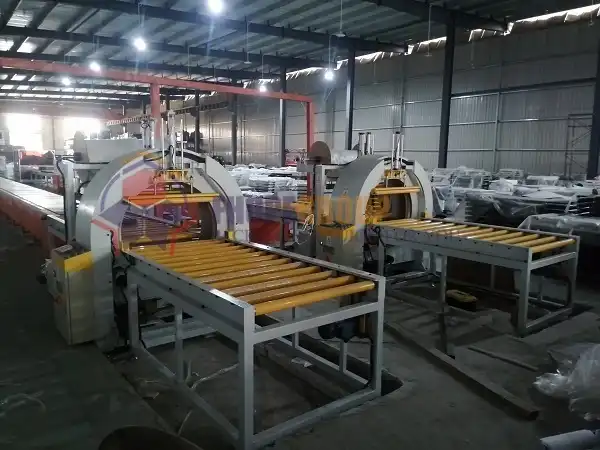

When I started my factory, choosing the right equipment was one of the biggest decisions. I learned quickly that a cheap machine can cost you a fortune in downtime and repairs. For wood products, where items can be heavy and abrasive, the machine needs to be built tough. You need a machine that can handle continuous operation. It needs to be easy for your team to use. And it needs to be efficient. I always advise my clients to look beyond the price tag and focus on the machine’s core features and the manufacturer’s reputation. This is how you avoid buyer’s remorse and ensure your investment pays off for years to come.
Essential Features for Durable and User-Friendly Systems
Picking the right machine means looking at its design, how it works, and how easy it is to keep running.
Robust Construction and Durability
- Heavy-Duty Frame: The machine frame must be strong. It needs to withstand the weight and movement of large wood products. Steel construction is vital.
- Quality Components: Bearings, motors, and electrical parts should be industrial grade. This ensures a long life even with continuous use.
- Protection Against Dust: Wood processing creates a lot of dust. The machine’s electrical components and moving parts need protection from dust. This prevents premature wear and failures.
User-Friendly Operation and Control
- Intuitive HMI: A touchscreen interface (HMI) makes it easy for operators to set parameters. This includes film tension, overlap, and speed. Simple controls reduce training time and errors.
- Programmable Settings: The ability to save different wrapping programs is helpful. You can have specific settings for different wood product sizes or types. This speeds up changeovers.
- Easy Film Loading: Quick and simple film roll changes are important. This minimizes downtime between wraps.
Performance and Efficiency
- Variable Speed Control: The wrapping ring speed should be adjustable. This allows you to fine-tune the wrapping for different product needs.
- Adjustable Film Tension: Different wood products might need different film tensions. Some might need a tighter wrap, others a looser one. The machine should offer this flexibility.
- Power Efficiency: Modern machines are designed to use less energy. This lowers your operating costs.
Safety Features
- Emergency Stop Buttons: Clearly marked and easily accessible E-stop buttons are a must.
- Safety Guards: Physical barriers protect operators from moving parts of the machine.
- Sensors: Proximity sensors detect if an object or person is too close to the moving parts. This automatically stops the machine.
- Overload Protection: Systems to prevent the motor from burning out due to excessive load.
Here is a look at what makes a system reliable:
| Feature | Benefit for Wood Products | Why it Matters |
|---|---|---|
| Heavy-Duty Build | Handles large, heavy, abrasive wood products without wear. | Long machine lifespan, less breakdowns. |
| Intuitive Controls | Easy for operators to use, quick program changes. | Reduces errors, speeds up production. |
| Variable Tension | Optimizes film use, protects delicate wood surfaces. | Saves film, prevents damage, improves package quality. |
| Dust Protection | Protects internal components from wood dust. | Prevents premature component failure. |
| Safety Mechanisms | Protects workers from moving parts and accidents. | Ensures a safe working environment, reduces injury risk. |
| Energy Efficiency | Lower operating costs over the machine’s life. | Improves ROI, environmentally friendly. |
Choosing a reliable orbital wrapping system is like choosing a trusted employee. You want someone who performs consistently, does not call in sick, and makes your life easier. For machinery, this means robust construction, smart design, and built-in safety. It means investing in quality.
My Insights!
From my journey establishing FHOPEPACK and working with countless factory managers, I have learned that true value lies beyond the machine itself. It is about the partnership. When you are looking at an investment as significant as an orbital stretch wrapping system, especially for something as critical as wood products, you are not just buying steel and wires. You are buying a solution. You are investing in your future.
I remember one client who was hesitant about automation. He was comfortable with his manual process, even though it was slow and dangerous. He had dealt with some bad suppliers before. They just sold him a machine and then disappeared. I spent weeks with him. I talked about his pain points. I showed him how an orbital wrapper would not just save him money. It would also keep his workers safe. It would help him deliver perfect products to his customers. He decided to trust me. We installed a custom orbital system. Within months, he saw his production speed up. His safety record improved dramatically. His product damage dropped to almost zero. His business grew.
This is why I founded FHOPEPACK. I believe in sharing knowledge. I believe in building relationships. I have been in the trenches. I understand the pressures of managing a factory. I know the importance of reliable equipment. I know what it means to look for a partner, not just a vendor.
When you work with someone who understands your challenges, they can offer solutions that actually work. They can guide you through the process. They can help you pick the right machine for your specific needs. They can provide the support you need long after the sale. This is the FHOPEPACK promise. It is about helping you master your wrapping process, just as I mastered mine. It is about giving back to the industry that gave me so much. It is about helping your business thrive.
Conclusion
Orbital stretch wrapping systems are game-changers for wood products. They boost efficiency, enhance safety, and cut costs by protecting products and automating tasks. Invest wisely; choose a reliable partner.












