
Supplier Evaluation: Choosing a Reliable Mold Flipper Manufacturer
Selecting the right mold flipper manufacturer is a critical decision that significantly impacts operational efficiency, safety, and the longevity of your valuable molds. This choice demands a thorough evaluation process, moving beyond mere price considerations to assess true capability, reliability, and long-term support for this essential piece of industrial equipment.

Choosing a reliable mold flipper manufacturer involves scrutinizing their technical expertise, manufacturing quality, customization capabilities, safety compliance, and after-sales support. Key steps include verifying certifications, assessing design and engineering proficiency, reviewing client testimonials, and understanding their patented technologies. A robust evaluation ensures a partner who delivers a durable, safe, and efficient mold handling solution tailored to your specific operational needs, ultimately safeguarding your investment and enhancing productivity.
The journey to finding the ideal mold flipper manufacturer can seem daunting, given the specialized nature of this equipment and the critical role it plays in modern manufacturing, particularly within the injection molding and die-casting industries. This article will guide you through the essential stages of supplier evaluation, delve into the technical and qualitative aspects to consider, and highlight the importance of innovation and compliance in making an informed decision. By understanding these facets, you can confidently select a manufacturer that not only meets your immediate requirements but also proves to be a valuable long-term partner.
Understanding Mold Flippers and Their Crucial Role
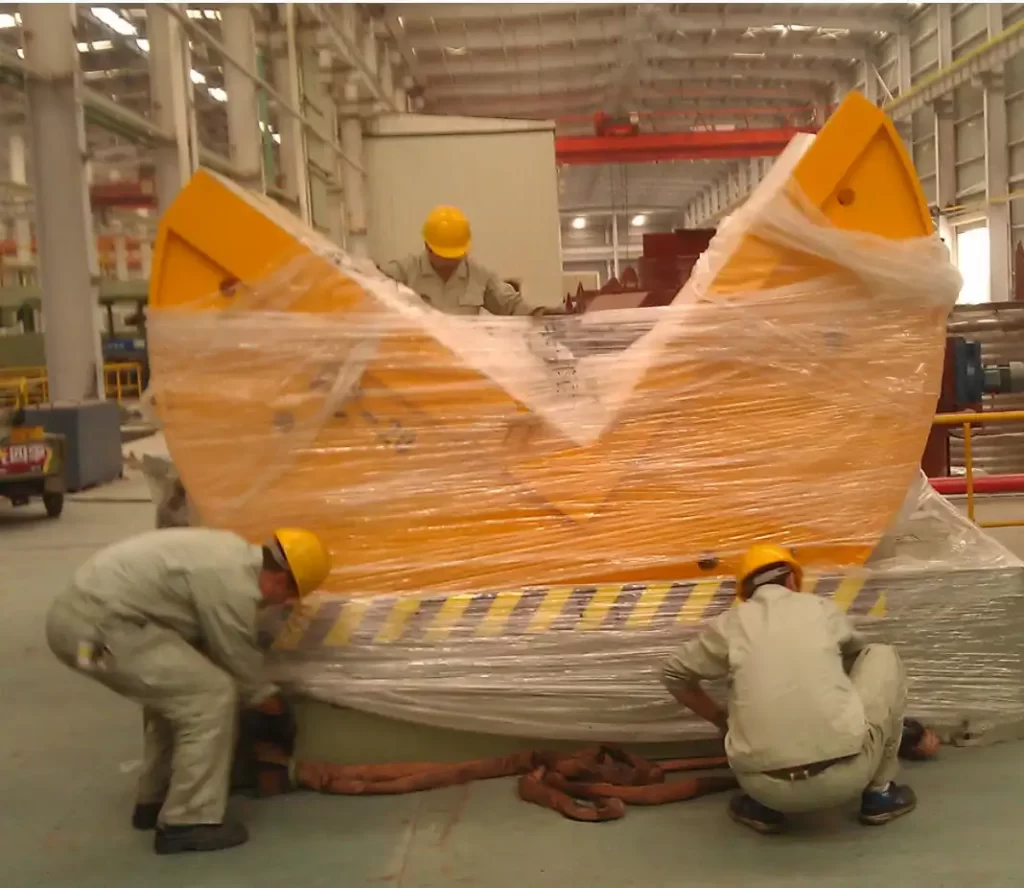
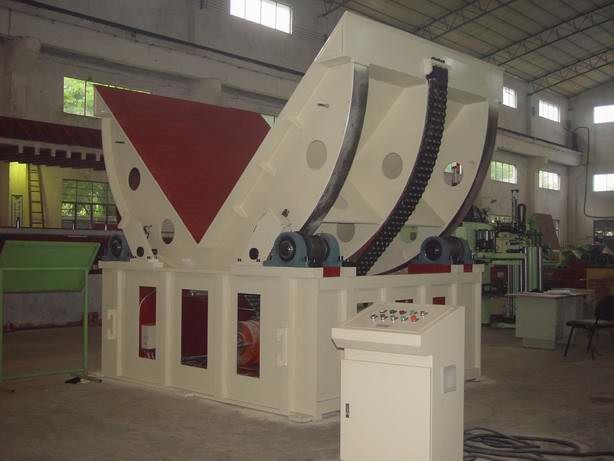
Mold flippers, also known as mold rotators or upenders, are indispensable in modern manufacturing for safely and efficiently manipulating heavy molds. These specialized machines are designed to tilt, rotate, or invert molds, facilitating maintenance, cleaning, inspection, and die-spotting operations, thereby enhancing both productivity and worker safety in demanding industrial environments.
Mold flippers are vital for modern manufacturing, especially in injection molding and die casting, because they enable the safe and precise rotation or tilting of heavy, cumbersome molds. This capability is crucial for routine maintenance, quick mold changes, inspections, and repairs, significantly reducing manual handling risks, preventing mold damage, and minimizing downtime. By automating and securing the mold handling process, these machines enhance operational efficiency, protect valuable tooling assets, and ensure a safer working environment for personnel, directly contributing to improved productivity and reduced operational costs.
Key Features, Types, and Operational Benefits of Mold Flippers
Mold flippers are more than just brute strength; they are precision-engineered systems designed for specific tasks and load requirements. Understanding their core components and a_types is fundamental before evaluating potential manufacturers.
Core Functionality and Design: At their heart, mold flippers utilize robust mechanical structures, typically powered by hydraulic or electromechanical systems, to achieve controlled movement. Key design considerations include:
- Load Capacity: Ranging from a few tons to over 100 tons, matching the weight of the molds they will handle.
- Rotation Angle: Commonly 90 degrees for tilting or 180 degrees for complete inversion, with custom angles available.
- Platform Size: Must accommodate the dimensions of the largest molds.
- Control Systems: Modern flippers often feature PLC (Programmable Logic Controller) systems with user-friendly HMI (Human-Machine Interface) for precise control, soft start/stop, and interlocking safety features.
- Safety Mechanisms: Essential features include emergency stops, overload protection, safety barriers or light curtains, mechanical locking systems to prevent accidental movement, and audible/visual alarms. Pascal’s emphasis on safety in their mold handling equipment, like rotators, underscores this industry need.
Types of Mold Flippers: The specific application dictates the type of mold flipper required:
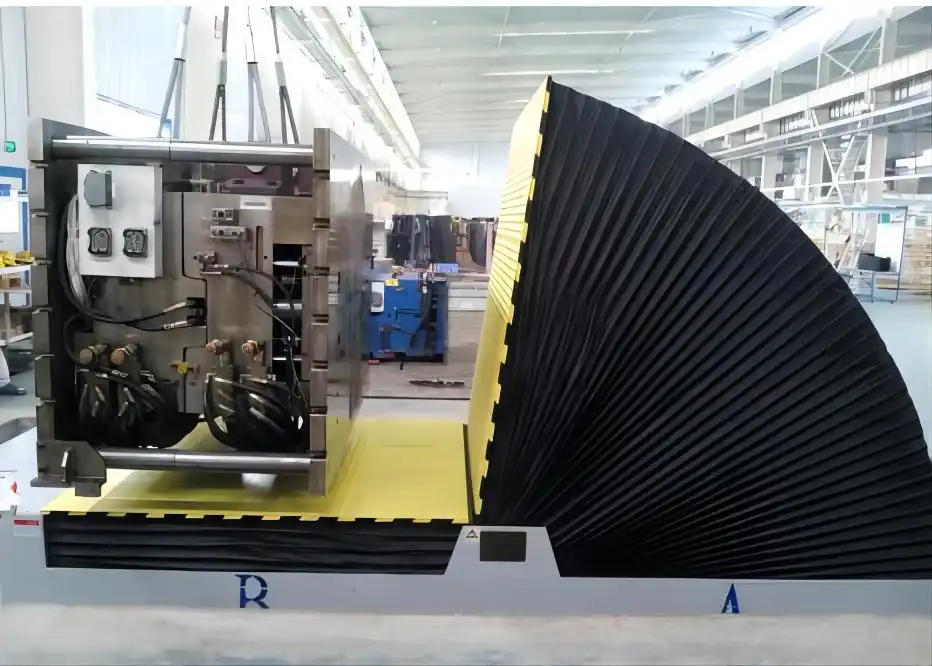
- 90-Degree Mold Tilters/Upenders: Primarily used to change the orientation of a mold from horizontal to vertical (or vice-versa) for easier access to one side, for transport, or for specific maintenance tasks.
- 180-Degree Mold Rotators/Flippers: Allow for complete inversion of the mold, providing access to both halves for comprehensive maintenance, cleaning, or assembly/disassembly.
- Custom-Designed Units: For unique applications, manufacturers may offer solutions with specific rotation angles, integrated conveying systems, or specialized clamping mechanisms.
Operational Benefits: Investing in a quality mold flipper from a reputable manufacturer yields significant advantages:
- Enhanced Safety: Drastically reduces the risks associated with manually handling or using overhead cranes for rotating heavy molds, preventing accidents and injuries.
- Increased Efficiency: Speeds up mold changeovers, maintenance, and inspection processes, minimizing machine downtime and boosting overall equipment effectiveness (OEE). As Pascal highlights, saving even 15 minutes per mold change can add up to days of saved production time annually.
- Mold Protection: Gentle, controlled movement prevents damage to delicate mold components, extending their lifespan and reducing repair costs.
- Improved Ergonomics: Reduces physical strain on operators.
- Optimized Floor Space: Can be designed to integrate smoothly into existing plant layouts.
The table below summarizes common types and their primary applications:
| Mold Flipper Type | Primary Rotation | Typical Capacity Range (Tons) | Key Applications | Safety Feature Focus |
|---|---|---|---|---|
| 90-Degree Tilter | 0-90° | 1 – 50+ | Mold opening for cleaning/minor repairs, die spotting, vertical storage/transport. | Stable base, secure clamping, controlled tilt speed. |
| 180-Degree Rotator | 0-180° | 1 – 100+ | Full mold access for major maintenance, component changes, thorough cleaning. | Robust rotation mechanism, center of gravity management. |
| Custom Solution | Variable | As per requirement | Specialized handling needs, integration with automation, unique mold geometries. | Tailored safety interlocks, application-specific guards. |
Choosing a manufacturer who understands these nuances and can guide you to the right type of mold flipper, or even customize one, is crucial. Their engineering prowess in balancing load, movement, and safety is a key differentiator.
Critical Criteria for Evaluating Mold Flipper Manufacturers
Identifying a top-tier mold flipper manufacturer requires a multi-faceted evaluation, extending beyond product specifications to encompass their operational capabilities, quality commitments, and customer support framework. This ensures a partnership that delivers lasting value and reliability.
To effectively evaluate a mold flipper manufacturer, assess their engineering expertise, manufacturing quality (including material selection and fabrication standards), customization capabilities, adherence to safety regulations (e.g., CE, OSHA), comprehensive after-sales support (installation, training, spare parts), and proven industry experience through case studies and client testimonials. A thorough review of these aspects will reveal their true competence and reliability.
Deep Dive: Assessing Technical Prowess, Customization, Quality, and Support
A truly reliable mold flipper manufacturer distinguishes itself through a combination of robust engineering, flexible production, stringent quality control, and unwavering customer support.
1. Engineering and Technical Expertise: A manufacturer’s engineering department is the backbone of their product quality and innovation. Look for:
- Design Capabilities: Proficiency in CAD/CAE software for design, simulation (e.g., Finite Element Analysis – FEA for stress testing critical components), and kinematic analysis. Beaumont Technologies, for example, leverages simulation extensively in their injection molding solutions, a practice that indicates a high level of technical sophistication applicable to equipment design.
- Material Knowledge: Understanding of appropriate steel grades, hydraulic components, motors, and control systems for durability and performance.
- Innovation Record: Do they invest in R&D? Are they leveraging new technologies to improve safety, efficiency, or reduce maintenance?
- Problem-Solving Approach: Can they demonstrate how they’ve tackled challenging or unique mold handling requirements for other clients?
2. Manufacturing Quality and Processes: The “Made in X” label means little without evidence of quality manufacturing:
- In-House Capabilities vs. Outsourcing: Understand what components are made in-house versus sourced. For critical parts, in-house manufacturing often allows for better quality control. Sodick’s vertical integration in EDM manufacturing, as highlighted by The Plastek Group’s evaluation, shows how control over components leads to higher quality.
- Welding Standards and Machining Precision: These are crucial for the structural integrity and longevity of the mold flipper. Inquire about certifications for welders (e.g., AWS) and the precision of their machining centers.
- Assembly and Testing Procedures: Every unit should undergo rigorous testing before shipment, including load tests, functional checks of all safety systems, and cycle tests. Ask for access to their testing protocols or to witness a test.
3. Customization Capabilities: Molds vary significantly in size, weight, and configuration. A one-size-fits-all approach rarely works.
- Flexibility in Design: Can the manufacturer adapt standard designs or create entirely new ones to fit specific mold dimensions, weight capacities, available floor space, or integration with existing automation? BIG 3 Precision Products, with their custom thermoforming and injection molding solutions, demonstrates the importance of tailored approaches.
- Integration Expertise: If the mold flipper needs to interface with AGVs, robotic cells, or other plant systems, does the manufacturer have experience with such integrations?
4. Quality Management Systems and Certifications: Formal certifications provide objective evidence of a commitment to quality.
- ISO 9001:2015: This is a baseline indicator of a structured quality management system. The provided text on supplier evaluation emphasizes its importance.
- Industry-Specific Certifications: Depending on your industry (e.g., automotive, aerospace), there might be other relevant certifications.
- Traceability: Can they trace materials and components back to their source? This is vital for quality assurance and any potential recalls or investigations.
5. After-Sales Support and Service: The relationship doesn’t end with the sale. Robust after-sales support is critical for maximizing uptime and the lifespan of the equipment.
- Installation and Commissioning: Do they offer on-site installation and commissioning services by qualified technicians?
- Operator Training: Comprehensive training is essential for safe and efficient operation.
- Spare Parts Availability: What is their policy on spare parts? How quickly can critical components be supplied?
- Warranty Terms: Clearly understand the warranty coverage and claim process.
- Technical Support and Maintenance Services: Is remote troubleshooting available? Do they offer preventative maintenance contracts or on-site repair services? The Plastek Group’s decision to choose Sodick was significantly influenced by the assurance of reliable service.
By meticulously examining these areas, you can build a comprehensive picture of a manufacturer’s capabilities and suitability as a long-term partner. Don’t hesitate to ask detailed questions, request customer references, and, if feasible, conduct an on-site audit.
The Indispensable Role of Patents, Research, and Industry Standards
Beyond the tangible aspects of machinery, a manufacturer’s commitment to innovation, adherence to research-backed principles, and compliance with industry standards are crucial indicators of their reliability and forward-thinking approach. These elements often differentiate leading manufacturers from the rest.
Patents signify innovation and proprietary solutions, research underpins design efficacy and safety, while adherence to industry standards (like ISO, CE, OSHA) and proper customs documentation for international trade ensures legal compliance, operational safety, and product quality. Evaluating these aspects helps identify a forward-looking and responsible mold flipper manufacturer.
Navigating Certifications, Compliance, and the Innovation Landscape
In the complex world of industrial machinery, intangible assets like intellectual property and a commitment to recognized standards play a significant role in establishing a manufacturer’s credibility and the long-term value of their products.
1. Patented Technology and Innovation: A manufacturer’s patent portfolio can be a strong indicator of their innovative capabilities and commitment to solving unique challenges.
- Unique Selling Propositions (USPs): Patented features often translate into tangible benefits such as enhanced safety mechanisms, improved efficiency, easier maintenance, or unique functionalities not available from competitors. Beaumont’s MeltFlipper® technology, though for injection molding runners, is a prime example of how patented solutions can address persistent industry problems and deliver significant ROI. When evaluating a mold flipper manufacturer, inquire about any patented designs related to their clamping systems, rotation mechanisms, or safety interlocks.
- Investment in R&D: A healthy R&D pipeline, often leading to patents, suggests the manufacturer is dedicated to continuous improvement and staying ahead of industry trends. This could involve research into new materials for construction, more efficient hydraulic or electric drive systems, or advanced control software.
- Searching for Innovation: One can explore patent databases like USPTO, Espacenet, or Google Patents using keywords such as “mold tilting apparatus,” “die rotator,” or “heavy load manipulation device” to understand the landscape of innovation in this field.
2. Research-Backed Design Principles: While not always formalized into published research papers for every product, sound engineering is rooted in scientific principles and ongoing research.
- Ergonomics and Human Factors: Modern equipment design increasingly considers operator ergonomics to reduce fatigue and improve safety. Research in this area informs control panel layout, accessibility for maintenance, and visibility.
- Material Science: The choice of materials for critical components (e.g., high-strength low-alloy steels for frames, durable bearings, robust hydraulic seals) should be based on an understanding of stress, fatigue, and environmental conditions. Research into wear resistance and material durability contributes to the longevity of the mold flipper.
- Automation and Control Systems: Ongoing research in automation and industrial control systems leads to more sophisticated, reliable, and safer mold flippers. This includes advancements in PLC programming, sensor technology, and predictive maintenance capabilities.
3. Industry Standards, Certifications, and Customs Compliance: Adherence to recognized standards is non-negotiable for safety and quality assurance. For international trade, understanding customs regulations is also vital.
- Key Certifications:
- ISO 9001:2015: Demonstrates a quality management system.
- CE Marking: Mandatory for products sold within the European Economic Area (EEA), indicating conformity with health, safety, and environmental protection standards. This involves rigorous risk assessment and technical documentation.
- OSHA Compliance (USA): Equipment must be designed and manufactured to meet Occupational Safety and Health Administration standards to ensure workplace safety.
- ANSI/ASME Standards: Relevant American National Standards Institute or American Society of Mechanical Engineers standards for material handling equipment, lifting devices, and machinery safety should be considered.
- Industry Customs Declarations and Trade Compliance: For manufacturers selling internationally, or for buyers importing equipment, understanding customs is crucial.
- Harmonized System (HS) Codes: Correct classification of the mold flipper under the appropriate HS code is essential for customs duties and trade statistics. (e.g., often falling under Chapter 84: Nuclear reactors, boilers, machinery and mechanical appliances; parts thereof).
- Country of Origin Documentation: Required for preferential trade agreements and accurate duty assessment.
- Import/Export Licenses and Regulations: Depending on the countries involved, specific licenses or adherence to certain trade regulations may be necessary. A reliable manufacturer will have experience navigating these complexities or will work with knowledgeable freight forwarders.








