Supplier Accreditation Programs for Trusted Partners
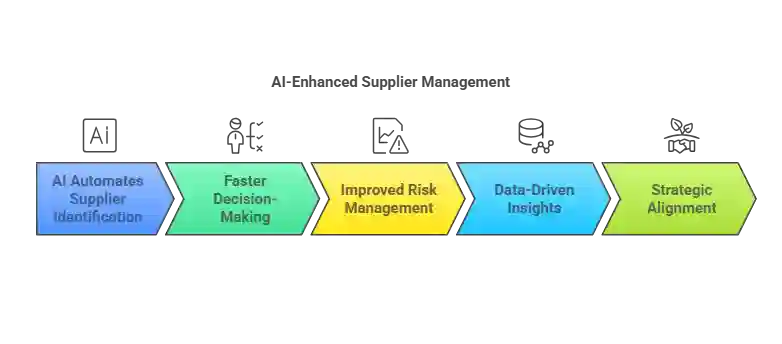
In today’s complex and competitive market, supplier accreditation programs are essential for businesses aiming to build resilient and reliable supply chains. These programs significantly reduce operational risks, streamline due diligence processes, and enhance transparency, fostering trust and robust partnerships with suppliers who meet rigorous industry standards and best practices. In an increasingly interconnected and demanding business landscape, organizations face mounting pressure to ensure their supply chains are not only efficient but also dependable and compliant. Operational risks are on the rise, and regulatory scrutiny is tightening, making supplier accreditation no longer just a competitive advantage, but a fundamental strategic necessity. Accreditation programs provide a framework for businesses to fortify their operations, simplify complex procurement procedures, and cultivate strong, trust-based partnerships anchored in quality and reliability. This article delves into the crucial benefits of supplier accreditation, highlighting its role in mitigating risks, streamlining the often-cumbersome process of due diligence, and fostering essential transparency within supply chains. To illustrate these advantages, we will draw insights from industry experts and explore how organizations like St John Ambulance leverage accreditation for procurement and operational excellence.
Mitigating Risks Through Accreditation
Partnering with accredited suppliers introduces a vital layer of assurance, significantly reducing the potential for operational disruptions and ensuring consistent quality and performance. Suppliers who have successfully navigated an accreditation process demonstrate their adherence to established industry standards, guaranteeing that their products and services consistently meet or exceed expectations. This proactive approach minimizes the likelihood of product failures, project delays, or quality control issues that can cripple operations. Joanne Todd, CIO of St John Ambulance, underscores this benefit, stating, “Choosing an accredited supplier provides certainty and reliability within your supply chain, fundamentally reducing the risk of operational failures and ensuring adherence to best practices.” For organizations like St John Ambulance, where the reliability of equipment and services is directly linked to their life-saving mission, risk mitigation is paramount. Todd elaborates, “The accreditation process provides a guarantee that the products and services we depend on meet the most stringent standards of quality and safety. Working with an accredited supplier also accelerates the onboarding process and allows us to establish a relationship built on initial trust.” Accreditation also empowers businesses to maintain performance visibility across their entire supply chain. This end-to-end traceability ensures consistency from the sourcing of raw materials to the delivery of final products or services. This enhanced transparency not only fosters accountability at every stage but also reduces the probability of unforeseen disruptions originating from any point in the supply chain.

Streamlining Due Diligence Procedures
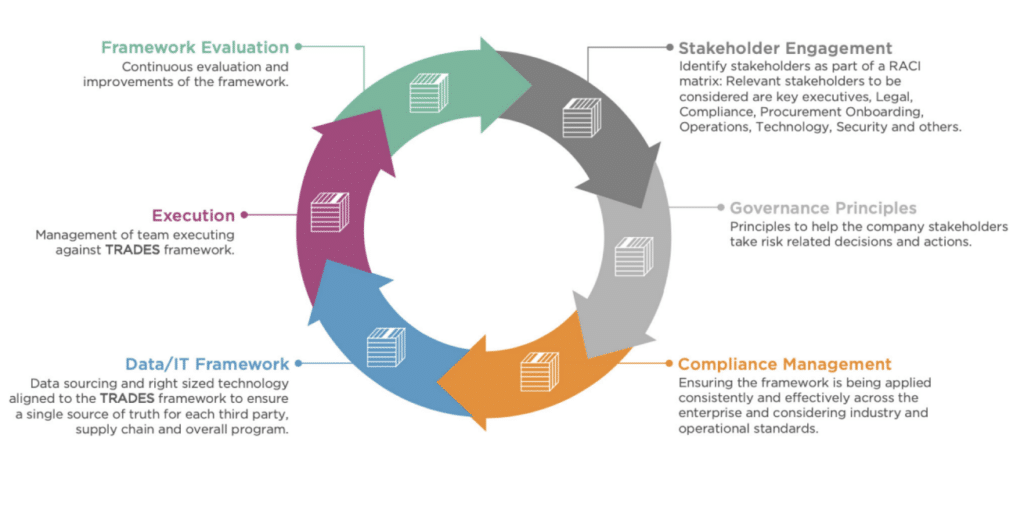
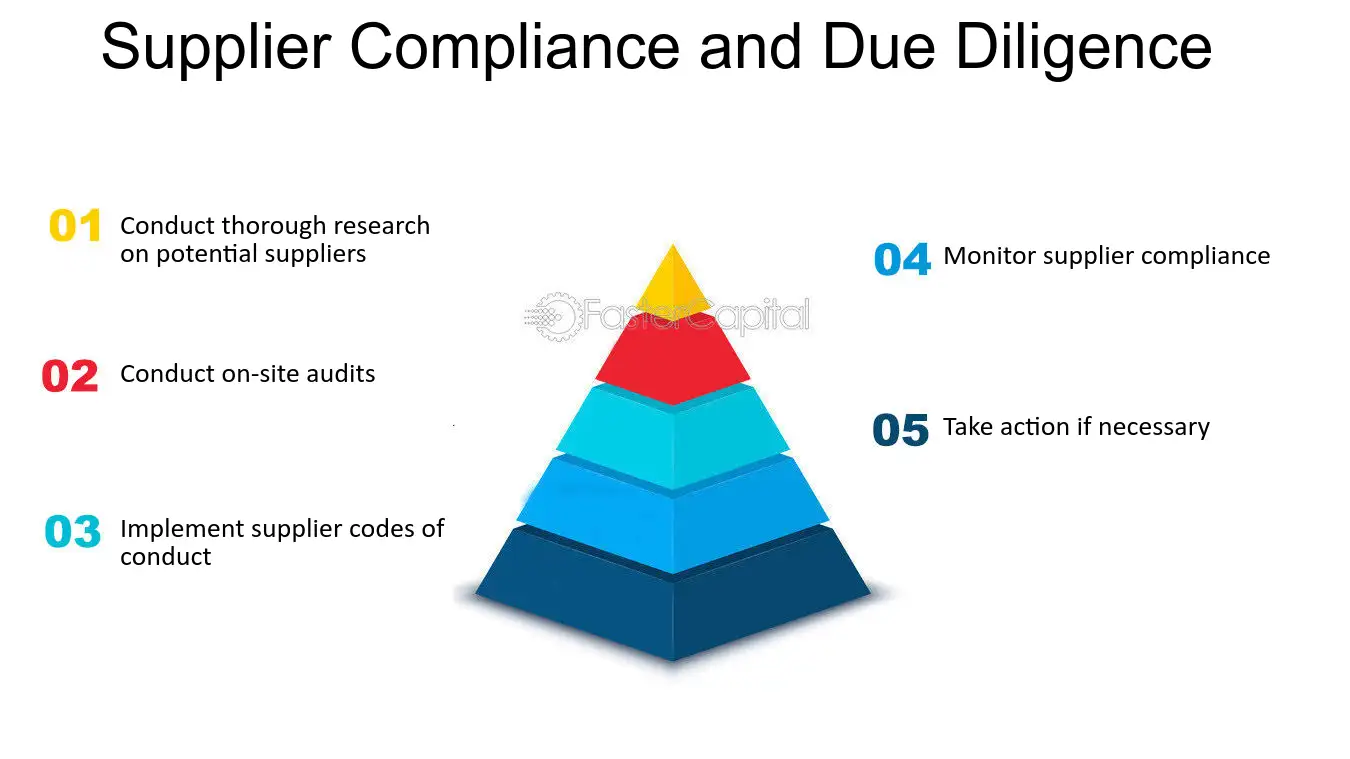
One of the most compelling advantages of supplier accreditation is its capacity to dramatically simplify due diligence processes. The traditional vetting of new suppliers can be an exceptionally time-consuming and resource-intensive undertaking. Accreditation acts as an efficient pre-qualification stage, providing organizations with the confidence that an accredited supplier has already met recognized industry benchmarks and undergone rigorous evaluation. “Supplier accreditation not only makes due diligence far more efficient but also ensures we are partnering with suppliers and brands that have already earned trust,” says Todd. “This allows us to confidently focus our resources on our primary mission.” For St John Ambulance, supplier accreditation is deeply embedded within their procurement strategy. By prioritizing accredited suppliers, they can expedite partner onboarding with significantly fewer concerns about quality, compliance, or ethical considerations. This streamlined efficiency enables them to dedicate more resources to their core objective: delivering critical life-saving services. Todd emphasizes the time sensitivity in their operations: “In today’s fast-paced environment, these assurances are invaluable for maintaining the integrity and efficiency of our operations. Accreditation gives us the confidence to focus more intently on our core mission, with the certainty that our suppliers are dependable partners who align with our organizational values.”
Enhancing Competitive Positioning
Beyond internal process improvements, accreditation significantly enhances a business’s competitiveness in the external marketplace. Accredited suppliers are positioned as trusted partners within intensely competitive markets due to their demonstrable adherence to stringent standards. This distinction is especially critical for businesses seeking to expand into new markets where specific certifications or accreditations may be prerequisites for entry. “Accreditation adds a globally recognized status to your proposals and tender responses, clearly demonstrating a commitment to quality and transparency,” Todd explains. Suppliers holding recognized accreditation possess a distinct competitive advantage, as they not only meet baseline required standards but also undergo continuous assessments that encourage efficiency and cost optimization. “Accreditation provides businesses with a tangible competitive edge by allowing them to demonstrably showcase their adherence to specific, rigorous standards, ensure consistent quality, and offer cost-saving efficiencies derived from ongoing assessment and improvement processes,” she adds. In today’s globalized and interconnected markets, where supply chains are subject to constantly evolving regulations across jurisdictions, accreditation ensures that businesses maintain compliance across multiple operational environments. This not only unlocks new market opportunities but also effectively mitigates the risks associated with non-compliance, enabling organizations to operate smoothly and confidently in diverse global markets.

Fostering Transparency and Trust
At its core, supplier accreditation is about cultivating and reinforcing trust. In an era defined by heightened scrutiny of corporate accountability, accredited suppliers provide a level of transparency that is indispensable for building robust and enduring partnerships. When businesses consciously choose accredited suppliers, they send a clear signal to their own customers and stakeholders that quality, safety, and ethical practices are non-negotiable priorities. “For end consumers, accreditation provides essential confidence in the quality, safety, and reliability of products and services, especially in today’s intricate global marketplace,” Todd states. “Customers can be assured that an accredited supplier has demonstrated proven experience, a verifiable track record, and a certain level of maturity in the services they offer.” In industries like healthcare, where product safety and reliability directly impact human lives, this level of trust becomes absolutely essential. St John Ambulance, with its reliance on accredited suppliers for critical life-saving equipment, views accreditation as a fundamental assurance of both quality and unwavering reliability. “Accreditation also allows us to maintain focus on our core mission, secure in the knowledge that our suppliers are dependable and thoroughly aligned with our values,” Todd concludes.
Industry Certifications as a Mark of Accreditation
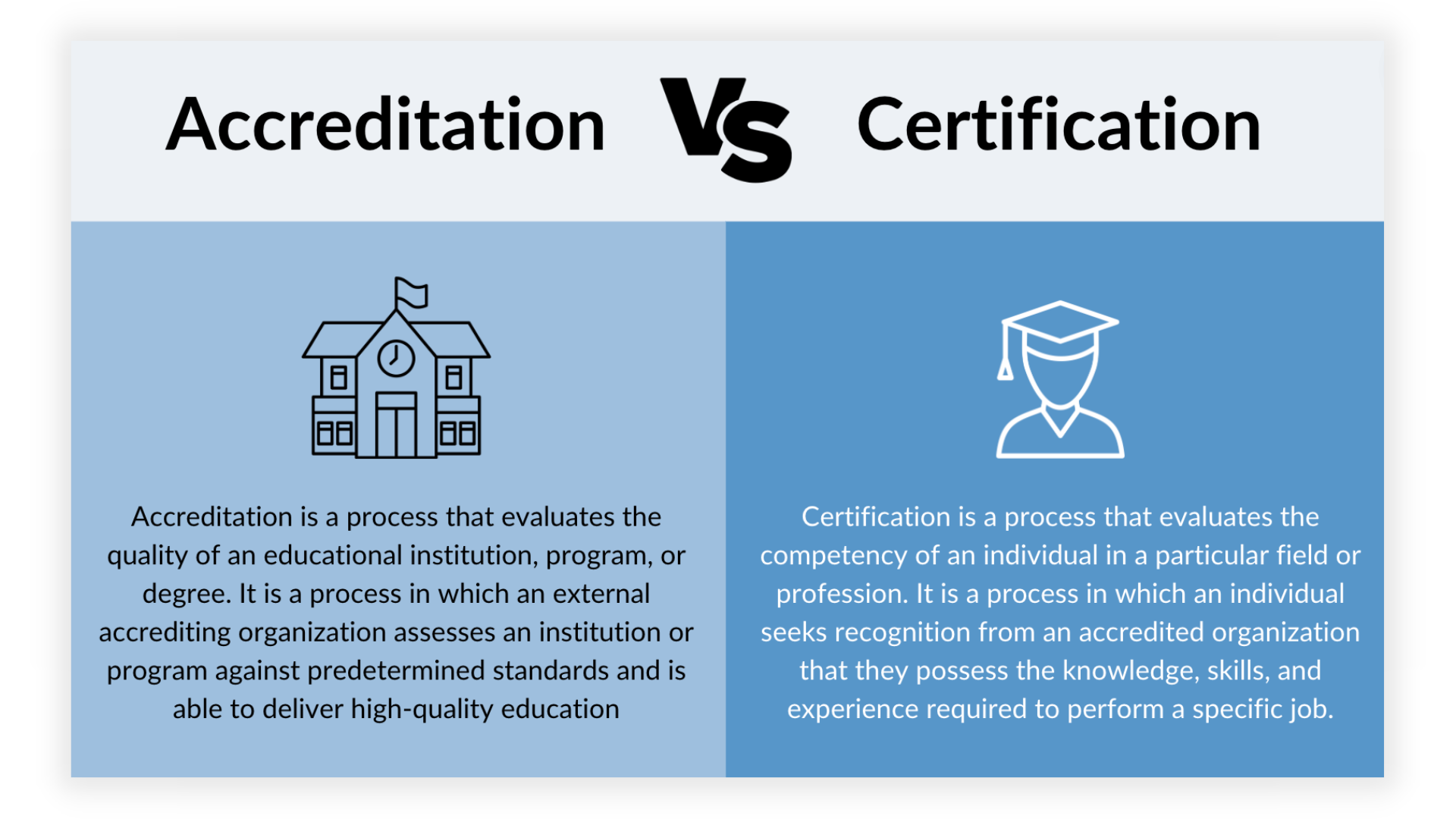
While general accreditation bodies provide broad quality assurance, industry-specific certifications offer deeper validation, tailored to the unique demands of particular sectors. For example, in Supplier Relationship Management (SRM), industry-recognized certifications are emerging as crucial benchmarks for both suppliers and procurement professionals. Organizations like World Commerce & Contracting (WorldCC), formerly IACCM, offer Supplier Relationship Management certifications designed to equip professionals with the knowledge and skills necessary to effectively manage and optimize supplier relationships. These certifications are not merely educational; they represent a commitment to best practices and a deep understanding of the complexities of modern supply chain management. The WorldCC SRM certification program offers various levels, including Practitioner and Advanced Practitioner certifications. These programs cover a comprehensive curriculum, ranging from supplier selection and risk mitigation to performance management and leveraging technology in SRM. They incorporate the latest research and industry trends, ensuring that certified professionals are equipped with the most up-to-date knowledge and skills.

| Feature | Practitioner SRM Certification | Advanced Practitioner SRM Certification |
|---|---|---|
| Duration | 20 Hours | 30 Hours |
| Modules | Self-paced online modules | Self-paced online modules, Masterclasses |
| Masterclasses | Optional | Mandatory (3 minimum) |
| Assessment | Online Examination | Business Case or Reflective Log Submission |
| Focus | Foundational SRM Knowledge | Advanced SRM Skills & Application |
| CPD Points | Up to 50 | Up to 50 |

| Key Learning Areas | SRM Goals, Lifecycle, Working with Suppliers, AI in SRM | All Practitioner areas plus: Skills for Success, Deeper AI insights | These certifications are designed for a global audience and are recognized by businesses worldwide. They offer a flexible learning approach, combining self-paced online modules with live online masterclasses, making them accessible to professionals at different stages in their careers. The curriculum is constantly updated to reflect the evolving landscape of SRM, including emerging trends like the integration of Artificial Intelligence (AI) in supplier relationship management. This ensures certified professionals remain at the forefront of industry best practices and are equipped to drive innovation and efficiency within their organizations’ supply chains.
Trusted Supplier Networks: Beyond Individual Accreditation
While individual supplier accreditation is vital, the concept extends to building trusted supplier networks. These networks are ecosystems of pre-vetted and accredited suppliers that organizations can readily access, saving time and resources in supplier discovery and qualification. Some networks also prioritize supplier diversity, creating opportunities for businesses owned by underrepresented groups. For instance, AIG’s Supplier Diversity Program exemplifies this approach, aiming to foster a more inclusive supply chain by actively partnering with diverse suppliers. Their program includes outreach to Disability-Owned Business Enterprises (DOBE), LGBTQ+-owned businesses, Minority-Owned Business Enterprises (MBE), Women-Owned Business Enterprises (WBE), Service-Disabled Veteran-Owned Business Enterprises (SDVBE), and Veteran-Owned Business Enterprises (VBE). By registering with such programs, diverse businesses gain visibility and potential opportunities within large organizations, contributing to a more robust and equitable supply chain ecosystem.
Conclusion
In today’s turbulent and interconnected global marketplace, supplier accreditation programs are not merely a best practice; they are a strategic imperative for organizations seeking to forge resilient, efficient, and ethical supply chains. By embracing accreditation, businesses can substantially reduce operational risks, streamline complex due diligence processes, and cultivate a culture of transparency and trust with their supplier partners. This proactive approach not only strengthens operational foundations but also significantly enhances competitive positioning and long-term sustainability in an increasingly demanding and competitive environment. As businesses navigate an environment characterized by increasing complexity and uncertainty, supplier accreditation stands as a cornerstone of strategic procurement and supply chain excellence, ensuring that partnerships are built on a foundation of reliability, quality, and mutual trust.