
Is a Steel Coil Strapping Machine Essential for Mexico’s Demanding Steel Production Environments?
When I first started my journey in the packing machine industry, I quickly learned something important. Factory managers like you, especially in a fast-paced place like Mexico, face big problems every day. You have to push for more output, cut down on costs, and make sure everyone is safe. This pressure is real. It often means dealing with slow processes, safety risks, and products getting damaged. These issues can hit your bottom line hard.
A steel coil strapping machine is very important for factories in Mexico because it directly fixes common problems like slow manual packing, high safety risks for workers handling heavy materials, and product damage during movement. This type of machine helps factories meet the tough demands of steel production by making processes faster, safer, and more reliable.
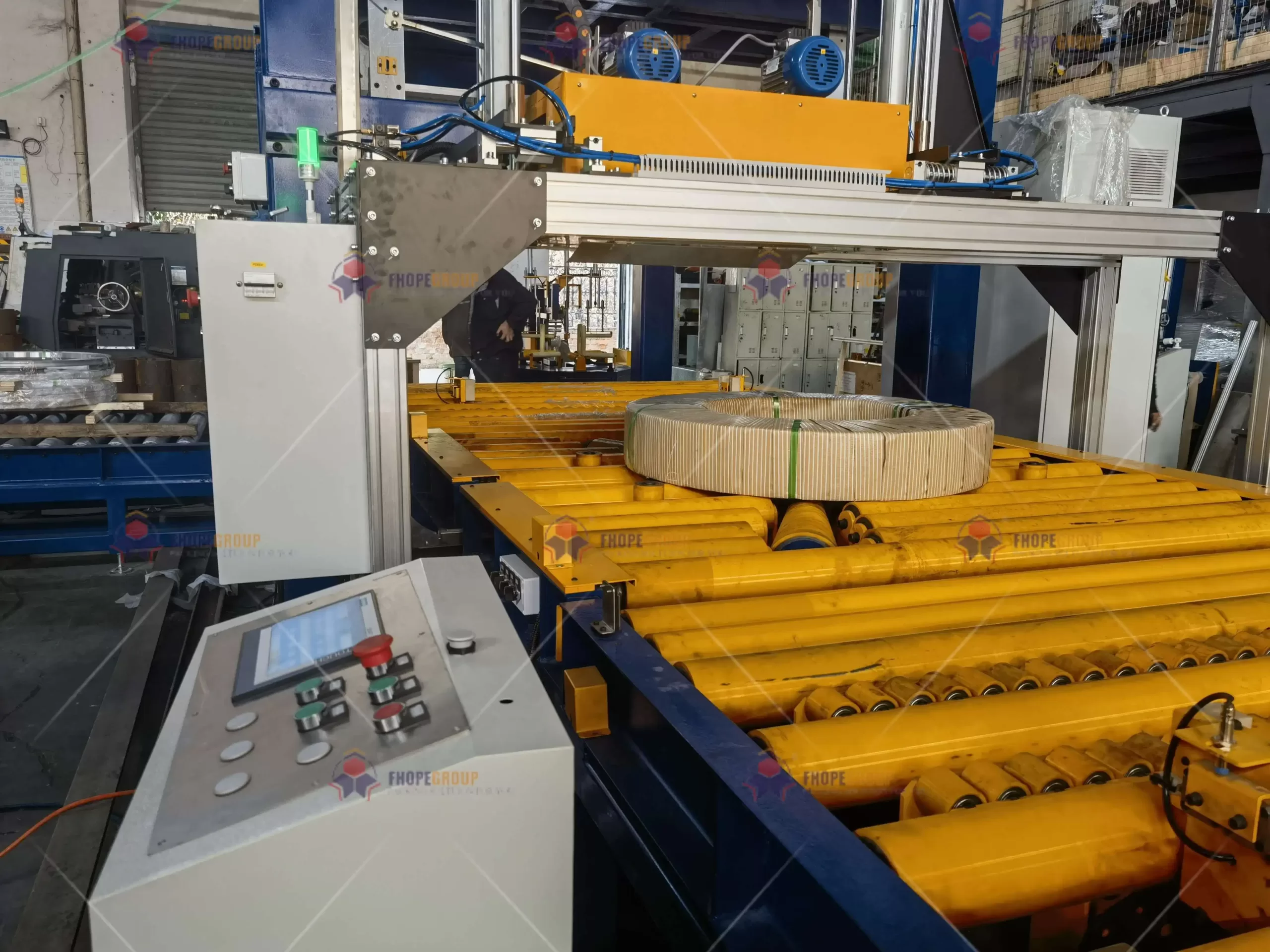
I know these challenges because I lived them, first as an engineer, then as a factory owner myself. You are not just looking for a machine. You want a partner who gets what you are going through. Someone who understands your factory’s pulse. Let us look at how specialized strapping machines can change things for your operations.
Is Manual Steel Coil Strapping Slowing Down Your Mexico Plant?
Have you ever looked at your packing line and felt frustrated by how slow things move? The manual process of strapping steel coils and wires often uses a lot of people. This makes it very slow. It also makes your whole production line and delivery times much slower. It creates a big bottleneck right at the end of your hard work. This can stop you from growing.
Manual steel coil strapping often creates major bottlenecks in Mexican steel plants because it relies heavily on slow human labor, limits overall production speed, and delays customer deliveries. Automated steel coil strapping machines fix this by making the end-of-line process much faster and more efficient.

The problem with manual strapping is not just about speed; it is also about consistency and labor costs. When I was building my own packing machine factory, I learned that small slowdowns add up to big losses. In a busy metal processing plant like yours, every minute counts. Manual processes introduce many variables. These variables affect the final package quality. They also increase the time it takes to get products out the door.
The True Cost of Manual Strapping Bottlenecks
- Lost Production Volume:
Manual strapping sets a hard limit on how many coils you can process per shift. Even if your machines upfront run fast, if packing is slow, you cannot ship more product. This means you lose out on potential sales. It also stops you from meeting high customer demand.
- Impact on Overall Equipment Effectiveness (OEE): Your expensive production machines might be ready to work, but if the packing line is jammed, they sit idle. This lowers your OEE score. It means you are not getting the most from your investment.
- Unmet Delivery Deadlines: Customers want their products on time. Slow packing means delays. Delays can lead to unhappy customers and even lost business. In the competitive steel market, reliability is key.
- High Labor Costs:
- Direct Wages: You need many workers for manual strapping. Their wages add up fast. This is a direct cost to your business. Automated machines reduce this need. They free up your staff for other important tasks.
- Overtime Expenses: When demand goes up, you often pay overtime to finish orders. This makes your labor costs even higher. Automation can handle peak loads without extra labor costs.
- Hiring and Training: Finding and training new staff for physically demanding jobs is costly. It takes time and money. Automated systems need less training. They also have lower turnover rates.
- Inconsistent Quality:
- Varying Tension: Humans cannot apply the same strap tension every time. This means some coils might be too loose. Others might be too tight. This can damage the coil or lead to straps breaking.
- Strap Placement: Manual placement can be inconsistent. This affects how secure the coil is during transport. It also impacts how it looks. A machine places straps exactly the same way every time.
- Increased Rework: If coils are not strapped correctly, you have to redo them. This wastes time and materials. It also adds to your operational costs.
- Meeting Industry Standards: Many industries have strict packing standards. Automated strapping helps you meet these standards easily. It gives a uniform, high-quality pack.








