
Steel Coil Packing Line France: Which Supplier Supports Smart Retrofit Projects?
Operating a steel mill in France means facing constant pressure. You need to keep up with production demands. You must also maintain the highest quality for your products. Obsolete packing lines can hold you back. They cause delays, waste resources, and even lead to customer complaints. This is a common problem I have seen in many places, including France. It causes real headaches for production managers. They need modern solutions.
Finding a supplier who truly understands smart retrofit projects for steel coil packing lines in France is key. These suppliers can upgrade existing systems. They help French steel mills integrate advanced automation and improve efficiency without needing a full overhaul. This means less downtime and better results.

It is not just about buying a new machine. It is about making smart changes to your current setup. This can save you a lot of money and time. It can also boost your output and product quality. Let us look at why these retrofits are so important. We can also explore what makes a good supplier for these complex projects.
Why Do Existing Steel Coil Packing Lines in France Need Smart Retrofits?
Are you still relying on old, outdated packing methods in your French steel mill? This can create a lot of problems. You might be struggling with slow processes and high labor costs. Maybe your packing quality is not consistent. These issues can seriously affect your bottom line and customer satisfaction. I have seen this firsthand in many factories. They struggle to keep up with market demands.
Existing steel coil packing lines in France often need smart retrofits because of aging equipment, labor shortages, and rising customer expectations. Older systems cannot handle diverse product types efficiently. They also struggle to provide consistent, high-quality packaging for export markets. This leads to operational bottlenecks and increased costs.

Dive deeper Paragraph: Many French steel mills started with great packing lines years ago. But technology moves fast. What was once efficient might now be a major bottleneck. I remember one client, not in France but facing similar issues. Their manual strapping process was slow. It caused injuries and inconsistent coil tension. This is a common story. Older lines often cannot keep up with modern production speeds. This means finished coils pile up. Shipping schedules get delayed. You also have to consider the high cost of manual labor. Finding skilled workers for physically demanding packing jobs is harder than ever. Young workers often prefer less strenuous roles. This leads to staff shortages. It also pushes up wages for the available workforce.
Here are some key reasons why smart retrofits are necessary:
-
Aging Equipment and Maintenance Costs:
- Older machines break down more often. This causes unexpected downtime.
- Finding spare parts for old equipment becomes difficult. It also costs more money.
- Maintenance teams spend too much time fixing old problems. They should be working on improving things.
- Old machines use more energy. They are less efficient than modern ones. This adds to operating costs.
-
Labor Shortages and Safety Concerns:
- Packing steel coils is physically demanding. It can be dangerous. This job has a high risk of injury.
- It is hard to find young workers for these jobs. They look for safer and easier work environments.
- Reliance on manual labor means inconsistent packing quality. Human error is always a factor.
- Automation reduces the need for heavy lifting and manual handling. It makes the workplace safer.
-
Increased Product Diversification and Quality Demands:
- Customers now want different packaging for various products. These include cold rolled, galvanized, and color-coated coils.
- Manual adjustments for different coil sizes and weights take too much time. This slows down production.
- Export markets, including those for French products, have strict standards. They need CE/ISO certification, barcodes, and advanced moisture protection.
- Old lines often cannot provide the consistent film tension or secure strapping needed. This can lead to damage during transit. It results in customer complaints and lost business.
-
Desire for Data and Process Optimization:
- Modern factories use data to make better decisions. Old machines do not provide real-time performance data.
- Without data, identifying bottlenecks is hard. Optimizing the packing process is also difficult.
- Smart retrofits allow for integration with factory management systems. This provides valuable insights. It helps improve overall efficiency. It also helps with quality control.
These challenges are not unique to France. I have helped many clients worldwide solve them. A smart retrofit offers a cost-effective path to modernizing. It helps you stay competitive.
What Makes a Steel Coil Packing Line “Smart” for a Retrofit Project?
The term “smart” in a retrofit project means more than just adding a new machine. It means making your packing line think and adapt. It should integrate with your existing setup smoothly. It also needs to deliver real, measurable improvements. Many clients ask me what “smart” really means. It is about efficiency, precision, and data working together.
A “smart” steel coil packing line for a retrofit project involves integrating advanced automation, real-time data monitoring, and flexible packaging capabilities into an existing setup. This includes automated handling, multi-directional wrapping, precise strapping, and intelligent labeling systems. It also features connectivity for diagnostics and predictive maintenance.
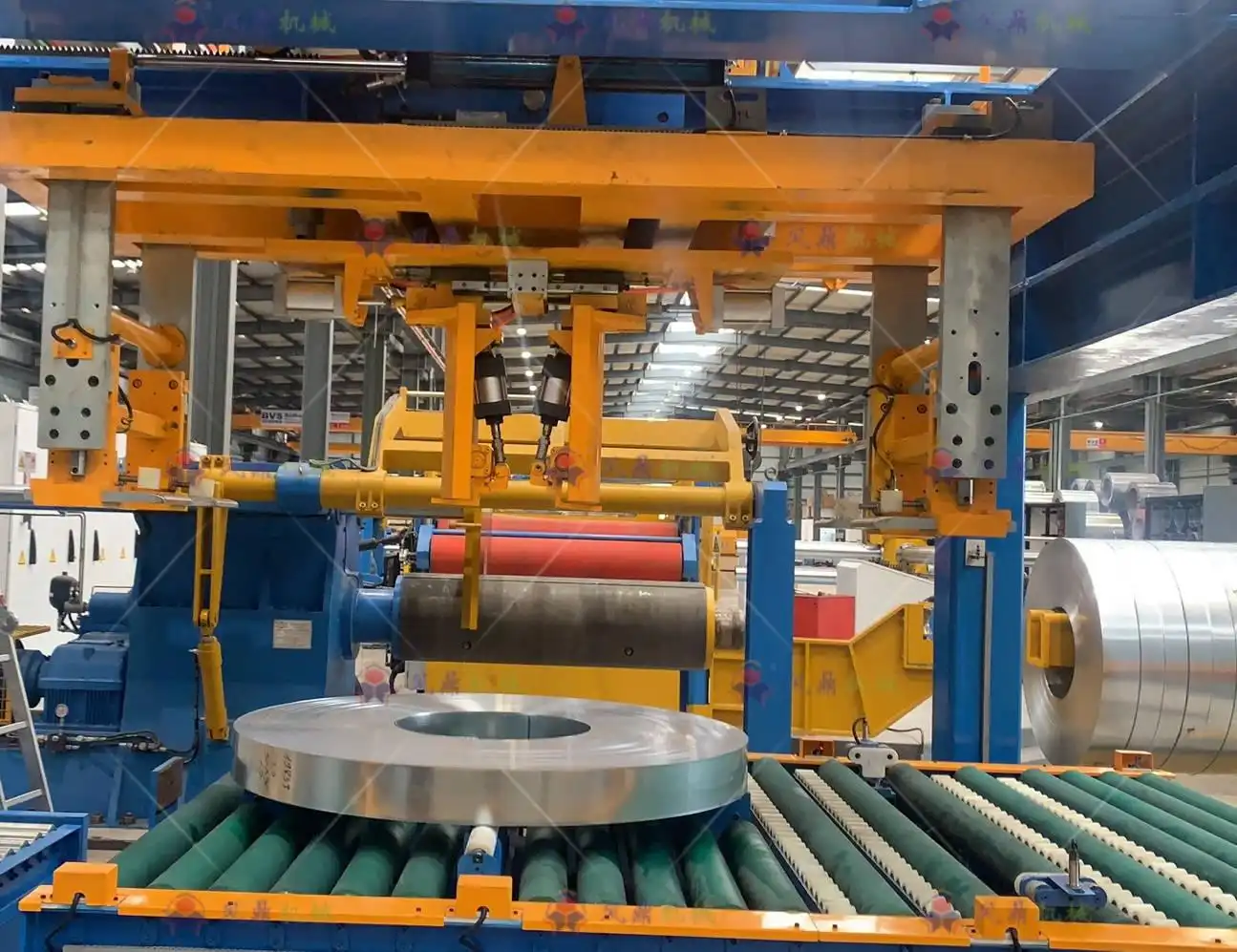
Dive deeper Paragraph: When I talk about “smart,” I am thinking about how technology can solve the real-world problems faced by people like Ivan, a production director. He needs a solution that works 24/7. He needs it to handle different coil sizes and types. This solution must also reduce manual effort and improve safety. A smart retrofit achieves these goals by carefully integrating new components into the existing structure. It is like giving an old car a new engine and a navigation system.
Here are the core components that define a “smart” retrofit for a steel coil packing line:
-
High-Level Automation and Robotics:
- Automated Coil Handling: This includes robotic coil manipulators and transfer cars. They move coils safely. They reduce the need for manual forklifts. This lowers injury risks. It also speeds up the process.
- Hands-Free Strapping: Automatic strapping machines apply PET or steel straps. They do this with consistent tension. They can adapt to different coil sizes without manual adjustment. This ensures secure packaging.
- Advanced Wrapping Systems: Multi-directional wrapping machines apply stretch or shrink film. They ensure full moisture and rust protection. They can switch between different film types automatically. This handles diverse product needs.
-
Integrated Control Systems and Data Analytics:
- Centralized Control: A single HMI (Human Machine Interface) can manage the entire packing process. This simplifies operations. It also reduces human error.
- Real-time Monitoring: Sensors collect data on machine performance. They track packing quality. They also monitor material consumption. This data is available instantly.
- Predictive Maintenance: The system can alert you to potential issues before they cause breakdowns. This reduces unplanned downtime. It helps schedule maintenance efficiently.
- Seamless Integration: The new system connects with existing factory ERP or MES systems. This allows for smooth information flow. It helps with production planning and inventory management.
-
Flexibility and Adaptability:
- Variable Coil Dimensions: The system automatically adjusts for different coil diameters, widths, and weights (e.g., 1-3 tons). This removes manual setup time. It handles mixed production runs easily.
- Diverse Packaging Options: It can handle various packing materials. This includes PET, steel straps, stretch film, shrink film, and VCI paper. It switches between them based on product type or customer order.
- Automatic Labeling and Barcoding: Integrated label applicators print and apply labels automatically. This ensures accurate product identification. It meets export standards for traceability.
-
Enhanced Safety and Ergonomics:
- Safety Interlocks: Modern systems include safety gates and emergency stops. They protect operators.
- Reduced Manual Intervention: Less human interaction with heavy machinery means fewer accidents. It also means less strain on workers.
- Ergonomic Design: Workstations are designed for comfort and efficiency where manual tasks are still needed.
A smart retrofit addresses the challenges of today’s steel industry. It provides a pathway to more efficient, safer, and higher-quality packing operations for French mills.
How Can a Supplier Ensure a Successful Smart Retrofit Project for French Steel Mills?
Choosing the right supplier for a smart retrofit project in France is extremely important. It is not just about who has the best machines. It is about who can be a true partner. This partner must understand your specific needs. They must also guide you through the entire process. I have learned over the years that trust and experience are key. A good supplier makes the whole journey smooth.
A supplier ensures a successful smart retrofit project for French steel mills by offering a comprehensive, tailor-made approach. This includes detailed site assessments, customized engineering designs, professional installation, thorough operator training, and reliable long-term after-sales support. They act as a true partner from start to finish.

Dive deeper Paragraph: When I started FHOPEPACK, my goal was always to provide solutions, not just sell machines. This approach is critical for complex projects like smart retrofits. A successful project requires more than just good equipment. It needs a supplier who can handle all aspects. This includes understanding the existing setup, integrating new technology, and supporting the system long-term. For a French steel mill looking for a retrofit, this means finding a supplier with proven expertise and a client-focused approach.
Here is how a dedicated supplier ensures project success:
-
In-depth Needs Assessment and Site Survey:
- Understanding Current Challenges: The supplier must take time to learn about your specific pain points. They need to know your current production volumes and future goals. This means listening carefully to production directors like Ivan.
- Detailed Site Analysis: They physically inspect your existing packing line layout. They check space constraints, power availability, and integration points. This ensures the proposed solution fits perfectly.
- Feasibility Study: They evaluate the technical and economic viability of the retrofit. This helps you make informed decisions.
-
Customized Engineering and Design:
- Tailored Solutions: No two steel mills are exactly alike. A good supplier designs a system specifically for your unique requirements. This includes coil sizes, packing materials, and automation levels.
- Integration Planning: They create detailed plans for how new components will connect with your existing machinery. This minimizes disruption.
- 3D Modeling and Simulation: Using advanced software, they can visualize the new setup. They can also simulate its operation. This helps identify and resolve potential issues early.
-
Professional Manufacturing and Installation:
- High-Quality Production: The supplier manufactures the new equipment using durable materials and proven technology. This ensures reliability.
- Expert Installation Team: Their skilled technicians handle the installation. They ensure it is done safely and correctly. They follow all local regulations and standards.
- Minimal Downtime: They plan the installation to cause the least possible interruption to your production schedule. This might involve phased implementation.
-
Comprehensive Training and Commissioning:
- Operator Training: Your staff receives thorough training on how to operate and maintain the new system. This includes safety protocols. It ensures your team can use the new equipment effectively.
- Maintenance Training: Your technical team learns how to perform routine maintenance. They also learn how to troubleshoot common issues. This helps ensure long-term performance.
- System Commissioning: The supplier tests the entire integrated system. They make sure it performs as expected. They optimize settings for peak efficiency.
-
Long-Term After-Sales Support and Partnership:
- Responsive Technical Support: You get quick access to technical help when you need it. This could be remote or on-site support.
- Spare Parts Availability: The supplier ensures easy access to spare parts. This helps prevent long downtimes if a component needs replacing.
- Regular Maintenance Services: They offer service contracts for preventive maintenance. This keeps your system running at its best.
- Continuous Improvement: A true partner provides ongoing advice. They suggest upgrades as new technologies become available. This helps your mill stay ahead.
By following these steps, a reliable supplier builds a strong partnership. They deliver a retrofit project that truly adds value to your French steel mill.
Which Key Features Should French Steel Mills Look for in a Retrofit Solution Provider?
When you are looking for a partner for a smart retrofit project in France, you have many choices. It is important to know what truly matters. Not all suppliers are equal. Some just sell machines. Others offer real solutions and support. I believe in looking beyond the price tag. You must consider the long-term benefits and reliability.
French steel mills should look for a retrofit solution provider with a proven track record in complex industrial automation. Key features include deep industry expertise, a strong focus on customization, robust after-sales support, and a commitment to safety and quality standards (like CE/ISO). They must also demonstrate financial stability and offer comprehensive training.
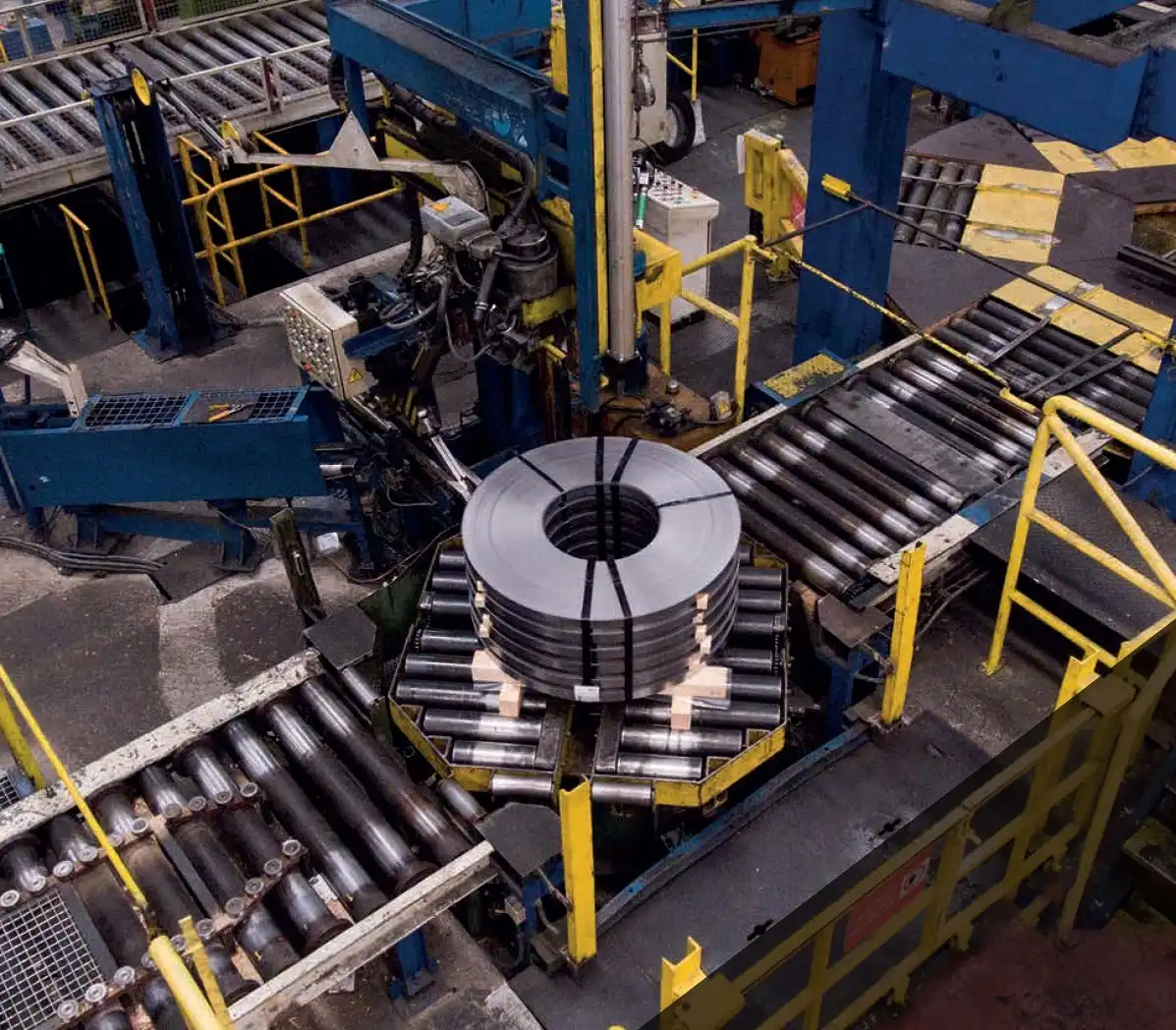
Dive deeper Paragraph: My journey in the packing machine industry has taught me a lot about what makes a good supplier. I started as an employee, then built my own successful factory. This gave me insights from both sides. When I work with clients, I emphasize finding a partner who genuinely understands their business. For a French steel mill looking to upgrade its coil packing line, this means choosing a supplier who not only sells equipment but also delivers a complete, reliable, and sustainable solution.
Here are the essential features to prioritize when selecting a retrofit solution provider:
-
Proven Industry Expertise and Track Record:
- Specialization: Choose a supplier who specializes in steel coil packing and handling. They understand the unique challenges of heavy industry.
- References and Case Studies: Ask for examples of similar retrofit projects. Look for success stories in a heavy industrial setting. Contact their past clients to verify their performance.
- Long History: A company with many years in the industry often means more experience and stability.
-
Commitment to Customization and Flexibility:
- Tailored Solutions: The supplier must be willing and able to design a system that fits your existing space and production flow. It should not be a one-size-fits-all approach.
- Adaptability: The proposed solution should handle various coil types, sizes, and packing material requirements. This is crucial for diverse product lines.
- Scalability: Can the system be expanded or modified in the future if your needs change? This protects your investment.
-
Robust After-Sales Support and Spare Parts:
- Local or Regional Support: For a French mill, having access to quick support is critical. This could mean local technicians or a rapid response team.
- Guaranteed Spare Parts: Ensure the supplier can provide spare parts quickly for the lifetime of the machine. This prevents extended downtime.
- Service Contracts: Look for comprehensive maintenance and support plans to keep your system running optimally.
-
Adherence to Quality, Safety, and International Standards:
- Certifications: The supplier’s equipment and processes should meet relevant international standards like CE, ISO, and local French safety regulations. This is vital for export markets and worker safety.
- Quality Components: Inquire about the origin and quality of components used in their machines. Reliability comes from good parts.
- Safety Features: The retrofit design must prioritize operator safety. It should reduce human interaction with dangerous parts.
-
Comprehensive Training and Documentation:
- Detailed Manuals: The supplier should provide clear, easy-to-understand operation and maintenance manuals in relevant languages.
- On-site Training: Ensure they offer hands-on training for your operators and maintenance staff. This is essential for smooth adoption of new technology.
- Ongoing Education: A good partner offers refresher training or updates as needed.
-
Financial Stability and Long-Term Vision:
- Company Strength: Choose a financially stable company. They are more likely to be around for long-term support.
- R&D Investment: A supplier who invests in research and development is likely to offer cutting-edge solutions. They will help you stay competitive.
By focusing on these key features, French steel mills can select a supplier that will deliver a successful smart retrofit. This will improve their packing operations for years to come.
Conclusion
Smart retrofits are crucial for French steel mills to modernize their coil packing lines. They help address aging equipment, labor shortages, and rising quality demands. A strong supplier partner offers customized solutions, expert installation, and full training. They also provide robust after-sales support. This ensures a successful upgrade, enhancing efficiency, safety, and product quality for your coil packing line and securing long-term competitiveness.








