
Steel Coil Packaging Line vs Traditional Strapping Machine — What Delivers Better ROI?
Every day, steel mills worldwide face a crucial decision: how to package their valuable steel coils. This choice directly impacts efficiency, product quality, and ultimately, your company’s profitability. Many still rely on traditional strapping methods. They believe it is cost-effective. However, this approach often hides significant challenges. It can lead to bottlenecks, inconsistent quality, and even safety risks. As a seasoned engineer who built FHOPEPACK, I have seen these problems firsthand. I understand the pressure production directors like Ivan Petrov face. They need reliable solutions to ensure smooth operations and satisfied customers. (steel coil packaging challenges, traditional strapping limitations)
The short answer is clear. An advanced automatic steel coil packaging line generally offers a superior Return on Investment (ROI) compared to traditional manual or semi-automatic strapping machines. While the upfront investment for a full packaging line is higher, its benefits—including increased efficiency, improved safety, consistent quality, and reduced labor costs—lead to significant long-term savings and operational advantages that manual strapping cannot match. This makes it a smarter strategic choice for modern steel production. (automated packaging ROI, long-term savings)
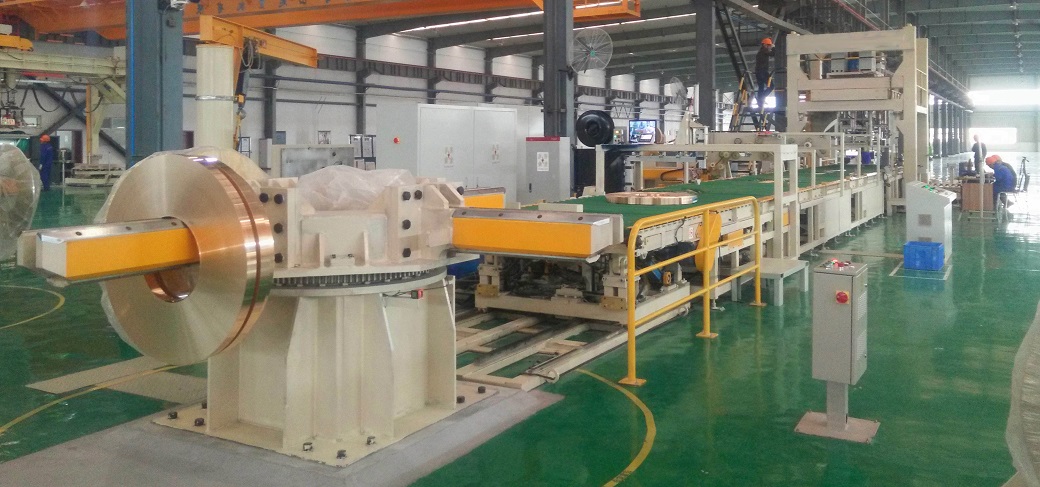
Making the right packaging choice requires a deeper look than just the initial price tag. We must consider the full picture of your operations. This includes daily output, labor availability, and customer expectations. This article will help you understand the real differences. We will explore how each option affects your bottom line and operational success. (packaging line comparison, operational efficiency)
Traditional Steel Coil Strapping: What Are the Hidden Costs and Challenges?
For years, traditional strapping methods, often involving manual or semi-automatic machines, have been common in steel mills. People see them as straightforward and inexpensive. However, this perspective often overlooks a range of hidden costs and significant operational challenges. I have observed many factories, including one client in Russia, facing these exact issues. They struggled with high labor turnover and inconsistent packaging quality. These problems eventually hurt their reputation. They also increased their operational expenses. (manual strapping hidden costs, steel mill operational challenges)
Traditional steel coil strapping methods carry hidden costs and challenges. These include high labor dependency, inconsistent packaging quality, increased safety risks, and limited adaptability to diverse product requirements. These factors often lead to higher overall operational expenses and potential financial penalties despite a lower initial equipment cost. (manual strapping disadvantages, operational expenses)
1. High Labor Dependency and Costs 💰
- Intensive Labor: Traditional strapping requires many workers. They manually position coils, feed straps, and sometimes even tension them. This involves heavy lifting and repetitive tasks.
- Labor Shortages: Finding and keeping skilled workers for such demanding jobs is hard. Many younger workers do not want these roles. This leads to high turnover and staffing issues. My experience showed that a lack of trained staff often meant production slowed down.
- Increased Wages and Benefits: More workers mean higher payroll, benefits, and training costs. These expenses add up significantly over time. They often outweigh the savings from a cheaper machine.
- Worker Fatigue and Errors: Manual tasks cause fatigue. Tired workers make more mistakes. These can lead to loose straps, damaged coils, or even safety incidents.
- Calculation: If you have five workers per shift for strapping, working two shifts, that is ten salaries. Over a year, this is a massive cost. It far exceeds the investment in automation. (labor costs strapping, manual packaging labor)
2. Inconsistent Packaging Quality and Risks 📉
- Variable Tension: Human operators apply strap tension by feel. This leads to inconsistent tension. Some straps are too loose, others too tight. Loose straps can allow coils to shift during transport. Tight ones can damage edges.
- Lack of Standardization: Different operators have different techniques. This means packaging quality varies from one coil to the next. It makes it hard to meet strict customer standards, especially for export. My clients needing CE/ISO certification found this a major hurdle.
- Moisture and Rust Protection: Manual wrapping for moisture protection is often incomplete. Gaps or uneven coverage can let moisture in. This causes rust and product degradation. This is critical for galvanized and color-coated coils.
- Customer Complaints and Penalties: Poor packaging leads to customer complaints. It can result in returned goods, rework, and even contract penalties. These directly impact your revenue and reputation. (inconsistent packaging quality, product damage risks)
3. Safety Hazards and Compliance Issues 🚨
- Manual Handling: Workers manually handle heavy straps and position them around large coils. This creates risks for back injuries, cuts, and crush injuries.
- Coil Instability: Manually turning or repositioning coils for strapping also poses safety threats. If a coil is not properly secured, it can fall. This endangers workers nearby.
- Accident Costs: Workplace accidents are expensive. They involve medical costs, lost work time, and potential legal fees. They also hurt morale. I always emphasize safety. This is a key reason I developed advanced systems at FHOPEPACK.
- Regulatory Compliance: Meeting modern safety regulations is hard with manual processes. Automation helps achieve a safer work environment. This ensures compliance.
- Insurance Premiums: A history of workplace accidents can increase your insurance premiums. This adds another hidden cost. (worker safety strapping, workplace accident costs)
4. Limited Adaptability and Throughput 🐢
- Product Diversity: Steel mills produce various coils. These include cold-rolled, galvanized, and color-coated. They have different sizes, weights, and packaging needs. Manual systems struggle to adapt quickly. Switching between requirements is slow and complex.
- Low Throughput: Manual processes are inherently slower than automated ones. This limits your daily output. It creates bottlenecks in the production line. If your mill produces hundreds of tons daily, manual strapping becomes a major choke point.
- Scalability Issues: As your production grows, manual strapping cannot keep up. You need more workers or more machines. This increases complexity and costs. An automated system scales better with demand.
- Modern Demands: Export customers often require specific barcodes, labels, and robust moisture barriers. Manual systems find it difficult to apply these consistently and efficiently. (steel coil versatility, production bottlenecks)
Unpacking the Automated Steel Coil Packaging Line: What Benefits Does It Offer?
An automated steel coil packaging line is much more than just a machine. It is a comprehensive system designed to handle the entire packaging process. From coil handling to final strapping and wrapping, it integrates multiple functions. This solution directly addresses the challenges faced by production directors like Ivan Petrov. It provides reliability, consistency, and efficiency. From my perspective at FHOPEPACK, we design these lines to be seamless extensions of your production. They aim to reduce manual intervention and enhance overall performance. (automated coil packaging benefits, integrated packing solutions)
An automated steel coil packaging line offers a multitude of benefits over traditional methods. It delivers enhanced efficiency through high-speed processing, ensures superior and consistent packaging quality, drastically improves workplace safety by reducing manual intervention, and provides significant cost savings by optimizing labor and material use. This integrated solution is designed to meet diverse product specifications and international standards. (automatic packaging advantages, production optimization)
1. Enhanced Efficiency and Throughput 🚀
- High-Speed Operation: Automated lines work continuously and quickly. They handle multiple coils per hour. This significantly boosts your overall packaging capacity. It eliminates bottlenecks.
- Continuous Flow: These systems integrate smoothly with existing production lines. They ensure a steady flow of finished products. This means no more waiting for manual operations to catch up.
- Reduced Cycle Time: Each coil is processed much faster. This leads to a higher output volume daily. My clients report dramatic increases in their daily shipment capabilities. For example, a fully automated FHOPEPACK line can process 30-60 coils per hour, far surpassing manual methods.
- 24/7 Reliability: Automated machines are built for continuous operation. They can run two or even three shifts without stopping. This ensures maximum productivity around the clock, which is crucial for busy steel mills.
- Eliminating Bottlenecks: By automating the packaging step, you remove a major choke point in your production. This allows your upstream processes to operate at full capacity. (automated efficiency, high volume packaging)
2. Superior and Consistent Packaging Quality ✅
- Precision Strapping and Wrapping: Automated systems apply straps and films with precise tension and placement. This ensures consistent quality for every coil. It meets even the most stringent specifications.
- Multi-Layer Protection: These lines can combine various packaging materials. This includes PET or steel strapping, stretch film, and VCI paper. This creates robust protection against moisture, rust, and physical damage.
- Automatic Labeling and Barcoding: Integrated systems can automatically apply labels and barcodes. This ensures accuracy and traceability. It meets export requirements like CE/ISO certification.
- Adaptability to Diversity: Advanced lines can quickly adjust to different coil diameters, widths, and weights (1-3 tons). They handle various product types, such as cold-rolled, galvanized, and color-coated coils. This flexibility is key for modern mills.
- Reduced Material Waste: Precise application minimizes material overlap and waste. This saves on packaging material costs over time. (consistent packaging quality, multi-layer protection)
3. Drastically Improved Safety and Ergonomics ⛑️
- Minimal Manual Intervention: Workers are no longer involved in heavy lifting or dangerous strapping tasks. This greatly reduces the risk of injuries.
- Automated Handling: Coils are automatically conveyed, turned, and positioned. This eliminates the need for manual crane operations near packaging zones. It prevents crush injuries and strains.
- Controlled Environment: The packaging process happens within a controlled, guarded area. This keeps workers safe from moving parts and heavy loads. Safety features like light curtains and emergency stops are standard.
- Lower Insurance Premiums: A safer workplace often leads to lower insurance costs. This is a direct financial benefit.
- Better Worker Morale: Removing hazardous and repetitive tasks improves job satisfaction. Workers can focus on supervision and maintenance. (automated safety, reduced workplace injuries)
4. Significant Cost Savings and Resource Optimization 💲
- Reduced Labor Costs: One automated line can do the work of several manual operators. This significantly lowers your payroll expenses over the long term.
- Optimized Material Use: Precise application of straps and films reduces waste. This helps save money on packaging materials.
- Less Product Damage: Consistent, high-quality packaging protects coils better. This leads to fewer damaged goods, returns, and customer claims.
- Energy Efficiency: Modern machines are designed to be energy-efficient. They reduce operational power consumption.
- Increased Asset Utilization: Faster packaging means quicker turnaround for products. This improves the overall utilization of your production assets. (cost reduction packaging, material optimization)
Calculating Your Return: How Does Automation Impact Your Bottom Line?
The decision to invest in an automated steel coil packaging line is a strategic one. It goes beyond the initial purchase price. The true value lies in its Return on Investment (ROI). This means looking at how quickly the system pays for itself through cost savings and increased revenue. Many of my clients, when they first consider FHOPEPACK solutions, focus only on the upfront cost. However, I always guide them to see the bigger picture. We calculate the tangible and intangible benefits over the machine’s lifespan. (packaging automation ROI, financial impact of automation)
Calculating ROI for an automated steel coil packaging line involves assessing direct cost savings from reduced labor and material waste, alongside indirect benefits like improved product quality, enhanced safety, and increased production throughput. While the initial investment is higher, the long-term operational efficiencies and reduced liabilities typically lead to a payback period of 1-3 years, making it a highly profitable upgrade for steel mills. (ROI calculation packaging, operational efficiency gains)
1. The Payback Period: When Does It Pay for Itself? ⏱️
- Understanding Payback: The payback period is the time it takes for the investment’s cumulative cash inflows to equal the initial cash outflow. For packaging lines, this is often 1-3 years.
- Key Factors: Payback depends on your current labor costs, current material waste, and the volume of coils you process. A higher volume and higher labor costs accelerate the payback.
- Example Calculation (Simplified):
- Initial Investment: $200,000 (for a medium-sized automated line)
- Annual Labor Savings: $100,000 (reducing 3-4 operators per shift)
- Annual Material Savings: $15,000 (due to optimized usage)
- Annual Savings from Reduced Damage/Complaints: $20,000
- Total Annual Savings: $135,000
- Payback Period: $200,000 / $135,000 = ~1.48 years.
- Factors to Include: Don’t forget to include reduced utility costs (less lighting/heating for fewer workers), decreased injury costs, and improved customer retention. These add to the savings. (packaging machine payback, investment return)








