
Why Is Southeast Asia Driving the Demand for Automatic Coil Packing Machines?
The manufacturing landscape in Southeast Asia is changing rapidly, pushing industries to rethink their traditional methods. Many factory managers, like Jose, face constant pressure to boost output, cut costs, and ensure safety. This situation often leaves them wondering how to keep up with global competition while battling outdated processes. I have seen this challenge many times in my career, from my early days on the factory floor to leading FHOPEPACK. The truth is, manual packing methods simply can’t keep pace with today’s demands, and this is especially true for the growing coil and wire industries in Southeast Asia.
The rising industrialization and economic growth across Southeast Asia are major forces behind the increasing need for automatic coil packing machines, as manufacturers in the region strive for greater efficiency, improved safety standards, and reduced operational costs to stay competitive in the global market. Countries like Vietnam, Indonesia, and Thailand are experiencing significant expansion in their steel, metal processing, and wire manufacturing sectors, leading to a direct surge in the requirement for advanced, automated packaging solutions to handle increasing production volumes and diverse product specifications.

If you are a manager facing these pressures, you understand that sticking with old ways means falling behind. You need solutions that not only solve current problems but also prepare you for future growth. Let’s explore why this region is so crucial and what these machines truly offer. I am here to share my insights from years of experience in the packing machine industry, guiding you through the shift towards smarter, more productive operations.
1. Why is Southeast Asia driving the demand for automatic coil packing machines?
The economic dynamism of Southeast Asia is undeniable. With booming populations and growing economies, the region has become a manufacturing hub. This growth directly translates into a higher output of goods that require efficient packing, especially in the metal and wire industries. Yet, this rapid expansion also brings its own set of challenges, particularly when it comes to keeping up with production without compromising quality or safety. Managers like Jose are under immense pressure to find solutions that streamline their operations.
Southeast Asia’s robust industrial expansion, driven by significant investments in infrastructure and manufacturing, has created an urgent need for advanced automatic coil packing machines to process the growing output of steel coils, wire rods, and other metal products efficiently. This regional growth, supported by favorable government policies and a burgeoning consumer market, compels local manufacturers to upgrade their packaging lines from labor-intensive manual processes to high-speed, automated systems, ensuring they meet both domestic and international market demands for quality and quick delivery.
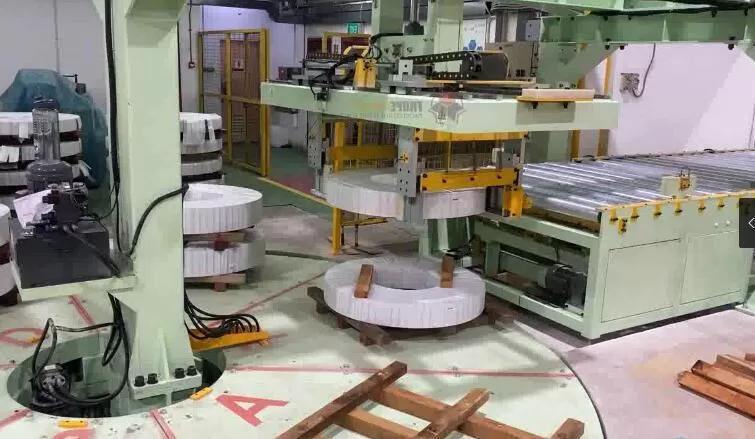
When I first started in this industry, manual labor was the norm. We relied on strong backs and skilled hands. But times have changed. The sheer volume of production in places like Vietnam and Indonesia makes manual packing simply unsustainable. Manufacturers need solutions that offer speed, consistency, and reliability. This is where automatic coil packing comes in. The regional demand is not just about keeping up; it’s about setting new benchmarks for productivity and competitiveness. (Southeast Asia industrial growth, automatic packaging solutions, metal industry expansion)
Regional Growth Factors Fueling Automation Needs
The demand for automatic coil packing machines in Southeast Asia is not just a trend; it’s a direct response to fundamental economic shifts and industrial development within the region. I’ve seen how these factors play out on the ground, creating a clear and urgent need for automation.
-
Booming Manufacturing Sector: The region has seen massive foreign direct investment in manufacturing. Countries are becoming key players in global supply chains for steel, automotive, electronics, and construction. This means more factories, more production, and crucially, more products like steel coils and wire rods that need efficient packaging.
- 📈 Increased Production Volume: As production capacity expands, manual packing becomes a bottleneck. Automated systems are essential to handle the sheer volume without sacrificing speed or consistency.
- 🏭 Diversification of Products: Modern factories produce a wider range of coil sizes and types. Automation offers the flexibility to switch between different specifications quickly, a key advantage for meeting diverse market needs.
-
Labor Market Dynamics: While labor costs in Southeast Asia are generally lower than in Western countries, they are steadily rising. More importantly, finding skilled labor willing to do physically demanding packing jobs is becoming harder. Factories are also increasingly focused on worker safety.
- 👷 Rising Labor Costs: Wage inflation reduces the cost-saving advantage of manual labor. Investing in automation provides a long-term solution to mitigate rising operational expenses.
- 🤕 Safety Concerns: Manual handling of heavy coils is dangerous. Injuries are common, leading to high insurance costs, worker absenteeism, and high turnover rates. Automation removes workers from hazardous environments, significantly improving workplace safety.
- ⚙️ Skill Shortages: There’s a growing need for workers with technical skills to operate and maintain advanced machinery, rather than perform repetitive manual tasks. Automation allows for better allocation of human resources.
-
Global Competitiveness: To compete on the international stage, manufacturers in Southeast Asia must meet global standards for product quality, delivery times, and efficiency. Automated packing ensures consistent quality and faster throughput.
- 🌍 Meeting Export Demands: Products destined for export markets require high-quality, secure packaging to prevent damage during transit. Automated systems provide uniform and robust packaging.
- ⏱️ Faster Lead Times: Automation dramatically cuts down packing time, enabling factories to fulfill orders more quickly and reduce lead times, a critical factor for competitive advantage.
-
Infrastructure Development: Many Southeast Asian nations are investing heavily in infrastructure, including new roads, ports, and industrial zones. This further stimulates demand for construction materials, including steel and metal products, directly boosting the need for efficient handling and packaging.
- 🏗️ Construction Boom: The demand for steel coils for construction projects (e.g., rebar, structural steel) is directly tied to infrastructure growth, translating into more coils requiring packing.
- 📦 Logistics Efficiency: Better infrastructure also supports more efficient supply chains, making it even more important to have quick and reliable packing processes at the manufacturing end to capitalize on these improvements.
This combination of economic growth, evolving labor markets, the drive for global competitiveness, and infrastructure development forms a powerful argument for the widespread adoption of automatic coil packing machines across Southeast Asia. I’ve witnessed how these changes are pushing factories to innovate, and automation is often the critical next step. (Southeast Asia manufacturing, industrial automation, labor efficiency, global trade)
2. How do automatic coil packing machines address common operational challenges in Southeast Asia?
Factory managers in Southeast Asia frequently grapple with a range of operational hurdles, from slow production lines to worker safety issues. These problems are not unique, but in a rapidly expanding industrial landscape, they can severely hinder growth and profitability. My experience has shown me that the right technology can turn these challenges into opportunities. Automated coil packing machines are not just about speed; they are comprehensive solutions designed to tackle these very real pain points that many factories face daily.
Automatic coil packing machines directly solve critical operational challenges prevalent in Southeast Asia, such as efficiency bottlenecks caused by manual processes, high safety risks associated with handling heavy materials, and significant product damage during traditional packing. By implementing these automated systems, manufacturers can achieve consistent, high-speed packaging, reduce the incidence of worker injuries, minimize product loss from mishandling, and thereby enhance overall operational effectiveness and cost-efficiency in their coil and wire production facilities.
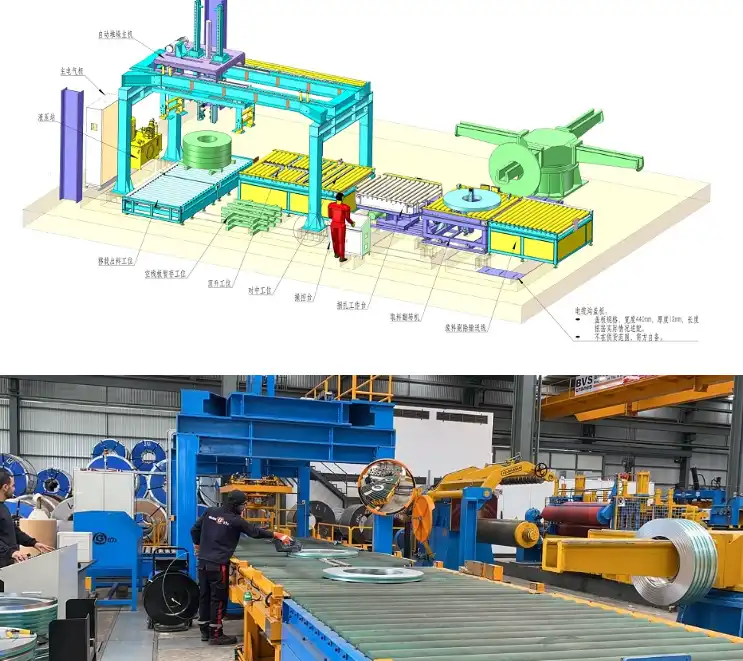
Think about Jose’s daily struggles: slow processes, safety hazards, damaged products, and a lack of trust in suppliers. These are not minor issues; they impact the bottom line and worker morale. When I started FHOPEPACK, my goal was to provide solutions that genuinely help businesses thrive, not just sell them a machine. Automatic coil packing technology is a perfect example of how strategic investment can address these core problems head-on, delivering tangible improvements in performance and safety. (operational challenges, automated packing solutions, factory safety improvement)
Solving Key Operational Problems with Automation
The shift to automatic coil packing isn’t just about adopting new technology; it’s about strategically solving the most pressing problems in a factory. Let’s look at how these machines tackle the challenges that keep factory managers awake at night.
| Challenge | Manual Process Implications | Automatic Coil Packing Solution | Benefits to Operations |
|---|---|---|---|
| 🐢 Efficiency Bottleneck | Slow packing speeds, reliance on multiple workers, inconsistent output. | High-Speed Processing: Machines can pack coils in minutes, significantly faster than manual methods. ⚡️ Continuous Operation: Designed for 24/7 use, maintaining consistent output without fatigue. 🔄 Integrated Flow: Can be integrated into existing production lines for seamless operation. | ⬆️ Increased Throughput: Boosts overall production capacity. ⏱️ Reduced Lead Times: Faster packing means products ship sooner. 💰 Optimized Resource Allocation: Frees up labor for higher-value tasks, reducing idle time. (packing efficiency, production bottleneck removal) |
| 🤕 Safety Hazards | Manual lifting of heavy coils, repetitive strain injuries, accidents. | Automated Handling: Robotic arms or conveyors move heavy coils, eliminating human contact with dangerous loads. 🚧 Reduced Human Intervention: Minimizes worker exposure to moving machinery and heavy objects. 🚨 Built-in Safety Features: Emergency stops, safety interlocks, and guarded zones. | ✅ Enhanced Worker Safety: Drastically reduces workplace accidents and injuries. 📉 Lower Insurance Costs: Fewer claims mean reduced premiums. 👍 Improved Worker Morale: Employees feel safer and valued, leading to less turnover. (workplace safety, injury prevention, heavy coil handling) |
| 📦 Product Damage | Scratches, dents, or deformed coils during manual handling/strapping. | Gentle Handling Systems: Precision-engineered mechanisms prevent damage during transfer and wrapping. 🛡️ Consistent Wrapping: Applies uniform tension and secure wrapping materials, protecting coil edges and surfaces. 🔍 Quality Control: Automated systems can detect and correct issues. | 🌟 Improved Product Quality: Coils arrive at customers in pristine condition. 🤝 Reduced Customer Complaints: Fewer damaged goods lead to higher customer satisfaction. 💲 Minimized Rework/Scrap: Lowers material waste and associated costs, directly impacting profitability. (product quality, damage reduction) |
| 😩 Supplier Trust Issues | Poor after-sales service, unreliable equipment, lack of expertise. | Expert Partnership: Working with experienced suppliers like FHOPEPACK, or leading manufacturers such as Fengding and Wuxi Buhui, provides ongoing support and proven technology. 🛠️ Reliable Performance: High-quality machines are built for demanding industrial environments, ensuring longevity. | 🤝 Long-Term Reliability: Ensures continuous operation with minimal downtime. 💡 Expert Guidance: Access to specialists who understand your challenges. 📈 ROI Certainty: Investment in proven technology delivers clear financial returns. (reliable suppliers, after-sales support) |
In essence, automated coil packing machines are not just pieces of equipment; they are strategic investments that resolve critical operational challenges, leading to a more efficient, safer, and ultimately more profitable factory. This transformation is what I have always aimed to deliver to my clients through FHOPEPACK. (operational efficiency, industrial automation, manufacturing solutions, cost reduction strategies)
3. What are the key features to look for in an automatic coil packing solution for the Southeast Asian market?
Choosing the right automatic coil packing machine can feel overwhelming. With so many options, how do you know which features truly matter, especially when operating in the demanding environments of Southeast Asia? My years in this industry, from designing machines to running a factory, have taught me that performance and reliability are paramount. It’s not just about what a machine can do, but what it will do consistently, day in and day out, under challenging conditions. For Jose and other factory managers, the investment needs to be smart, durable, and deliver a clear return.
When selecting an automatic coil packing solution for the Southeast Asian market, it is crucial to prioritize features that ensure robust performance, high efficiency, and operational flexibility, specifically tailored to withstand demanding industrial environments and high production volumes. Key considerations include heavy-duty construction for durability, advanced automation controls for precision and ease of use, versatile packing capabilities to handle various coil dimensions, and energy efficiency to manage operating costs effectively, all while ensuring strong after-sales support and readily available spare parts to minimize downtime in the region.

I have seen factories invest in equipment that looks good on paper but fails in practice. The Southeast Asian market demands equipment that can handle humidity, dust, and continuous operation. You need a machine that is a workhorse, not a show horse. This means looking beyond basic specifications and focusing on features that guarantee longevity, minimize maintenance, and genuinely enhance your production line. My own journey building a successful packing machine factory taught me the importance of these practical considerations. (automatic packing machine features, industrial equipment reliability, Southeast Asia market demands)
Essential Features for Southeast Asian Coil Packing Automation
Selecting the best automatic coil packing machine for operations in Southeast Asia requires a detailed look at specific features that guarantee long-term value and performance. I believe in looking for equipment that solves problems, not creates new ones.
1. Robust Construction and Durability 🏗️
The industrial environments in Southeast Asia can be harsh, with high temperatures, humidity, and sometimes dusty conditions. Machines need to be built to last.
- Heavy-Duty Frame: Look for machines constructed with strong, welded steel frames that can withstand continuous operation and heavy coil loads without bending or breaking.
- Corrosion Resistance: Components exposed to the elements or high humidity should be made of corrosion-resistant materials or treated with protective coatings to prevent rust and extend lifespan.
- High-Quality Components: The reliability of the machine is only as good as its weakest part. Insist on globally recognized brands for motors, bearings, and electrical components.
- My Insight: “In my early days, I learned that cutting corners on material quality only leads to costly breakdowns later. A truly durable machine is an investment in uninterrupted production.”








