

Smart Factory Integration: IIoT-Enabled Coil Packing Line Solutions
Are you struggling with inefficiencies in your coil packing line? Imagine a seamless operation where every coil is perfectly packed, tracked, and ready for dispatch, all orchestrated by intelligent systems. It’s time to stop imagining and start realizing the potential of Smart Factory Integration with IIoT for your coil packing processes.
IIoT-enabled coil packing line solutions integrate smart sensors, cloud platforms, and automated systems to optimize every stage of coil handling, from processing to dispatch, enhancing efficiency, reducing errors, and providing real-time visibility. This integration transforms traditional lines into intelligent, data-driven operations, paving the way for significant improvements in productivity and profitability.
Ready to revolutionize your coil packing line and step into the future of manufacturing? Let’s explore how IIoT integration is not just a technological upgrade, but a strategic imperative for modern smart factories.
Revolutionizing Coil Packing with Smart Factory Integration
Tired of manual, error-prone coil packing processes that slow down your production? Envision a coil packing line that operates with clockwork precision, autonomously adjusting to variations in coil size and material, while providing you with instant performance data. This isn’t a futuristic dream; it’s the reality of IIoT-enabled smart factory integration.
Smart factory integration for coil packing lines leverages the Industrial Internet of Things (IIoT) to connect machines, sensors, and software, creating a cohesive, data-driven ecosystem. This system enables real-time monitoring, automated adjustments, and predictive maintenance, ensuring optimal performance and minimizing downtime in coil packing operations. By implementing IIoT, manufacturers can move beyond traditional limitations and achieve unprecedented levels of efficiency and control.

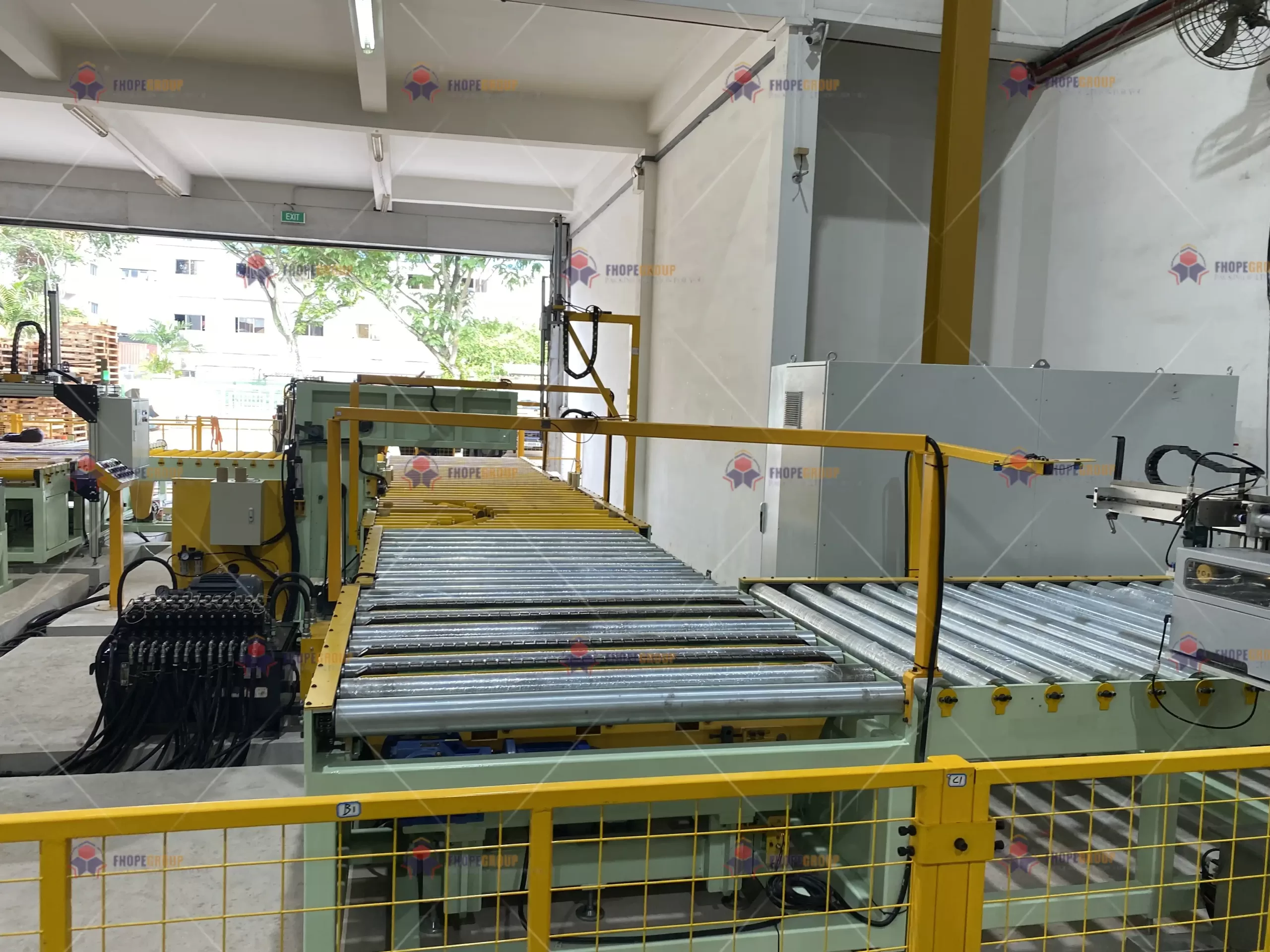
But what exactly does this transformation entail, and how can it address the unique challenges of coil packing lines? Let’s dive deeper into the core components and benefits of smart factory integration for this critical industrial process.
Delving into the Core of Smart Integration: Key Components and Architecture
To truly understand smart factory integration in coil packing, we need to break down the architecture and key components that make this revolution possible. It’s not just about adding sensors; it’s about creating a synergistic system where data flows seamlessly, decisions are made intelligently, and operations are optimized continuously.
The Multi-Layered Architecture of IIoT-Enabled Coil Packing Lines
Smart factory integration in coil packing lines typically follows a multi-layered architecture, similar to the general IIoT framework described earlier. This structure ensures data flows smoothly from the physical shop floor to the cloud and back, enabling real-time monitoring and control.
| Layer | Description | Technologies & Protocols | Focus |
|---|---|---|---|
| Sensor & Device Layer | This layer encompasses all physical devices on the coil packing line, including sensors for coil dimensions, weight, temperature, position, and machine performance. Actuators and controllers are also part of this layer, executing commands. | Smart Sensors (vibration, temperature, proximity), PLCs, HMIs, Encoders, RFID/Barcode Scanners | Data Acquisition, Real-time Parameter Sensing |
| Connectivity Layer | This layer provides the communication network for data transfer. It ensures reliable and secure transmission of data from the sensor layer to upper layers. | Industrial Ethernet, Wi-Fi, Cellular, OPC UA, MQTT, Profinet, Modbus | Data Transmission, Interoperability |
| Data Processing Layer | Here, raw data is processed, filtered, and analyzed. Edge computing devices may perform initial processing for immediate actions, while cloud platforms handle complex analytics and long-term storage. | Edge Gateways, Industrial PCs, Cloud Platforms (AWS, Azure, Google Cloud), Data Historians, Analytics Engines, Machine Learning Algorithms | Data Analytics, Real-time Insights, Storage |
| Application Layer | This layer comprises the software applications that utilize processed data to provide actionable insights, control processes, and optimize operations. This includes MES, ERP, SCADA systems, and custom IIoT applications. | MES, ERP, SCADA, IIoT Platforms, Custom Dashboards, Predictive Maintenance Software, Remote Monitoring Applications | Visualization, Control, Optimization |
The Role of OPC UA in Seamless Data Integration
A critical component within the connectivity layer, and increasingly across the entire architecture, is OPC UA (Open Platform Communications Unified Architecture). OPC UA addresses the challenge of interoperability in industrial environments. In coil packing lines, which often involve machinery from different vendors and generations, OPC UA acts as a universal translator. It enables seamless and secure data exchange between diverse devices and systems, regardless of the underlying hardware or software.
By adopting OPC UA, manufacturers can:
- Standardize Communication: Eliminate proprietary communication protocols and create a unified data environment.
- Enhance Interoperability: Connect machines from different vendors and legacy systems without complex custom integrations.
- Improve Data Security: Leverage OPC UA’s built-in security features to protect sensitive production data.
- Enable Scalability: Build future-proof systems that can easily integrate new devices and applications as the smart factory evolves.
In essence, OPC UA is the linchpin that makes smart factory integration for coil packing lines not just technologically feasible, but also practically efficient and scalable. It lays the foundation for real-time data flow, which is crucial for achieving the benefits of IIoT in this industrial process.
Real-Time Monitoring and KPI Dashboards for Coil Packing Lines
Imagine having a live dashboard that displays the exact status of your coil packing line, from throughput rates to potential bottlenecks, all in real-time. Stop imagining and start experiencing the power of real-time monitoring and KPI dashboards – the eyes and ears of your smart coil packing operation.
Real-time monitoring in IIoT-enabled coil packing lines involves continuous data collection from sensors and machines, processed and visualized on dynamic KPI dashboards. These dashboards provide instant insights into key performance indicators such as throughput, cycle time, downtime, and quality metrics, enabling proactive decision-making and immediate responses to operational issues. This level of visibility is transformative, moving operations from reactive management to proactive optimization.

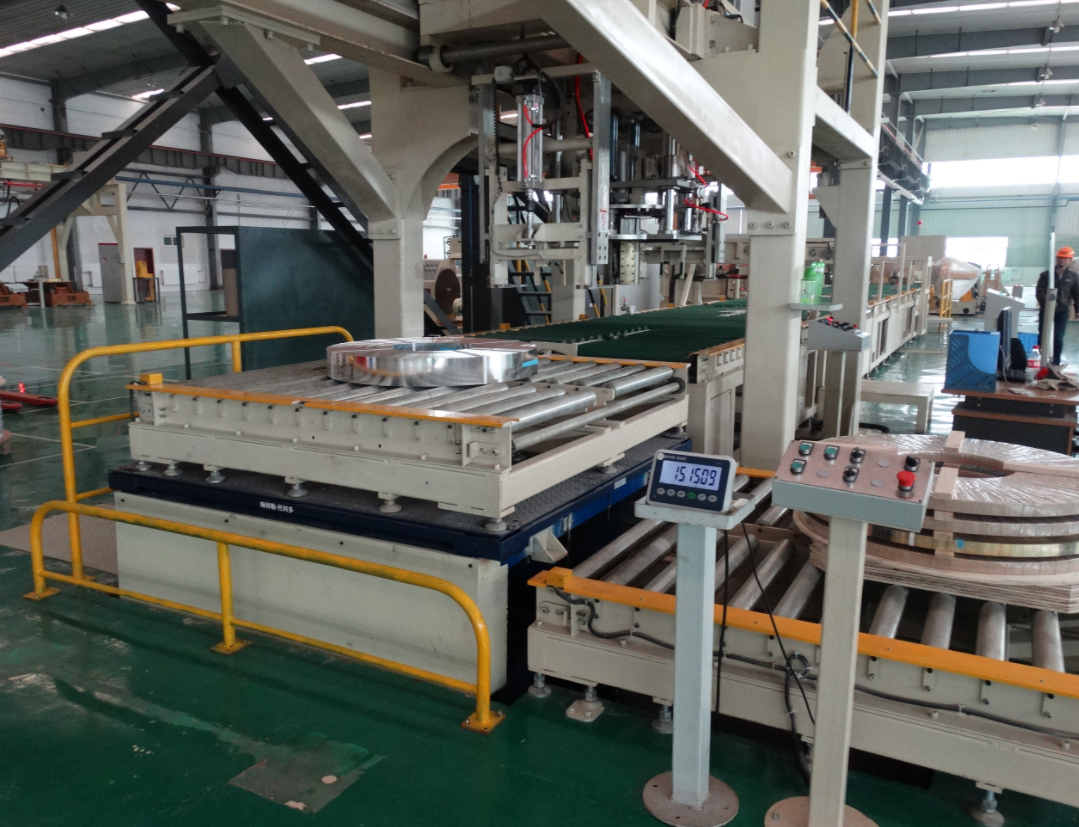
Let’s explore how real-time monitoring and KPI dashboards are specifically applied and beneficial in the context of coil packing lines.
Enhancing Operational Visibility: Tailored KPIs for Coil Packing
For coil packing lines, the effectiveness of real-time monitoring hinges on the selection and display of relevant Key Performance Indicators (KPIs). These KPIs should be tailored to reflect the specific goals and challenges of coil packing operations. Here are some crucial KPIs and how they contribute to enhanced visibility:
- Throughput Rate (Coils per Hour/Shift): This fundamental KPI measures the number of coils packed within a given time. Real-time monitoring of throughput helps identify bottlenecks, track production efficiency, and ensure targets are met. Deviations from expected throughput can trigger immediate investigation into potential issues.
- Cycle Time (Packing Time per Coil): Monitoring cycle time provides insights into the efficiency of the packing process itself. Increased cycle times can indicate machine slowdowns, material handling delays, or operator inefficiencies. Real-time data allows for quick adjustments to optimize the packing process.
- Downtime (Machine Stoppage Duration & Frequency): Downtime is a critical metric in any manufacturing process. IIoT-enabled monitoring tracks downtime events in real-time, categorizing them by cause (e.g., mechanical failure, material shortage, changeover). This data is essential for identifying recurring issues, scheduling predictive maintenance, and minimizing lost production time.
- Quality Metrics (Defect Rate, Packing Accuracy): Quality is paramount. Real-time monitoring can incorporate data from quality sensors (e.g., vision systems) to track defect rates in packed coils (e.g., strapping errors, damage during handling). Packing accuracy (e.g., weight, dimensions) can also be monitored to ensure compliance with specifications.
- Energy Consumption (per Coil/Shift): In today’s focus on sustainability and cost efficiency, energy consumption is a vital KPI. Real-time energy monitoring allows for identification of energy-intensive processes or equipment inefficiencies. This data can drive energy optimization strategies and reduce operational costs.
- Material Usage (Strapping Material, Packaging Film): Tracking material usage in real-time helps optimize consumption and reduce waste. Deviations from standard material usage can indicate process inefficiencies or potential errors in packing procedures.
By displaying these KPIs on intuitive dashboards, accessible on the shop floor and remotely, stakeholders gain a comprehensive and immediate understanding of the coil packing line’s performance. These dashboards often use visual cues like color-coded indicators and trend graphs to quickly highlight areas needing attention, enabling data-driven decisions and proactive interventions.
Predictive Maintenance and Reduced Downtime in Coil Packing
Imagine eliminating unplanned downtime in your coil packing line, preventing costly production halts and ensuring consistent output. Stop imagining and start leveraging predictive maintenance – the proactive approach to equipment care made possible by IIoT.
Predictive maintenance in IIoT-enabled coil packing lines utilizes sensor data and advanced analytics to forecast potential equipment failures before they occur. By monitoring machine health in real-time and identifying anomalies, maintenance can be scheduled proactively, minimizing unplanned downtime, extending equipment lifespan, and reducing maintenance costs. This shift from reactive to predictive maintenance is a game-changer for operational efficiency.

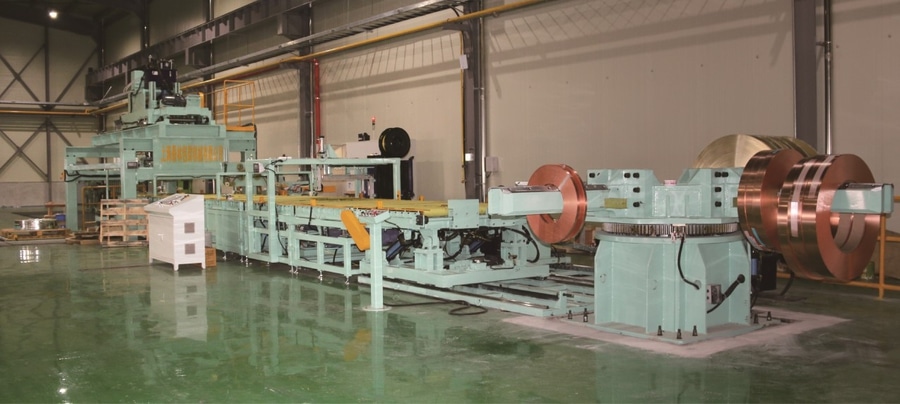
Let’s delve into the specific application of predictive maintenance in coil packing lines and the tangible benefits it brings.
Proactive Equipment Care: Implementing Predictive Maintenance Strategies
Predictive maintenance in coil packing lines is not just a theoretical concept; it’s a practical strategy that can be implemented through a combination of sensor technology, data analytics, and smart maintenance systems. Here’s how it works in practice:
Key Sensors for Machine Health Monitoring
To enable predictive maintenance, specific sensors are strategically placed on critical components of the coil packing line machinery. These sensors continuously monitor parameters indicative of machine health:
- Vibration Sensors: Installed on motors, bearings, and rotating parts, vibration sensors detect unusual vibrations that can signal wear and tear, misalignment, or imbalance. Increasing vibration levels can indicate impending mechanical failure.
- Temperature Sensors: Monitoring the temperature of motors, gearboxes, and hydraulic systems is crucial. Overheating can point to lubrication issues, excessive friction, or electrical faults.
- Acoustic Sensors (Ultrasonic): These sensors can detect unusual noises or sounds emanating from machinery, often indicating early signs of wear, leaks (air or hydraulic), or loose components.
- Current and Voltage Sensors: Monitoring electrical parameters of motors and drives can reveal inefficiencies, overload conditions, or insulation degradation, which can lead to motor failures.
- Oil Condition Sensors (Hydraulic Systems): For hydraulic components, sensors can monitor oil quality, contamination levels, and pressure, providing early warnings of hydraulic system issues.
Data Analytics and Predictive Algorithms
The data collected from these sensors is fed into analytics platforms, often cloud-based, where predictive algorithms are applied. These algorithms, often leveraging machine learning techniques, analyze historical data and real-time sensor readings to:
- Establish Baselines: Learn the normal operating patterns and parameter ranges for each machine component.
- Detect Anomalies: Identify deviations from established baselines, signaling potential issues.
- Predict Remaining Useful Life (RUL): Estimate how much longer a component or machine is likely to function before failure.
- Generate Alerts and Notifications: Automatically trigger alerts when anomalies are detected or predicted failures are approaching, notifying maintenance personnel.
Integration with Maintenance Management Systems
Predictive maintenance systems are often integrated with Computerized Maintenance Management Systems (CMMS) or Enterprise Asset Management (EAM) systems. This integration enables:
- Automated Work Order Generation: Upon receiving alerts from the predictive system, maintenance work orders can be automatically created and scheduled.
- Optimized Maintenance Scheduling: Maintenance tasks are scheduled based on predicted needs, rather than fixed intervals, minimizing unnecessary maintenance and maximizing equipment uptime.
- Spare Parts Management: Predictive insights can help optimize spare parts inventory, ensuring necessary parts are available when needed, but avoiding overstocking.
- Performance Tracking and Continuous Improvement: The effectiveness of predictive maintenance strategies can be tracked over time, allowing for continuous refinement of algorithms and maintenance procedures.
By implementing predictive maintenance, coil packing line operators can transition from reactive firefighting to proactive equipment care, resulting in significant reductions in downtime, maintenance costs, and improvements in overall operational efficiency.
Enhanced Coil Tracking and Traceability with IIoT
Tired of losing track of coils in your production process and struggling with inventory management? Imagine a system that provides a complete digital record of every coil, from production to dispatch, ensuring full traceability and streamlined logistics. Stop imagining and start implementing enhanced coil tracking and traceability through IIoT integration.
IIoT-enabled coil tracking and traceability solutions utilize RFID, barcode, or other identification technologies to assign unique digital identities to each coil. These systems track coil movement throughout the packing line and beyond, providing real-time location data, processing history, and quality information, enhancing inventory management, improving supply chain visibility, and ensuring product accountability. This level of traceability is essential for modern manufacturing and supply chain management.

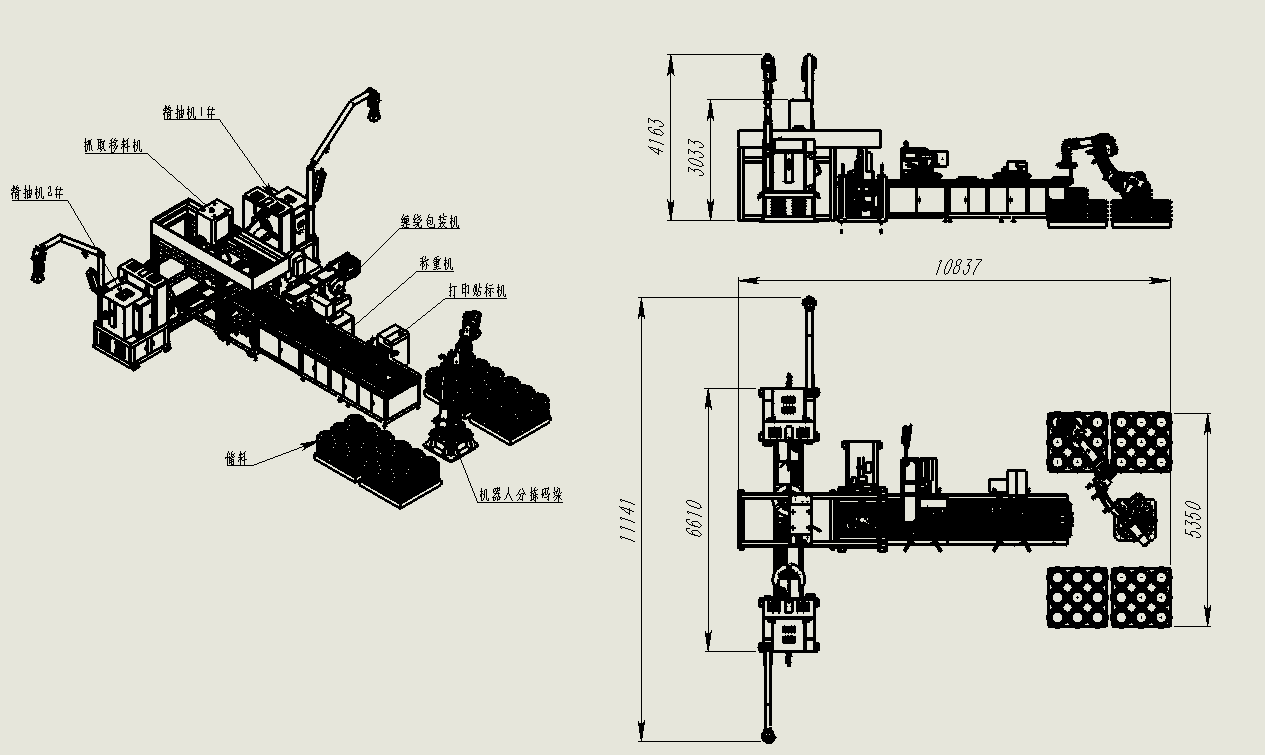
Let’s explore the specific technologies and benefits of enhanced coil tracking and traceability in coil packing operations.
Real-time Coil Visibility: Technologies and Implementation
Implementing effective coil tracking and traceability requires a combination of identification technologies, data capture systems, and integrated software platforms. Here’s a breakdown of key technologies and implementation strategies:
Identification Technologies:
- RFID (Radio-Frequency Identification): RFID tags, attached to coils, store unique identification data that can be read wirelessly by RFID readers at various points along the packing line and in the warehouse. RFID offers advantages like long read ranges, ability to read tags without line-of-sight, and durability in industrial environments.
- Barcode and QR Codes: Barcodes and QR codes, printed on labels attached to coils, provide a cost-effective identification method. Scanners are used to read these codes at different stages. While less robust than RFID in harsh environments and requiring line-of-sight scanning, they are widely used and easily implemented.
- Direct Part Marking (DPM): For permanent traceability, especially in industries with stringent requirements, DPM technologies like laser marking or dot peening can directly mark coils with unique identifiers. DPM provides durable and tamper-proof identification.
Data Capture and Infrastructure:
- RFID Readers and Antennas: Strategically placed RFID readers and antennas capture data from RFID tags as coils move through the packing line. Gate readers at entry/exit points, handheld readers for manual scans, and integrated readers in machinery ensure comprehensive coverage.
- Barcode/QR Code Scanners: Handheld scanners, fixed scanners at workstations, and integrated scanners in automated equipment capture data from barcode or QR code labels.
- Sensors and PLCs Integration: Data from sensors monitoring coil dimensions, weight, quality checks, and machine processing parameters are linked to the coil’s unique ID within the IIoT system, creating a comprehensive digital record.
- Network Infrastructure: Robust and reliable network infrastructure (Industrial Ethernet, Wi-Fi) is crucial for real-time data transmission from readers and scanners to the central IIoT platform.
Software and Platform Integration:
- IIoT Platform with Tracking Modules: A central IIoT platform acts as the data repository and processing engine. It includes modules specifically designed for asset tracking and traceability, managing coil IDs, location data, processing history, and quality records.
- Integration with MES and ERP: Seamless integration with Manufacturing Execution Systems (MES) and Enterprise Resource Planning (ERP) systems is essential. Coil tracking data feeds into MES for production management and into ERP for inventory control, order fulfillment, and supply chain visibility.
- Customizable Dashboards and Reporting: User-friendly dashboards provide real-time visibility into coil locations, inventory levels, and traceability data. Reporting tools enable analysis of tracking data for process optimization, inventory management, and quality control.
By strategically implementing these technologies and integrating them into a cohesive IIoT system, manufacturers can achieve unparalleled coil tracking and traceability, leading to significant improvements in operational efficiency, quality control, and supply chain management.
Conclusion
Smart Factory Integration with IIoT is no longer a futuristic concept, but a present-day necessity for industries seeking to optimize their operations and maintain a competitive edge. For coil packing lines, this integration offers a transformative pathway to enhanced efficiency, reduced downtime, improved quality, and complete traceability. By embracing technologies like OPC UA connectivity, real-time monitoring, predictive maintenance, and advanced tracking systems, manufacturers can unlock the full potential of their coil packing processes and step confidently into the era of smart manufacturing. Embrace the future of manufacturing and explore wire packing automation to revolutionize your coil packing line today.












