
Smart Coil Handling | How Slit Coil Packing Lines Support Russia’s Push Toward Industrial Automation?
Have you ever considered the true cost of inefficient packaging in a steel mill? It is more than just slow production. It leads to wasted material, unhappy customers, and even potential penalties. For leaders like Ivan Petrov, a production director in a Russian steel plant, these issues are a daily reality. The demand for flawless, quick packing is growing. The pressure to innovate is high. Russia’s industrial automation push means we cannot ignore these challenges. We must find better ways.
Smart coil handling and advanced slit coil packing lines are crucial for Russia’s industrial automation drive. These systems integrate cutting-edge technology to automate the entire packing process for steel coils. This ensures higher efficiency, consistent quality, enhanced safety, and reduced labor costs for steel mills. They directly support the national goal of modernizing manufacturing by providing seamless, automated solutions for vital production stages.

This shift to automation is not just a trend; it is a necessity for global competitiveness. The following sections will explore how these advanced packing solutions are transforming Russian steel operations. They help meet today’s market demands and prepare for the future.
Why is Smart Coil Handling Critical for Russian Steel Mills Today?
Are you struggling with outdated packing methods that slow down your production? Many Russian steel mills face this problem. Manual coil handling is often inefficient. It can also be unsafe. This impacts overall factory output. It makes it hard to keep up with market demands.
Smart coil handling is critical for Russian steel mills today because it directly addresses key operational bottlenecks. It boosts efficiency, enhances worker safety, and ensures product quality. In a country actively pursuing industrial automation, integrating smart handling systems allows mills to meet high production targets. It also reduces labor dependency and minimizes costly packaging errors. These systems are essential for modernizing steel production and improving global competitiveness.
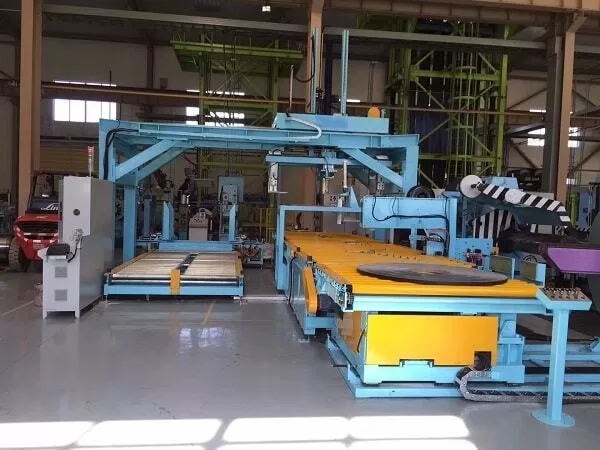
In my journey at FHOPEPACK, I have seen many factories struggle with these very issues. I understand the pressure. You need solutions that work. You need them to work reliably. Let us look deeper into why smart handling is not just an option but a must for Russian steel mills.
Smart coil handling systems are transforming steel manufacturing in Russia. These systems offer significant advantages over traditional manual methods. They solve common problems like slow processing times and safety risks. Here is why they are so important:
-
Boosting Operational Efficiency:
- Faster Throughput: Automated systems move coils quickly and smoothly. This means faster packing and shipping. For a large steel plant, this translates into hundreds of tons moved per day. This speed is vital for meeting tight delivery schedules. It also improves overall plant capacity.
- Reduced Manual Labor: Smart handling systems replace physically demanding tasks. This frees up workers for more skilled jobs. It also solves issues like labor shortages. This is a big problem in many heavy industries. Fewer people needed means lower operational costs.
- Seamless Integration: Modern handling systems integrate with existing production lines. They work with slitting and cutting machines. This creates a continuous flow. It removes manual transfer points. This makes the entire process more efficient.
- Examples: Automated conveyors, coil up-enders, and transfer carts. These systems handle coils of varying sizes and weights without human intervention. This makes the process much faster and more reliable. (operational efficiency, automated handling, labor reduction)
-
Enhancing Worker Safety:
- Eliminating Hazardous Tasks: Lifting and moving heavy steel coils is dangerous. Automated systems remove workers from these high-risk areas. This drastically lowers the chance of workplace accidents. It reduces serious injuries.
- Reduced Physical Strain: Manual handling causes fatigue and strain. This leads to long-term health issues. Automation reduces the physical burden on workers. This creates a safer work environment.
- Compliance with Safety Standards: Modern factories must meet strict safety rules. Automated systems help comply with these standards. This avoids fines and legal problems. It also improves the company’s reputation.
- Impact: A safe workplace leads to happier employees. It also reduces downtime due to injuries. This directly affects the bottom line. It supports a positive work culture. (worker safety, hazardous tasks, safety compliance)
-
Ensuring Consistent Product Quality:
- Gentle Handling: Automated systems handle coils with precision. This prevents damage like dents, scratches, or deformities. Such damage can lead to customer rejections. It can also cause financial losses.
- Reduced Human Error: Manual handling is prone to mistakes. A machine follows programmed steps every time. This ensures consistent quality in how coils are moved. It also makes sure they are ready for the next packing stage.
- Adaptability to Coil Variations: Steel coils come in many sizes and weights. Smart systems adjust automatically. They handle different coil diameters and weights from 1 to 3 tons. This flexibility is key for diverse product lines. (product quality, consistent handling, damage prevention)
The adoption of smart coil handling systems is a key step for Russian steel mills. It helps them to achieve higher levels of industrial automation. It supports the national goal of modernizing industries. This also prepares them for future challenges. (Russian industrial modernization, smart logistics)
How Do Automated Slit Coil Packing Lines Address Labor Shortages and Inconsistent Quality?
Are your current packing operations held back by a lack of skilled workers or inconsistent packaging quality? This is a common challenge for many industrial plants, especially with high staff turnover rates. The human element, while valuable, can introduce variability and limitations in high-volume, repetitive tasks.
Automated slit coil packing lines effectively address labor shortages by minimizing the need for manual intervention in repetitive and strenuous tasks. They boost overall production capacity with fewer staff. These lines tackle inconsistent quality by performing precise, repeatable actions. They ensure uniform packaging tension, secure strapping, and proper material application every time. This leads to reliable, high-quality packaging that meets stringent customer demands and reduces rework.
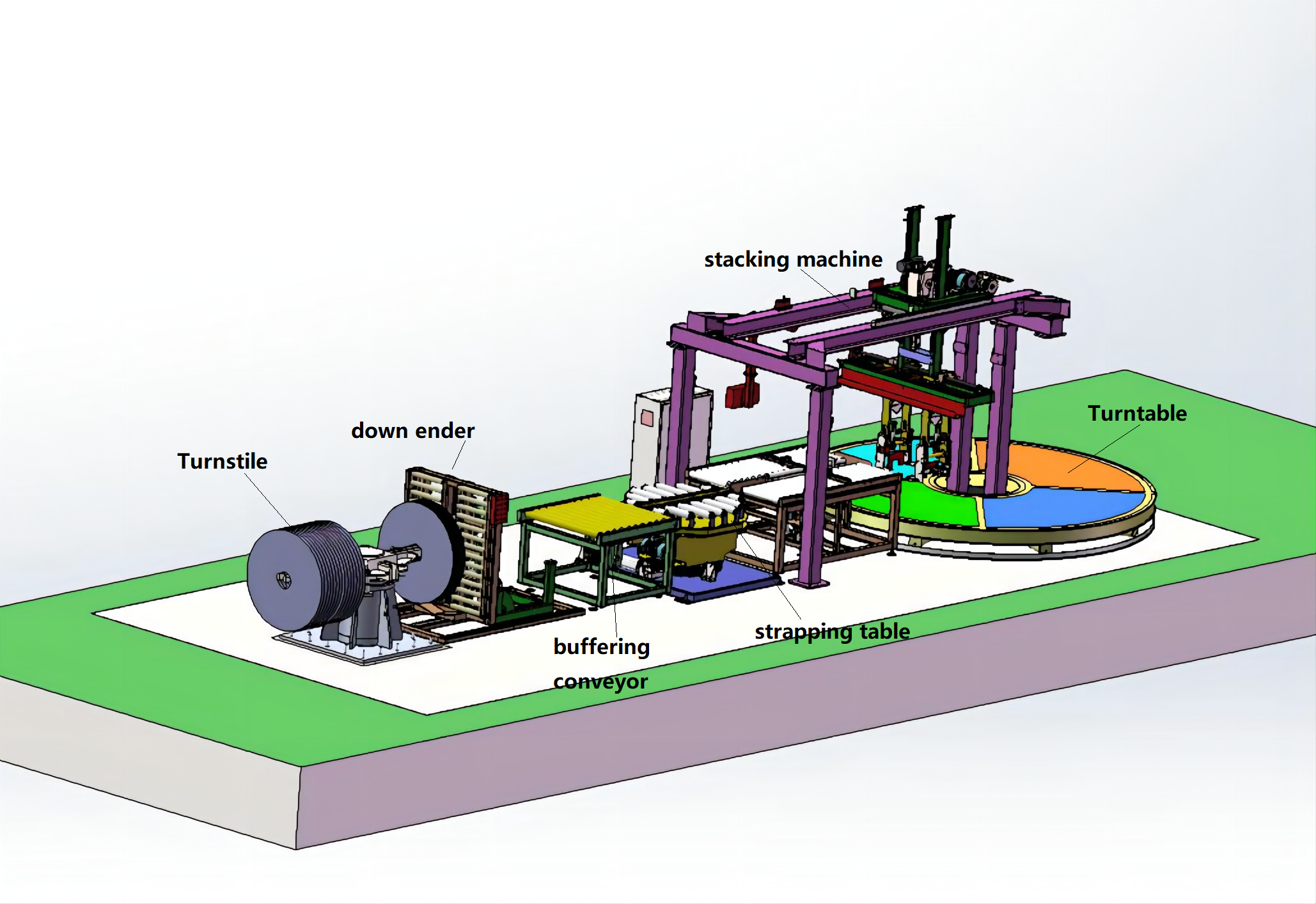
I started FHOPEPACK because I saw how much automation could help. I watched factories struggle with these exact issues. I knew there had to be a better way. Modern automated lines offer that solution. They ensure reliability and quality even when skilled labor is scarce.
Automated slit coil packing lines offer a powerful solution to the dual challenges of labor shortages and inconsistent quality in Russian steel mills. By replacing manual processes with precise mechanical operations, these systems ensure higher productivity and uniform output. Let’s explore how they achieve this:
-
Addressing Labor Shortages:
- Reduced Manpower Needs: An automated packing line can perform tasks that traditionally require multiple operators. This includes unwrapping, strapping, wrapping, and labeling. This significantly lowers the number of employees needed in the packing area.
- Less Reliance on Skilled Labor: While some technical supervision is still needed, the day-to-day packing tasks become automated. This means fewer specialized workers are required for repetitive manual labor. It helps to mitigate the impact of skilled labor scarcity.
- Improved Work Environment: Automating heavy and repetitive tasks reduces physical strain on workers. This makes the packing workshop a more appealing place to work. It helps to retain existing employees and attract new ones for supervisory or maintenance roles.
- Higher Throughput with Fewer Hands: These lines operate at consistent speeds, often faster than manual methods. This allows plants to increase their daily output without adding to their workforce. This is a direct answer to staffing issues. (labor efficiency, automation solutions, workforce optimization)
-
Eliminating Inconsistent Packaging Quality:
- Precision and Repeatability: Machines perform each packing step with exact precision. This includes applying uniform film tension, consistent strapping force, and accurate material placement. This consistency is hard to achieve with human hands.
- Standardized Procedures: Automated lines follow programmed sequences. They ensure every coil receives the same high-quality treatment. This eliminates variations that can arise from different operators’ techniques or fatigue.
- Reduced Material Wastage: Manual packing often leads to overtensioning or undertensioning of materials. It can also cause uneven wraps. This wastes expensive packaging materials. Automated systems optimize material use. They apply the correct amount every time.
- Enhanced Product Protection: Consistent and tight packaging provides superior protection against moisture, rust, and scratches. This is crucial for maintaining the integrity of sensitive products like cold-rolled, galvanized, or pre-painted coils during transit and storage.
- Example: For instance, a robot arm applying stretch film ensures uniform overlap and tension around the coil. A steel or PET strapping machine applies consistent force across multiple bands. This guarantees a secure bundle. (consistent quality, precise packaging, material optimization)
-
Meeting Diverse Product Requirements:
- Automated Adaptation: Modern automated lines can quickly adapt to different coil types, diameters, and weights. They handle various packaging specifications, such as PET or steel strapping, moisture-proof wrapping, and automatic labeling. This is done with minimal manual intervention.
- Recipe-Based Operations: Operators can select pre-set “recipes” for different product types. This instantly adjusts machine parameters for specific packaging needs. This removes the need for time-consuming manual changes. It ensures the right packaging for each product.
- Compliance and Traceability: Automated labeling and barcode application ensure each coil meets export standards like CE/ISO. It also provides traceability. This is vital for customer satisfaction and regulatory compliance, especially for international clients. (product diversity, adaptable packaging, compliance standards)
By investing in automated slit coil packing lines, Russian steel mills can overcome critical operational challenges. They can achieve greater efficiency, quality, and reliability. This makes them more competitive in both domestic and international markets. (automated packing benefits, Russian steel competitiveness)
What Advanced Features Do Modern Coil Packing Lines Offer for Superior Product Protection and Compliance?
Are your current packaging methods failing to protect your valuable steel coils from damage, rust, or moisture during transit? Are you struggling to meet stringent international compliance standards or customer demands for advanced labeling? These are common pain points for many steel producers today.
Modern coil packing lines offer a range of advanced features designed for superior product protection and compliance. These include multi-layer wrapping systems (stretch film, VCI paper, anti-rust material) for optimal moisture and rust prevention. They also feature robust strapping with PET or steel bands for secure bundling. Automated labeling, barcoding, and integration with quality control systems ensure full compliance with international standards like CE/ISO. These innovations significantly reduce damage risk and enhance product marketability.
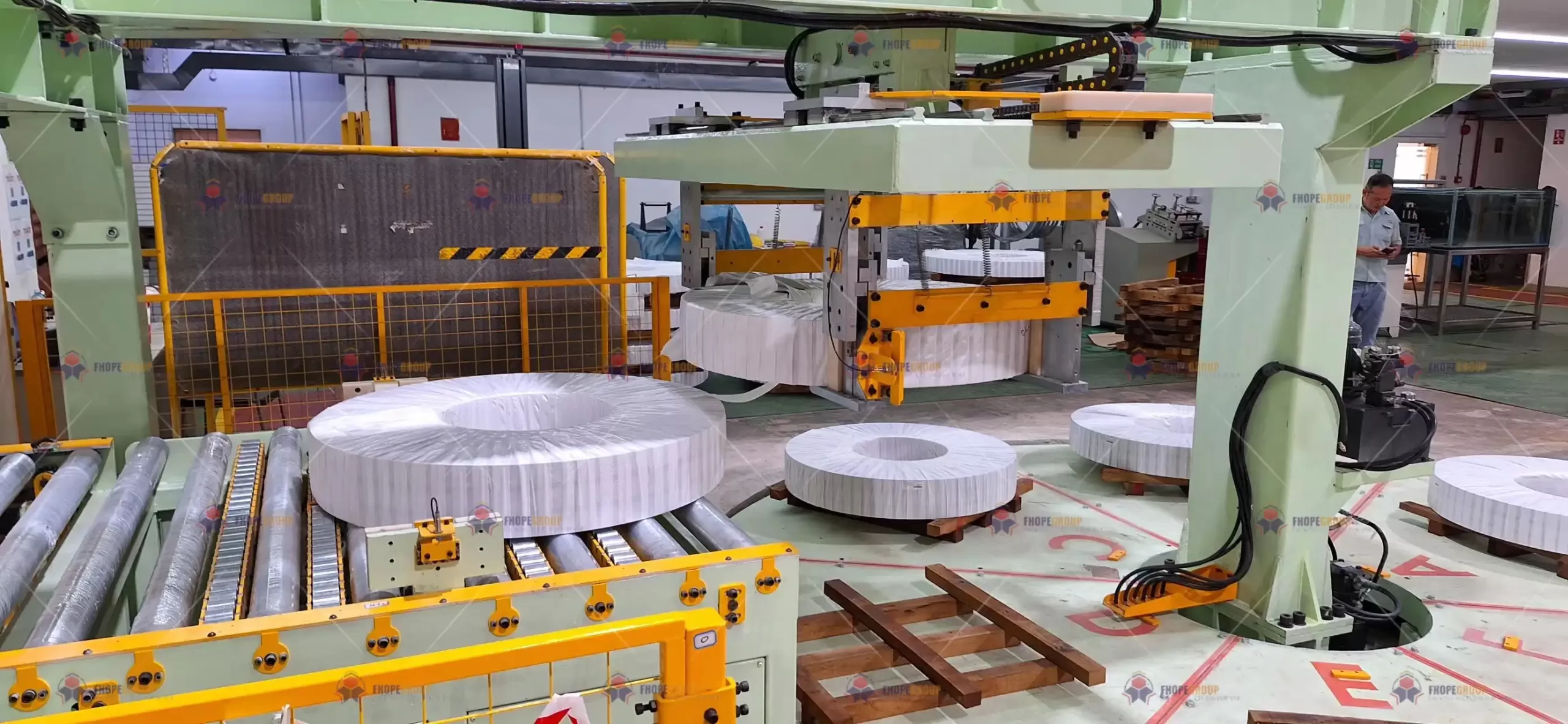
At FHOPEPACK, I have always focused on creating solutions that do more than just pack. They protect. They comply. They add value. My experience building a successful factory taught me that true quality means exceeding expectations. This is especially true for advanced packaging. Let us look at the innovative features that achieve this.
Modern coil packing lines go far beyond basic wrapping and strapping. They integrate advanced features to provide comprehensive product protection and ensure full compliance with demanding industry standards. This is essential for steel mills aiming for premium markets, especially in export. Here is a detailed look:
-
Multi-Layer Protection Systems:
- Advanced Wrapping Technologies: These lines use specialized orbital wrappers or horizontal stretch wrapping machines. They apply multiple layers of protective film. This includes standard stretch film, anti-rust VCI film, and even corrosion-inhibiting paper. This creates an effective barrier against moisture and atmospheric corrosion.
- Sealed Packaging: The wrapping process ensures a tight, consistent seal around the entire coil. This prevents ingress of dust, dirt, and water. It protects against rust, especially during long-distance transportation or storage in varying climates.
- Customizable Layers: The number and type of layers can be customized based on the product type (e.g., cold-rolled, galvanized, pre-painted) and destination. For instance, coils for humid environments might get extra layers of VCI film.
- Benefit: This approach guarantees maximum protection against physical damage, rust, and environmental degradation. This is crucial for high-value steel products. (multi-layer wrapping, anti-rust protection, sealed packaging)
-
Robust Strapping for Security:
- PET and Steel Strapping: Modern lines offer options for both PET (polyester) and steel strapping. PET strapping is strong, rust-resistant, and safer to handle than steel. Steel strapping provides extreme strength for heavy-duty applications.
- Automated Strapping Machines: These machines apply multiple straps around the coil with consistent tension. This secures the coil to itself and to its pallet or skid. It prevents loosening during handling and transit.
- Edge Protection: Automated systems can integrate edge protectors. These are applied before strapping. They prevent the strap from damaging the coil edges. This maintains product quality.
- Impact: Secure strapping ensures the coil remains intact and stable. This prevents damage from shifting during shipment. It also ensures safe handling at the destination. (robust strapping, PET strapping, steel banding)
-
Automated Labeling and Barcoding for Compliance:
- Precision Label Application: Integrated label applicators automatically print and apply labels to the packed coils. These labels can contain detailed product information, client details, batch numbers, and safety warnings.
- Barcode Integration: Barcode printers and scanners are part of the system. This allows for automatic data capture and traceability. This is vital for inventory management, logistics, and quality control.
- Regulatory Compliance: Automated labeling ensures compliance with international standards like CE or ISO certifications. For export-oriented Russian steel mills, this is non-negotiable. It opens doors to global markets.
- Customization: Labels can be customized to meet specific client requirements. This includes adding client logos or special handling instructions. This improves customer satisfaction. (automated labeling, barcode traceability, regulatory compliance)
-
Integration with Quality Control Systems:
- Sensor Technology: Advanced lines use sensors to monitor wrapping tension, strap placement, and coil dimensions. Any deviation triggers an alert or automatic adjustment.
- Data Logging: All packing parameters are logged. This creates a detailed record for each coil. This data is useful for quality audits, process optimization, and dispute resolution.
- Remote Monitoring: Some systems allow remote monitoring of the packing process. This helps troubleshoot issues and optimize performance from a central control room. (quality control integration, sensor monitoring, data logging)
These advanced features in modern coil packing lines are essential. They help Russian steel mills enhance product protection. They also ensure compliance with strict global standards. This results in higher customer satisfaction and a stronger market position. (advanced packaging features, global market access)
How Can Steel Mills Choose the Right Slit Coil Packing Line for Long-Term Efficiency and ROI?
Are you considering investing in a new slit coil packing line but feeling overwhelmed by the choices? How do you ensure your investment truly pays off in the long run? Selecting the right system is crucial for achieving sustainable efficiency and a strong return on investment (ROI). It is not just about buying a machine; it is about finding a complete solution.
Choosing the right slit coil packing line for long-term efficiency and ROI requires careful consideration of several factors. These include equipment reliability for 24/7 operation, adaptability to diverse coil specifications, comprehensive safety features, and the supplier’s capability for turnkey solutions and aftermarket support. Mills should prioritize integrated automation, energy efficiency, and a proven track record to ensure the system meets current needs and future growth, maximizing the return on their capital investment.
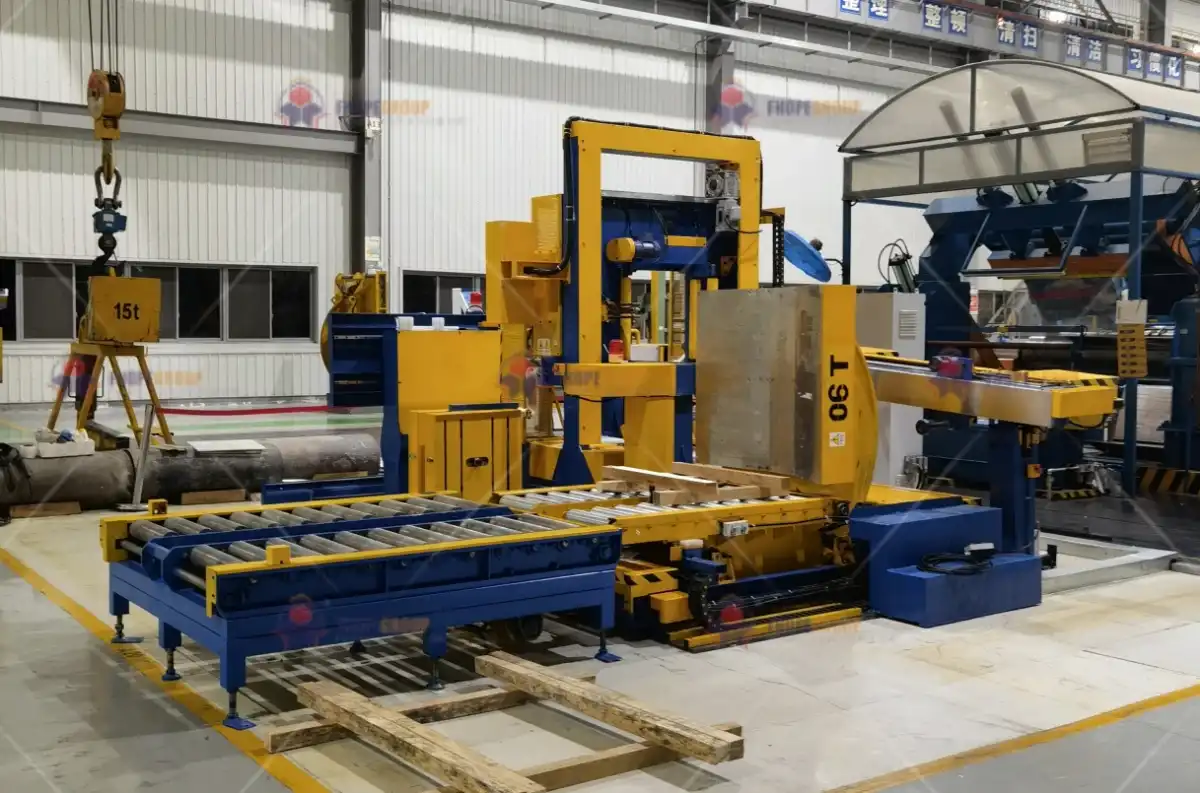
When I founded FHOPEPACK, my vision was to provide more than just machines. I wanted to offer true partnerships. I understand that a big investment needs to deliver results. This means looking beyond the initial price tag. It means considering the whole lifecycle. Let us break down how to make the best choice for your steel mill.
Selecting a slit coil packing line is a strategic decision for any steel mill, especially for those in Russia looking to automate and modernize. The right choice ensures long-term efficiency, reduced operational costs, and a significant return on investment. Here are key factors to consider:
-
Equipment Reliability and Durability:
- 24/7 Operation Capability: Steel mills often operate round-the-clock. The packing line must withstand continuous use without frequent breakdowns. Look for machines built with robust components and industrial-grade materials.
- Proven Track Record: Research the supplier’s history and customer testimonials. A company like FHOPEPACK, for example, specializes in durable, heavy-duty packing solutions.
- Maintenance Requirements: Understand the machine’s maintenance schedule and ease of access for repairs. Lower maintenance needs mean less downtime and higher uptime.
- Impact: High reliability ensures consistent production. It minimizes costly interruptions. It also extends the lifespan of your investment. (equipment reliability, 24/7 operation, low maintenance)
-
Adaptability to Product Diversity:
- Variable Coil Sizes: The system must handle a wide range of coil diameters, widths, and weights (e.g., 1–3 tons). Look for automated adjustments rather than manual changes.
- Multiple Packaging Options: The line should accommodate different packaging materials and methods. This includes PET or steel strapping, stretch film, VCI paper, and automatic labeling. This flexibility is key for diverse product lines (cold-rolled, galvanized, pre-painted).
- Modular Design: A modular system allows for future upgrades or additions. This means it can adapt to changing production needs without replacing the entire line.
- Benefit: Flexibility ensures the line can meet all current and future customer requirements. It supports a diverse product portfolio. (product adaptability, flexible packaging, modular design)
-
Safety Features and Automation Level:
- Reduced Manual Intervention: Prioritize lines that minimize human interaction with heavy coils. This includes automated feeding, turning, and stacking. This reduces the risk of accidents and worker injuries.
- Integrated Safety Mechanisms: Look for features like emergency stop buttons, safety guarding, light curtains, and overload protection. These are critical for protecting personnel.
- Level of Automation: Decide if a semi-automatic or fully automatic line is best. For Russian mills pushing for industrial automation, a full automatic coil packing line (including flipping, wrapping, strapping, labeling, and stacking) offers the greatest long-term benefits.
- Advantage: Enhanced safety creates a better work environment. It reduces legal risks. It also aligns with modern industrial standards. (enhanced safety, full automation, reduced manual labor)
-
Supplier’s Capabilities and After-Sales Support:
- Turnkey Solutions: A supplier that can provide a complete “turnkey” solution is valuable. This includes design, manufacturing, installation, commissioning, and integration with your existing systems. FHOPEPACK offers such comprehensive project management.
- After-Sales Service: Excellent customer support is vital. This includes training for your staff, readily available spare parts, and quick technical assistance. This ensures smooth operations for years.
- Global Presence/Local Support: For Russian operations, consider suppliers with a strong presence or partner network in the region. This ensures prompt service and communication.
- Other options: While FHOPEPACK is my top recommendation, companies like SHJLPACK and CNBHPAC also offer viable solutions. Always assess their specific offerings and support for your region. (turnkey solutions, after-sales support, supplier capability)
-
Cost-Benefit Analysis and ROI:
- Total Cost of Ownership (TCO): Look beyond the initial purchase price. Consider energy consumption, material usage, maintenance costs, and potential labor savings over the machine’s lifespan.
- Increased Output and Quality: Quantify the benefits of higher packing speed and consistent quality. This leads to fewer rejections and increased customer satisfaction.
- Financial Impact: Calculate the estimated ROI based on labor savings, material optimization, reduced damage, and increased throughput. This helps justify the investment.
- Example: A plant currently spending significant amounts on manual labor and experiencing 5% product damage due to poor packaging could see huge savings. An automated line could cut labor costs by 70% and reduce damage to less than 1%. (ROI analysis, cost savings, financial benefits)
By carefully evaluating these factors, Russian steel mills can select the ideal slit coil packing line. This will improve their long-term efficiency, sustainability, and competitive edge in the global market. (strategic investment, steel industry growth)
What Does the Future Hold for Slit Coil Packing in Russia’s Automated Industrial Landscape?
Are you wondering how slit coil packing will evolve as Russia continues its push towards advanced industrial automation? The landscape is changing rapidly. What new technologies and strategies will emerge to make steel packing even smarter, more efficient, and more connected? The future of manufacturing is digital.
The future for slit coil packing in Russia’s automated industrial landscape points toward increasingly integrated, intelligent, and sustainable solutions. This includes greater adoption of Industry 4.0 technologies like IoT sensors, AI-driven predictive maintenance, and robotic automation. We will see more comprehensive data analytics for process optimization and a focus on eco-friendly packaging materials. These innovations will create fully autonomous packing facilities that are highly adaptable, energy-efficient, and seamlessly connected to the entire steel production ecosystem.

I believe in constant innovation. At FHOPEPACK, we are always looking ahead. We want to understand what the next generation of packing solutions will look like. My own journey, from an engineer to factory owner, taught me that staying ahead means anticipating future needs. Let us explore the exciting possibilities for Russian steel mills.
The future of slit coil packing in Russia’s increasingly automated industrial landscape is bright. It will be defined by further integration of advanced technologies. These technologies will create smarter, more autonomous, and sustainable packing operations. Here is a look at what we can expect:
-
Enhanced Integration with Industry 4.0 Technologies:
- Internet of Things (IoT): Packing lines will feature more sensors. These sensors will monitor every aspect of the process in real-time. This includes machine performance, material consumption, and environmental conditions. This data will be instantly available for analysis.
- Artificial Intelligence (AI) and Machine Learning (ML): AI will optimize packing parameters. It will predict maintenance needs. It will even adjust to varying coil characteristics autonomously. This moves from reactive to predictive operations.
- Digital Twins: Virtual models of packing lines (digital twins) will allow for simulations. This helps optimize layouts, test new processes, and train operators in a risk-free environment.
- Connectivity: Full integration with Enterprise Resource Planning (ERP) and Manufacturing Execution Systems (MES) will be standard. This provides seamless data flow across the entire steel production chain. (Industry 4.0, IoT sensors, AI optimization)
-
Greater Robotic Automation and Autonomy:
- Robotic Handling: Robots will perform more complex tasks. This includes loading unconventional coil sizes, applying specialized protection layers, and managing palletizing. This further reduces manual labor.
- Autonomous Operations: Packing lines will become more self-sufficient. They will handle routine tasks, troubleshoot minor issues, and even reconfigure for different product runs without human intervention.
- Human-Robot Collaboration (Cobots): Where human interaction is still necessary, collaborative robots will assist workers. They enhance safety and efficiency in shared workspaces.
- Benefit: This level of autonomy leads to higher efficiency. It also means fewer errors. It ensures continuous operation. (robotic automation, autonomous packing, human-robot collaboration)
-
Focus on Sustainability and Eco-Friendly Solutions:
- Sustainable Packaging Materials: There will be a shift towards more recyclable, biodegradable, or reusable packaging materials. This reduces environmental impact.
- Optimized Material Usage: AI-driven systems will precisely calculate the minimum amount of material needed for optimal protection. This reduces waste and cost.
- Energy Efficiency: Next-generation machines will be designed for lower energy consumption. This contributes to a greener manufacturing process.
- Closed-Loop Systems: Mills might explore recycling programs for packaging waste directly within their facilities. This creates a more circular economy. (sustainable packaging, eco-friendly solutions, energy-efficient machines)
-
Advanced Customization and Flexibility:
- Batch-of-One Packing: The trend towards highly customized orders will demand packing lines that can handle “batch-of-one” production efficiently. This means rapid changeovers and tailored packaging for each unique coil.
- Dynamic Adapting: Systems will dynamically adapt to new packaging requirements. This might include new label formats, additional protective layers, or specialized handling for sensitive alloys.
- Remote Diagnostics and Updates: Machines will be remotely diagnosable and capable of receiving software updates over the air. This ensures they remain cutting-edge and resolve issues quickly. (customized packing, dynamic adaptation, remote diagnostics)
The future of slit coil packing in Russia will be characterized by highly intelligent, interconnected, and adaptive systems. These advancements will empower steel mills to achieve unprecedented levels of efficiency, quality, and sustainability. They will solidify Russia’s position in the global industrial landscape. (future packing trends, Russia industrial growth)
Conclusion
Smart coil handling and advanced slit coil packing lines are essential for Russia’s industrial automation goals. They deliver higher efficiency, improved safety, and consistent quality for steel mills. By investing in reliable, adaptable, and automated solutions like FHOPEPACK’s coil packing line, steel producers ensure long-term success. This strengthens their competitive edge and supports national industrial modernization.








