
Slit Coil Packing Line: What Strategic Benefits Do Upgrades Bring to Long-Term Growth?
Are you a production director like Ivan, feeling the intense pressure of rising demand for steel coils? Are outdated packing lines creating bottlenecks, costly mistakes, and missed opportunities in your factory? I know this feeling very well. Early in my career, I saw firsthand how inefficient packing could undermine a factory’s potential, turning potential profits into headaches and lost customers. The daily challenges of manual labor, inconsistent quality, and demanding clients are real burdens that can hinder overall success.
Upgrading your slit coil packing line brings strategic benefits that directly fuel long-term growth by enhancing efficiency, ensuring product quality, improving safety, and significantly reducing operational costs. Modern automated systems integrate seamlessly, adapting to diverse product requirements while minimizing manual intervention and material waste, allowing steel plants to meet stringent market demands and secure a competitive edge globally.
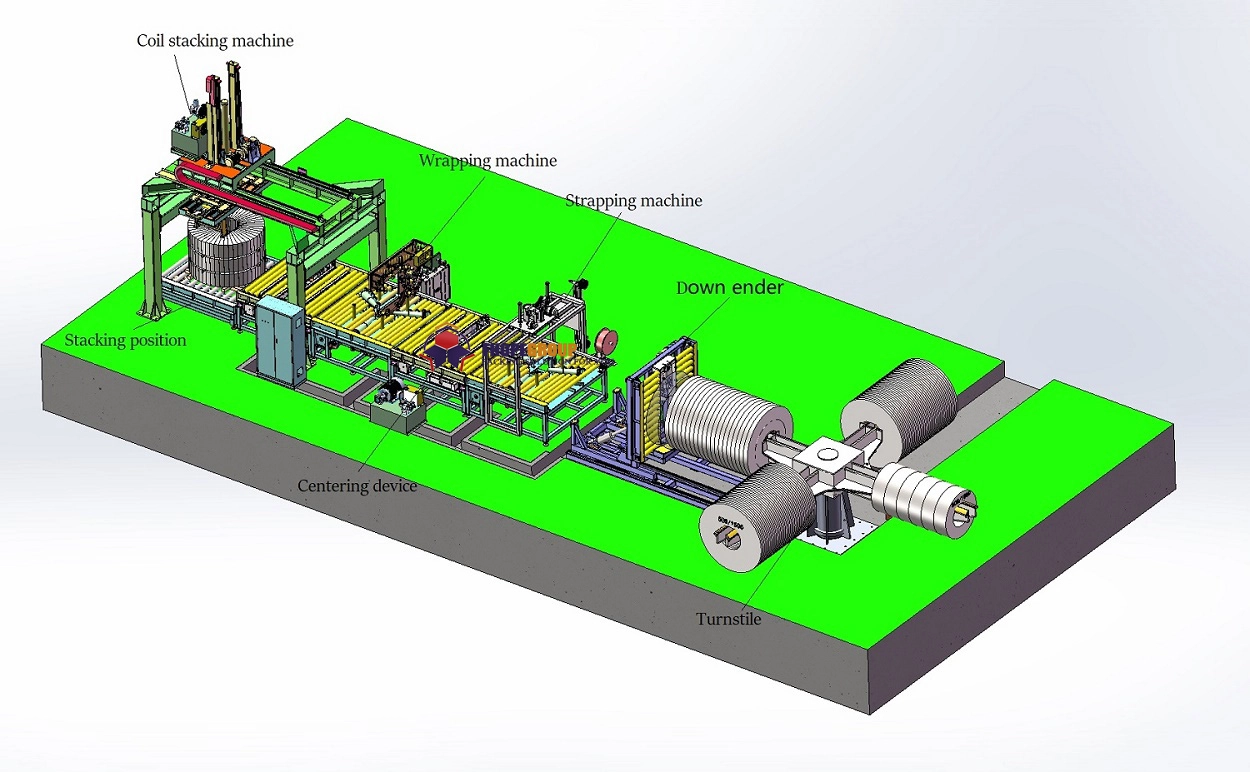
This isn’t just about buying new equipment. It is about making a strategic investment in the future of your operations. Let’s dive deeper into how a well-planned upgrade to your coil packing process can deliver measurable returns and lay the groundwork for sustained success, addressing the very issues that keep production managers like you awake at night.
Why is Your Current Slit Coil Packing Process Holding Back Production Efficiency?
Are manual processes slowing down your hundreds of tons of daily output? Do constant bottlenecks at the packing station undermine your entire production flow? This inefficiency is not just an annoyance; it is a direct drain on your company’s bottom line. It limits your capacity and affects your ability to meet market demands.
Your current slit coil packing process likely holds back production efficiency due to reliance on manual labor, which introduces inconsistencies, slows down throughput, and limits adaptability to varying product demands. This creates bottlenecks, increases cycle times, and prevents your steel plant from achieving its full operational capacity.
When I started working at a packing machine factory, I quickly saw how a slow packing operation could negate all the efficiency gains made upstream in the production line. Imagine producing hundreds of tons of steel coils daily, only to have them pile up, waiting for labor-intensive bundling or wrapping. This situation not only delays shipments but also consumes valuable floor space and adds to logistical complexities. An efficient packaging production line optimization ensures that finished products move out as quickly as they come in. Without automation, the packing area often becomes a chokepoint, preventing smooth, continuous operation. This bottleneck directly impacts your ability to meet customer deadlines and maximize profitability, making a strong case for investment in advanced solutions.
-
The Bottleneck Effect: Manual handling and traditional equipment often create a chokepoint right at the end of your high-speed slitting or rolling lines. When I first started working in a packing machine factory, I saw how a slow packing operation could negate all the efficiency gains made upstream. Imagine producing hundreds of tons of steel coils daily, only to have them pile up, waiting for labor-intensive bundling or wrapping. This not only delays shipments but also consumes valuable floor space and adds to logistical complexities. A modern packing production line optimization ensures that finished products move out as quickly as they come in. This problem becomes even more pronounced in two-shift, 24-hour operations, where any slowdown affects daily targets. It prevents the smooth flow that is essential for high-volume manufacturing, directly impacting overall plant performance and customer satisfaction.
-
Diverse Product Handling Challenges: Steel plants like yours, Ivan, produce a range of products—cold rolled, galvanized, and color-coated coils. Each type has unique packing requirements: some need PET strapping, others steel, and many demand specific anti-rust and anti-scratch protection. Manually switching between these diverse packing methods is time-consuming and prone to human error. This lack of a versatile coil packing system forces compromises on speed or quality. Operators must physically adjust machines, change materials, and often reconfigure setups for different coil sizes and weights, ranging from 1 to 3 tons with variable inner and outer diameters. This constant manual adjustment reduces efficiency and increases the likelihood of mistakes, highlighting the need for a more adaptable and automated solution.
-
Inconsistent Throughput and Delays: The ebb and flow of manual packing means your output isn’t stable. One day you might hit targets, the next you fall behind because of staffing issues or human fatigue. This inconsistency impacts delivery schedules and customer satisfaction. Upgrading to an automated system ensures a predictable, continuous flow, removing these variability hurdles and paving the way for a packaging line upgrade that truly supports your operational goals. Manual operations are also highly dependent on worker skill and attention, which can vary greatly, leading to unpredictable cycle times. Automated systems operate with consistent speed and precision, offering reliable throughput that is critical for managing tight production schedules and meeting customer expectations without fail.
| Feature | Manual Packing | Automated Packing Line |
|---|---|---|
| Throughput (Coils/Hour) | 5-8 (variable) | 20-30 (consistent) |
| Error Rate | High (human fatigue) | Very Low (precision) |
| Switchover Time (Products) | Long (manual adjustment) | Short (pre-programmed) |
| Operational Continuity | Intermittent | 24/7 Capable |
| Required Labor | High (multiple shifts) | Low (supervisory) |
How Does Full Automation Address Labor Shortages and Ensure Consistent Packaging Quality?
Are you struggling to find and retain workers willing to perform the physically demanding, repetitive tasks of coil packaging? Does inconsistent manual operation lead to varying packaging quality, frustrating customers and risking product integrity? These issues directly threaten your reputation and your company’s bottom line.
Full automation addresses labor shortages by minimizing the need for manual intervention, thus reducing reliance on a shrinking workforce and lowering labor costs. It ensures consistent packaging quality through precise, repeatable machine operations, eliminating human error, and applying uniform tension and placement for all packaging materials.
The packaging workshop environment, with its heavy lifting and repetitive tasks, often leads to high employee turnover and difficulty attracting young talent. I remember how physically taxing it was for workers in the early days of manual coil handling. This is a common challenge for many steel plants operating 24 hours a day, in two shifts. Automated packaging systems replace risky manual operations like strapping, wrapping, and handling heavy coils. This not only helps solve labor shortages but also shifts human roles from physically demanding tasks to supervision and maintenance, making the workplace safer and more attractive. This is a crucial step towards intelligent packaging machine operation, ensuring a more sustainable workforce and a more appealing work environment for new talent.
-
Solving the Labor Dilemma: The packaging workshop environment, with heavy lifting and repetitive tasks, often leads to high turnover and difficulty attracting young talent. I remember how physically taxing it was for workers in the early days. Automated packaging systems replace risky manual operations like strapping, wrapping, and handling heavy coils. This not only mitigates labor shortages but also shifts human roles from physically demanding tasks to supervision and maintenance, making the workplace safer and more attractive. This is a crucial step towards intelligent packaging machine operation, as it allows your existing workforce to focus on more skilled tasks, improving job satisfaction and retention. This automation reduces the dependence on a large, ever-changing manual labor force, leading to more stable operations.
-
Unwavering Packaging Quality: Manual strapping or wrapping often results in inconsistent tension, loose bands, or uneven film coverage. This makes packaged coils vulnerable to damage during transport, leading to customer complaints and potential returns. An automated Coil Packing Line uses sensors and precision controls to apply optimal tension and uniform coverage every single time, regardless of the coil’s size or weight, which can vary from 1 to 3 tons. This guarantees a stable, high-quality package that protects your product from rust, moisture, and scratches. Consistent quality also means fewer rejections and returns, saving your company money and preserving its reputation. This level of precision is unattainable with manual methods and highlights the benefits of robust packaging process automation.
-
Enhanced Safety and Reduced Injuries: Ivan, you mentioned reducing worker injuries and labor intensity as a key goal. Manual handling of heavy steel coils is inherently risky. Automation eliminates the need for workers to directly interact with heavy loads or sharp edges, significantly reducing the risk of accidents and workplace injuries. This commitment to safety is not just good for your employees; it also reduces costly downtime and insurance claims. It is a win-win for both people and productivity, embodying the essence of a safe packaging production line. When machines perform the hazardous tasks of lifting, turning, and positioning, your workers are kept out of harm’s way. This improvement in safety is a significant benefit, creating a more secure and reassuring work environment that contributes to higher morale and reduced liability.
- Example Process Flow (Automated Coil Packing):
- Coil enters system via conveyor.
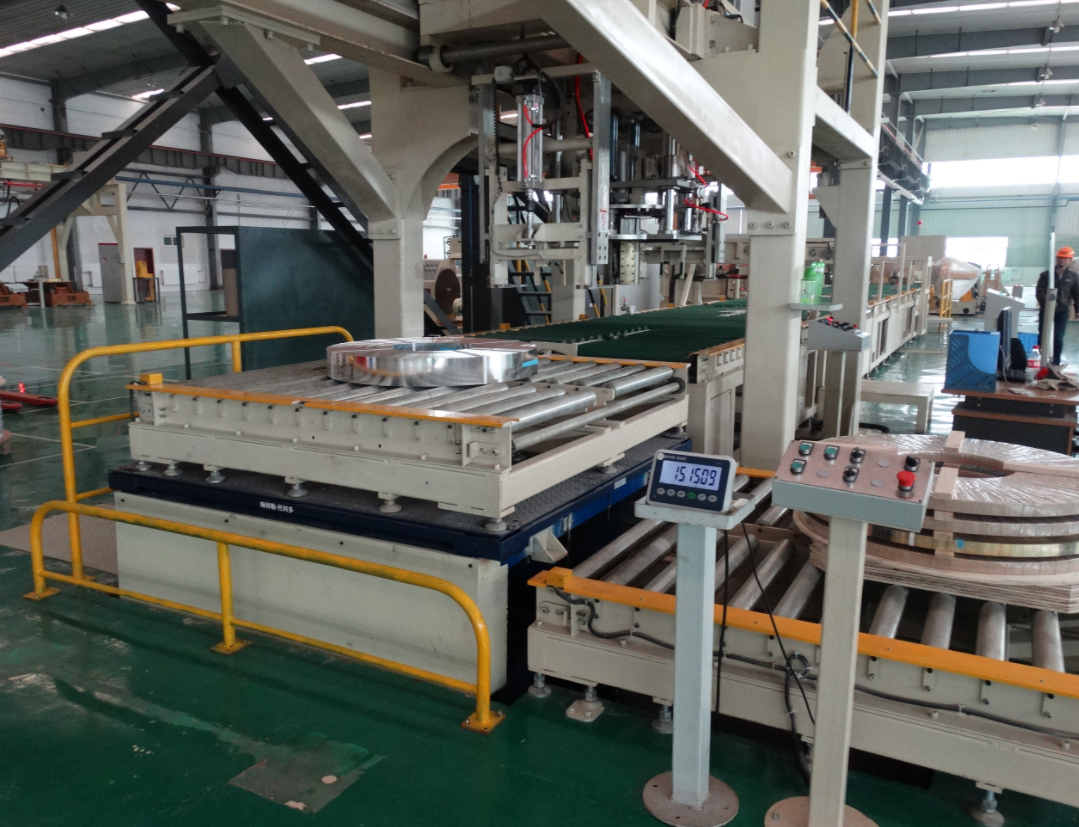
- Automatic centering and weighing.
- Automatic strapping (PET/Steel).
- Automatic wrapping (stretch/shrink film).
- Automatic labeling/barcode application.
- Automatic stacking/discharging.
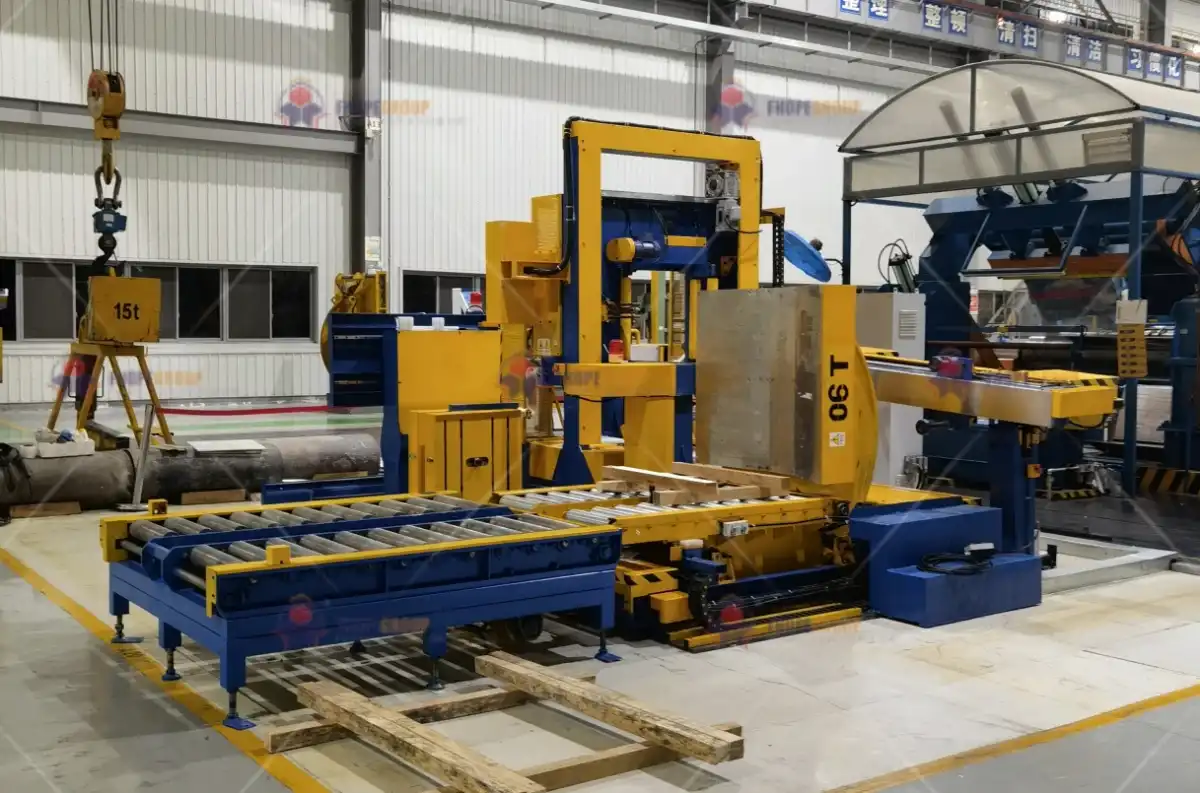
- Example Process Flow (Automated Coil Packing):
What Role Does Advanced Coil Protection Play in Meeting Strict Export Standards?
Are your current packaging methods failing to protect sensitive steel coils from rust, moisture, and scratches, especially when destined for demanding export markets? Are you struggling to meet international certifications like CE/ISO or specific client requirements for barcodes and enhanced protection? This gap in packaging quality can cost you valuable export opportunities.
Advanced coil protection plays a critical role in meeting strict export standards by ensuring products are shielded from environmental damage like rust, moisture, and scratches, which are common during long transit times. It incorporates precise application of specialized materials (e.g., VCI film, robust strapping) and automated processes to comply with international certifications (CE/ISO) and specific client demands for durability and traceability.
For coils traveling long distances or stored in varying climates, protection from moisture, rust, and scratches is absolutely non-negotiable. My journey in the packing machine industry taught me that the quality of packaging can make or break a product’s reputation upon arrival. Advanced packaging lines integrate features like automatic stretch or shrink wrapping with specialized anti-corrosion VCI film. This provides a robust, multi-layered barrier against environmental hazards, ensuring your cold rolled, galvanized, and color-coated coils arrive in pristine condition, a testament to effective corrosion-resistant packaging. This level of protection is vital for maintaining customer satisfaction and avoiding costly disputes, especially in competitive international markets.
-
Guarding Against Environmental Damage: For coils traveling long distances or stored in varying climates, protection from moisture, rust, and scratches is non-negotiable. My journey in the packing machine industry taught me that the quality of packaging can make or break a product’s reputation upon arrival. Advanced packaging lines integrate features like automatic stretch or shrink wrapping with specialized anti-corrosion VCI film. This provides a robust, multi-layered barrier against environmental hazards, ensuring your cold rolled, galvanized, and color-coated coils arrive in pristine condition, a testament to effective corrosion-resistant packaging. This proactive approach prevents surface damage and preserves the intrinsic value of your products, which is crucial for international shipping and long-term storage.
-
Meeting International Certifications (CE/ISO): Export markets, especially in Europe, demand adherence to strict standards like CE and ISO for both product quality and packaging integrity. Manually applied packaging often falls short of these rigorous requirements due to variability. Automated systems are engineered to apply consistent, measurable packaging force and material coverage, directly contributing to compliance. This level of precision is vital for securing necessary certifications and accessing new international markets with confidence. These certifications are not just bureaucratic hurdles; they are assurances of quality and safety that buyers in demanding markets rely on, making compliance a key competitive advantage for your versatile packaging system.
-
Traceability and Customization with Automated Labeling: Modern export clients also require detailed product information, including barcodes and specific identification labels. Manual labeling is slow, error-prone, and struggles with high volumes. Automated packaging lines can integrate smart vision inspection packaging equipment and automatic labeling machines that accurately print and apply unique barcodes or RFID tags. This enhances traceability throughout the supply chain and allows for rapid customization of packaging details for different clients or destinations, showcasing a versatile packaging system. The ability to quickly and accurately apply customer-specific labels improves logistical efficiency and customer satisfaction, as products are easily identifiable and trackable from your factory to their final destination.
- 🛡️ Rust & Corrosion Prevention: VCI film integration.
- 💧 Moisture Barrier: Tight, consistent stretch/shrink wrapping.
- ✨ Scratch & Dent Resistance: Multi-layer protection.
- 🌍 Global Market Access: CE/ISO compliance.
- barcodes for easy tracking.

How Can Upgrading Your Packing Line Significantly Reduce Operational Costs and Boost Safety?
Are escalating labor costs, excessive material waste, and the constant threat of workplace injuries eating into your profit margins? Is your current packing setup an operational drain rather than an asset? These factors directly impede your long-term growth and competitiveness in the steel industry.
Upgrading your packing line significantly reduces operational costs by minimizing labor expenses, optimizing material consumption, and improving overall production continuity. It boosts safety by automating hazardous manual tasks, such as lifting and handling heavy coils, thereby decreasing the risk of workplace accidents and injuries for your employees.
One of the most immediate impacts of automation is the reduction in labor dependency. Instead of multiple workers manually strapping and wrapping, a few operators can oversee an entire automated line. When I started my own successful packing machine factory, a core part of our value proposition was how we could help clients achieve financial independence by cutting unnecessary overheads. This shifts your labor force to more value-added roles, freeing up resources and significantly reducing your overall payroll expenses. It is a strategic move towards a lean operation and a major contributor to packaging process automation upgrades. This also helps in addressing the high turnover rates for physically demanding jobs and the difficulty in retaining young workers.
-
Drastically Lowering Labor Costs: One of the most immediate impacts of automation is the reduction in labor dependency. Instead of multiple workers manually strapping and wrapping, a few operators can oversee an entire automated line. When I started my own successful packing machine factory, a core part of our value proposition was how we could help clients achieve financial independence by cutting unnecessary overheads. This shifts your labor force to more value-added roles, freeing up resources and significantly reducing your overall payroll expenses. It is a strategic move towards a lean operation and a major contributor to packaging process automation upgrades. This also mitigates the problems of high labor intensity and the corresponding high turnover rates, especially in two-shift operations.
-
Optimizing Material Usage and Reducing Waste: Manual packaging often leads to inconsistent material application, resulting in wasted film, strapping, or other consumables. Machines apply materials with precision, using only what is necessary for optimal protection. This minimizes material overlap and reduces scrap, translating into substantial savings on packaging materials over time. Imagine how much film or steel strap you could save daily across hundreds of coils! This is smart filling machine working principle applied to coil packaging, reducing overhead. By using automated systems, you ensure that every inch of material is used effectively, reducing both your purchasing costs and your environmental footprint, aligning with sustainable operational practices.
-
Enhancing Production Continuity and Uptime: Ivan, you run a 24-hour, two-shift operation. Manual processes are prone to stoppages due to fatigue, breaks, or staffing issues. An automated packing line is designed for continuous, high-volume operation, ensuring consistent throughput around the clock. This reduces costly downtime, increases overall equipment effectiveness (OEE), and supports higher production volumes without interruption. This boost in continuity directly contributes to a more efficient packaging production line. Automated lines operate reliably, minimizing human-induced delays and ensuring that your production flow remains uninterrupted, which is crucial for meeting demanding production schedules and maximizing your plant’s output.
-
A Safer Workplace for Everyone: Beyond cost savings, the safety aspect is paramount. Replacing manual lifting, turning, and strapping of 1-3 ton steel coils with mechanical systems dramatically lowers the risk of severe injuries. Workers are no longer exposed to falling objects, pinch points, or repetitive strain. This creates a safer, healthier work environment, boosting morale and reducing worker compensation claims, which aligns perfectly with a comprehensive safety improvement plan for packing. Improved safety leads to fewer accidents, less absenteeism, and a more positive working atmosphere, all of which contribute to greater overall productivity and a better quality of life for your employees.
- 💰 Reduced Labor Expenses: Fewer manual operators needed.
- ♻️ Material Efficiency: Precise application, less waste.
- ⏰ Increased Uptime: 24/7 continuous operation.
- 👷 Lower Injury Risk: Automated handling of heavy coils.
- 📊 Improved OEE: Consistent performance metrics.
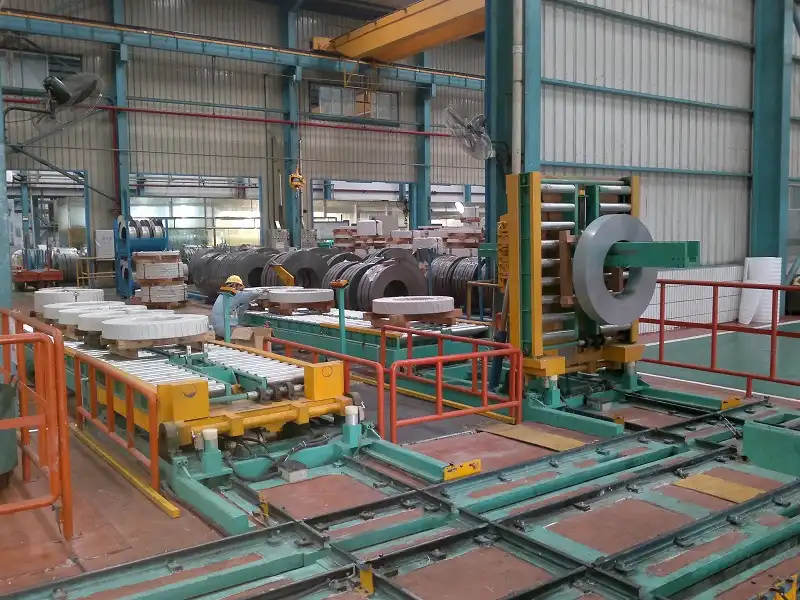
Why is a Long-Term Partnership Essential for a Successful Coil Packing Line Implementation?
Are you wary of making a significant investment in automation without reliable support? Do you fear being left alone after installation, struggling with maintenance, spare parts, or operational training? Without a true partner, your investment could become a new source of frustration rather than a solution.
A long-term partnership is essential for a successful coil packing line implementation because it ensures continuous support, including comprehensive training, readily available spare parts, and proactive maintenance, guaranteeing maximum uptime and operational longevity. Such a partnership goes beyond a mere transaction, providing critical expertise and responsiveness that safeguards your investment and adapts to future needs.
When considering a major upgrade like a full Coil Packing Line, you need more than just a machine supplier. You need a partner who can provide a complete turnkey engineering solution. This means everything from initial consultation and custom design to manufacturing, installation, and seamless integration with your existing production line. My experience helping clients grow their businesses taught me that the true value lies in a holistic approach, not just selling equipment. This ensures a smooth transition and a fully functional system from day one. A genuine partner understands your challenges and works with you to achieve your specific goals, from improving efficiency to securing export markets.
-
Beyond the Sale: Turnkey Solutions and Integration: When considering a major upgrade like a full Coil Packing Line, you need more than just a machine supplier. You need a partner who can provide a complete turnkey engineering solution. This means everything from initial consultation and custom design to manufacturing, installation, and seamless integration with your existing production line. My experience helping clients grow their businesses taught me that the true value lies in a holistic approach, not just selling equipment. This ensures a smooth transition and a fully functional system from day one. A true partner also considers how the new multi-functional packaging system will fit into your overall production flow, minimizing disruptions and maximizing synergy.
-
Comprehensive After-Sales Support and Training: What happens after the installation? A reliable partner offers robust after-sales support, including on-site training for your operators and maintenance staff. This training is crucial for ensuring your team can operate the new automated packaging line efficiently and troubleshoot minor issues, minimizing downtime. We understand that your team needs to master the new technology, and we are committed to empowering them. This also involves continuous learning about smart vision inspection packaging equipment and other advanced features. Effective training means your team gains confidence and competence quickly, ensuring your investment performs optimally from the start.
-
Guaranteed Access to Spare Parts and Maintenance: An automated line is an investment that needs to perform reliably for years. A strong partnership ensures you have guaranteed access to genuine spare parts and timely technical assistance. This proactive approach to maintenance prevents costly breakdowns and keeps your operation running smoothly, ensuring the longevity and continuous performance of your multi-functional packaging system. Without this, even the best machine can become a liability when a critical part fails, underscoring the importance of a supplier who stands by their product with comprehensive support.
-
Adaptability and Future-Proofing: The steel industry is always evolving, and so are customer demands. A long-term partner is attuned to these changes and can offer advice on future upgrades or modifications to your packing line. This ensures your system remains adaptable and future-proof, allowing you to maintain a competitive edge and respond to new challenges or opportunities without needing a complete overhaul. This collaborative approach ensures your packaging solution can evolve with your business, protecting your investment and ensuring its relevance in a dynamic market. This forward-thinking perspective is invaluable for long-term strategic planning.
- 🤝 Turnkey Project Management: From concept to commissioning.
- 🎓 Operator & Maintenance Training: Empowering your team.
- ⚙️ Guaranteed Spare Parts: Minimizing downtime.
- 📞 Responsive Technical Support: Expert help when needed.
- 🔄 Future-Proofing & Adaptability: Evolving with your needs.
Conclusion
Upgrading your coil packing line is a strategic move for long-term growth. It boosts efficiency, ensures superior product protection, enhances safety, and significantly reduces operational costs. Partnering with FHOPEPACK for your coil packing line provides a turnkey solution, comprehensive support, and the expertise needed to transform your packing operations into a true competitive advantage.








