
Slit Coil Packing Line Russia: Why Modern Packaging Solutions Deliver the Best Value for Investment?
Have you ever faced sleepless nights, constantly worrying about your steel coil packing line? I understand the pressure. The steel industry in Russia, like anywhere else, demands precision, speed, and unwavering reliability. Inefficient packing can quickly become a major bottleneck, leading to costly delays, damaged goods, and ultimately, unhappy customers. It is a problem that many production directors, especially in large steel mills, battle with every single day.
Modern packaging solutions, particularly automated slit coil packing lines, deliver the best value for investment in Russia by significantly enhancing operational efficiency, improving product protection to meet global standards, and drastically reducing labor costs and safety risks, ensuring a seamless and profitable production flow.
This is not just about buying a machine. This is about investing in a future where your production runs smoothly, your products are perfectly protected, and your business continues to grow. Let me share my insights on why moving to a modern packing solution is not just an upgrade, but a strategic necessity for Russian steel plants today.
Why are traditional coil packing methods failing Russian steel mills today?
Are you still relying on manual labor for crucial steps in your coil packing process? This might seem like a cost-saving measure on the surface, but I have seen firsthand how it can create a ripple effect of problems. The challenges are clear, and they are becoming more pronounced in the demanding market environments like Russia.
Traditional manual packing methods in Russian steel mills often fail due to inherent inefficiencies, inconsistent quality, high labor dependency leading to safety risks, and an inability to adapt to diverse product requirements and stringent export standards, resulting in significant operational bottlenecks and financial penalties.
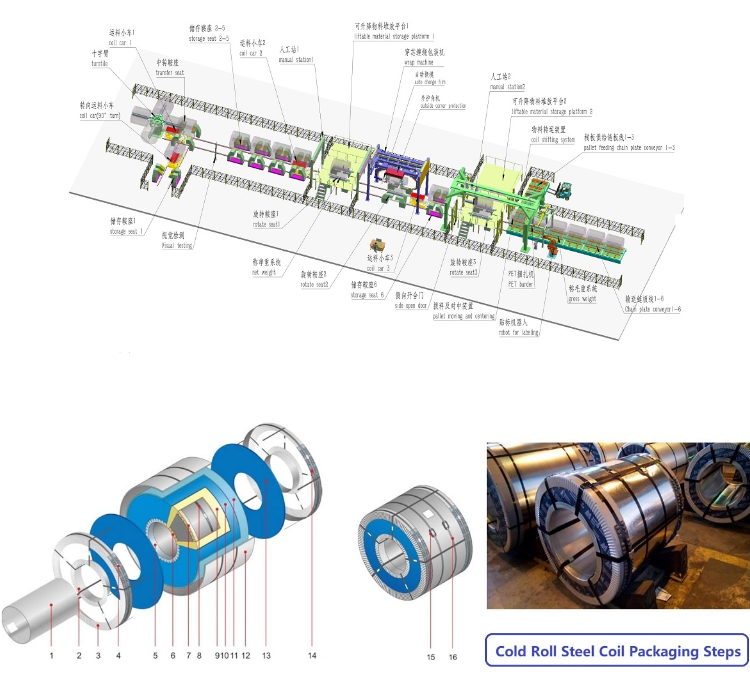
I remember when I first started in this industry, manual packing was the standard. We dealt with heavy lifting and repetitive tasks. Today, with increased production volumes and varied customer demands, manual methods simply cannot keep up. These issues directly impact your bottom line and your reputation.
1.1 The High Cost of Human Error and Inconsistency in Manual Packing
When we talk about packing steel coils, precision is not a luxury; it is a necessity. Manual packing, however, is prone to human error. This leads to inconsistent tension in strapping, uneven film application, and sometimes, even inadequate protection. I have seen clients struggle with complaints about loose coils during transit or coils damaged by moisture because the wrapping was not airtight. This is not the fault of the workers, but the inherent limitation of manual processes.
- Inconsistent Quality: Manual operations often result in varying packaging quality. One coil might be perfectly wrapped, while the next has a loose strap or uneven film. This inconsistency can lead to product damage during storage or transit (packaging quality instability).
- Increased Material Waste: When operators apply film or strapping manually, it is easy to use too much or too little. Over-application wastes expensive materials. Under-application compromises protection, possibly leading to re-packaging or product loss (material usage optimization).
- Slow Production Speed: Human speed limits the overall throughput of your packing line. With hundreds of tons needing to be shipped daily, manual methods cannot match the pace of modern steel production. This creates bottlenecks and delays in dispatch (packing line efficiency).
- Difficulty with Product Variety: Many steel mills produce different types of coils—cold rolled, galvanized, color coated—each with unique packaging needs. Manually switching between these different requirements, like changing strapping materials or wrapping patterns, is time-consuming and prone to errors. This significantly slows down the entire process (flexible packaging solutions).
- Compliance Issues: For export markets, specific packaging standards (like CE/ISO) are crucial. Achieving these consistently with manual labor is challenging. It requires strict adherence to protocols that are hard to maintain over long shifts (export packaging compliance).
These factors combine to create a significant drag on efficiency and profitability. The small savings from avoiding machinery investment are quickly overshadowed by material waste, damaged goods, and lost business opportunities. It is a clear case where initial perceived savings lead to greater long-term costs (operational cost reduction).
What defines a truly modern slit coil packing line for efficiency and safety?
When I talk about a “modern” packing line, I am not just talking about machines. I am talking about a complete system that redefines how your steel coils are prepared for shipment. It is an integrated solution designed to eliminate the very problems we just discussed.
A truly modern slit coil packing line is defined by its comprehensive automation, seamless integration with existing production lines, advanced safety features, and intelligent adaptability to diverse product specifications, ensuring continuous, high-quality output with minimal human intervention.
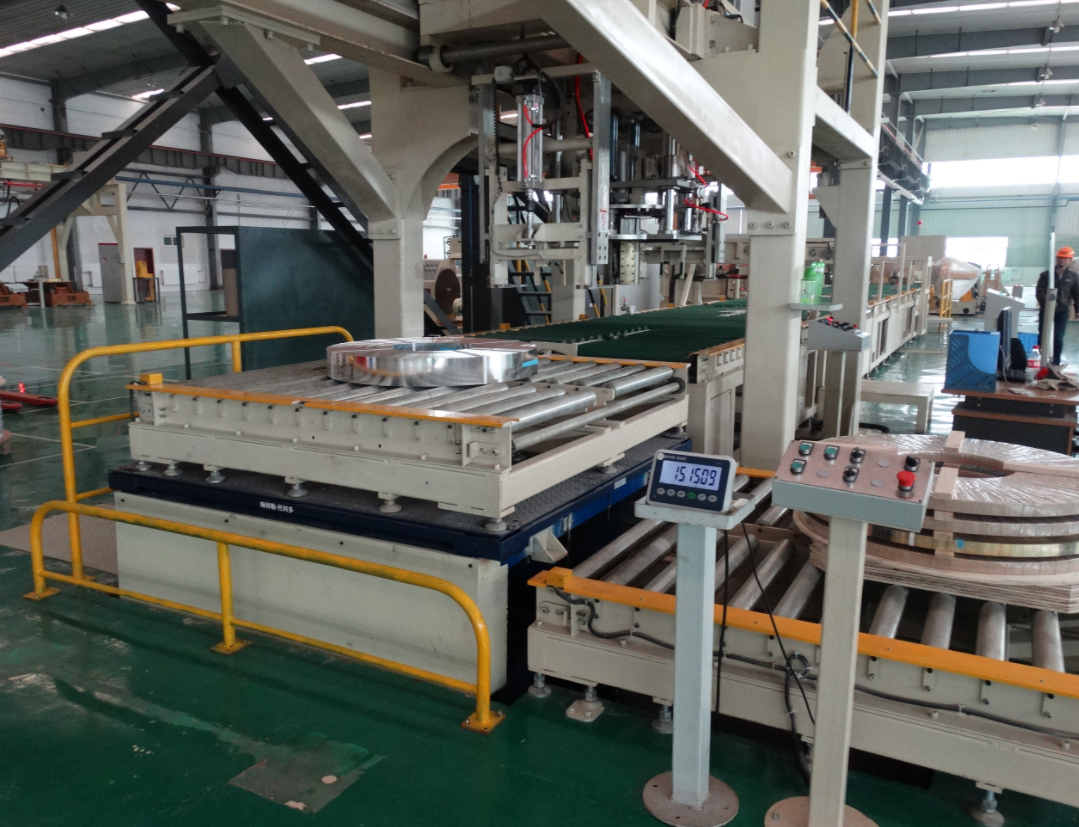
The goal here is simple: make the packing process a strength, not a weakness, for your Russian steel operation. From my experience, a well-designed automated system does exactly that.
2.1 The Pillars of Automation: Integration, Speed, and Reliability
A modern slit coil packing line is a symphony of synchronized machines. It is built for a 24/7 operating environment, something I know is critical for steel mills in Russia. What makes it modern is not just the individual components, but how they work together as one cohesive unit (integrated packaging system).
- Seamless Integration: The best systems integrate directly with your existing slitting or production lines. This means coils move automatically from production to packing without manual handling. It eliminates bottlenecks and reduces the need for human intervention, creating a smooth, uninterrupted flow. This ensures a continuous production and packing process (packaging line integration).
- High-Speed Operation: Automated lines are built for speed. They can strap, wrap, and stack coils much faster than any manual team. This higher throughput ensures that even large daily volumes, often hundreds of tons, are processed efficiently. This directly improves your dispatch capabilities (high-speed packaging).
- Unwavering Reliability: Designed for heavy industrial use, these machines are built to withstand harsh conditions and continuous operation. Robust construction and quality components mean less downtime for maintenance and repairs. This reliability is paramount for meeting strict production schedules in a busy steel plant (industrial packaging reliability).
- Adaptability to Coil Specifications: Modern lines handle a wide range of coil sizes and weights without extensive manual adjustments. Whether it is a 1-ton coil or a 3-ton coil, or variations in inner and outer diameters, the system can adapt automatically. This flexibility is key for mills producing diverse product lines (flexible coil packaging solutions).
- Minimal Manual Intervention: Once configured, the automated line requires minimal human input. Operators monitor the process, making minor adjustments if needed. This reduces labor intensity and frees up skilled workers for more complex tasks elsewhere in the plant. This is a critical step towards a fully automated factory environment (automated material handling).
These features collectively transform the packing operation from a labor-intensive, bottleneck-prone process into an efficient, high-capacity system. It is about working smarter, not harder, to get your products out the door.
2.2 Prioritizing Safety: Protecting Workers Through Automation
Worker safety is something I take very seriously, and it is a core principle behind FHOPEPACK’s designs. In a steel mill, handling heavy coils poses significant risks. Manual operations, especially involving lifting, turning, and strapping heavy steel, are notorious for causing injuries. A modern packing line significantly mitigates these dangers.
- Reduced Manual Handling: Automated systems take over the physically demanding and dangerous tasks of moving, turning, and positioning coils. This eliminates the need for workers to be in close proximity to heavy, moving loads, drastically cutting down on potential accidents like crush injuries or strains (automated material handling safety).
- Integrated Safety Features: Modern machines come equipped with multiple safety interlocks, emergency stop buttons, and protective barriers. Sensors detect human presence and can automatically pause operation to prevent accidents. These features are designed to meet stringent international safety standards, providing a secure working environment (industrial safety automation).
- Ergonomic Design: By removing the need for manual strapping or wrapping, the ergonomic strain on workers is greatly reduced. Repetitive motion injuries, back strains, and fatigue become far less common. This improves overall worker well-being and reduces long-term health issues (ergonomic packaging solutions).
- Remote Monitoring and Control: Many advanced systems allow for remote monitoring and control. Operators can oversee the entire process from a safe distance, reducing direct exposure to operational areas. This adds another layer of safety and allows for quick responses to any issues (smart factory monitoring).
- Compliance with Safety Regulations: In Russia and for export, adhering to safety regulations is critical. Automated systems are designed and built to meet these standards, helping your plant maintain a safe and compliant working environment. This also contributes to attracting and retaining skilled labor, as safety is a major factor for employees (regulatory compliance for machinery).
Investing in automation is not just about efficiency; it is a profound investment in the health and safety of your workforce. It creates a workplace where incidents are minimized, and employees feel secure, leading to higher morale and reduced turnover (workplace safety improvement).
How do advanced packing solutions ensure superior product protection and quality for export?
For steel mills, especially those exporting products from Russia, the packaging is not just a cover; it is a critical layer of protection that guarantees product integrity from the factory floor to the client’s hands. Poor packaging can turn a high-quality steel coil into damaged goods, leading to expensive disputes and lost business.
Advanced coil packing solutions ensure superior product protection and quality for export by employing precise, automated application of specialized materials like PET/steel strapping and multi-layer stretch/shrink film, effectively guarding against moisture, rust, and physical damage, while consistently meeting international certification standards like CE/ISO and enabling automated labeling for traceability.

My journey in this industry has shown me that true quality extends beyond the steel itself; it includes how it arrives. This is especially true for delicate products like galvanized or color-coated coils.
3.1 The Science of Protection: Anti-Rust, Anti-Scratch, Anti-Moisture
When your coils leave the plant, they face a gauntlet of environmental challenges: humidity, temperature changes, and potential physical abrasions during handling and transport. Modern packing lines are engineered to provide comprehensive protection against these threats. This is where advanced materials and precise application technology truly shine (advanced protective packaging).
- Precision Strapping for Secure Coils: Automated strapping machines apply PET or steel straps with consistent, high tension. This ensures the coil remains compact and stable, preventing loose windings that could lead to damage or even dangerous unraveling during transport. The precise tension control means straps are tight enough without causing deformation to the coil edges (automated coil strapping).
- Multi-Layer Film Application for Environmental Shielding: Automated orbital stretch wrapping or shrink film systems apply multiple layers of specialized film. This creates a robust barrier against moisture, dust, and rust. For products like galvanized or color-coated coils, this is vital. The even overlap and consistent tension ensure no gaps for contaminants to enter. This is a crucial element for rust prevention and moisture barrier packaging (weatherproof packaging solutions).
- Anti-Scratch Protection: For delicate surfaces, specific interleaving materials or protective wraps can be integrated into the automated process. These materials act as a cushion, preventing surface scratches and abrasions during handling and stacking. This is particularly important for high-value products where surface finish is critical (surface protection packaging).
- Vacuum Packaging Options: For extreme protection against rust and oxidation, some advanced systems can incorporate vacuum packaging elements, especially for long-term storage or highly sensitive materials. This further enhances the barrier properties and extends shelf life (hermetic packaging systems).
- VCI Integration: Volatile Corrosion Inhibitor (VCI) papers or films can be automatically dispensed and applied with the packing. VCI technology releases protective molecules that create a barrier on the metal surface, actively preventing corrosion during transit and storage. This adds another layer of active rust protection (corrosion inhibition packaging).
By combining these elements, a modern packing line offers a level of protection that manual methods simply cannot achieve. This means fewer damaged goods, fewer customer complaints, and a stronger reputation for quality.
3.2 Meeting Global Standards: CE/ISO Certification and Smart Labeling
Exporting steel coils to international markets means navigating a maze of standards and customer-specific requirements. Automated packing solutions are designed with these complexities in mind, making compliance straightforward and reliable. From my experience, a system that handles this automatically is invaluable.
- Consistent Adherence to International Standards: Automated lines are programmed to apply packaging materials and configurations that meet specific international certifications, such as CE for European markets or various ISO standards. This consistency is hard to achieve manually but is inherent in an automated process. This helps Russian exporters confidently meet global market demands (international packaging standards compliance).
- Integrated Barcode and Labeling Systems: Modern lines include automatic labeling and barcode printing systems. These machines print and apply precise labels with all necessary product information, tracking data, and even customer-specific logos. This ensures accurate identification, efficient inventory management, and traceability throughout the supply chain (automatic labeling solutions).
- Strict Moisture Control: Export packaging often requires rigorous moisture protection. Automated systems can integrate desiccant dispensers or utilize specialized moisture-barrier films with precise application. This is essential for preventing corrosion during long sea voyages or storage in varying climates (moisture control packaging).
- Customizable Packing Recipes: Advanced control systems allow for “packing recipes” to be saved and recalled for different products or customers. For example, one customer might require PET strapping and VCI film, while another needs steel strapping and heavy-duty stretch wrap. The system can switch between these recipes instantly, ensuring the correct packaging every time (customized packaging configurations).
- Data Logging and Reporting: Many automated systems can log data on each packed coil, including date, time, packing configuration, and material usage. This data is invaluable for quality control, auditing for certifications, and continuous process improvement. It provides concrete evidence of compliance and operational efficiency (packaging data analytics).
By consistently meeting these demanding requirements, modern packing solutions not only protect your product but also protect your reputation and open doors to more international business opportunities.
Can automating your coil packaging significantly cut operational costs and labor in Russia?
The upfront investment in an automated coil packing line can seem substantial. However, I have seen time and again how this investment quickly pays for itself through drastic reductions in operational costs and a more efficient use of your workforce. For a country like Russia, where labor dynamics can be challenging, this is a game-changer.
Automating coil packaging can significantly cut operational costs and labor in Russia by reducing reliance on manual labor, minimizing material waste, improving energy efficiency, and boosting overall production throughput, leading to a rapid return on investment and enhanced long-term profitability.

It is not just about replacing people with machines. It is about optimizing resources and creating a more sustainable and profitable operation.
4.1 Unlocking Savings: Less Labor, Less Waste, More Throughput
The direct and indirect cost savings from automation are extensive. When you analyze the entire production cycle, the benefits become clear. My clients often report significant improvements in their bottom line within a relatively short period after implementing an automated solution (ROI in automation).
- Reduced Labor Costs and Dependency: This is often the most immediate and impactful saving. Automated lines require fewer operators, and those who remain can be redeployed to supervisory roles or other skilled tasks. This helps address labor shortages and reduces the burden of high labor turnover in demanding environments. Over time, the cost of labor saved far outweighs the machine’s initial price (labor cost optimization).
- Optimized Material Consumption: Automated systems apply packaging materials with precision. They use the exact amount of film, strapping, or paper needed, without waste from over-application or mistakes. This can lead to substantial savings on packaging materials, which are a significant recurring cost for steel mills (packaging material reduction).
- Increased Production Throughput: By operating continuously and at higher speeds than manual processes, automated lines drastically increase the volume of coils that can be packed per shift. This means you can process more orders, reduce lead times, and ultimately, increase your plant’s revenue-generating capacity (production capacity enhancement).
- Lower Incidence of Damaged Goods: As discussed earlier, superior protection from automation means fewer damaged coils. This translates into fewer claims, fewer returns, and less scrap. The cost savings from avoiding these issues can be substantial (product damage prevention).
- Reduced Energy Costs (per unit): While machines consume electricity, the efficiency gains mean that the energy cost per coil packed is often lower. Modern machines are also designed for energy efficiency, using smart motors and optimized operational cycles (energy-efficient packaging machinery).
These combined savings create a compelling financial case for automation. It is a strategic investment that strengthens your financial position and boosts your competitive edge in the market (cost-effective packaging solutions).
Choosing the right partner: What should Russian steel plants look for in a packing machine supplier?
Investing in an automated slit coil packing line is a significant decision. It is not just about the machine; it is about the relationship with the supplier. For Russian steel plants, securing a long-term partnership with a reliable and knowledgeable provider is just as crucial as the technology itself.
When selecting a packing machine supplier, Russian steel plants should look for a partner who offers comprehensive turnkey solutions, proven expertise in heavy industrial applications, robust after-sales support including training and spare parts availability, and a commitment to understanding and meeting specific operational challenges and goals.
From my experience establishing FHOPEPACK, I know that trust and reliability are built on more than just selling equipment. It is about providing a complete solution and standing by it.
5.1 Beyond the Machine: Turnkey Solutions and Long-Term Support
A true partner offers more than just the physical machinery. They provide a complete package that ensures your investment is successful from day one and continues to deliver value for years to come. This is what I always strive to provide at FHOPEPACK.
- Comprehensive Turnkey Engineering: A reputable supplier should offer a full “turnkey” solution. This means they handle everything from initial consultation and line design, to manufacturing, installation, commissioning, and final handover. You should not have to coordinate multiple vendors; one partner should manage the entire project seamlessly (complete packaging line solutions).
- Customized Solution Design: Every steel plant has unique layouts, production flows, and specific needs. A good partner will not offer a one-size-fits-all solution. Instead, they will work closely with you to design a packing line that is specifically tailored to your factory’s footprint, coil specifications, and operational goals. This ensures maximum efficiency and integration (bespoke industrial packaging).
- Robust After-Sales Service and Maintenance: The relationship does not end after installation. Long-term support is vital. This includes responsive technical support, regular maintenance services, and readily available spare parts. Downtime is expensive, so quick resolution of any issues is paramount. A strong service network, even internationally, is a must (industrial equipment maintenance support).
- Operator Training and Knowledge Transfer: Your team needs to be proficient in operating and performing basic maintenance on the new equipment. A committed supplier will provide thorough, on-site training for your staff, ensuring they are comfortable and capable of managing the automated line effectively. This empowers your local team and reduces reliance on external support (packaging machinery training).
- Commitment to Innovation and Future Upgrades: The best partners are forward-thinking. They continually invest in R&D and can offer future upgrades or modifications to keep your packing line at the forefront of technology. This ensures your initial investment remains valuable even as industry standards evolve (future-proof packaging technology).
Choosing a partner with this comprehensive approach ensures that your journey into automation is smooth, well-supported, and ultimately, successful. It builds a foundation for a long-term, beneficial relationship (strategic supplier partnership).
Conclusion
Investing in a modern automated coil packing line is a strategic imperative for Russian steel mills. It addresses critical challenges by boosting efficiency, guaranteeing product quality for export, enhancing safety, and significantly cutting operational costs. This shift is not just an upgrade; it is a clear path to sustained competitiveness and a stronger return on investment in the dynamic global steel market.








