
Slit Coil Packing Line Russia: How Advanced Packing Lines Become a Game Changer for Long-Term Growth?
The roar of a steel mill in Russia is truly something to experience. Yet, beneath this power, a critical bottleneck often lurks: the packaging line. Are your slit steel coils, fresh from production, facing delays and quality issues in their final preparation? This problem can easily erode profits, harm customer trust, and even slow down your entire operation.
Advanced slit coil packing lines become a game changer for long-term growth by integrating automation, improving packaging consistency, enhancing safety, and reducing operational costs. These systems specifically address challenges faced by Russian steel mills, such as diverse product demands, labor shortages, and strict export requirements, ensuring consistent, high-quality output for sustainable business expansion.
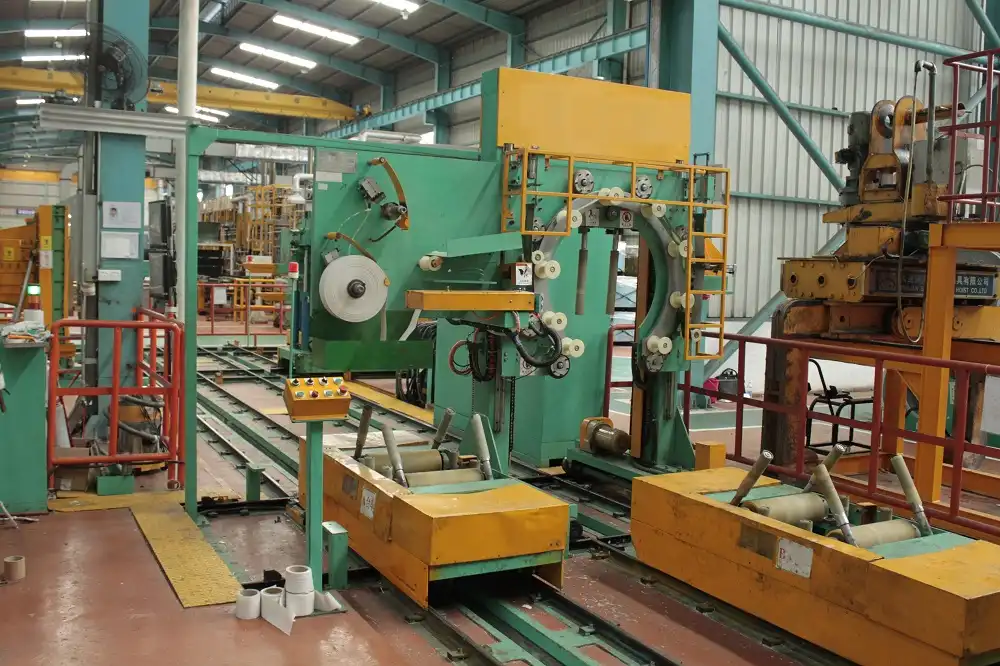
As Randal Liu, founder of FHOPEPACK, I have seen first-hand how the right packing solution transforms a business. We moved from manual operations to fully automated systems. This experience shaped my mission: to share knowledge and help others. If you are a production director in Russia, looking at your packing workshop, these insights could be the solution you need. Let’s explore how advanced packing lines can redefine your future.
Are Your Steel Coil Packing Challenges in Russia Slowing Down Your Growth?
Imagine a large Russian steel mill, producing hundreds of tons of high-quality cold-rolled, galvanized, and color-coated coils daily. Now, picture these valuable products reaching the packing workshop, where manual processes cause delays, inconsistent quality, and even safety risks. Does this scenario sound familiar? This is a common pain point for many steel producers. It directly impacts delivery schedules and customer satisfaction. (steel coil packaging challenges, Russian steel industry bottlenecks)
Yes, current manual or semi-automated packing methods can significantly hinder growth. They create inefficiencies, lead to inconsistent packaging quality, increase labor costs, and pose safety risks. These problems directly affect a mill’s ability to meet diverse customer demands and expand into competitive markets. Such limitations prevent steel mills from achieving optimal output and securing long-term business success.
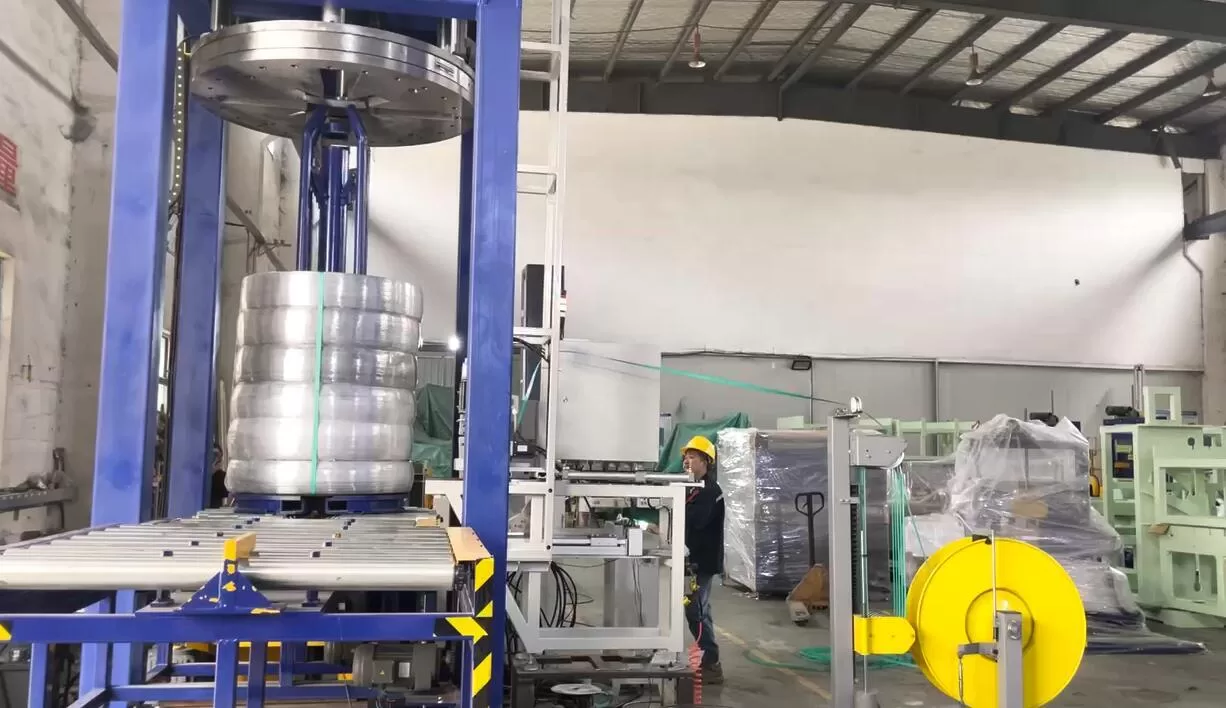
From my own journey in the packing machine industry, I remember the days when we relied heavily on manual labor. We faced similar issues. The struggle was real. We needed to handle different coil types with varying demands for PET/steel strapping, moisture-proof wrapping, and precise labeling. Overcoming these challenges with an integrated solution was key. It allowed us to grow.
Diving Deeper: Understanding the Core Obstacles for Russian Steel Mills
In Russia’s demanding steel industry, the finishing stage, particularly coil packaging, faces unique pressures. These pressures come from product diversity, labor market trends, and rising customer expectations. A deeper look helps us understand why existing methods often fall short.
-
Product Diversity and Manual Switching Overload:
- The Problem: Steel mills produce a wide array of coils. This includes cold-rolled, galvanized, and color-coated varieties. Each type often requires a specific packing method. Manually switching between these different requirements is time-consuming and prone to human error. Operators spend valuable time adjusting machines or tools. This slows down the entire line. It impacts overall production efficiency.
- The Impact: This constant manual intervention leads to production bottlenecks. It reduces the throughput of the packaging workshop. It also increases the risk of mistakes. For example, applying the wrong type of strapping or film. This directly affects product quality and customer satisfaction. It creates a need for versatile packing solutions. (versatile packing solutions, coil packaging process optimization)
-
Labor Shortages and High Turnover in High-Intensity Environments:
- The Problem: Packaging steel coils is physically demanding work. It involves heavy lifting, precise movements, and repetitive tasks. In Russia, like many industrial regions, finding and retaining young workers for such high-intensity roles is increasingly difficult. Younger generations often seek less physically strenuous jobs. This results in a skilled labor shortage.
- The Impact: Reliance on manual labor in this context is unsustainable. It leads to higher rates of worker fatigue, injuries, and absenteeism. This increases operational costs through medical expenses and temporary staffing. It also creates inconsistency in packing quality. An experienced worker might do a perfect job, but a new hire might struggle. This inconsistency directly harms reputation. (automated packaging solutions, labor cost reduction)
-
Inconsistent Packaging Quality and Customer Complaints:
- The Problem: Manual strapping and wrapping often result in uneven tension or loose coils. This happens because human strength and focus vary throughout a shift. An operator might apply too much tension on one coil and too little on another. This lack of uniformity is a significant issue.
- The Impact: Poorly packaged coils are vulnerable during transit. They can shift, loosen, or get scratched. This leads to customer complaints, product returns, and even contractual penalties. For export clients, who often have strict requirements (like CE/ISO certification), inconsistent packaging is unacceptable. It damages relationships and future business opportunities. Ensuring uniform packaging quality is paramount. (consistent packaging quality, steel coil protection)
These challenges highlight a clear need for change. Russian steel mills must move towards more robust, automated solutions. This is not just about efficiency. It is also about maintaining quality, ensuring safety, and securing a competitive edge in a global market. Addressing these core obstacles is the first step towards long-term growth.
What Makes a Slit Coil Packing Line in Russia Truly “Advanced” and Automated?
Many people think “automation” simply means replacing a person with a machine. But for a slit coil packing line in a Russian steel mill, true advancement goes much deeper. It means creating a system that thinks, adapts, and performs with minimal human intervention. It should handle diverse products seamlessly, and integrate into the existing production flow. (advanced automated packing systems, intelligent packaging machinery)
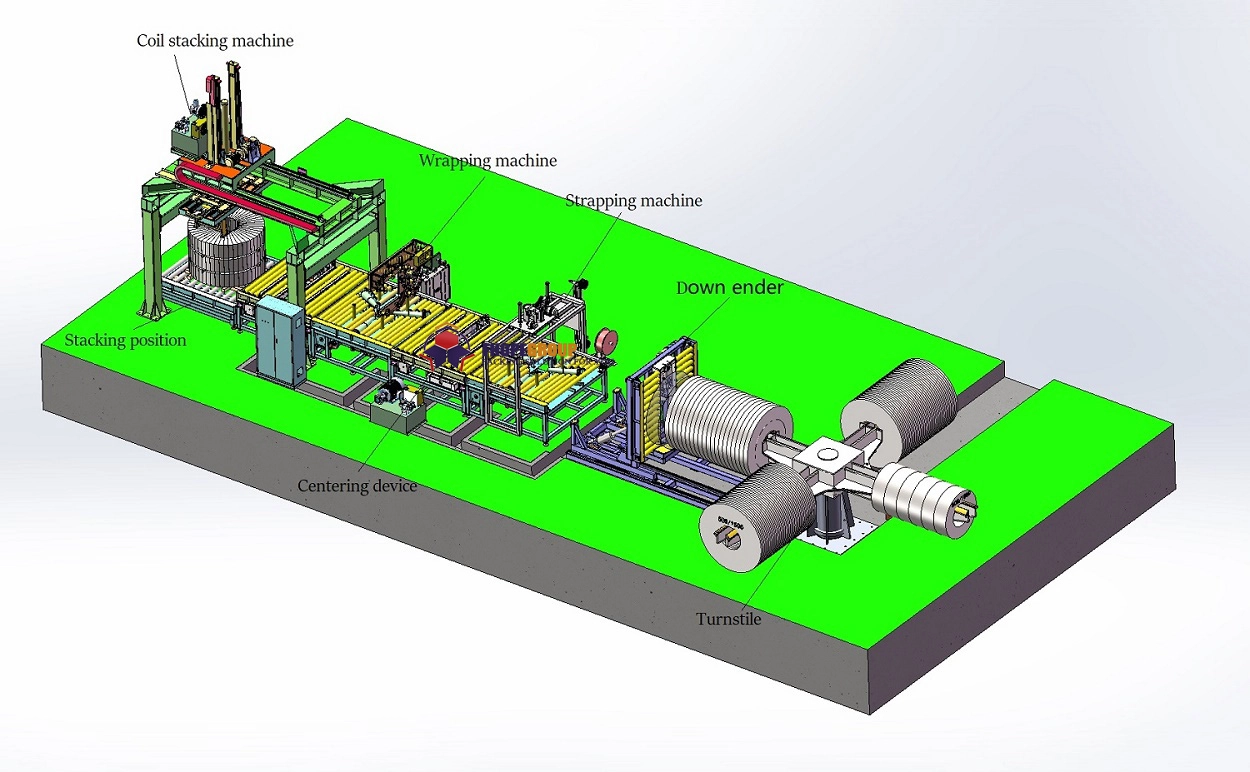
A truly advanced and automated slit coil packing line integrates multiple functions into one cohesive system. This includes automatic coil handling, wrapping, strapping, labeling, and stacking. It uses intelligent control systems to adapt to varying coil sizes and types, reducing manual effort and ensuring consistent, high-quality packaging suitable for both domestic and international markets, becoming a comprehensive solution for Russian operations.

I have always believed that our mission at FHOPEPACK is not just to sell machines. It is to provide comprehensive solutions. When I started my factory, I realized the need for systems that were more than just individual pieces of equipment. Clients in Russia and elsewhere needed solutions that understood their entire production process. They needed systems that could truly perform. This approach guides our work.
Diving Deeper: The Pillars of an Integrated Automatic Slit Coil Packing Line
An advanced packing line for Russian steel mills is not a collection of standalone machines. It is an intelligent, interconnected ecosystem designed for peak performance and adaptability. This holistic approach sets it apart.
-
Comprehensive Automation of the Entire Packing Process:
- From Start to Finish: An advanced line starts with automatic coil handling. This involves precise lifting, conveying, and positioning of coils. It moves beyond just a single wrapping machine. It includes automatic flipping (horizontal to vertical or vice versa), precise strapping (using PET or steel bands), moisture-proof wrapping (stretch or shrink film), and automated labeling. This entire sequence happens without human hands touching the coil.
- Benefits: This end-to-end automation drastically reduces manual labor. It minimizes the risk of human error. It also ensures a consistent flow of packaged coils. This consistency is vital for maintaining production schedules and meeting delivery deadlines. It transforms the coil packaging process into a streamlined operation. (integrated packing systems, packaging line automation)
-
Smart Adaptability to Diverse Coil Specifications:
- Flexible Handling: Russian steel mills deal with a variety of coil dimensions and weights. An advanced system is built to adapt. It can automatically adjust for different coil diameters, widths, and weights (e.g., 1-3 tons). This means the same line can handle cold-rolled, galvanized, and even color-coated coils with minimal changeover time. Sensors detect coil parameters and adjust machine settings automatically.
- Key Technology: This adaptability often relies on advanced PLC control systems and robust mechanical designs. These systems can store multiple packing recipes. Operators can select the required recipe with a simple command. This flexibility is critical for mills with diversified product portfolios. It eliminates the manual, time-consuming adjustments. (flexible packaging machinery, multi-functional packaging systems)
-
Enhanced Packaging Quality and Protection:
- Precision Strapping and Wrapping: Unlike manual methods, automated strapping machines apply consistent tension. This ensures the coil is securely bound, preventing loosening during transport. Automatic wrappers apply film with uniform overlap and tension. This creates an effective barrier against moisture, rust, and scratches.
- Export-Ready: For clients requiring specific standards, such as CE or ISO certification, consistent quality is non-negotiable. An advanced line ensures every coil meets these precise requirements. It can also integrate automatic barcode application or RFID tagging. This adds traceability and further meets export demands. It protects the product and secures its journey. (high-quality packaging solutions, export packaging standards)
-
Integration of Safety Features and Data Management:
- Worker Safety: Automation removes workers from hazardous tasks like heavy lifting, flipping, and manual strapping. Safety barriers, emergency stops, and interlocks are standard features. This dramatically lowers the risk of industrial accidents and injuries. It creates a safer working environment for employees.
- Operational Insights: Modern packing lines also offer data logging capabilities. They monitor production rates, material consumption, and machine performance. This data allows for predictive maintenance, helps optimize material usage, and provides valuable insights into overall operational efficiency. It moves packing from a manual task to a data-driven process. (safety in automation, smart factory integration)
These elements combined form an advanced, automated packing line. It is not just about moving coils faster. It is about doing it smarter, safer, and with higher quality. This is how Russian steel mills can achieve long-term growth and maintain a competitive edge.
How Can a Reliable Packing Line Guarantee 24/7 Operation and Reduce Costs in Russian Steel Mills?
The reality of steel production in Russia often means continuous operation. Mills run 24 hours a day, through multiple shifts. Downtime on the packing line is not just an inconvenience; it can bring the entire production chain to a halt. This leads to massive financial losses. So, how can a packing line truly guarantee non-stop performance and also significantly cut operational costs? (continuous packing operations, industrial cost reduction strategies)
A reliable packing line guarantees 24/7 operation through robust construction, high-quality components, and intelligent design that minimizes wear and tear. It reduces costs by cutting labor needs, optimizing material usage, and preventing product damage. For Russian steel mills, this means consistent output, fewer breakdowns, and a strong return on investment. It creates a stable and efficient production environment.
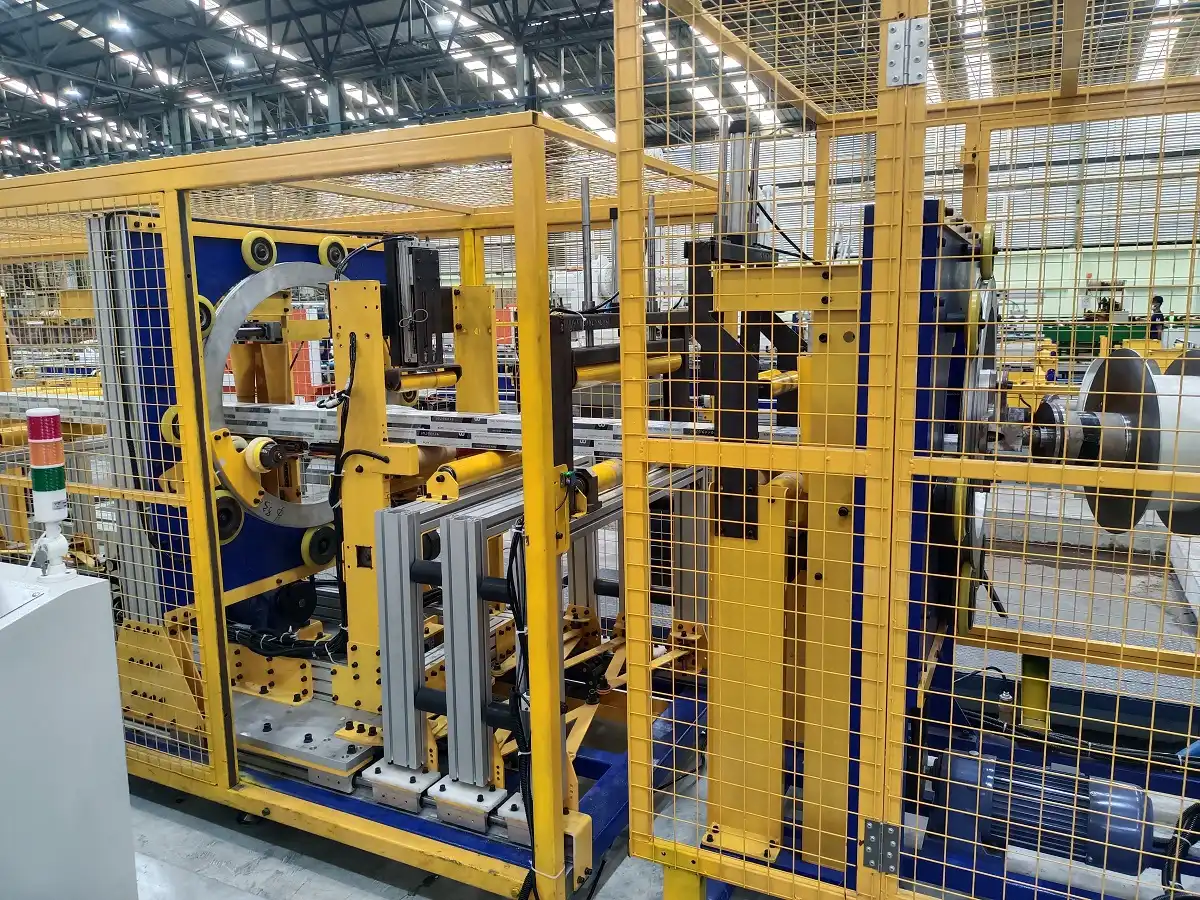
When I founded FHOPEPACK, I knew reliability was paramount. My own experience in packing machine factories taught me that a machine that frequently breaks down is worse than no machine at all. We focus on building equipment that can withstand the toughest industrial environments. This approach ensures our clients in Russia and worldwide get systems they can trust, day in and day out. It’s about engineering for endurance.
Diving Deeper: Building Reliability and Driving Cost Savings in Steel Coil Packaging
Achieving 24/7 reliability and substantial cost reduction in a Russian steel mill’s packaging workshop requires a multi-faceted approach. It involves smart engineering, proactive maintenance, and strategic automation.
-
Engineered for Durability and Continuous Duty Cycle:
- Robust Construction: The foundation of reliability is robust mechanical design. Advanced packing lines use heavy-duty steel frames and components. They are built to withstand the weight and forces involved in handling 1-3 ton steel coils. Components are selected for their long lifespan and resistance to harsh industrial environments. This includes dust, temperature fluctuations, and continuous vibration.
- High-Quality Components: Critical parts, such as motors, sensors, and PLC controllers, come from reputable international suppliers. These parts are known for their reliability and availability. This reduces the likelihood of unexpected failures. It also makes sourcing spare parts easier, minimizing downtime when maintenance is needed. This focus on quality engineering ensures consistent operation. (durable packing machinery, industrial automation reliability)
-
Reduced Labor Dependence and Enhanced Safety:
- Minimizing Human Intervention: A fully automated line requires significantly fewer operators. Tasks like manual strapping, wrapping, and coil manipulation are eliminated. This directly addresses the labor shortage challenge. It reduces the overall wage bill and associated benefits. It also allows existing staff to be reallocated to higher-value tasks or supervisory roles.
- Safety as a Cost Saver: Automation removes workers from dangerous situations. This reduces the risk of workplace injuries. Fewer injuries mean lower medical costs, less absenteeism, and reduced compensation claims. This improves the overall safety record of the plant. A safer workplace also improves employee morale and retention. (labor-saving packaging equipment, workplace safety automation)
-
Optimized Material Usage and Waste Reduction:
- Precise Wrapping and Strapping: Automated systems apply packaging materials with precision. They use the optimal amount of film or strapping. This minimizes waste from overtensioning, uneven application, or material tearing. For example, a wrapper can calculate the exact film length needed for each coil, reducing material consumption significantly compared to manual estimates.
- Consistent Quality, Less Re-work: By ensuring consistent, high-quality packaging, the line reduces instances of damaged or poorly packed coils. This means fewer returns, less need for re-packaging, and fewer customer complaints. All these factors translate into direct savings on materials, labor, and logistics. It optimizes the packaging material supply chain. (packaging material optimization, waste reduction in manufacturing)
-
Predictive Maintenance and Diagnostic Capabilities:
- Smart Monitoring: Advanced packing lines include sensors and software for monitoring key operational parameters. These systems can detect early signs of wear or potential malfunction. This allows for scheduled maintenance. It prevents catastrophic breakdowns. Operators receive alerts when parts need attention.
- Minimizing Unplanned Downtime: With predictive maintenance, repairs happen during planned shutdowns. This avoids unexpected interruptions to the 24/7 production schedule. This proactive approach ensures maximum uptime. It protects the investment in the packing line. It also increases the overall equipment effectiveness (OEE) of the entire steel production facility. (predictive maintenance for packing lines, efficient packaging operations)
By combining robust engineering with smart automation, Russian steel mills can establish packaging lines that are not only reliable for continuous 24/7 operation but also powerful drivers of cost reduction. This leads to a stronger bottom line and a more competitive position in the global market.
Meeting Global Standards: Can Russia’s Steel Coils Achieve Export-Ready Packaging Quality?
For many Russian steel mills, export markets represent significant growth opportunities. But these markets come with strict demands. International clients expect not only high-quality steel but also packaging that meets global standards. This includes specific certifications like CE/ISO, clear traceability through barcodes, and robust protection against moisture and damage. Can your current packaging line rise to this challenge? (export packaging compliance, international quality standards)
Yes, Russia’s steel coils can achieve export-ready packaging quality by implementing advanced automatic packing lines. These systems ensure consistent application of PET/steel strapping and multi-layer moisture-proof film. They also integrate automated labeling for barcodes and offer comprehensive traceability. This combination meets stringent international standards like CE/ISO. It guarantees product integrity during long transit times for global customers.
My journey with FHOPEPACK has taken me across borders. I’ve seen the precise demands of European, American, and Asian markets. It taught me that packaging is not just about protecting the product. It is also about communicating quality and compliance. We designed our machines to meet these exacting requirements. We want to empower our clients in Russia to confidently export their products anywhere in the world.
Diving Deeper: Achieving Export-Grade Packaging with Advanced Lines
Meeting global export standards for steel coils involves more than just wrapping a product. It requires precision, certification, and traceability. Advanced packing lines are specifically designed to deliver on these complex requirements.
-
Certified Packaging Materials and Application:
- Material Selection: Export-grade packaging begins with certified materials. This includes high-strength PET or steel strapping. It also involves multi-layer stretch or shrink film with excellent moisture barrier properties. These materials must comply with international shipping regulations and customer specifications. An advanced line is compatible with these certified materials.
- Precision Application: Automated systems apply these materials with consistent tension and overlap. This is crucial for maintaining package integrity during long journeys. Consistent strapping prevents coils from shifting or deforming. Uniform film application ensures maximum protection against corrosion, rust, and abrasion from environmental factors. (certified packaging materials, moisture-proof wrapping solutions)
-
Integrated Barcoding and Traceability Systems:
- Automated Labeling: International trade demands clear product identification and traceability. Advanced packing lines integrate automatic labeling machines. These systems apply durable, weather-resistant labels with barcodes, QR codes, or RFID tags. This happens automatically after the coil is packaged. The labels contain critical information like product type, weight, destination, and batch number.
- Enhanced Supply Chain Visibility: This automated labeling ensures that every coil is identifiable and trackable throughout the supply chain. It simplifies inventory management, customs clearance, and delivery verification. For clients, it offers confidence in knowing the exact origin and specifications of their order. This feature is vital for export compliance and customer satisfaction. (automated barcode labeling, supply chain traceability)
-
Strict Adherence to International Standards (CE/ISO):
- Design for Compliance: Advanced packing lines are designed with international standards in mind. This means the packaging processes themselves contribute to a CE or ISO compliant final product. The consistency, quality, and material usage all align with these rigorous benchmarks. My team ensures our machines help our clients meet these global demands.
- Documentation and Verification: The automated process provides consistent data. This data helps in documenting the packaging process for audits and certifications. Achieving these certifications opens doors to new markets. It enhances the reputation of Russian steel producers on the global stage. It shows a commitment to quality and reliability. (CE certified packaging, ISO compliant packaging solutions)
-
Damage Prevention: Anti-Corrosion and Anti-Scratch Measures:
- Multi-Layer Protection: Beyond basic wrapping, advanced lines can incorporate additional protective measures. This includes anti-corrosion VCI (Volatile Corrosion Inhibitor) film or paper inserts. These work to prevent rust in humid conditions. Edge protectors can also be automatically applied to prevent scratching or denting of coil edges during handling and transport.
- Secure Palletizing/Stacking: For shipping, automated stacking and palletizing systems ensure coils are securely arranged for transport. This prevents movement and damage. Combined with robust strapping and wrapping, this creates a comprehensive protective barrier. It guarantees the product arrives in pristine condition. (anti-corrosion packaging, product damage prevention)
By leveraging these capabilities, Russian steel mills can confidently package their coils to meet and exceed global export standards. This not only protects their products but also strengthens their position in highly competitive international markets. It turns packaging into a competitive advantage.
Choosing the Right Partner: What Does a “Game Changer” Collaboration Look Like for Russian Steel Companies?
Investing in an advanced slit coil packing line is a major decision. It is not just about buying machinery. It is about forging a strategic partnership. For a Russian steel company, finding the right supplier means looking beyond the initial purchase price. It means finding a partner who offers a “game changer” level of support, expertise, and long-term commitment. But what does such a collaboration truly entail? (strategic packing machine partner, long-term supplier relationship)
A “game changer” collaboration for Russian steel companies involves a partner who offers more than just equipment. It means receiving turnkey engineering, comprehensive after-sales training, readily available spare parts, and ongoing technical support. This partnership ensures seamless integration of the packing line, maximizes uptime, and provides continuous operational improvement. It helps secure the investment for long-term success.
I remember the early days of FHOPEPACK. Building strong relationships with our clients was, and still is, central to our mission. I personally witnessed how a reliable partnership transformed businesses. It wasn’t just about the machine; it was about the trust, the shared vision, and the continuous support. This is what I strive to offer every client, especially those in Russia, where long-term stability is valued. (trusted packaging solutions provider, client success partnership)
Diving Deeper: The Elements of a Game-Changing Partnership for Packing Lines
For Russian steel companies, a truly impactful partnership with a packing machine supplier offers a blend of expertise, reliability, and dedicated support. This is crucial for maximizing the return on investment in advanced automation.
-
Turnkey Project Engineering and Seamless Integration:
- Comprehensive Solutions: A game-changer partner provides a full “turnkey” solution. This means they handle everything from initial consultation and design to manufacturing, installation, and commissioning. They understand the specific requirements of a Russian steel mill. They ensure the new packing line integrates smoothly with existing production lines (e.g., cold rolling or slitting lines).
- Reduced Complexity: This approach removes the burden from the client. The supplier takes responsibility for the entire project lifecycle. This minimizes risks and ensures the new system works perfectly from day one. It means the client gets a complete, operational solution. They do not just get a collection of machines. This ensures a successful transition to automated packaging. (turnkey packaging projects, seamless system integration)
-
Comprehensive After-Sales Training and Support:
- Empowering Local Teams: The best equipment is useless without trained operators and maintenance staff. A strong partner provides in-depth training. This covers operation, troubleshooting, and routine maintenance. This training empowers the client’s team to manage the new system effectively. It reduces reliance on external support for daily issues.
- Ongoing Technical Assistance: Beyond initial training, a reliable partner offers continuous technical support. This could be through remote diagnostics or on-site visits when needed. This ensures any issues are resolved quickly. It keeps the line running smoothly. This level of support is vital for minimizing downtime and maximizing productivity. (after-sales service packing machines, technical support for automation)
-
Readily Available Spare Parts and Maintenance Programs:
- Global Supply Chain: A true partner ensures that critical spare parts are readily available. This is especially important for international clients like those in Russia. They will have a robust supply chain to minimize waiting times for replacement components. This prevents extended downtime that can cost millions in lost production.
- Preventative Maintenance Planning: The partner also assists in developing preventative maintenance schedules. They provide recommendations for critical spare parts inventory. This proactive approach helps steel mills anticipate maintenance needs. It avoids unexpected failures. This commitment to long-term operational health differentiates a good supplier from a great one. (spare parts availability, preventative maintenance programs)
-
Commitment to Long-Term Relationship and Continuous Improvement:
- Beyond the Sale: A game-changer partner views the relationship as long-term. They are not just interested in a one-time sale. They offer insights into future upgrades and optimizations. They help clients adapt to evolving market demands. This includes new packaging standards or product types.
- Shared Growth: This continuous engagement fosters shared growth. The supplier learns from the client’s operational feedback. The client benefits from the supplier’s ongoing innovation. This collaborative spirit ensures the packing line remains a cutting-edge asset. It contributes to the steel mill’s sustained competitiveness and growth in Russia and beyond. (long-term supplier partnerships, continuous operational improvement)
Choosing a partner with these qualities transforms the investment in a slit coil packing line into a strategic asset. It guarantees not only operational efficiency but also long-term success and peace of mind for Russian steel companies. It is about securing a future where packaging is a strength, not a challenge.
Conclusion
The journey to long-term growth for Russian steel mills hinges on embracing advanced packaging solutions. By investing in a high-quality coil packing line, you can overcome labor challenges, ensure consistent quality, and confidently meet global export demands. Choose a partner committed to turnkey solutions and lasting support to transform your packing operations into a true competitive advantage.








