
Slit Coil Packing Line Mexico: What Engineering Upgrades Improve Efficiency in Service Centers?
Are you a production manager in a Mexican steel service center, constantly battling tight deadlines, labor shortages, and inconsistent packing quality for your slit coils? I understand the pressure you face. The efficiency of your packing line is not just about throughput; it directly impacts your bottom line, customer satisfaction, and even worker safety. Manual packing methods can quickly become bottlenecks, turning potential profits into costly delays and quality issues.
Engineering upgrades in slit coil packing lines significantly boost efficiency in Mexican service centers by automating labor-intensive processes, ensuring consistent package quality, adapting to diverse product specifications, and enhancing overall operational safety. These enhancements transform traditional packing areas into high-performance hubs, reducing costs and meeting stringent export demands.

I’ve seen firsthand how a well-designed packing solution can revolutionize a factory. From my early days as an engineer to building FHOPEPACK, my mission has always been to simplify complex packing challenges. Let’s dive deeper into the specific engineering upgrades that are making a real difference in service centers today.
Why are existing manual slit coil packing methods falling short for Mexican service centers?
Do you find your team constantly struggling to keep up with the volume of slit coils needing to be packed, especially when dealing with varied customer requirements? Many service centers in Mexico still rely heavily on manual labor for processes like strapping, wrapping, and handling. This approach often leads to a series of significant operational hurdles, impacting both efficiency and profitability. The human element, while adaptable, introduces inconsistencies and limitations that modern production demands simply cannot tolerate.
Manual slit coil packing methods are falling short in Mexican service centers due to inherent inefficiencies, susceptibility to human error, safety risks for workers, and their inability to scale rapidly with increasing production demands and diverse product specifications. The high intensity of these tasks often results in high employee turnover and inconsistent package quality, failing to meet today’s rigorous market standards.
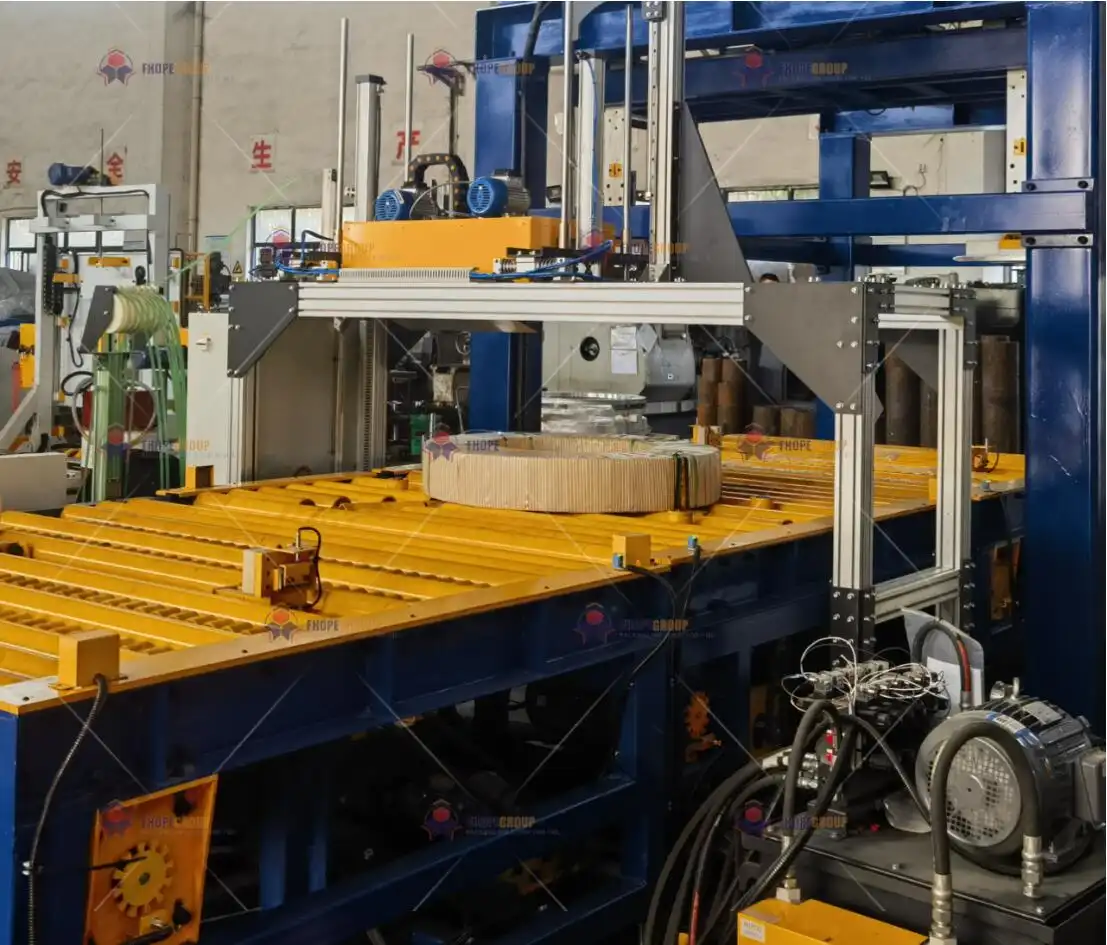
From my experience working with numerous factories, I’ve observed that these challenges are universal. They are particularly acute in demanding environments like Mexico’s steel industry. The current landscape highlights several critical issues that traditional manual processes simply cannot overcome.
-
Labor Intensity and Shortages:
- High Physical Demands: Manual handling of heavy steel coils, even with assistance, is physically exhausting. Workers must manually position straps, apply protective materials, and often perform repetitive tasks. This leads to fatigue and higher risks of injury.
- Skilled Labor Scarcity: Finding and retaining skilled workers for these strenuous jobs is a growing challenge. Younger generations often seek less physically demanding roles, leading to high turnover rates and a constant need for training new staff. This directly impacts the consistency and speed of the packing process.
- Impact on Throughput: A reliance on manual labor means that packing speed is directly tied to the number of available workers and their physical endurance. This limits daily output and creates bottlenecks when production surges or staff levels are low. Mexican service centers need solutions that reduce dependence on a shrinking labor pool. (Automated coil handling solutions)
-
Inconsistent Packing Quality:
- Varying Tension: When workers manually apply strapping or wrapping film, achieving uniform tension across every coil is difficult. This inconsistency can lead to loose bundles, compromised protective layers, and product damage during transit. Customers expect uniform, secure packaging.
- Human Error: Mistakes in strap placement, wrapping coverage, or label application are common. These errors result in rework, wasted materials, and, more critically, customer complaints or even rejected shipments. Export requirements, especially for markets like the US or Europe, demand flawless packaging.
- Lack of Standardization: Without automated processes, it is nearly impossible to standardize packing quality across different shifts or operators. Each worker may have a slightly different technique, making it hard to maintain a consistent brand image or meet specific client demands. This lack of standardization makes quality control complex. (Consistent packaging quality systems)
-
Safety Concerns:
- Risk of Injury: Manual lifting, positioning, and securing heavy steel coils present significant safety hazards. Pinch points, cuts from sharp edges, and musculoskeletal injuries are common. This leads to higher worker compensation claims and lost production time.
- Worker Exposure: Workers are often in close proximity to moving machinery or heavy loads, increasing the risk of accidents. Service centers must prioritize worker safety, and manual processes often put employees in harm’s way unnecessarily. Implementing automation reduces the need for human intervention in hazardous areas. (Workplace safety automation)
-
Limited Adaptability for Product Diversity:
- Manual Adjustments: Mexican service centers handle various coil types—cold-rolled, galvanized, and prepainted—each with different diameters, weights, and surface sensitivities. Manually switching between different packing requirements is time-consuming and prone to errors.
- Slow Changeovers: Adjusting manual lines for different coil sizes or packing materials (e.g., PET vs. steel strap, stretch vs. shrink film) requires significant downtime. This reduces overall operational flexibility and slows down the processing of diverse product orders. Modern lines need to switch quickly. (Flexible packaging solutions)
These combined factors paint a clear picture: for Mexican service centers to remain competitive and meet growing market demands, transitioning from manual to automated slit coil packing is not just an option; it is a necessity. The cost of inaction—in terms of lost efficiency, quality issues, and safety risks—far outweighs the investment in modern engineering upgrades. (Packaging line optimization challenges)
How can automation address the diverse packing needs of various coil types in Mexico?
Are you struggling to efficiently pack a wide array of slit coil types—from delicate prepainted coils to robust cold-rolled steel—all on the same packing line without excessive manual intervention or costly downtime? Handling such product diversity can be a logistical nightmare, often requiring multiple manual adjustments or even separate packing areas. This complexity directly impacts your operational speed and flexibility, making it difficult to fulfill diverse customer orders quickly.
Automation addresses the diverse packing needs of various coil types in Mexico by offering flexible, programmable systems that can quickly adapt to different coil sizes, weights, and material sensitivities with minimal human intervention. This includes features like adjustable tooling, integrated sensor systems, and programmable logic controllers (PLCs) that ensure precise and customized packaging for cold-rolled, galvanized, and prepainted coils, optimizing changeover times.
When I founded FHOPEPACK, one of the core principles was to build machines that weren’t just fast, but smart and adaptable. Our clients often face the challenge of producing a wide range of products for different markets. Here is how modern automated solutions tackle this head-on:
-
Programmable Logic Controllers (PLCs) for Recipe Management:
- Customizable Packing Recipes: Modern automated slit coil packing lines use advanced PLCs that can store multiple packing “recipes.” Each recipe corresponds to a specific coil type (e.g., cold-rolled, galvanized, prepainted) and its unique packing requirements (e.g., number of straps, wrapping layers, specific tension settings). This allows for rapid recall of optimal settings.
- One-Touch Changeovers: Operators can select the appropriate recipe from a user-friendly interface, triggering automatic adjustments to the machine’s parameters. This drastically reduces the time and effort needed for changeovers, eliminating manual tweaking and ensuring consistent application of the correct packing standard for each product. This capability is vital for Mexican service centers handling varied production. (Smart packaging machine control)
-
Adjustable and Adaptive Mechanical Components:
- Universal Strapping Heads: Automated strapping machines are equipped with strapping heads that can adjust their height and position to accommodate a wide range of coil diameters and widths. This eliminates the need for manual tool changes when moving from smaller to larger coils. Some systems even feature multiple strapping heads for different strap types (e.g., PET and steel).
- Variable Wrapping Rings: For stretch or shrink wrapping, the wrapping rings and tensioning systems are designed to automatically adjust to the coil’s circumference and desired tension. Sensors detect the coil dimensions, and the system applies the film precisely, regardless of coil size. This ensures optimal moisture and rust protection for every coil, crucial for shipping from Mexico. (Multi-functional packing system)
-
Integrated Sensor and Vision Systems:
- Automatic Coil Detection: Advanced sensors detect the exact dimensions (inner diameter, outer diameter, width) and even the orientation of each incoming coil. This information is fed to the PLC, which then instructs the packing machinery to adjust accordingly. This prevents errors and ensures precise application of packing materials.
- Smart Quality Checks: Some systems incorporate vision systems that can inspect the coil surface for defects before packing or verify the correct application of labels and straps after packing. This ensures that only perfectly packed coils proceed to dispatch, improving overall quality assurance for diverse products. This proactive detection reduces rework. (Smart visual inspection packaging equipment)
-
Modular Design and Flexible Layouts:
- Configurable Packing Modules: An automated line can be built with modular components, allowing service centers to add or remove specific functions as needed. For example, a module for inner diameter strapping might be added for certain export clients, or a specialized labeling module for QR codes. This future-proofs the investment.
- Seamless Integration: These modular systems are designed to integrate seamlessly into existing production lines. This means Mexican service centers can gradually upgrade their packing capabilities without a complete overhaul of their entire facility. The goal is a cohesive, efficient flow from slitting to dispatch. (Integrated packaging line solutions)
By embracing these engineering upgrades, service centers can transform their packing operations from a bottleneck into a flexible, high-speed, and high-quality stage of their production. It moves beyond just a machine; it creates a dynamic and intelligent packaging environment capable of managing all product types with consistent excellence. (Automated coil packaging solutions)
What role do advanced strapping and wrapping technologies play in ensuring export-quality coil packaging?
Are your export shipments sometimes met with complaints about loose strapping, damaged protective film, or insufficient moisture protection, leading to costly rejections or customer dissatisfaction? Exporting steel coils from Mexico requires more than just basic packaging; it demands adherence to international standards like CE/ISO and specialized protection against environmental elements. Traditional methods often fail to consistently meet these rigorous benchmarks.
Advanced strapping and wrapping technologies are crucial for ensuring export-quality coil packaging by providing precise tension control, superior material application, and integrated protective features that meet international standards (like CE/ISO) and withstand demanding transit conditions. These systems utilize high-strength PET or steel strapping, combined with sophisticated stretch or shrink wrapping, to prevent shifting, protect against corrosion, and ensure structural integrity.
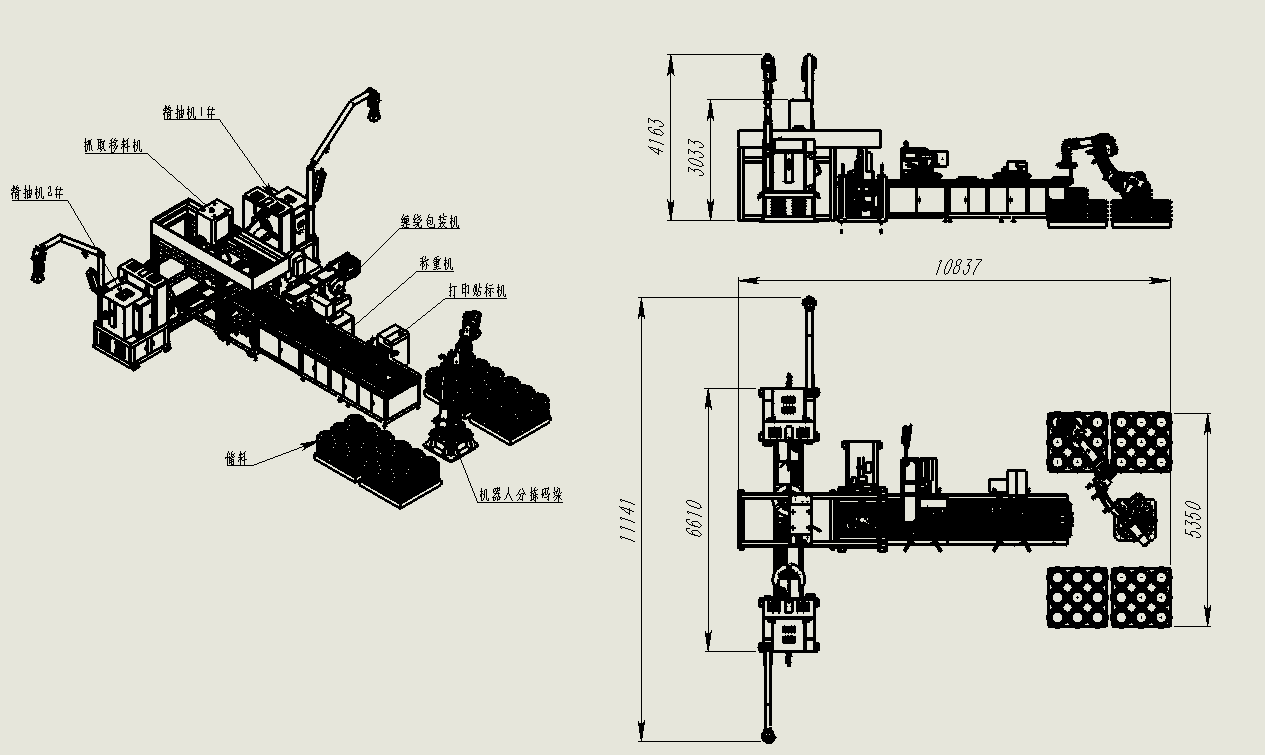
I recall early on in my career, some clients lost significant export contracts due to inadequate packaging. It taught me the importance of not just packing, but mastering packing. Here’s how cutting-edge technologies elevate coil packaging to export-ready standards:
-
Precision Strapping with PET and Steel:
- Optimal Tension Control: Advanced automatic strapping machines apply straps with digitally controlled tension. This means every strap is applied with the exact force required, preventing both over-tensioning (which can damage the coil edges) and under-tensioning (which leads to loose bundles). This consistency is critical for coil stability during long-distance transport from Mexico.
- Material Versatility: These systems easily handle both high-strength PET (polyester) and traditional steel strapping. PET is gaining popularity for its excellent elasticity, shock absorption, and corrosion resistance, while steel offers unmatched strength for heavier coils. The ability to switch between or even combine these materials offers flexibility to meet varied customer specifications and budgets.
- Multiple Strapping Heads: For enhanced security, some lines feature multiple strapping heads that can apply straps simultaneously or in quick succession, across different axes (radial and axial). This multi-directional strapping creates a robust cage around the coil, preventing shifting and damage during handling and shipping. This is essential for protecting valuable exports. (Automated strapping machine features)
-
Superior Wrapping for Environmental Protection:
- Advanced Stretch Wrapping: Fully automatic stretch wrapping machines apply multiple layers of specialized film (e.g., LLDPE) with controlled overlap and tension. This creates a tight, water-resistant barrier that protects against moisture, dust, and minor abrasions. Orbital wrappers, in particular, ensure 360-degree coverage, which is vital for preventing rust and surface damage to steel coils in humid climates or during sea transport.
- Shrink Wrapping Solutions: For coils requiring even greater protection or a specific aesthetic finish, shrink wrapping systems can be integrated. These machines apply a heat-shrinkable film that, upon heating, conforms tightly to the coil’s shape, creating a secure, tamper-evident, and highly protective barrier. This offers excellent resistance against corrosion and impacts.
- Desiccant Integration: For extreme moisture protection, automated systems can incorporate dispensers for desiccants (moisture-absorbing packets) inside the wrap. This ensures a dry micro-environment around the coil, critical for preventing rust on sensitive steel products destined for export. This level of detail sets professional packing apart. (Industrial wrapping machine solutions)
-
Integrated Labeling and Traceability:
- Automatic Barcode Application: Modern packing lines include automated label applicators that can print and affix barcodes, QR codes, and other identification labels directly onto the packed coil. This ensures accurate tracking throughout the supply chain, from the service center in Mexico to the end customer. This eliminates manual labeling errors.
- Data Integration: These labeling systems often integrate with the service center’s ERP or WMS, pulling relevant order and product data to ensure the correct information is printed on each label. This seamless data flow enhances inventory management and provides critical traceability for quality control and compliance. Meeting CE/ISO standards often requires robust labeling. (Automated labeling systems for packaging)
By leveraging these advanced technologies, Mexican service centers can confidently guarantee that their slit coils meet the highest international packing standards. This not only prevents costly rejections but also enhances their reputation as reliable suppliers of high-quality steel products, opening doors to new export markets. (Export packaging solutions)
Beyond efficiency, how do these engineering upgrades enhance safety and reduce labor dependency?
Are your packing operations still exposing workers to significant risks, or are you constantly struggling with the availability of personnel for physically demanding tasks like coil handling and strapping? For many service centers in Mexico, the goal of automation often extends beyond just speed; it’s equally about safeguarding employees and mitigating the challenges of a shrinking labor pool. Manual processes, by their nature, carry inherent dangers and place heavy reliance on human strength and presence.
Engineering upgrades in slit coil packing lines significantly enhance safety and reduce labor dependency by automating hazardous tasks, minimizing manual interaction with heavy loads, and implementing ergonomic designs and smart control systems. These innovations drastically lower the risk of workplace injuries, address labor shortages by reallocating human resources to supervisory roles, and improve overall operational security for Mexican service centers.
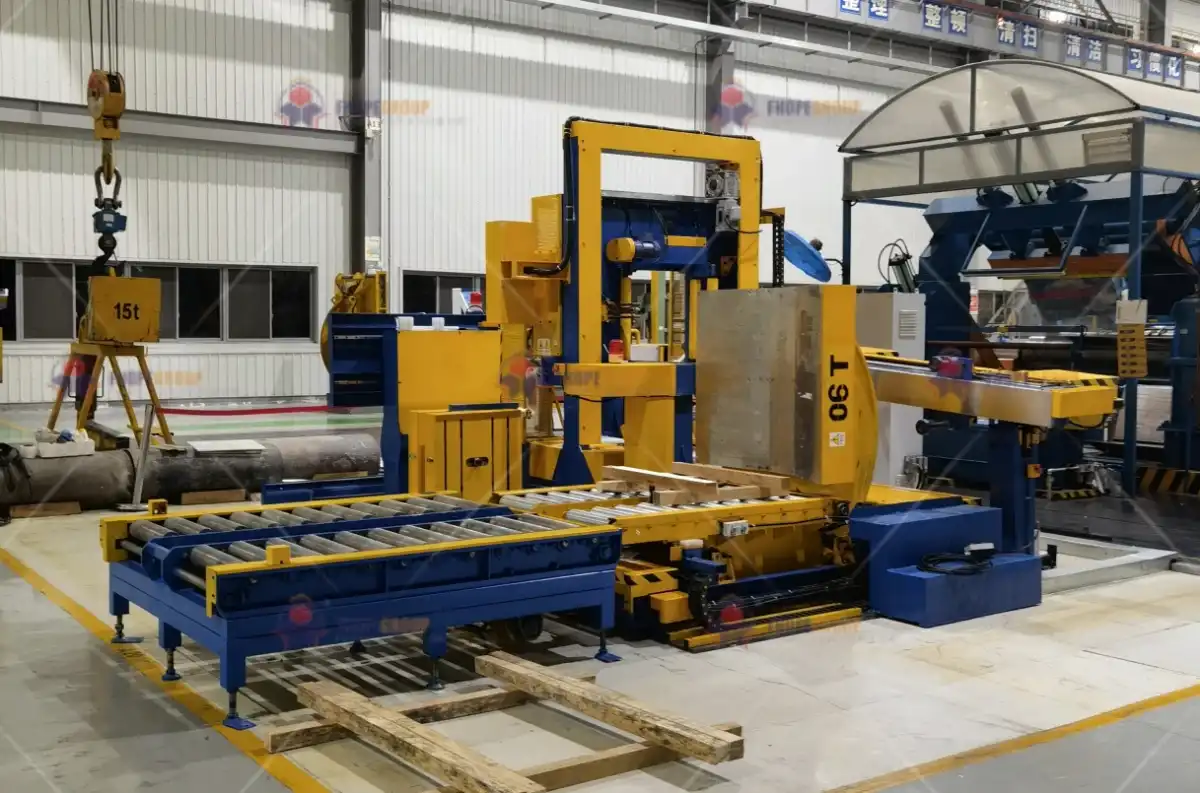
During my time building FHOPEPACK, I always emphasized that a truly excellent packing solution must also be a safe solution. It is not just about making a machine faster; it is about making the entire process safer for the people operating it. Here’s how these upgrades deliver on that promise:
-
Eliminating Manual Coil Handling and Flipping:
- Automated Conveyor Systems: Heavy steel coils are transported seamlessly through the packing line using robust conveyor systems, including roller conveyors, chain conveyors, and even walking beam conveyors. This eliminates the need for forklifts or overhead cranes to reposition coils within the packing area, reducing the risk of collisions, dropped loads, and pedestrian accidents.
- Integrated Up-enders and Turnstiles: For coils that need to be reoriented (e.g., from vertical to horizontal or vice-versa for strapping), automated up-enders or turnstiles perform these operations mechanically. Workers no longer need to manually guide or manipulate heavy coils, removing them from hazardous zones and preventing crush injuries or strains. This is a huge safety improvement. (Automated coil handling solutions)
-
Automated Strapping and Wrapping:
- Remote Operation: Modern strapping and wrapping machines can be operated from a safe distance, often via a control panel or even a centralized control room. This removes workers from the immediate vicinity of moving machinery, strapping heads, and tensioning devices, significantly reducing the risk of pinch points, entanglement, or being struck by moving parts.
- Guardings and Safety Interlocks: These automated systems are equipped with comprehensive safety guardings and interlocks. If a safety gate is opened or a light curtain is breached, the machine immediately stops, preventing access to hazardous areas during operation. This proactive safety design is critical in busy service centers. (Automated packaging machine safety)
-
Reduced Manual Labor and Ergonomic Design:
- Repetitive Task Automation: Tasks like feeding strapping material, applying film, cutting, and sealing are all automated. This eliminates the repetitive motions that often lead to musculoskeletal disorders and chronic pain for manual laborers. Workers are freed from physically demanding, monotonous jobs.
- Redeployment of Workforce: By automating these tasks, human resources can be reallocated to more supervisory, quality control, or maintenance roles. This shifts the focus from physical labor to skilled oversight, making jobs more engaging and sustainable for the long term. It helps Mexican service centers overcome labor shortages by optimizing existing staff.
- Ergonomic Workstations: Even for tasks that still require some human input, the design of the packing line often includes ergonomic considerations. Control panels are at comfortable heights, and access points for maintenance are designed for ease and safety, reducing strain on workers. (Ergonomic packaging solutions)
-
Enhanced Operational Security and Compliance:
- Consistent Operation: Automated systems perform tasks identically every time, reducing the variability that can lead to unexpected machine behavior or human error-induced accidents. This consistent operation contributes to a more predictable and safer working environment.
- Regulatory Compliance: Investing in automated safety features helps service centers comply with national and international occupational safety regulations. This proactive approach minimizes legal risks and demonstrates a commitment to employee well-being, which is important for any business, especially in Mexico. (Industrial safety automation)
These engineering upgrades transform the packing area from a high-risk, labor-intensive environment into a highly automated, secure, and efficient operation. They not only boost throughput but also cultivate a safer, more sustainable working culture, addressing some of the most critical challenges faced by Mexican service centers. (Workplace safety in automated systems)
What are the long-term cost benefits of investing in a fully automated slit coil packing line?
Are you concerned about the upfront investment required for a fully automated slit coil packing line, or unsure how to justify the cost against the long-term returns for your service center in Mexico? It’s a common question I hear from business owners. While the initial capital outlay can seem significant, the true value of automation lies in its ability to generate substantial savings and efficiencies over the operational lifespan of the equipment.
Investing in a fully automated slit coil packing line yields significant long-term cost benefits through reduced labor expenses, optimized material consumption, minimized product damage and claims, increased production throughput, and lower operational overheads. These comprehensive savings contribute to a rapid return on investment and enhanced profitability for Mexican service centers by transforming packing from a cost center into an efficient value-adding process.
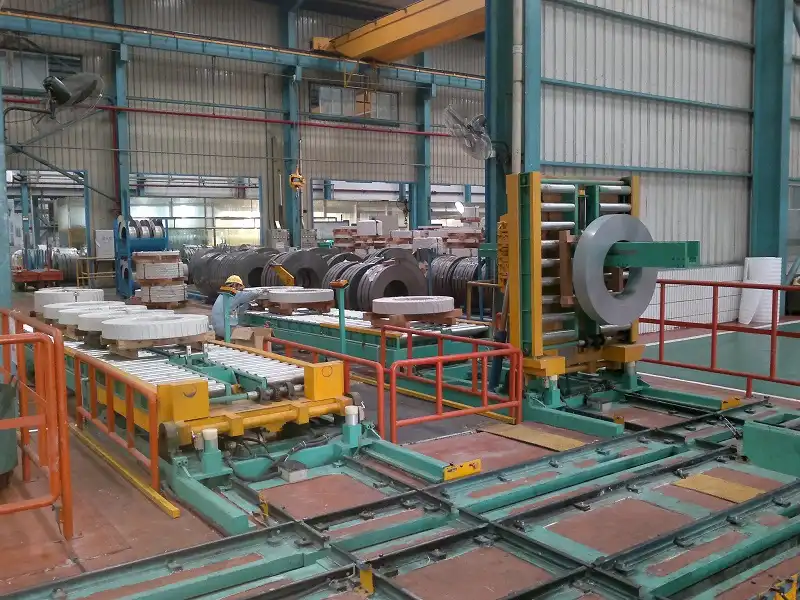
When I advise clients on new packing solutions, I always encourage them to look beyond the sticker price. The real picture emerges when you factor in the operational savings and competitive advantages. Here’s a breakdown of how automated lines deliver on cost benefits:
-
Reduced Labor Costs:
- Fewer Personnel Required: A fully automated line can perform the work of several manual laborers, significantly reducing the number of operators needed per shift. This translates directly into lower payroll expenses, benefits, and costs associated with recruitment and training for Mexican service centers, which face labor shortages.
- Shift from Unskilled to Skilled Roles: While some labor is reduced, the remaining staff often transition to higher-skilled roles like supervision, maintenance, and quality control. This improves overall workforce utilization and reduces reliance on temporary or seasonal workers, creating a more stable and efficient team. The overall cost per unit of output drops significantly. (Labor cost reduction strategies)
-
Optimized Packaging Material Consumption:
- Precise Material Application: Automated systems apply strapping, wrapping film, and other materials with extreme precision. They use only the amount necessary, eliminating waste from manual over-application or mistakes. This can lead to substantial savings on packaging consumables over time.
- Consistent Tension and Coverage: By ensuring optimal tension and uniform coverage, automated lines prevent the need for re-packing due to loose straps or inadequate protection. This reduces material wastage and ensures that every piece of material contributes effectively to protecting the product, crucial for competitive pricing in Mexico. (Packaging material optimization)
-
Minimized Product Damage and Customer Claims:
- Superior Packing Quality: Consistent, high-quality packing from automated lines significantly reduces the risk of product damage during handling, storage, and transit. This means fewer customer complaints, returns, and costly claims for damaged goods.
- Enhanced Reputation: Delivering perfectly packed coils consistently builds a strong reputation for reliability and quality. This can attract new customers and strengthen relationships with existing ones, potentially leading to increased sales and market share for Mexican service centers. Avoiding damage saves not just money, but also brand equity. (Reducing product damage in transit)
-
Increased Production Throughput and Continuity:
- Higher Speed and Consistency: Automated lines operate at significantly higher speeds and with greater consistency than manual operations, leading to higher daily output. This allows service centers to process more orders in less time, maximizing revenue potential from existing production capacity.
- Reduced Downtime: Modern automated systems are built for reliability and continuous operation (e.g., 24/7). While maintenance is required, unexpected breakdowns are less frequent than with aging or manual equipment. When issues arise, diagnostic tools can help pinpoint problems quickly, reducing costly downtime. This ensures uninterrupted production. (Production efficiency improvements)
-
Lower Operational Overheads:
- Energy Efficiency: Many modern packing machines are designed with energy-efficient motors and operational modes, reducing electricity consumption compared to older or less optimized systems.
- Space Optimization: Automated lines often have a smaller footprint per unit of output compared to large manual packing areas, potentially freeing up valuable floor space for other production activities or storage. This efficient use of space adds to the overall operational benefits. (Operational cost reduction)
Considering these compounding benefits, the initial investment in a fully automated slit coil packing line for a Mexican service center quickly translates into a powerful engine for long-term savings, improved profitability, and a stronger competitive position in the market. It’s a strategic move for sustainable growth. (Long-term ROI in automation)
Conclusion
Investing in engineering upgrades for slit coil packing lines in Mexico is no longer just an option; it’s a strategic imperative. These advanced solutions address labor shortages, ensure consistent export-quality packaging, enhance worker safety, and deliver substantial long-term cost savings. By embracing automation, Mexican service centers can transform their packing operations, securing a competitive edge. Partnering with an expert for your automated coil packing line ensures a reliable, tailored solution for your specific needs.








