
Slit Coil Packing Line Mexico: How to Choose the Right Packing System for Cost and Quality?
For years, I have seen many steel plants in Mexico struggle with their coil packing. Are you dealing with slow packing lines, inconsistent quality, or soaring labor costs? This is not just about moving coils; it is about protecting your product, keeping your customers happy, and making sure your business stays profitable. Many managers, like my friend Ivan, face daily challenges in getting hundreds of tons of coils out the door efficiently and safely. I know these problems because I lived them. My journey in the packing machine industry taught me that the right solution can change everything.
The right slit coil packing system for Mexico balances robust automation, material-specific adaptability, and a strong focus on total cost of ownership. It makes sure you get consistent quality and maximum uptime, which leads to better profits and happier customers.
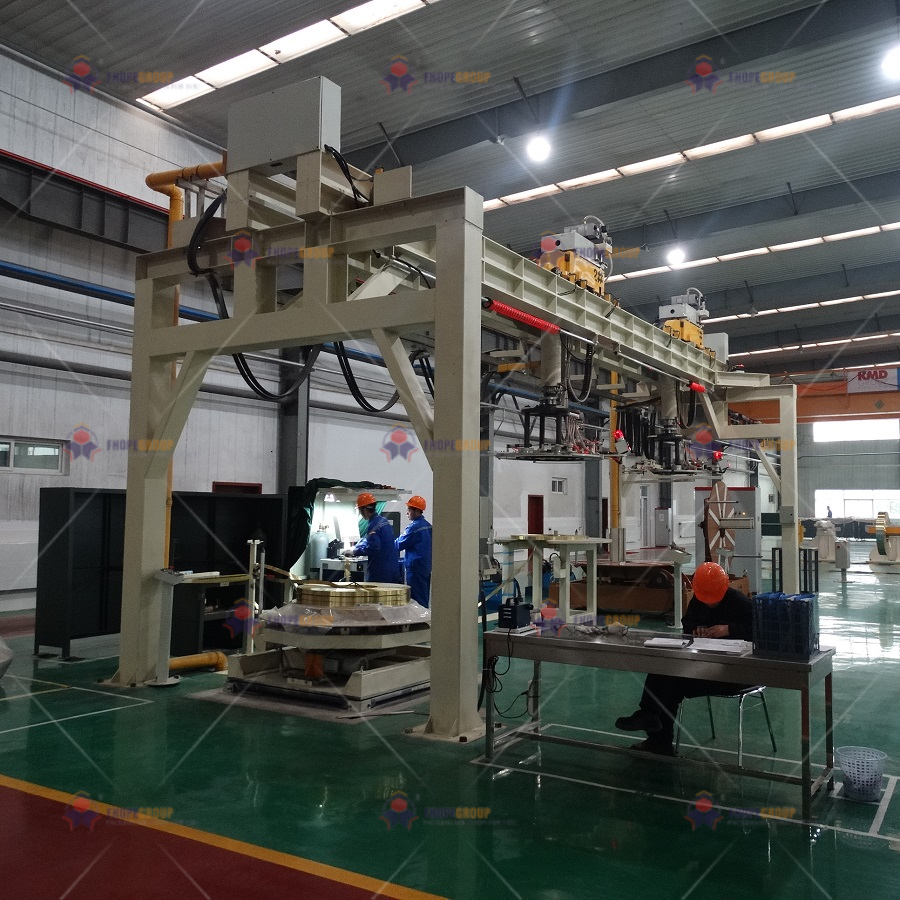
I have spent my career understanding what makes a packing line truly efficient and cost-effective. From my time as an engineer to building my own factory, I have seen it all. Now, I want to share my insights with you. This article will help you understand the key factors for choosing the perfect slit coil packing system in Mexico. We will look at how to reduce costs, improve quality, and find a long-term partner for your business.
Why is Your Slit Coil Packing Line in Mexico Underperforming?
Are your current packing operations in Mexico causing more headaches than they solve? Maybe you are seeing slow production, unexpected downtime, or even customer complaints because of damaged goods. This happens often when packing lines cannot keep up with modern demands. It is a big problem for steel plants that need to move products quickly and reliably. These issues can directly hurt your bottom line and reputation.
Underperformance in Mexican slit coil packing often stems from outdated manual processes, a lack of adaptable automation, and inconsistent quality control. These issues directly impact customer satisfaction and increase your operational costs.
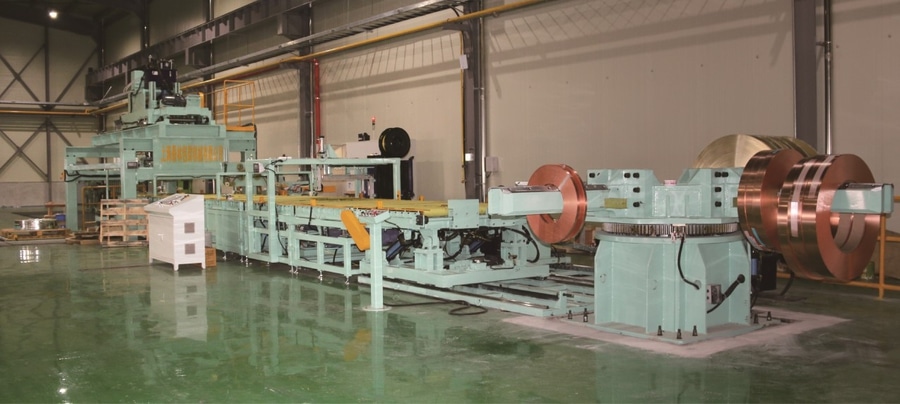
Let me tell you about some common challenges that can make a packing line underperform. I have seen these problems many times, and they are critical to address for any Mexican steel plant looking to improve. Understanding these issues is the first step to finding a better solution.
-
Product Diversity Issues: 🏭
- Mexican steel plants often produce many types of coils: cold-rolled, galvanized, and pre-painted. Each type needs different packaging.
- Manual changes between these products are slow and can lead to errors. This makes the whole packing process less efficient. It can also cause delays in shipping. This constant manual switching means
packing production line optimizationis hard to achieve.
-
Labor Shortage and High Turnover: 👷♀️
- Packing coils is hard work. It takes a lot of physical effort.
- Because the work is so demanding, many young workers do not want these jobs. This leads to high employee turnover and a shortage of skilled labor.
- Relying heavily on
manual packing challengesmakes it difficult to maintain consistent output.
-
Inconsistent Packaging Quality: 📦
- When people pack coils by hand, the quality can vary a lot. Some coils might be strapped too loosely, or the film tension might be uneven.
- This poor quality can lead to coils getting damaged during transport. Loose strapping or inadequate wrapping often results in customer complaints, returns, and even contract penalties. This directly affects your
steel coil packaging standards.
-
Rising Customer Demands: 📈
- Today, customers, especially export clients, expect more. They need specific packaging types like PET or steel strapping.
- They also require detailed information like barcodes and proof of certifications (CE/ISO).
- Meeting these higher
export packaging requirementswith manual methods is difficult and time-consuming. It makes shipping more complex and can slow down your business.
These challenges show that inefficient packing solutions are not just small problems. They affect your entire operation, from production speed to customer trust.
What Defines a Truly Reliable Slit Coil Packing System?
Many people ask me, “Randal, how do I know if a packing machine is really reliable?” It is a great question. You do not want a machine that breaks down every other week. In a busy steel plant, especially in Mexico, you need equipment that works all the time, day and night. Reliability is about more than just a brand name; it is about how the machine is built and how it performs under pressure.
A truly reliable slit coil packing system features robust construction for continuous 24/7 operation, adaptive design for varying coil dimensions, and integrated safety mechanisms. This ensures consistent performance in demanding production environments like those found in Mexican steel plants.

From my experience, a packing system is reliable when it can handle the tough conditions of a steel mill without fail. It needs to be built to last and to perform consistently. Here is what I always look for when evaluating heavy-duty packing solutions:
-
Continuous Operation Capability (24/7): ⏰
- Steel plants in Mexico often run two or three shifts, meaning the equipment needs to work almost non-stop. A reliable machine must be designed for
continuous operation systems. - This means high-quality components, strong motors, and durable belts or chains. It must withstand constant use without overheating or failing. Downtime costs money and production time.
- Steel plants in Mexico often run two or three shifts, meaning the equipment needs to work almost non-stop. A reliable machine must be designed for
-
Robust Construction and Materials: 💪
- The packing machine must be made from heavy-duty materials. Think thick steel frames and industrial-grade parts.
- These materials help the machine stand up to dust, heavy loads, and vibrations common in a steel plant. Cheap materials will wear out fast and cause problems. This is key for
industrial packing machine durability.
-
Adaptability to Different Coil Sizes and Weights: 🔄
- Steel coils come in various sizes. A reliable system must handle different inner and outer diameters. It also needs to manage weights from 1 to 3 tons easily.
- The machine should have adjustable settings that are easy to change. This ensures
flexible packaging line solutionsfor all your products without needing a new setup every time.
-
Proven Track Record and Service: 🌐
- Look for machines that have been tested in similar environments. Ask for references from other steel plants, especially in Mexico.
- A good supplier will also offer strong
packing machine after-sales supportand spare parts. This helps keep your machine running for many years. It gives you peace of mind that your investment is protected.
Choosing a reliable packaging equipment for steel coils means looking beyond the basic features. It means considering how the machine will perform day in and day out, year after year, in your specific plant. This focus helps ensure packaging line uptime maximization.
How Can Automation Transform Your Mexican Slit Coil Operations?
Are you still relying on manual labor for many of your packing tasks? If so, you might be missing out on big improvements. Manual processes are often slow, costly, and carry risks. In today’s competitive market, especially in Mexico, automating your slit coil packing line is not just an option; it is often a necessity. Automation can change the way you operate for the better.
Automation transforms Mexican slit coil operations by significantly reducing manual labor, enhancing workplace safety through mechanized handling, and ensuring consistent packaging quality across diverse product lines. This leads to greater efficiency, lower costs, and better product protection.

I have seen firsthand how packaging process automation upgrade solutions can revolutionize a factory. My own journey from an employee to owning a factory taught me the power of smart machines. Here is how automation can bring huge benefits to your Mexican slit coil operations:
-
Reducing Labor Costs and Shortages: 💰
- Automation directly addresses the
labor shortage challengesin demanding roles. Machines can work continuously without breaks. - This reduces the need for many workers on the packing line. It means you can use your existing staff for more skilled tasks. This also helps reduce overall
packing labor expenditure.
- Automation directly addresses the
-
Improving Safety and Reducing Injuries: 🛡️
- Handling heavy steel coils manually is risky. There is a high chance of accidents and injuries.
- Automated systems, with features like coil turning machines, automatic strapping, and robotic handling, remove workers from dangerous situations. This dramatically lowers the
workplace accident rateand makes your factory safer.
-
Ensuring Consistent Packaging Quality: ✅
- Machines perform tasks with high precision every time. This means consistent tension for stretch film, uniform strapping force, and accurate label placement.
- This consistency protects your coils better from moisture, rust, and scratches. It ensures every coil meets the same
high-quality packaging standards. This is especially important for customers with strict requirements.
-
Boosting Efficiency and Throughput: 🚀
- Automated lines work much faster than manual ones. They can handle a higher volume of coils per hour.
- This means you can ship more products faster. It helps your
packing line throughput maximization. This also makes your overall production process more streamlined and responsive to market demands.
-
Meeting Advanced Customer Requirements: 📊
- Automated systems can easily integrate features like automatic barcode printing and application, or specialized wrapping for
CE/ISO certified packaging. - This capability allows you to meet specific
export client demandswithout extra manual effort. It gives your products a professional, traceable, and compliant finish.
- Automated systems can easily integrate features like automatic barcode printing and application, or specialized wrapping for
By embracing smart packaging equipment, you are not just buying a machine. You are investing in a future where your operations are safer, more efficient, and produce higher-quality results. This is the essence of intelligent packaging systems.
Beyond the Machine: What Are the Real Costs of a Slit Coil Packing Line?
When you consider buying a new slit coil packing line, it is easy to focus only on the purchase price. But I have learned that this is a mistake. The actual cost of a packing system goes much deeper than the initial price tag. If you only look at the machine’s cost, you might miss many hidden expenses that can impact your budget for years. Understanding these total cost of ownership (TCO) factors is key to making a smart investment in Mexico.
The real costs of a slit coil packing line extend far beyond the initial purchase price. They encompass operational expenses like labor, packaging materials, energy consumption, ongoing maintenance, and spare parts. You must also consider the long-term impact of line efficiency and potential downtime on your bottom line.
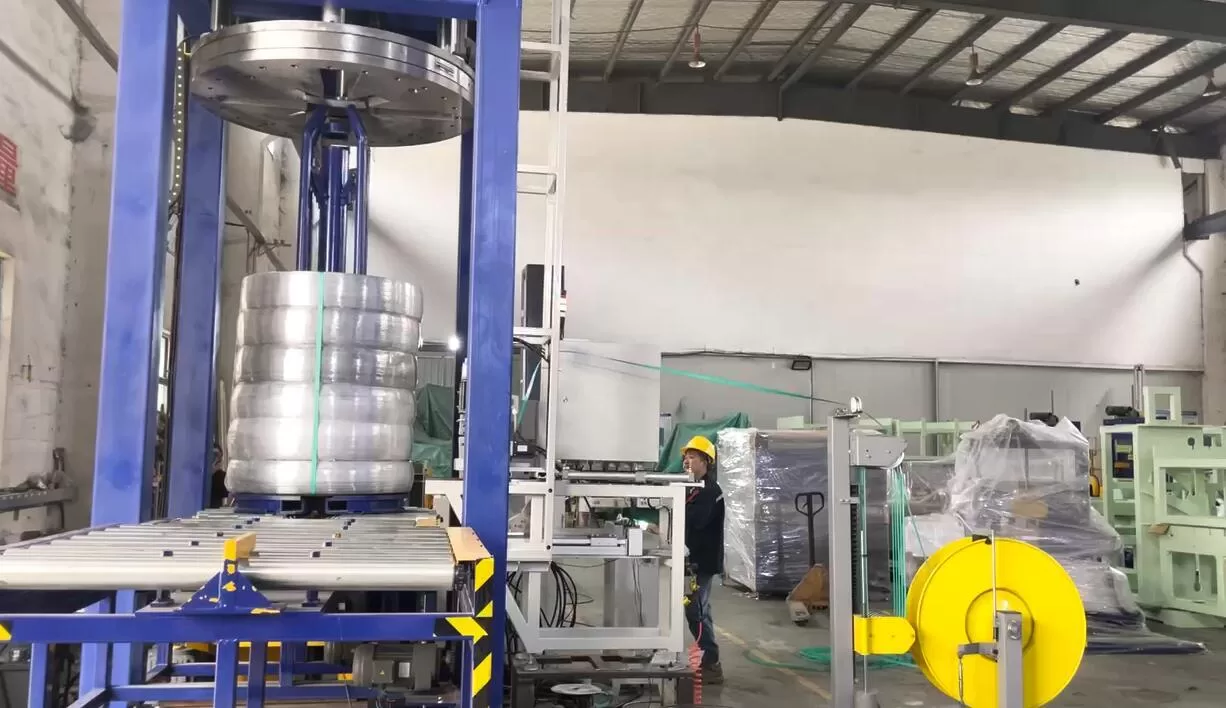
My experience has shown me that a cheap machine upfront can become very expensive over time. I always advise my clients to look at the big picture for packing line cost analysis. Here are the real cost components you need to consider:
-
Initial Investment vs. Installation Costs: 💲
- The purchase price of the machine is just one part. You also have
packing equipment installation costs. This includes foundations, electrical work, and connecting it to your existing production line. - Also, consider the
packing line commissioningand initial training for your staff. These are important for smooth startup.
- The purchase price of the machine is just one part. You also have
-
Labor Costs (Reduced by Automation): 👨🏭
- While automation has an upfront cost, it significantly reduces ongoing
packing labor expenditure. You need fewer people to operate the line. - Compare the cost of salaries, benefits, and training for multiple manual workers versus the cost of a few operators for an automated system. This is a major
long-term cost saving.
- While automation has an upfront cost, it significantly reduces ongoing
-
Packaging Material Consumption: 🎞️
- The type and amount of packaging materials you use (PET strap, steel strap, stretch film, VCI paper) greatly affect
packing material expenses. - An efficient machine uses materials optimally, reducing waste. It can also ensure
packaging material optimization. For example, a machine with good tension control uses less film while providing better protection.
- The type and amount of packaging materials you use (PET strap, steel strap, stretch film, VCI paper) greatly affect
-
Energy Consumption: 💡
- All machines use electricity. Bigger or older machines might use a lot more energy.
- Ask about the
packing machine energy efficiencyratings. A modern, energy-efficient system can save you a lot on electricity bills over time. This contributes to a loweroperational cost for packing.
-
Maintenance and Spare Parts: 🛠️
- Every machine needs maintenance. Factor in the cost of regular servicing and
packing machine spare parts. - A reliable supplier will offer a good
maintenance plan for packing equipmentand readily available parts. This prevents costly breakdowns and extends the machine’s life.
- Every machine needs maintenance. Factor in the cost of regular servicing and
-
Downtime Costs: 📉
- When your packing line stops, your entire production can slow down or halt. This
production downtime costis very high. - A reliable and well-maintained machine minimizes downtime. This ensures
packing line uptime maximizationand consistent output, which directly impacts your revenue.
- When your packing line stops, your entire production can slow down or halt. This
By carefully evaluating these factors, you get a clear picture of the true cost of owning a packaging system. This helps you make a financially sound decision for your Mexican operations.
Achieving Export-Ready Quality: What Packaging Standards Do You Need?
In today’s global market, especially for steel exports from Mexico, good packaging is not enough. You need export-ready quality. Customers expect their coils to arrive in perfect condition, no matter how far they travel. This means protecting against moisture, rust, scratches, and ensuring the packaging meets international standards. Failing to meet these standards can lead to lost business and damaged reputation.
Achieving export-ready quality for slit coils requires stringent packaging standards. These include advanced moisture and rust protection, robust strapping (PET/steel), precise labeling for traceability, and strict adherence to international certifications like CE/ISO. These elements combine to protect your product during transit.
From my years of experience, I understand that multi-functional packaging systems are crucial for modern export. Here is what you need to focus on to get that export-ready quality:
-
Superior Protection Against Elements: 💧 rust ⚔️ scratch
- Moisture and Rust Protection: Steel coils are sensitive to rust. This means using
anti-rust packaging solutionslike VCI (Volatile Corrosion Inhibitor) film or paper inside the wrapping. The outer layer of stretch film or woven fabric also needs to be robust and waterproof. - Scratch and Damage Prevention: Proper wrapping with a tight, even tension is key. Edge protectors and robust strapping prevent scratches and damage during handling and transport. This ensures
coil surface protection.
- Moisture and Rust Protection: Steel coils are sensitive to rust. This means using
-
Reliable Strapping Methods: 🔗
- You need strong strapping that holds the coil tightly during transit.
PET strapping for coilsis popular because it is strong, durable, and rust-resistant. - Sometimes,
steel strapping for heavy coilsis preferred for extremely heavy loads or specific customer requirements. An automated system can apply both with consistent tension.
- You need strong strapping that holds the coil tightly during transit.
-
Accurate Labeling and Traceability: 🏷️
- Export clients often need specific labels with barcodes. These help track the product from your plant to their warehouse.
- An
automatic labeling systemcan apply these labels precisely. It ensures all necessary information is present and readable. This is vital forsupply chain traceabilityand compliance.
-
International Certifications and Compliance: 🌍
- For many export markets,
CE/ISO certified packagingis a must. This shows your packaging process meets high international safety and quality standards. - Working with a supplier who understands these
export packaging standardscan help you design a system that automatically produces compliant packages. This gives your customers confidence.
- For many export markets,
-
Customized Packaging Solutions: 🧩
- Different coils and different destinations may require unique packaging. A good system can adapt.
- For example, some might need additional shrink wrap or special handling for painted surfaces. A
customized packing solutionper requirement can meet these diverse needs, ensuring every coil is perfectly protected.
Achieving this level of quality protects your product and enhances your brand’s reputation. It shows your customers that you care about their investment. This is what makes a premium coil packing solution.
Conclusion
Choosing the right slit coil packing line in Mexico is about more than just buying equipment; it is an investment in your plant’s future. Focus on automation, total cost of ownership, and achieving export-grade quality. By partnering with experts who understand these needs, you can transform your operations, reduce costs, and deliver superior products. Let FHOPEPACK help you master your coil packing line and grow your business.








