
Slit Coil Packing Line in Italy: Is Automated Packing the Key to Lower Costs?
Steel mills in Italy, like many around the world, face growing pressures. They need to produce more, faster, and with higher quality. But then you run into problems. Manual packing methods slow things down, hurt workers, and often fail to meet strict customer demands. This can lead to big losses.
Yes, automated packing is absolutely the key to lower costs for slit coil packing lines. From my many years in this business, I have seen how switching to automated systems helps cut labor expenses, reduces material waste, and makes packing quality much better. This means fewer errors, happier customers, and a stronger bottom line for your company.
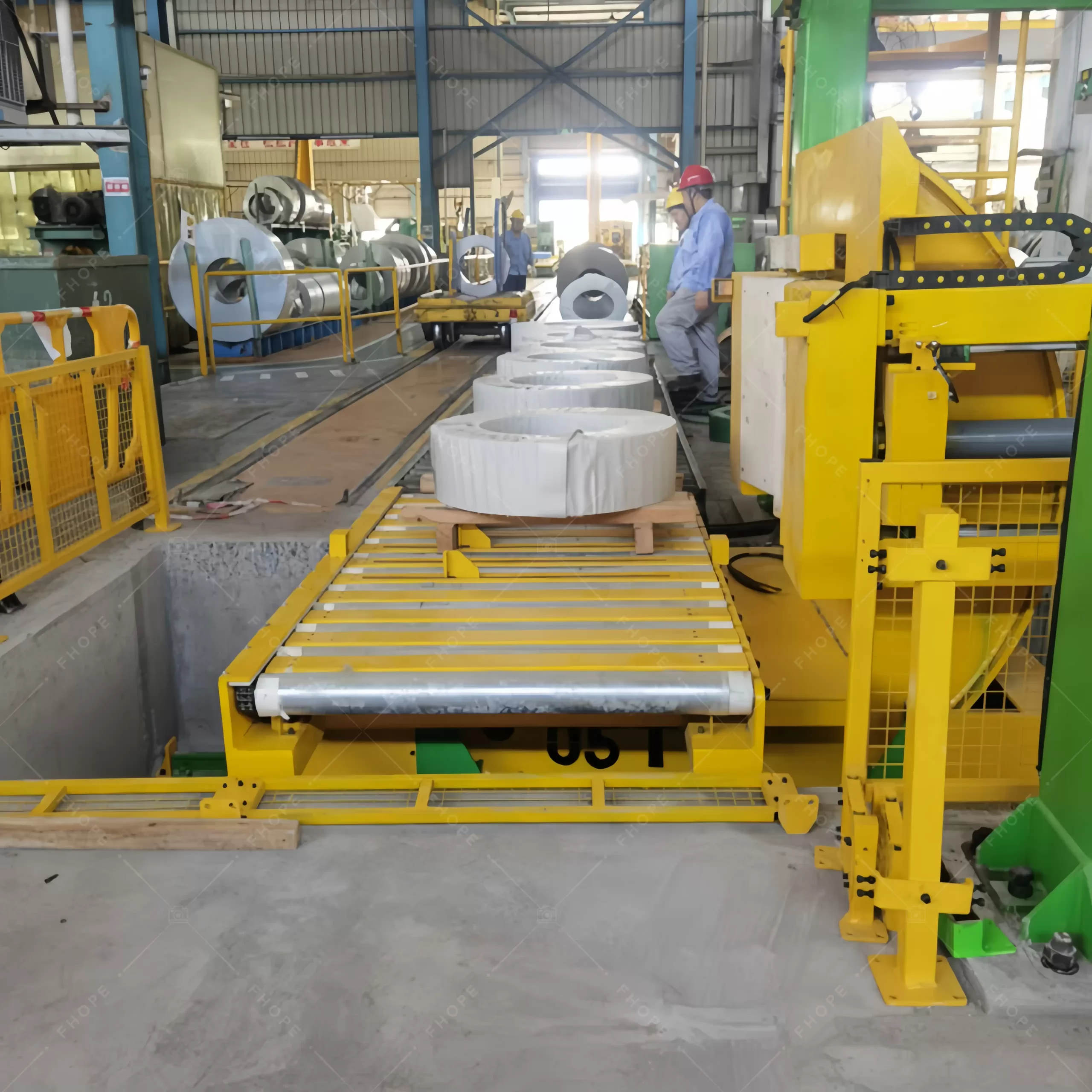
You might still wonder how a big investment in automation can truly lead to savings. You might also ask if it is really worth it. Let me share some insights from my journey in the packing machine industry. We will explore how automated systems change everything.
Why Do Manual Packing Methods Cost More Than You Think?
Many people only look at the immediate cost of labor when thinking about manual packing. But this is a big mistake. The real costs run much deeper. You might be losing money in ways you do not even realize.
Manual packing methods cost more than you think because they create hidden expenses. These include high labor turnover, inconsistent packing quality, wasted materials, and serious safety risks. All of these problems slow down production and lead to financial penalties.
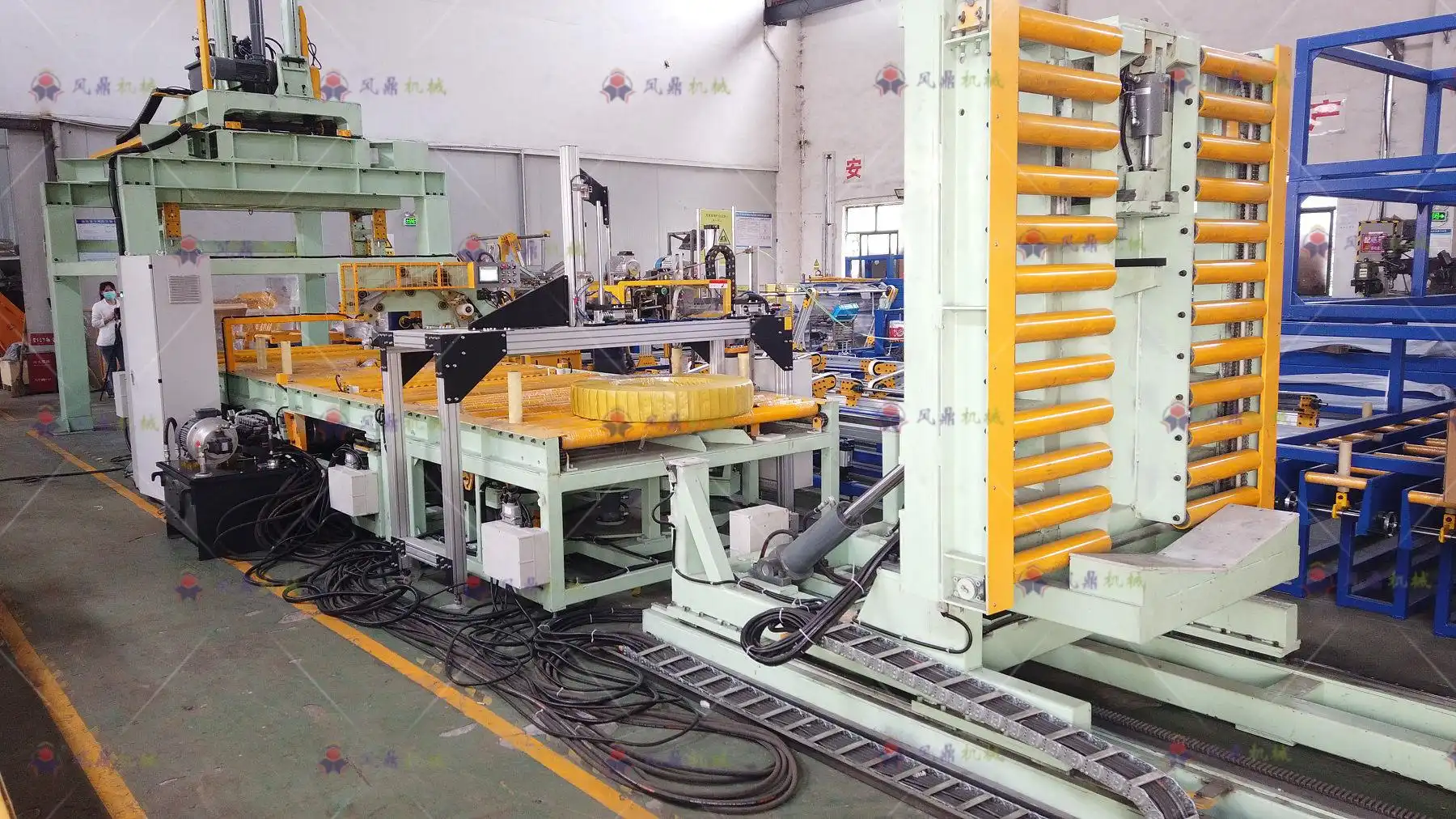
When I first started in the packing machine factory, I saw firsthand the challenges. Workers struggled with heavy coils. They sometimes got hurt. The packing quality varied greatly from one shift to another. This showed me that simply paying for labor was not the whole story. We must consider the full impact of these manual processes.
1. High Labor Costs and Turnover Challenges 📉
Manual packing needs many workers. This means high salaries, benefits, and training costs. But the tough work often makes young people leave. This creates a cycle of needing to hire and train new staff. It costs money and time. For example, my client Ivan, a production director in Russia, faced high turnover. He said young workers did not want such hard jobs. This made it hard to keep a stable team. When experienced people leave, quality drops. Training new staff takes resources. This all adds up to a large, ongoing cost.
2. Inconsistent Quality and Material Waste 🗑️
Manual strapping or wrapping can never be perfectly consistent. One person might pull tighter than another. This leads to loose straps or uneven film tension. Coils can move during shipping. This causes damage. When products get damaged, customers complain. They might send items back. This costs you money for returns and lost sales. Also, manual workers sometimes use too much material or make mistakes that waste film or straps. These small wastes add up. It affects your material budget. In my experience, even a small waste percentage across hundreds of tons of coils means huge losses over time.
3. Serious Safety Risks and Injury Costs 🩹
Moving heavy steel coils is dangerous. Manual handling, flipping, or strapping by hand puts workers at risk. Accidents happen. Workers can get injured. When a worker gets hurt, it causes many problems. There are medical bills, lost work time, and sometimes legal costs. It also lowers morale. Safety regulations are getting stricter. Following them with manual methods becomes harder and more expensive. For instance, Ivan aimed to reduce accidents. He knew mechanical handling would make his workplace safer. This reduces direct costs from injuries and helps avoid potential fines.
4. Production Bottlenecks and Reduced Output ⏱️
Manual packing is slow. It creates a bottleneck at the end of your production line. Your machines can make coils fast, but if packing cannot keep up, your whole factory slows down. This means you make less money. You cannot fulfill orders quickly. This can lead to penalties from customers for late deliveries. It also means your expensive production machines sit idle sometimes. This is not efficient. Investing in machines that make products quickly means you also need fast packing. Otherwise, you lose the benefits of your fast production.
How Does Automation Directly Cut Operational Costs in Slit Coil Packing?
Automation is not just about fancy robots. It is about smart systems that work better, faster, and cheaper than human hands. When you automate your slit coil packing line, you touch every part of your budget. You reduce costs in many direct ways.
Automation directly cuts operational costs in slit coil packing by significantly reducing the need for manual labor, optimizing packing material usage, and improving overall production efficiency. It also lowers maintenance costs over time and prevents costly mistakes. This results in measurable savings for your business.

I have seen countless factories transform their operations. They went from struggling with manual work to running smooth, cost-effective lines. It is not magic. It is good engineering and smart planning. Let me show you how these savings happen.
1. Lower Labor Requirements and Better Allocation 🧑🏭
An automated packing line does the heavy lifting and repetitive tasks. This means you need fewer people on the packing floor. You can move your existing workers to other important jobs. These might be quality control, machine oversight, or maintenance. This frees up human resources. It means you pay less in wages for packing. It also helps with labor shortages, like the one Ivan faced. He found it hard to keep workers for intense, manual jobs. Automation solves this. It reduces the number of people needed per shift. This cuts down on overall payroll. It also reduces costs related to training and managing a large packing team.
2. Optimized Material Usage and Reduced Waste ♻️
Automated machines apply packing materials very precisely. They use the exact amount of film or strapping needed. This eliminates the waste common in manual packing. For instance, a machine can sense the coil diameter and cut the film perfectly. It applies straps with consistent tension. This prevents material from being used too much or too little. It also stops materials from being damaged during application. Ivan wanted to reduce material loss. Automated systems achieve this by removing human error from the equation. This saves money on packing materials over time. These savings can be very large for high-volume operations.
3. Increased Production Speed and Throughput 🚀
Automated lines work much faster than people. They do not get tired. They can run continuously. This means you can pack more coils in less time. Your production line flows without interruption. This increases your factory’s overall output. More packed coils mean more products ready for sale. It helps meet tight deadlines. For example, if you produce hundreds of tons daily, even a small speed increase makes a huge difference. This directly translates to higher revenue. It also makes your production planning more reliable. This is a crucial benefit for large steel mills in places like Italy.
4. Consistent Quality and Fewer Customer Returns ✅
Machines perform tasks with high precision every time. They apply uniform tension to straps and wrapping film. They place labels in the same spot. This ensures every coil meets the same high packing standard. Good packing protects the product better during transit. It prevents damage, rust, and scratches. When customers receive perfectly packed products, they are happier. They are less likely to complain or return items. This saves you money on handling returns, re-shipping, and dealing with complaints. It also builds customer trust and strengthens your brand reputation. High-quality packing is vital for export clients, as Ivan noted.
Can Automated Systems Really Meet Diverse Coil Packing Demands (Even for Export)?
One common concern I hear from clients is about flexibility. They worry that automated systems are too rigid. They think machines cannot handle different coil sizes, weights, or special packing requirements. But this is not true. Modern automated packing lines are designed to be highly adaptable.
Yes, automated systems can absolutely meet diverse coil packing demands, including the strict standards for export. Today’s machines offer smart adjustability for various coil sizes and weights. They also integrate different packing methods like PET/steel strapping, stretch wrapping, and automatic labeling. This allows for customized, high-quality packing.
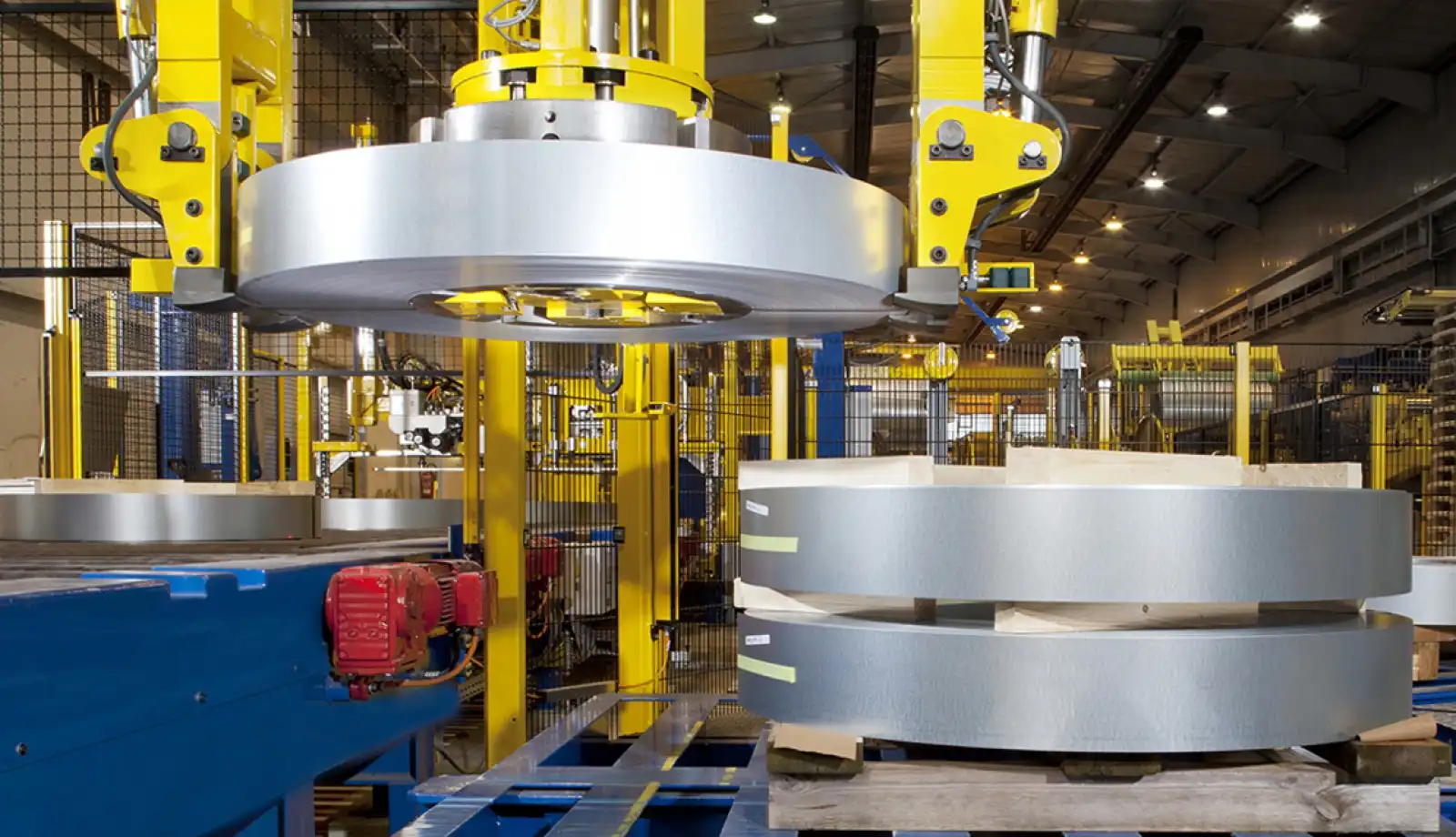
When I started FHOPEPACK, my mission was to provide the best customized packing solutions. I knew that one-size-fits-all rarely works in heavy industry. We have focused on making systems that are both robust and flexible. This ensures they meet the specific needs of each client.
1. Handling Varied Coil Dimensions and Weights 📏
Modern automated packing lines can adapt to many coil sizes. They use adjustable systems. These systems can change for different inner and outer diameters. They also handle varying coil widths and weights. For example, some machines have automatic centering devices. These devices adjust without human input. This allows for smooth processing of 1-ton coils right after 3-ton coils. Ivan mentioned his need to pack coils from 1 to 3 tons with variable inner and outer diameters. Our machines are built for this. They ensure efficient handling. They also ensure consistent packing across all product types. This flexibility prevents slowdowns from manual adjustments.
2. Multi-Method Packing for Diverse Products 📦
Steel mills often produce different types of coils. These include cold-rolled, galvanized, and color-coated coils. Each type needs specific protection. An advanced automated line can combine different packing methods. It might use PET or steel strapping for strength. Then it can add stretch film or shrink film for moisture protection. It can also integrate automatic labeling. This means one line can handle all your needs. You do not need separate manual stations. Ivan faced challenges with product diversity and complex packing needs. Our solutions handle this by providing a unified, flexible approach. This ensures the right protection for every product.
3. Meeting Strict Export and Certification Standards 🌍
Export markets have very high standards. Customers often ask for CE or ISO certified packing. They also want specific barcodes or RFID tags. Manual packing makes it hard to meet these exact requirements consistently. Automated systems ensure every package meets these strict rules. They apply labels perfectly. They use the correct tension for every strap. They perform consistent moisture-proof wrapping. This helps avoid rejections at customs or by the client. It also protects your reputation. Ivan aimed for export-standard packaging. Automated lines provide the precision and consistency needed for global trade. This helps expand market reach.
4. Integration with Upstream and Downstream Processes ⛓️
A true automated packing solution does not work alone. It connects seamlessly with your other production steps. This includes turning devices, conveying systems, and automatic stacking units. It creates a continuous flow from production to storage. This full integration reduces handling points. It lowers the risk of damage. It also makes your overall operation much more efficient. For example, coils can move directly from slitting to packing without waiting. This creates a fully automated flow. This kind of “turnkey” solution is what Ivan sought in a long-term partner. It means a smoother, faster, and more reliable process for the entire factory.
Is Investing in a Full Automated Packing Line a Smart Long-Term Strategy for Italian Mills?
Deciding to invest in a new automated packing line is a big step. It requires money and planning. You might wonder if the benefits will last. You might ask if it is really a smart choice for the future. From my perspective, as someone who built a business on these solutions, the answer is a clear yes.
Investing in a full automated packing line is a very smart long-term strategy for Italian mills and others in the industry. It not only reduces immediate operational costs but also improves safety, guarantees consistent quality, and boosts overall productivity. This ensures your business remains competitive and profitable for years to come.

I saw how Randal Liu’s clients grew their businesses by adopting better packing solutions. I am grateful for the opportunities the packing machine industry gave me. Now I want to share this knowledge. I want to help others succeed. This long-term view is essential for sustainable growth.
1. Future-Proofing Against Labor Shortages and Rising Costs 📈
The trend of labor shortages in heavy industry will likely continue. Labor costs are also always rising. Investing in automation now protects your business from these future problems. You will rely less on manual labor. This means you will not be as affected by changes in the workforce or wage increases. This makes your business more stable and predictable. It is a strategic move that prepares your operations for a changing economic landscape. For a long-term strategy, this foresight is invaluable. It protects your core operations.
2. Enhanced Safety and Reputation in the Industry 👷♀️
A fully automated line removes workers from dangerous tasks. It means fewer accidents and injuries. This creates a much safer workplace. A strong safety record boosts your company’s reputation. It shows you care about your employees. It can also lead to lower insurance costs. In a country like Italy with strict safety regulations, this is very important. It ensures compliance. It also reduces the risk of legal issues. This improves your overall brand image. It makes your company a more attractive employer. This is a win for everyone.
3. Consistent High Quality as a Competitive Advantage ⭐
Automated packing ensures every coil leaves your factory looking perfect. This consistent high quality becomes a major selling point. It helps you stand out from competitors. Customers trust your products. They know what to expect. This can help you win new contracts. It can also help you keep existing clients happy. For export markets, where quality is king, this is a must. It solidifies your market position. This commitment to quality builds a strong reputation. It allows you to charge premium prices for premium products.
4. Strategic Partnerships for Continuous Improvement🤝
When you invest in an automated packing line, you are not just buying a machine. You are often starting a long-term relationship with a supplier. A good supplier offers more than just equipment. They provide installation, training, and ongoing support. They ensure you have spare parts. They help you keep your line running smoothly for years. This partnership is key for continuous improvement. It helps you get the most out of your investment. Ivan looked for a supplier who could offer a “turnkey” solution. This kind of support ensures your packing line stays efficient and productive.
Conclusion
Automated packing lines are a smart choice for steel mills, including those in Italy. They bring clear cost savings by reducing labor and waste. They also make safety better and improve product quality. This helps meet strict client demands and boosts your competitive edge. Investing in a coil packing line is a vital long-term strategy for success.








