
Do Side-by-Side Orbital Stretch Wrapper Tests Work for Russian Industrial Applications?
Are you feeling stuck with your current packing process? Do manual tasks slow everything down, making your production line a bottleneck? Perhaps you are losing money from damaged goods or high labor costs. This is a common pain point for many factory managers. I have seen it many times.
Yes, side-by-side orbital stretch wrapper tests absolutely work for Russian industrial applications. These tests help factories directly compare wrapper performance, efficiency, and durability in their specific harsh conditions. This ensures the chosen machine can handle heavy loads, extreme temperatures, and continuous operation, which is critical for demanding Russian industrial settings.

Finding the right packing solution for heavy industrial goods is not easy. It needs careful thought. This article will show you why these tests are so important. We will also look at how orbital wrappers can fix common factory problems. Stay with me to learn more.
How Can Orbital Wrappers Solve Production Bottlenecks in Russian Factories?
Is your current packing line slowing down your whole factory? Are you constantly trying to push more product out but hitting a wall at the very end? This kind of bottleneck can cost a lot of money and make your customers unhappy.
Orbital wrappers directly solve production bottlenecks by automating the wrapping of long, bulky, or heavy items like steel coils and pipes. They work much faster than manual methods, wrap products more securely, and allow for continuous flow. This removes the final choke point in many industrial production lines in Russia.

I have seen many factories struggle with slow packing. When I started FHOPEPACK, I knew how important efficient packing was. My own journey from an employee to a factory owner taught me this. Packing is not just a side task. It is a key part of your output. In Russia, industries like steel and metal processing handle huge volumes. They also deal with heavy, awkward products. Manual wrapping is simply not enough. It takes too long. It also uses too many people. This creates a big bottleneck. An orbital wrapper spins film around the product as it moves through the machine. This is very different from hand wrapping. It is also different from traditional pallet wrapping. Those methods are slow. Orbital wrappers are fast. They wrap the product completely. This means the product is ready for shipment quickly. This speed helps clear the production line. It allows more products to move through.
Why Manual Wrapping Fails in High-Volume Production
Manual wrapping is slow. Workers must walk around the product. They must apply layers of film by hand. This takes a lot of time per item. For high-volume factories, this is a major problem.
- Time Consumption: Each item can take minutes to wrap. Many items mean hours of work.
- Labor Costs: You need many workers to keep up. This drives up your payroll.
- Inconsistent Wrapping: Hand wrapping is not always even. Some parts may be too loose. Other parts may be too tight. This can lead to product damage.
- Worker Fatigue: It is hard physical work. Workers get tired. Tired workers make more mistakes.
How Orbital Wrappers Boost Efficiency
Orbital wrappers bring automation to the packing line. They are built for speed and consistency. They can wrap items much faster than any human.
- Automated Speed: Machines wrap many items per hour. This is a big jump from manual rates.
- Reduced Labor: One or two operators can manage many machines. You save a lot on wages.
- Consistent Quality: The machine applies film evenly. Every package looks the same. It is also protected the same way.
- Continuous Flow: Products feed into the machine. They come out wrapped. There is no stopping. This keeps the production line moving.
Comparing Manual vs. Orbital Wrapping Efficiency
| Feature | Manual Wrapping | Orbital Wrapper |
|---|---|---|
| Speed | Slow, limited by human pace | Fast, consistent machine speed |
| Labor Needs | High, many workers per shift | Low, few operators needed |
| Wrap Quality | Inconsistent, prone to errors | Consistent, machine-controlled tension |
| Productivity | Low, bottleneck potential | High, eliminates end-of-line bottlenecks |
| Operating Cost | High due to labor | Lower due to automation, higher output |
By using orbital wrappers, factories can get rid of their packing bottlenecks. They can move products faster. This means higher output. It also means more satisfied customers. This is crucial for competitive industrial sectors in Russia. My goal with FHOPEPACK is always to help businesses grow. Automating this process is a huge step.
Do Orbital Wrappers Truly Improve Safety and Reduce Product Damage for Heavy Goods?
Are your workers constantly at risk from moving heavy products? Do you see damaged goods leaving your factory too often? These issues are not just about money. They are about worker well-being and customer trust.
Yes, orbital wrappers significantly improve safety by reducing manual handling of heavy or awkward industrial goods. They also reduce product damage by providing a tight, consistent, and protective wrap. This protects items like steel coils, pipes, or timber from scratches, dust, and moisture during transport and storage, which is vital for quality assurance.
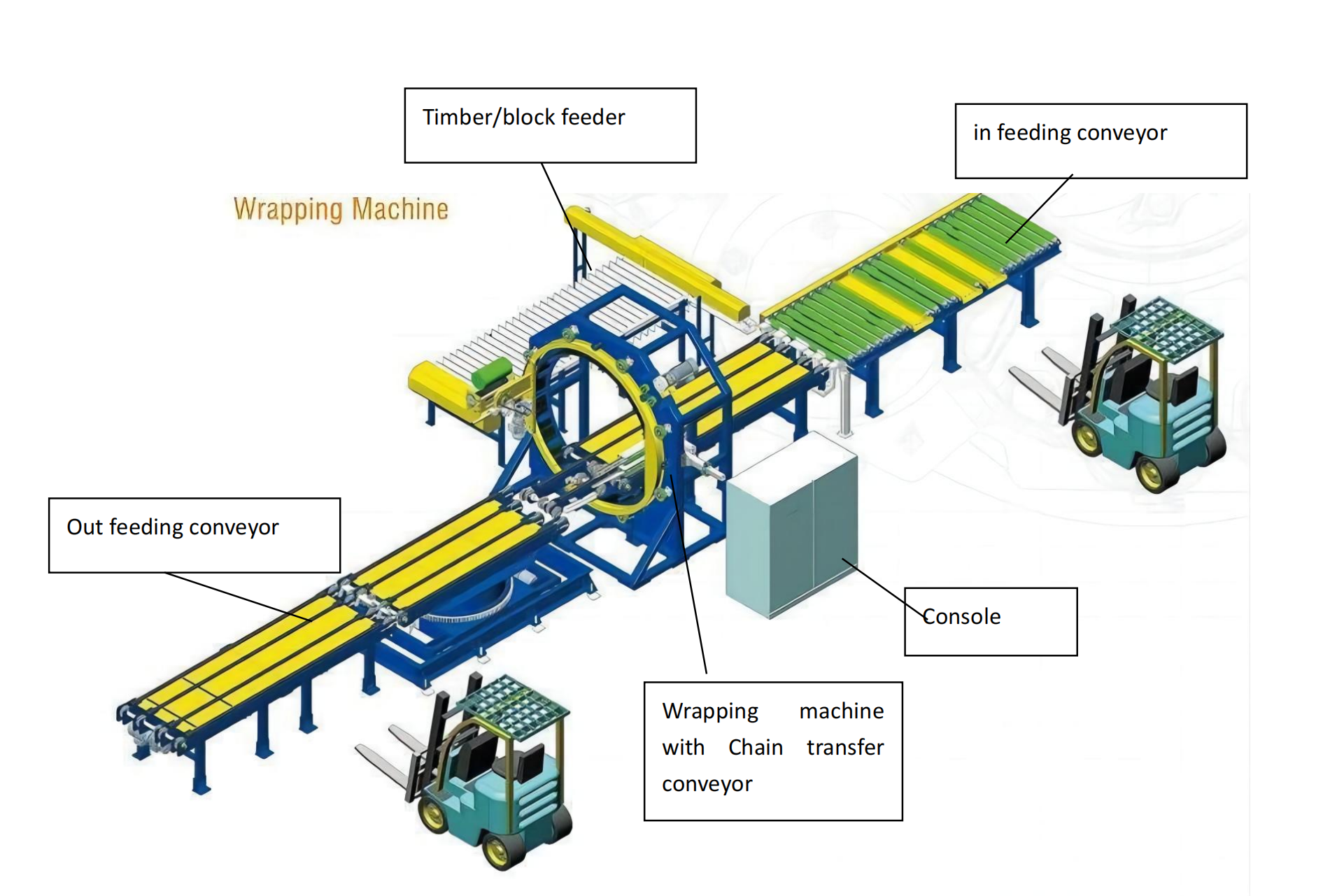
I started in a packing machine factory. I saw firsthand the dangers. Workers had to move heavy coils. They had to turn awkward products. This led to many injuries. It increased insurance costs. It also led to good workers leaving. When I built my own factory, safety was a top concern. No machine is worth risking a worker’s health. Heavy industrial items, like those in Russian steel plants, are inherently dangerous to handle manually. They are big. They are heavy. They can shift unexpectedly. This means a high risk of strains, crushed limbs, or falls. Orbital wrappers remove this risk. They automate the wrapping process. Workers do not need to lift or turn the heavy product. The machine does the hard work. This makes the workplace much safer. It lowers the chance of accidents. This is good for workers. It is also good for the company’s bottom line.
Safety Risks of Manual Handling in Heavy Industry
Manual handling of large, heavy items is dangerous. It is a leading cause of workplace injuries.
- Musculoskeletal Injuries: Back strains, sprains, and muscle tears are common.
- Crushing Injuries: Heavy items can fall. They can trap or crush workers.
- Falls: Workers might trip over items. They might slip while moving them.
- Fatigue-Related Accidents: Tired workers are more likely to make mistakes. These mistakes can lead to serious accidents.
How Orbital Wrappers Enhance Workplace Safety
Orbital wrappers remove humans from the direct path of danger. They handle the heavy lifting and turning.
- Reduced Manual Contact: Workers simply load the product onto a conveyor. The machine does the rest.
- Automated Movement: The machine moves the product through the wrapping area safely. There is no need for manual turning.
- Ergonomic Benefits: Less physical strain on employees. This reduces long-term health issues.
- Lower Accident Rates: Fewer opportunities for human error. This leads to fewer injuries.
Protecting Products from Damage
Product damage during packing is a silent killer of profits. Scratches, dents, or moisture exposure can turn a perfect product into scrap. In heavy industries, this loss is significant. Orbital wrappers provide a consistent, tight wrap. This protects the product from many types of damage.
- Impact Protection: The multi-layered film acts as a buffer. It protects against bumps and scratches.
- Environmental Protection: The film seals the product. It keeps out dust, dirt, and moisture. This is especially important for metal products in varying climates.
- Stabilization: The tight wrap holds the product together. It prevents shifting during transport. This reduces internal damage.
Damage Comparison: Manual vs. Orbital Wrapping
| Feature | Manual Wrapping | Orbital Wrapper |
|---|---|---|
| Product Scratches | High risk, uneven handling | Low risk, gentle machine handling |
| Moisture Exposure | High, gaps in wrap common | Low, consistent, complete seal |
| Deformation/Bends | Moderate, poor securing | Low, tight, stabilizing wrap |
| Dust/Dirt Ingress | High, exposed surfaces | Low, fully enclosed protection |
| Transport Stability | Low, loose wrap allows shifting | High, tightly secured, uniform load |
Investing in an orbital wrapper is an investment in safety. It is also an investment in product quality. For factories in Russia that deal with heavy goods, this means a healthier workforce and happier customers. My own experience showed me that you cannot compromise on safety or quality.
What Is the Real Return on Investment for an Orbital Wrapper in a Challenging Industrial Setting?
Are you unsure if buying a new machine will pay off? Does the upfront cost seem too high? Many factory managers worry about the return on investment (ROI) for big equipment purchases. They need to see clear benefits.
The real return on investment (ROI) for an orbital wrapper in a challenging industrial setting like Russia is significant and clear. It comes from reduced labor costs, less product damage, faster throughput, and lower insurance premiums due to improved safety. These machines often pay for themselves within a short period, especially in high-volume operations dealing with heavy or sensitive goods.
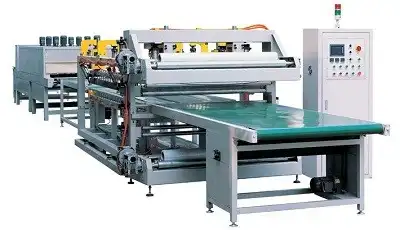
When I was building my packing machine factory, every investment had to make sense. It had to show a clear path to profit. This is how I became financially independent. I also helped my clients grow their businesses. An orbital wrapper is a machine. But it is also a strategic asset. It cuts costs in many ways. It also increases output. These factors make a strong case for its ROI. Think about the direct costs. Labor is often the biggest cost in packing. An orbital wrapper reduces the need for many workers. This means lower wages. It also means less money spent on training and benefits. Then there are the hidden costs. Product damage means lost sales. It means unhappy customers. It means money spent on rework. An orbital wrapper protects your product. This saves you from those losses. It also saves your reputation.
Key Drivers of ROI for Orbital Wrappers
The ROI calculation for an orbital wrapper goes beyond just its purchase price. It involves operational savings and efficiency gains.
- Labor Cost Reduction: This is often the largest saving. Replacing multiple manual workers with one or two machine operators dramatically cuts payroll expenses.
- Reduced Product Damage: Fewer damaged goods mean less scrap. It means fewer customer complaints. It means more products sold at full price. This directly impacts your profit margin.
- Increased Throughput: Faster packing means more products can move through your factory. This increases your overall production capacity and sales volume.
- Lower Insurance Premiums: A safer workplace means fewer accidents. This can lead to lower workers’ compensation and liability insurance costs.
- Optimized Material Usage: Modern orbital wrappers use film efficiently. They minimize waste. This saves on film costs over time.
- Improved Customer Satisfaction: Consistent, well-protected packages lead to happier customers. This can bring repeat business and positive referrals.
Calculating ROI: A Simple Example
Let’s look at a simplified example for a factory in a challenging environment.
| Factor | Manual Packing (Yearly Cost) | Orbital Wrapper (Yearly Cost/Savings) |
|---|---|---|
| Labor (3 shifts) | $150,000 (3 workers x $50k) | $50,000 (1 worker x $50k) |
| Product Damage | $30,000 | $5,000 |
| Increased Throughput | N/A | $40,000 (extra sales) |
| Insurance Savings | N/A | $5,000 |
| Machine Purchase | N/A | -$60,000 (amortized over 5 years) |
| Maintenance/Power | $2,000 | $8,000 |
| Total Cost/Benefit | $182,000 | -$7,000 (Net Savings) |
| Annual Savings | $182,000 – $7,000 = $175,000 |
This simplified table shows how an orbital wrapper can generate significant annual savings. The upfront cost of the machine is quickly offset by these operational efficiencies. The payback period can be very short. Sometimes it is less than two years. This makes it a very attractive investment for any industrial plant. Especially in places like Russia, where labor costs can be a factor and quality output is critical.
How Do You Pick the Right Orbital Wrapper Supplier for Long-Term Success?
Have you ever bought equipment only to find the supplier disappears after the sale? This is a common and frustrating problem. Choosing a supplier is not just about the machine. It is about a partnership.
Picking the right orbital wrapper supplier for long-term success means looking beyond the machine’s price. You need a partner with deep industry expertise, strong after-sales support, spare parts availability, and a proven track record of understanding your specific industrial challenges. A good supplier builds a relationship, not just a sale.

My own journey in the packing machine industry taught me a lot about partnerships. I started as an employee. Then I built my own factory. I saw what good and bad suppliers looked like. A good supplier is like a trusted advisor. They understand your problems. They offer solutions. They do not just push a product. This is why FHOPEPACK focuses on knowledge sharing. We want to empower our clients. We want them to make smart choices. For a factory manager like Michael Chen, who needs equipment that lasts in tough conditions and supports business growth, supplier choice is everything. You need a partner who understands the high demands of Russian industrial applications. You need someone who can provide robust machines. You also need strong support for years to come.
Pitfalls of Choosing the Wrong Supplier
Choosing a supplier based only on the lowest price can lead to many problems.
- Poor Quality Machines: Cheap machines often break down. They cause production delays.
- Lack of After-Sales Support: When problems happen, you get no help. This leaves you stranded.
- No Spare Parts: If parts are not available, your machine sits idle. This costs you a lot of money.
- Limited Customization: Off-the-shelf solutions may not fit your unique needs.
- Lack of Expertise: A supplier who does not understand your industry cannot offer the best advice.
What to Look for in a Great Orbital Wrapper Supplier
A reliable supplier provides more than just a machine. They provide a complete solution and ongoing support.
- Industry Expertise: They should know your specific industry (e.g., steel, wire, heavy manufacturing). They should understand your processes and challenges.
- Proven Track Record: Look for a supplier with many successful installations. Ask for case studies or references.
- Robust After-Sales Service: This includes installation, training, maintenance, and quick troubleshooting.
- Availability of Spare Parts: Ensure they can supply parts quickly. Downtime is expensive.
- Customization Options: Can they modify the machine to fit your exact product and factory layout?
- Long-Term Vision: Do they aim for a lasting relationship? Do they want to help you grow?
- Transparent Communication: They should be clear about costs, timelines, and machine capabilities.
Supplier Evaluation Checklist
| Criteria | Score (1-5, 5=Best) | Notes |
|---|---|---|
| Industry Knowledge | Do they understand my specific product/process? | |
| Machine Quality | Are their machines built for heavy-duty use? | |
| After-Sales Support | What kind of warranty, training, and service? | |
| Spare Parts Supply | How quickly can they deliver critical parts? | |
| Customization Ability | Can they tailor the machine to my needs? | |
| Client Testimonials | What do other customers say about their service? | |
| Overall Value (ROI) | Does their solution offer the best long-term ROI? |
Choosing the right supplier is a strategic decision. It affects your factory’s performance for years. Take your time. Do your research. Find a partner who truly cares about your success. At FHOPEPACK, we strive to be that partner. We share our knowledge to help you make informed decisions.
What Are My Personal Insights on Mastering Industrial Wrapping with Orbital Machines?
Have you ever wondered what truly sets apart a successful factory from one that struggles? It often comes down to mastering the details. Packing is one of those details. It can make or break your operations.
My personal insights on mastering industrial wrapping with orbital machines revolve around understanding both the technology and its integration into your entire production flow. It is about more than just buying a machine. It is about optimizing operations, prioritizing safety, building a reliable support system, and continually adapting. This approach ensures you fully leverage the power of automation.
My journey began on the factory floor. I learned about packing machines from the ground up. Then I built my own factory. I saw how crucial every step was. From coil packing to steel wire packing, I learned the importance of efficiency and reliability. Mastering industrial wrapping is not just about the machine itself. It is about how that machine fits into your whole business. It is about the people who operate it. It is about the support you get. It is also about preparing for the future.
Strategic Integration is Key
An orbital wrapper is powerful. But its true value comes when it works seamlessly with your other processes. It should not be an isolated piece of equipment.
- Flow Optimization: Plan your factory layout. Make sure the wrapper fits into the production line smoothly. There should be no dead ends or unnecessary movements.
- Pre and Post-Processing: Consider how products arrive at the wrapper. Also, consider how they leave. Are conveyors needed? Is there enough space for storage?
- Data-Driven Decisions: Use machine data to track performance. Look at wrapping speed, film usage, and uptime. Use this data to make improvements.
- Training Your Team: Your operators need to know how to use the machine safely and efficiently. Proper training reduces errors and downtime.
Prioritizing Safety and Maintenance
Safety is not just a buzzword. It is a core value. A safe factory is a productive factory.
- Operator Safety Features: Ensure the wrapper has safety interlocks, emergency stops, and clear warning signs.
- Regular Maintenance: Machines need care. Follow the manufacturer’s maintenance schedule. This prevents breakdowns and extends machine life.
- Spare Parts Inventory: Keep essential spare parts on hand. This reduces downtime when a part breaks.
- Cleanliness: Keep the machine and its surroundings clean. This prevents issues and ensures smooth operation.
Building Strong Partnerships
No factory operates alone. Strong relationships with suppliers and industry experts are vital.
- Beyond the Sale: Look for suppliers who offer long-term support. This includes technical assistance and upgrades.
- Knowledge Sharing: Engage with platforms like FHOPEPACK. Learn from others. Share your own experiences. This helps everyone grow.
- Feedback Loop: Give feedback to your machine supplier. Tell them what works. Tell them what could be better. This helps them improve their products for you.
- Industry Networks: Connect with other factory managers. Share best practices. Learn about new technologies.
For me, success in the packing industry was about giving back. It was about sharing what I learned. This is why I founded FHOPEPACK. I believe that by mastering these elements, any factory, especially in demanding industrial settings like Russia, can transform its wrapping operations. It can achieve higher output, safer workplaces, and ultimately, greater financial independence.
Conclusion
Side-by-side tests are vital for Russian industrial applications. Orbital wrappers boost speed, enhance safety, reduce damage, and deliver clear ROI. Choose an expert partner to master your wrapping needs.








