

Retrofitting Existing Lines vs. New Installations: Cost-Benefit Analysis
Are you at a crossroads, debating whether to overhaul your existing production line or invest in a brand-new setup? It’s a pivotal decision point for any manufacturing operation, fraught with complexities that extend beyond mere initial costs. The choice between retrofitting and new installation is a strategic one, impacting not only your immediate budget but also long-term efficiency, sustainability, and competitive edge.
Retrofitting existing lines offers a cost-effective route to modernization by upgrading specific components, while new installations provide a clean slate for optimized design and cutting-edge technology integration, each path presenting distinct financial and operational implications. This article delves into a detailed cost-benefit analysis, dissecting the factors that should drive your decision and highlighting how to maximize value in either scenario.
Let’s explore the critical elements that will guide you toward the most economically sound and strategically advantageous choice for your manufacturing future.
Decoding the Dollars: Initial Investment and Long-Term Savings in Retrofitting
Imagine your current production line as a seasoned athlete—experienced and reliable, yet showing its age. The allure of a complete overhaul with a brand-new, state-of-the-art system is strong, promising peak performance and efficiency. However, the hefty price tag of new installations often overshadows the surprisingly agile and economical alternative: retrofitting.
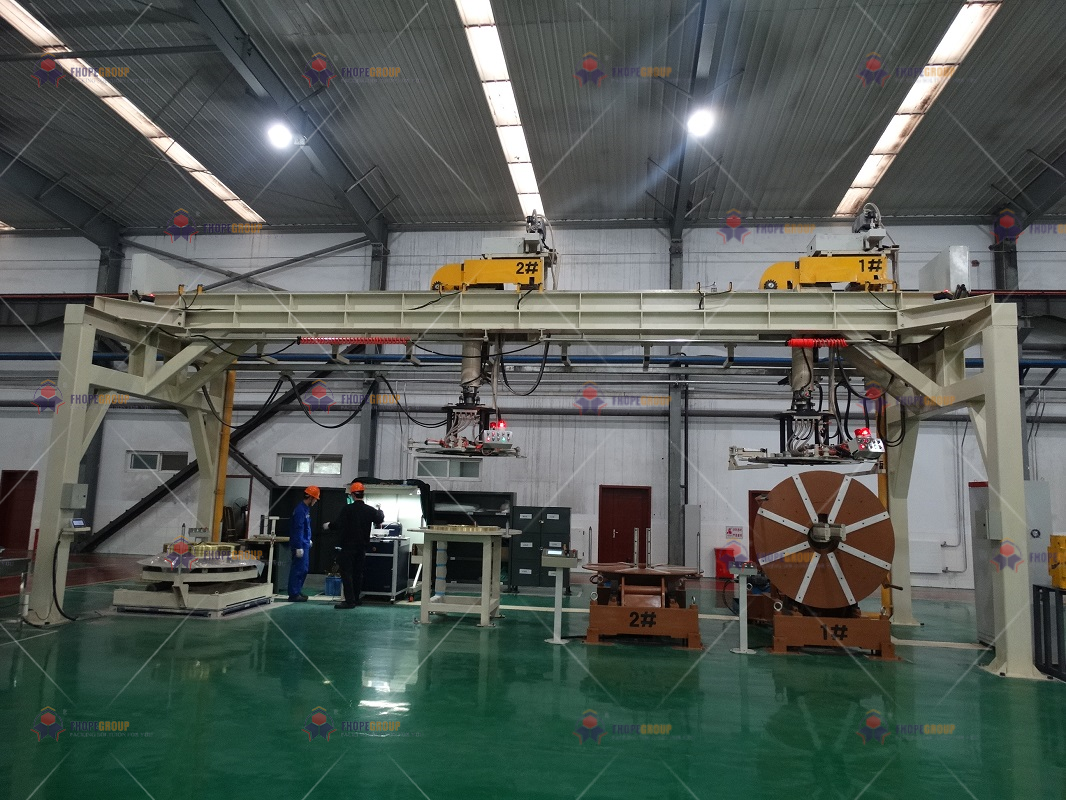
Retrofitting offers a significantly lower initial investment compared to new installations, typically ranging from 20% to 60% of the cost of complete replacement, allowing manufacturers to modernize piecemeal, focusing on critical upgrades while preserving functional components. This approach not only conserves capital but also minimizes disruption to ongoing operations, offering a phased pathway to enhanced productivity.

Peeling Back the Layers of Retrofit Costs: A Detailed Breakdown
To truly understand the economic advantages of retrofitting, we need to dissect the costs involved. Retrofitting isn’t a monolithic expense; it’s a tailored approach, and understanding its components allows for strategic budgeting and maximizing ROI.
1. Component-Specific Upgrades vs. Systemic Overhaul
The beauty of retrofitting lies in its modularity. Instead of replacing entire systems, you target specific components for upgrades. Consider a coil processing line. A full replacement might involve dismantling and discarding the entire uncoiler, leveler, feeder, and transfer mechanisms. Retrofitting, however, allows you to pinpoint bottlenecks or outdated technology.
For instance, upgrading the CNC controls of an existing line offers a substantial leap in processing power and data integration at a fraction of the cost of replacing the entire electrical and mechanical infrastructure. Similarly, integrating a new, energy-efficient drive system can drastically reduce operational costs without altering the fundamental line layout.
| Cost Factor | New Installation | Retrofitting Existing Lines |
|---|---|---|
| Equipment Costs | 100% of new, cutting-edge machinery | 20-60% cost of new equipment, focusing on key components |
| Installation Costs | Extensive site preparation, full system integration | Minimal site disruption, targeted integration |
| Downtime Costs | Significant production halt for full changeover | Phased upgrades, minimizing operational interruptions |
| Engineering & Design | Comprehensive system design from scratch | Leveraging existing infrastructure design |
| Potential Savings | Higher efficiency, lower maintenance (long-term) | Lower initial outlay, faster ROI, phased investment |
2. The Hidden Costs of New Installations: Beyond the Purchase Price
While the allure of shiny new machinery is undeniable, the total cost of new installations extends far beyond the initial purchase price. Consider these often-overlooked expenses:
- Demolition and Removal: Discarding existing lines incurs costs for dismantling, removal, and often, environmentally responsible disposal of old equipment.
- Site Preparation: New, optimized layouts might necessitate significant site modifications – altering foundations, utility connections, and even building structures.
- Extended Downtime: Full system replacements demand lengthy shutdowns, severely impacting production schedules and revenue streams. Retraining personnel on entirely new systems also contributes to lost productivity.
3. Phased Investment and Scalability: Retrofitting’s Strategic Advantage
Retrofitting empowers manufacturers with a strategic advantage – phased investment. You can prioritize upgrades based on immediate needs and budget constraints, spreading capital expenditure over time. This scalability is crucial for managing cash flow and adapting to evolving market demands.
Start with upgrading critical control systems to enhance automation and data capture. Later phases can address mechanical upgrades for improved speed or precision. This modular approach minimizes financial risk and allows for continuous improvement without overwhelming initial investment.
By strategically dissecting the costs, it becomes clear that retrofitting isn’t just a cheaper option; it’s a smarter, more agile, and financially prudent pathway to modernization for many manufacturers.
Modular Muscle: Leveraging Component Integration for Enhanced Performance
Modernizing a production line isn’t always about a complete overhaul. Often, the core mechanics of your existing system are robust and reliable, while specific components—controls, drives, or sensors—lag behind in performance and technology. This is where the power of modular component integration shines, offering a surgical approach to upgrades that maximizes efficiency and minimizes disruption.
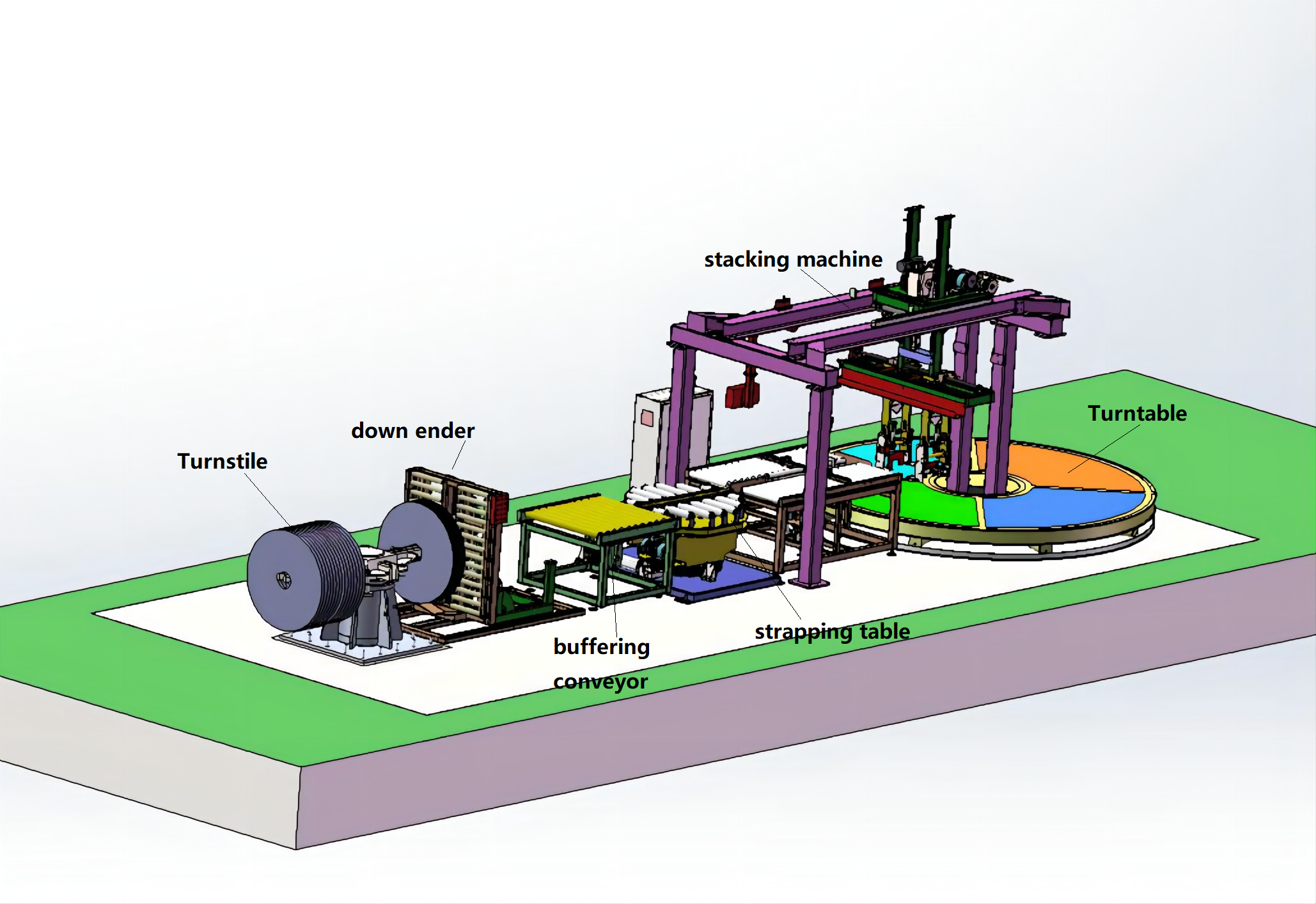
Modular component integration in retrofitting allows for targeted upgrades of outdated elements, such as replacing legacy control systems with advanced PLCs or integrating energy-efficient motors, resulting in significant performance boosts without the extensive costs and downtime of a full line replacement. This strategy enables manufacturers to cherry-pick the best of both worlds: preserving the proven elements of existing lines while injecting cutting-edge technology where it matters most.

Unlocking Efficiency Through Strategic Component Upgrades: A Deep Dive
Modular integration isn’t just about swapping parts; it’s a strategic approach that demands careful consideration of compatibility, integration points, and desired performance outcomes. Let’s delve deeper into how this strategy unlocks enhanced performance.
1. Control System Modernization: The Brains of the Operation
The CNC or PLC system is the brain of your production line. Outdated controls limit automation capabilities, data capture, and overall line efficiency. Upgrading to a modern, PC-based CNC or a powerful PLC offers transformative benefits:
- Enhanced Automation: Implement advanced algorithms for optimized material flow, predictive maintenance scheduling, and adaptive process control.
- Data-Driven Insights: Seamlessly integrate with MES and ERP systems, capturing real-time production data for performance analysis, quality control, and informed decision-making.
- Improved User Interface: Modern, intuitive interfaces simplify operation, reduce operator error, and accelerate training times.
2. Drive System Efficiency: Powering Performance and Savings
Legacy drive systems are often energy-intensive and less precise. Upgrading to modern AC servo drives and variable frequency drives (VFDs) provides a dual benefit:
- Energy Efficiency: Reduce energy consumption by up to 30% through optimized motor control and regenerative braking capabilities, significantly lowering operational costs.
- Precision and Speed: Achieve higher speeds, improved acceleration/deceleration, and enhanced positioning accuracy, boosting throughput and product quality.
3. Sensor Integration: Eyes and Ears for Smart Manufacturing
Integrating advanced sensors throughout the line creates a nervous system for data acquisition and real-time monitoring. Consider these strategic sensor deployments:
- Vision Systems: Implement automated quality checks, dimensional verification, and defect detection, minimizing manual inspection and scrap rates.
- Vibration Sensors: Enable predictive maintenance by monitoring machine health, detecting anomalies, and scheduling proactive maintenance to prevent costly downtime.
- Flow and Pressure Sensors: Optimize material consumption, detect leaks, and ensure consistent process parameters for improved quality and resource efficiency.
4. Seamless Integration: The Key to Modular Success
The effectiveness of modular integration hinges on seamless compatibility and integration. Careful planning is crucial:
- Interface Compatibility: Ensure new components are electrically and communication protocol-compatible with existing systems. Utilize industry-standard protocols like OPC UA or MQTT for seamless data exchange.
- Mechanical Adaptability: Design adapter plates and mounting solutions for physical integration of new components into existing mechanical structures.
- Software Integration: Develop or adapt software interfaces to ensure new controls, sensors, and drives communicate effectively and function harmoniously within the overall system.
Modular component integration is not just about replacing old parts; it’s about strategically enhancing your existing line’s capabilities. By carefully selecting and integrating modern components, manufacturers can achieve significant performance gains, improved efficiency, and a smarter, more responsive production environment, all while leveraging the inherent value of their existing infrastructure.
Navigating the Retrofit Roadblocks: Addressing Challenges and Maximizing Success
Retrofitting existing production lines offers compelling advantages, but it’s not without its challenges. Successfully navigating these potential roadblocks is crucial to realizing the full benefits of a retrofit project. Understanding these challenges upfront allows for proactive planning and mitigation strategies, ensuring a smoother, more efficient, and ultimately more successful upgrade.
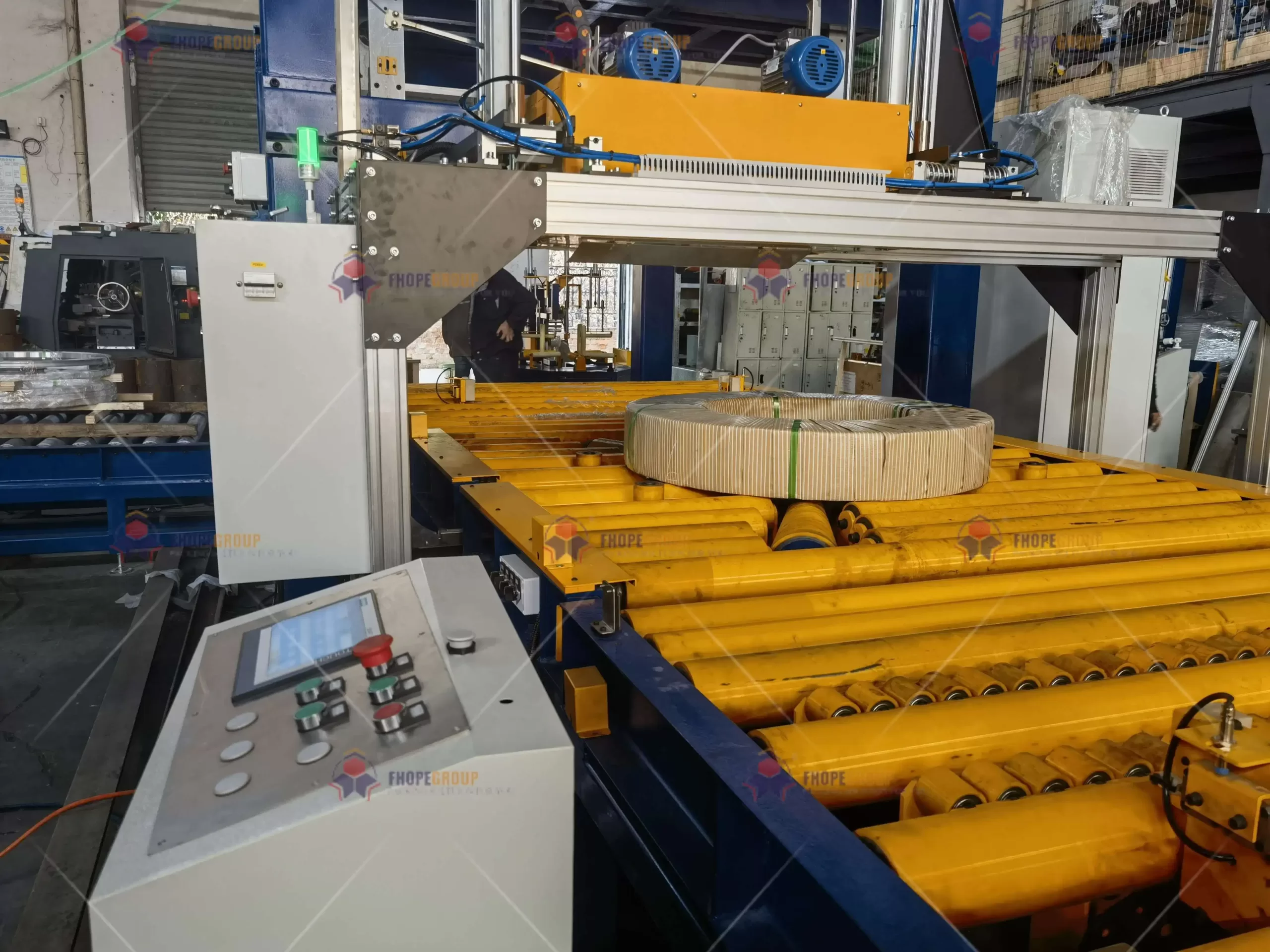
Retrofit projects often present challenges such as integrating new technology with legacy systems, managing downtime during upgrades, and ensuring compatibility with existing infrastructure, requiring careful planning and experienced execution to overcome these hurdles. Recognizing these potential pitfalls is the first step towards developing robust strategies to circumvent them and maximize the ROI of your retrofit investment.

Conquering Common Retrofit Challenges: Strategies for Success
Retrofitting, while cost-effective, demands a different skillset and approach compared to new installations. Let’s break down the common challenges and explore proven strategies to overcome them.
1. Legacy System Integration: Bridging the Technology Gap
Integrating cutting-edge technology with older, legacy systems is often the most significant hurdle. This challenge manifests in several ways:
- Communication Protocol Mismatches: Legacy systems may rely on outdated communication protocols incompatible with modern Ethernet-based standards.
- Data Compatibility Issues: Data formats, data structures, and data accessibility can differ drastically between old and new systems, hindering seamless data flow.
- Limited Documentation: Accurate and up-to-date documentation for older systems is often scarce, making integration planning and execution more complex.
Strategies for Success:
- Protocol Conversion Gateways: Utilize gateways to translate between legacy protocols (e.g., RS-232, RS-485, Profibus) and modern Ethernet-based protocols (e.g., OPC UA, MQTT).
- Data Mapping and Transformation: Employ data mapping and transformation tools to bridge data compatibility gaps, ensuring seamless data exchange between systems.
- Experienced Integration Partners: Engage with system integrators possessing expertise in both legacy and modern industrial automation technologies. Their experience is invaluable in navigating complex integration scenarios.
2. Downtime Management: Minimizing Production Interruption
Downtime is the nemesis of any manufacturing operation. Retrofitting, if not carefully planned, can lead to extended production halts.
Strategies for Success:
- Phased Implementation: Adopt a phased approach, upgrading sections of the line sequentially to maintain partial production capacity.
- Strategic Scheduling: Schedule retrofit activities during planned maintenance periods, weekends, or off-peak production times to minimize disruption.
- Modular Upgrade Approach: Prioritize modular upgrades that can be implemented quickly and with minimal system-wide downtime. For example, control system upgrades can often be implemented in parallel with mechanical system operation.
- Hot Swap Capabilities: Where feasible, implement “hot swap” capabilities, allowing for component replacements or upgrades without complete system shutdown.
3. Infrastructure Compatibility: Working with the Existing Framework
Retrofitting projects inherit the constraints of the existing infrastructure. This can present challenges related to:
- Space Limitations: Integrating new, often larger, components into existing tight spaces can be physically challenging.
- Power and Utility Requirements: New, energy-efficient systems might have different power requirements or utility connections compared to legacy systems.
- Mechanical Interface Adaptations: Integrating new components with existing mechanical structures often necessitates custom adapter plates, brackets, and couplings.
Strategies for Success:
- 3D Scanning and Digital Twins: Utilize 3D scanning to create accurate digital twins of existing lines, facilitating precise planning and clash detection for component integration.
- Compact Component Selection: Prioritize compact, space-saving components designed for retrofit applications.
- Custom Engineering Solutions: Employ experienced mechanical and electrical engineers to design custom adapter plates, wiring harnesses, and integration solutions to overcome infrastructure limitations.
4. Skill Gap and Training: Empowering Your Workforce
Introducing new technologies through retrofitting necessitates workforce adaptation. Operators and maintenance personnel need to be trained on new systems and procedures.
Strategies for Success:
- Comprehensive Training Programs: Develop structured training programs covering operation, maintenance, troubleshooting, and data utilization of the new systems.
- Vendor-Provided Training: Leverage training resources offered by component and system vendors.
- On-the-Job Training and Mentorship: Implement on-the-job training and mentorship programs pairing experienced personnel with those learning new systems.
- User-Friendly Interfaces: Select systems with intuitive user interfaces to accelerate the learning curve and minimize operator errors.
By proactively addressing these challenges with strategic planning, experienced execution, and a commitment to workforce empowerment, manufacturers can confidently navigate the retrofit roadblocks and unlock the transformative potential of upgrading existing production lines.
The Retrofit Advantage: A Sustainable and Scalable Path Forward

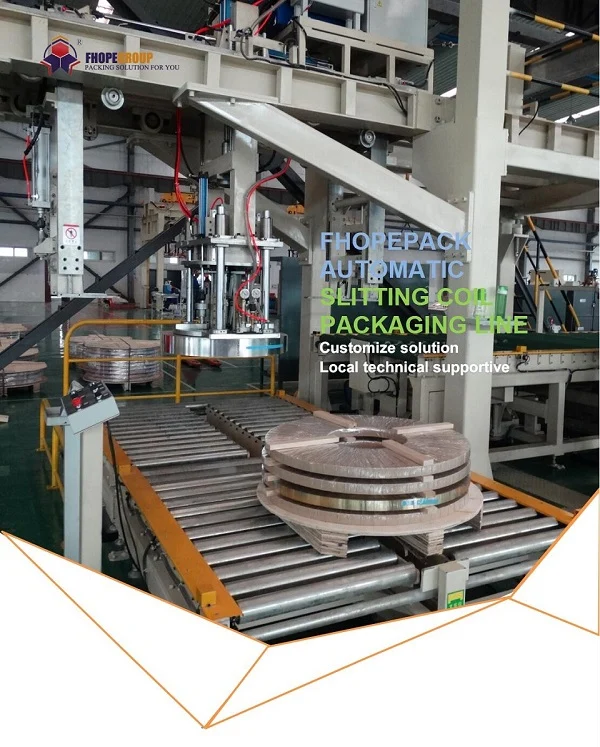
Retrofitting offers a compelling blend of economic prudence and operational enhancement. It’s a sustainable approach, maximizing the lifespan of existing equipment while injecting modern technology where it yields the greatest impact. For manufacturers seeking a cost-effective, scalable, and environmentally conscious path to modernization, retrofitting often emerges as the strategically superior choice.
Retrofitting legacy systems not only provides a significant cost advantage and minimizes operational disruption, but also aligns with sustainability goals by extending equipment lifespan and reducing the carbon footprint associated with manufacturing new machinery, making it a responsible and forward-thinking modernization strategy.
By strategically leveraging modular component integration and proactively addressing potential challenges, manufacturers can unlock the full potential of their existing infrastructure through retrofitting, paving the way for a more efficient, agile, and sustainable future.
Conclusion
Choosing between retrofitting existing lines and new installations is a complex decision, but for many manufacturers, legacy system upgrades offer a compelling path to modernization. By understanding the cost-benefit dynamics, embracing modular integration, and proactively addressing potential challenges, companies can leverage retrofitting to achieve significant operational improvements and a stronger bottom line. Retrofitting isn’t just about saving money; it’s about making smart, strategic investments that maximize the value of existing assets while paving the way for a more efficient and sustainable future. For further exploration of automation solutions that can enhance your production line, visit wire packing automation.












