
Are you tired of unexpected breakdowns halting your coil packaging line, leading to costly downtime and missed deadlines? Imagine a smoothly running line, consistently delivering perfectly packaged coils, day in and day out. The secret? A robust preventive maintenance checklist, your frontline defense against operational disruptions and the key to maximizing your investment.
A preventive maintenance checklist for a coil packaging line is a structured document outlining routine inspection and maintenance tasks performed at regular intervals—daily, weekly, monthly, or annually. It ensures all critical components like conveyors, strapping units, hydraulic systems, and electrical controls are checked, lubricated, and calibrated, preventing unexpected failures and extending the lifespan of the equipment. This proactive approach minimizes downtime, reduces repair costs, and ensures consistent packaging quality.
Ready to transform your coil packaging line’s reliability and efficiency? Dive into our comprehensive guide and checklist to ensure long-term peak performance.
Level 1: Daily and Weekly Checks for Coil Packaging Line Uptime
Imagine starting your workday knowing your coil packaging line is primed for peak performance. But what if hidden issues are lurking, ready to cause chaos? Ignoring daily and weekly maintenance is like skipping breakfast – you might get by, but sustained performance suffers. A consistent routine of Level 1 checks is your operational breakfast, fueling efficiency and preventing costly mid-shift breakdowns.
Daily and weekly preventive maintenance checks on a coil packaging line are crucial for ensuring immediate uptime and preventing minor issues from escalating into major problems. These checks focus on visual inspections, basic lubrication, and functional tests of easily accessible components. Daily tasks often include cleaning debris, checking for leaks, and verifying safety features, while weekly tasks might involve more in-depth lubrication and tightening of fasteners. This proactive approach keeps the line running smoothly, minimizes disruptions, and allows for early detection of potential problems before they cause significant downtime. Level 1 checks are the bedrock of a reliable maintenance program.
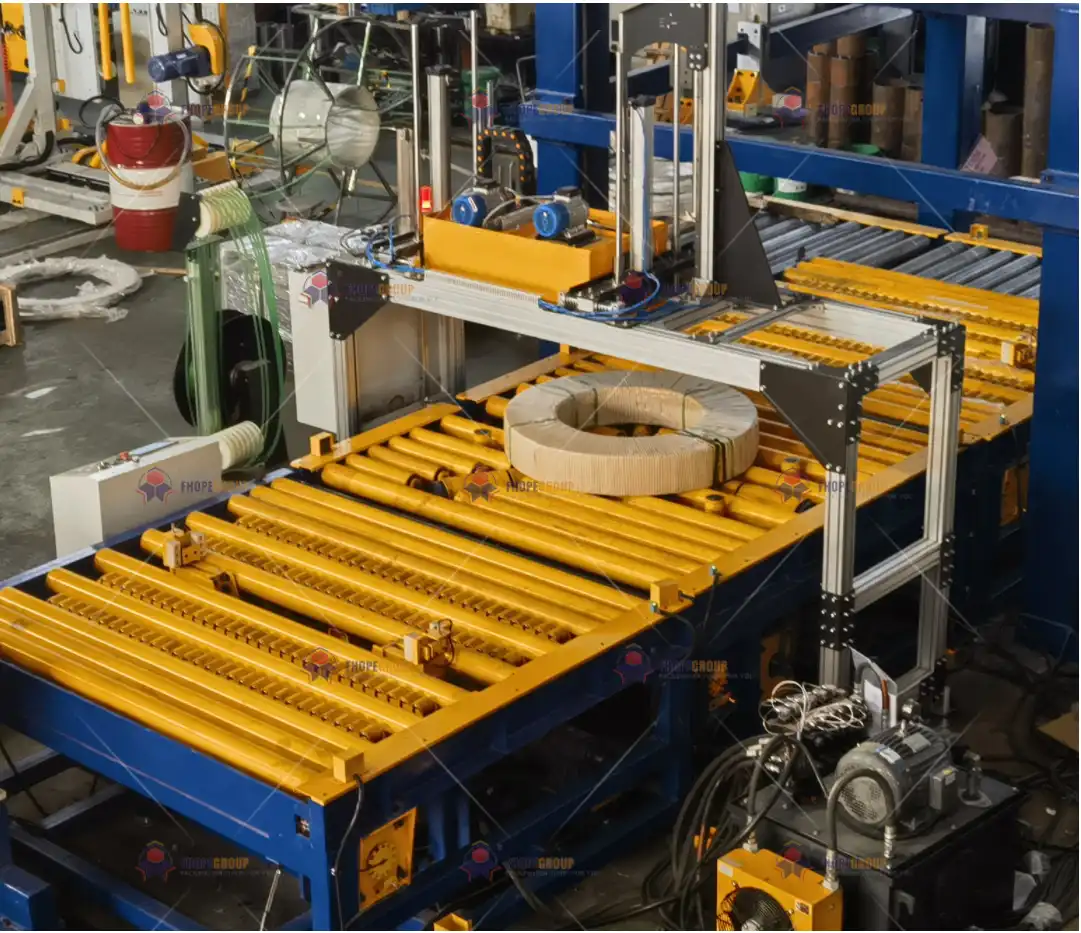
But are simple visual checks and lubrication enough? While Level 1 maintenance is essential, it’s just the tip of the iceberg. To truly safeguard your coil packaging line, we need to delve deeper.
Dive Deeper: The ROI of Consistent Level 1 Maintenance
Level 1 maintenance isn’t just about ticking boxes; it’s about realizing tangible returns on your investment. Consider the impact of neglecting even seemingly minor daily checks:
The Domino Effect of Neglect
Imagine a small accumulation of steel dust on a sensor. Initially, it might cause intermittent misreadings, leading to slight packaging inaccuracies. However, if left unchecked, this dust can:
- Obstruct the sensor completely: Halting the packaging process and causing downtime.
- Lead to component overheating: Forcing premature replacement of the sensor and potentially related electronics.
- Compromise packaging integrity: Resulting in damaged coils and dissatisfied customers.
This small issue, easily preventable with a daily cleaning check, can trigger a cascade of problems.
Quantifying the Benefits: A Data-Driven Approach
Let’s look at a hypothetical scenario and quantify the impact of Level 1 maintenance:
| Metric | Without Level 1 Maintenance | With Level 1 Maintenance | Improvement |
|---|---|---|---|
| Downtime Incidents (Monthly) | 5 | 1 | 80% Reduction |
| Average Downtime per Incident | 2 hours | 30 minutes | 75% Reduction |
| Labor Cost per Downtime Hour | \$100 | \$100 | – |
| Lost Production Value per Hour | \$5,000 | \$5,000 | – |
| Monthly Downtime Cost | \$55,000 | \$2,917 | 95% Reduction |
| Preventative Maintenance Labor (Monthly) | \$0 | \$500 | – |
| Net Monthly Savings | – | \$51,583 | – |
Assumptions: Figures are illustrative and will vary based on specific operational contexts.
As the table demonstrates, even a modest investment in daily and weekly Level 1 maintenance can yield substantial cost savings by drastically reducing downtime. The 95% reduction in monthly downtime cost in this example highlights the significant ROI. Beyond direct cost savings, Level 1 maintenance contributes to:
- Increased Throughput: Consistent operation means more coils packaged per shift.
- Improved Product Quality: Reduced packaging errors and damage lead to higher customer satisfaction.
- Enhanced Safety: Regular safety checks minimize workplace hazards.
Level 1 maintenance is not just a checklist; it’s a strategic investment in operational excellence.
Level 2: Monthly and Quarterly Inspections for Proactive Coil Line Care
Daily and weekly checks are your first line of defense, but what about the deeper, less frequent issues that can slowly degrade your coil packaging line’s performance? Think of your car – you check the tires weekly, but you need a monthly or quarterly service for oil changes and more thorough inspections. Level 2 maintenance, performed monthly and quarterly, is that essential service for your coil packaging line, ensuring long-term health and preventing major component failures.
Monthly and quarterly preventive maintenance inspections for coil packaging lines involve more detailed checks and tasks performed less frequently than daily or weekly routines. Monthly tasks typically include in-depth lubrication of critical components, inspection of wear parts like belts and rollers, and calibration of sensors. Quarterly checks extend to alignment verification, detailed electrical system inspections, and hydraulic fluid analysis. Level 2 maintenance aims to identify and address potential issues before they become critical, ensuring sustained performance and preventing costly repairs down the line. This level of proactive care is vital for maximizing the lifespan of your equipment.
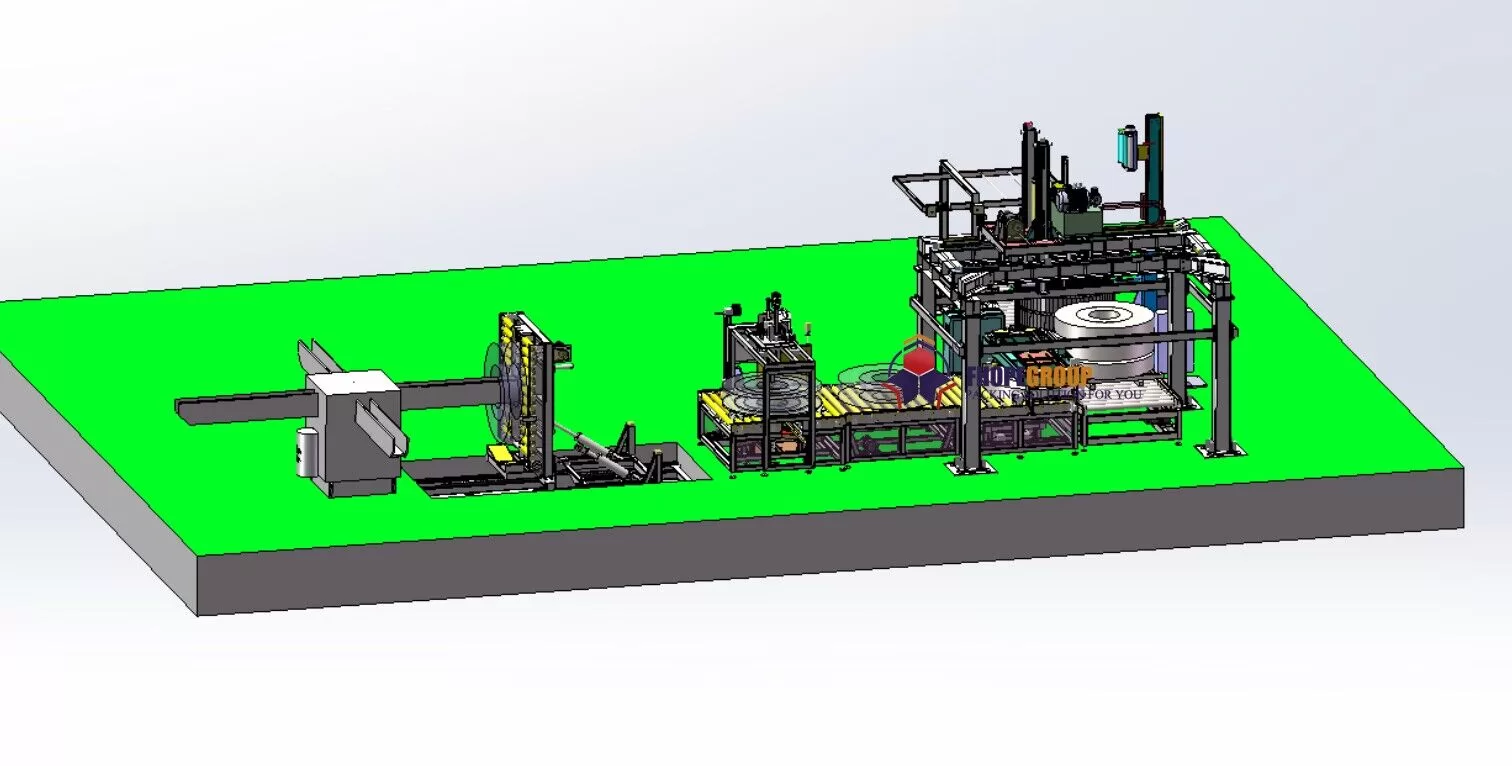
But how do you know what to focus on during these Level 2 inspections? And what are the critical areas that demand your attention? Let’s delve into the specifics.
-### Deep Dive: Focusing on Critical Components in Level 2 Maintenance
Level 2 maintenance is about targeted intervention, focusing on components that are prone to wear, degradation, or misalignment over time. Here are key areas to prioritize:
1. Alignment and Calibration Precision
Coil packaging lines rely on precise alignment for smooth operation. Misalignment can lead to:
- Premature wear: Increased friction on belts, chains, and rollers.
- Packaging defects: Inconsistent strapping, wrapping, or stacking.
- Increased energy consumption: Motors working harder to compensate for misalignment.
Level 2 Alignment Calibration Checklist Examples:
- Conveyor Belt Alignment:
- Monthly: Visual inspection of belt tracking, adjust tracking rollers as needed.
- Quarterly: Laser alignment check of conveyor frames and rollers, adjust framework and rollers to manufacturer specifications.
- Strapping Head Alignment:
- Monthly: Check strap feed alignment, adjust guides as needed.
- Quarterly: Verify strapping head alignment with coil center, calibrate strapping head position sensors.
- Wrapping System Alignment:
- Monthly: Inspect film carriage alignment, adjust guide rollers.
- Quarterly: Verify wrapping ring concentricity, calibrate film tension sensors.








