Post-Pandemic Shifts in Coil Packaging Supply Chains
The COVID-19 pandemic served as a stark reminder of the intricate and often fragile nature of global supply chains. Suddenly, terms like “supply chain disruption” and “logistics resilience” became commonplace in boardrooms and households alike. While the concept of supply chains might have remained abstract for many before 2020, the pandemic thrust it into the forefront of global consciousness. Shortages, delays, and price fluctuations became daily realities, exposing vulnerabilities in systems previously taken for granted. For the coil packaging industry, a sector deeply intertwined with the smooth flow of goods across various sectors, the pandemic triggered a period of intense adaptation and transformation.
The Pandemic’s Wake: Unveiling Supply Chain Fragilities
Before delving into post-pandemic shifts, it’s crucial to acknowledge the specific ways COVID-19 impacted coil packaging supply chains. The crisis unfolded in waves, starting with disruptions in manufacturing hubs, particularly in Asia. Lockdowns and workforce limitations crippled production capacities, leading to material shortages that rippled across the globe. The packaging industry, heavily reliant on raw materials like polymers and paper pulp, felt the pinch acutely. Simultaneously, the pandemic triggered dramatic shifts in consumer demand. Brick-and-mortar retail experienced a downturn, while e-commerce surged. This sudden pivot placed immense pressure on packaging manufacturers to rapidly adjust production to cater to the demands of online retail. The need for e-commerce friendly packaging, capable of withstanding individual shipping and handling, intensified. Adding to the complexity, the workforce itself faced unprecedented challenges. Social distancing measures, health concerns, and labor shortages hampered operations across the packaging industry. Manufacturing plants, warehouses, and distribution centers struggled to maintain staffing levels while adhering to new safety protocols. This confluence of factors – material scarcity, demand fluctuations, and labor constraints – created a perfect storm for supply chain disruptions in the coil packaging sector.
Automation: A Response to Labor Shortages and Demand Spikes
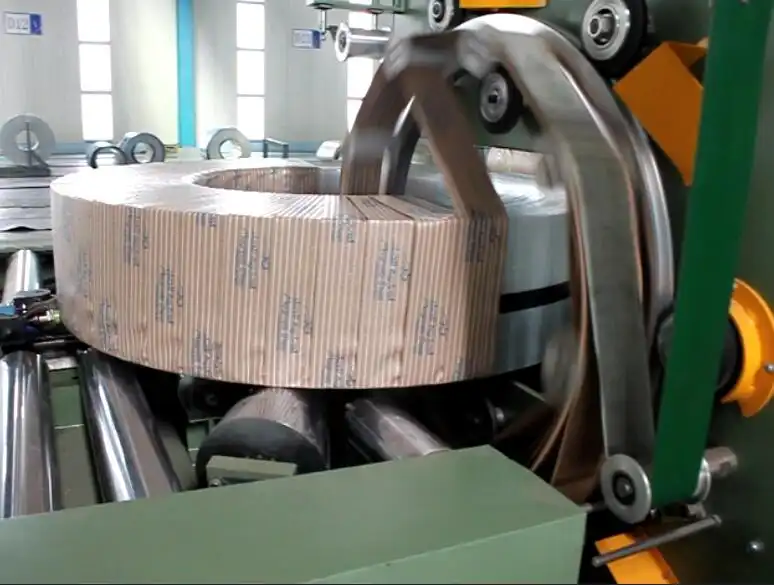
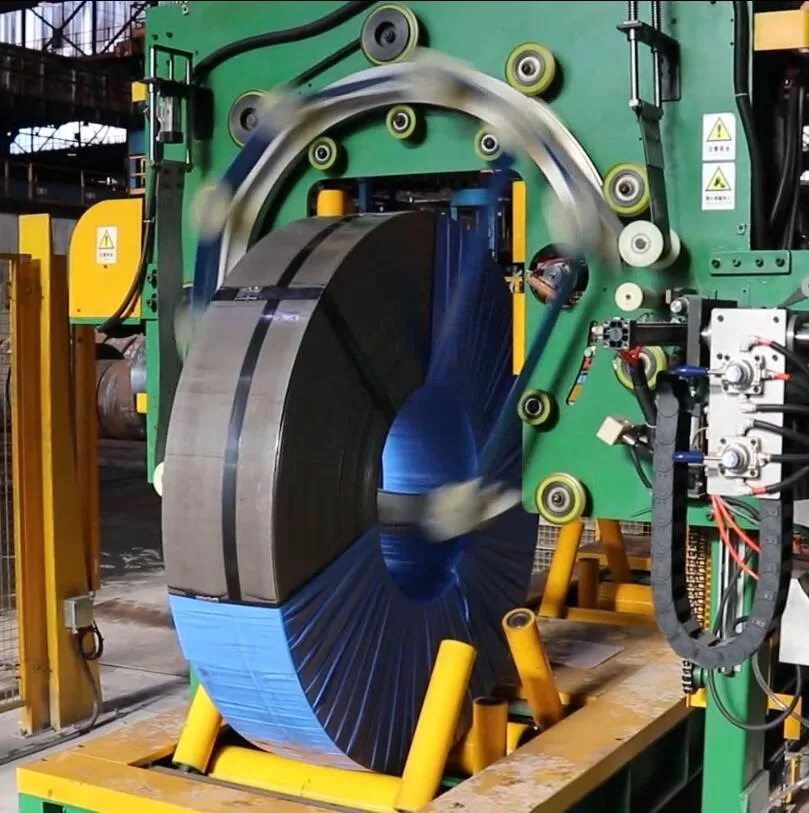
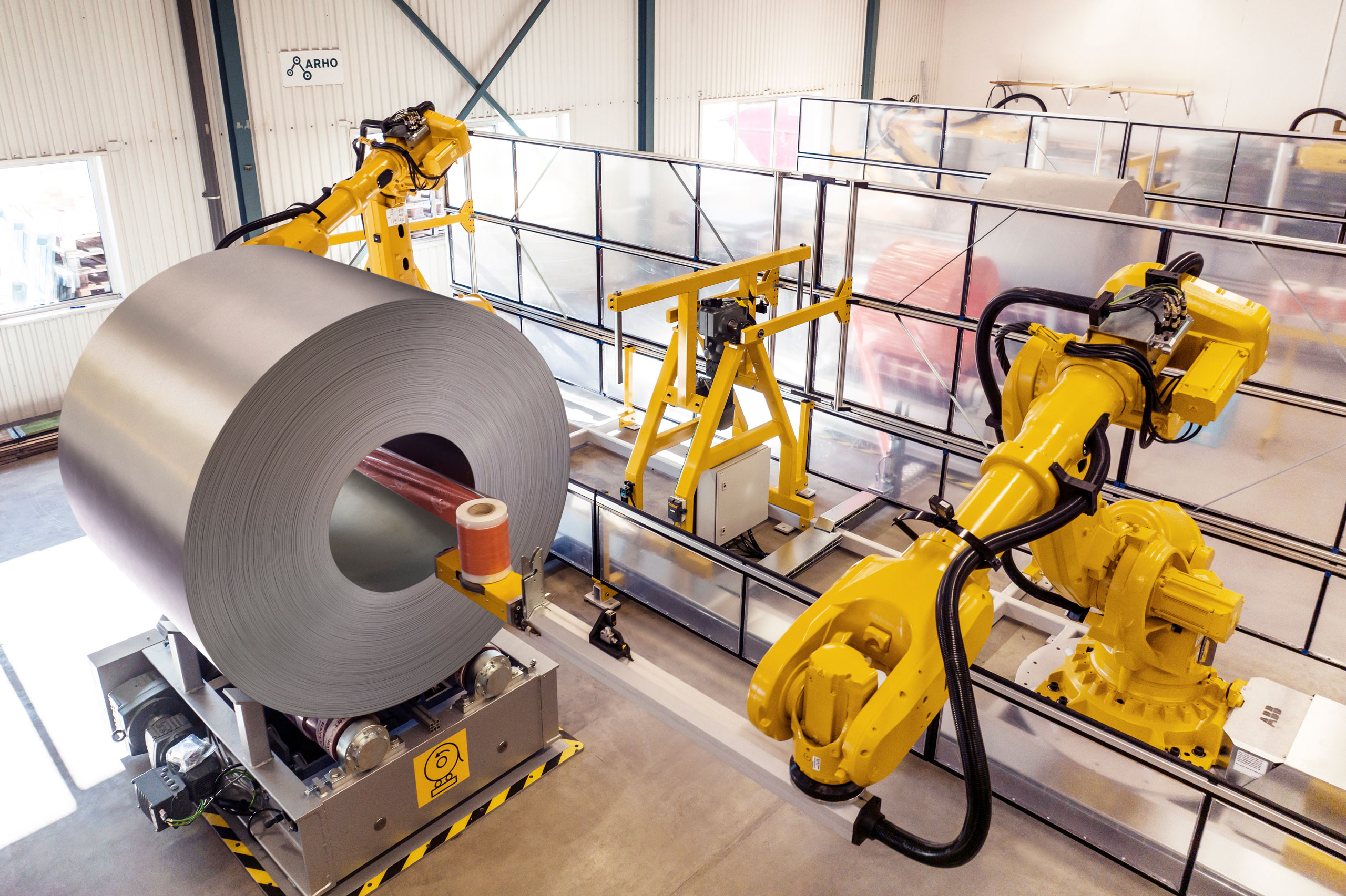
One of the most significant post-pandemic shifts in coil packaging is the accelerated adoption of automation. The pandemic exposed the vulnerability of relying heavily on manual labor, particularly in the face of health crises and labor shortages. As businesses grappled with maintaining operational efficiency amidst these challenges, automation emerged as a compelling solution. Automation in packaging encompasses a wide spectrum of technologies, from automated packaging machinery on production lines to robotic systems in warehouses and fulfillment centers. These technologies offer several key benefits in the post-pandemic era:
- Reduced Labor Dependence: Automation directly addresses the challenge of labor scarcity. By automating repetitive tasks, companies can reduce their reliance on a fluctuating workforce and maintain production levels even with fewer personnel.
- Increased Efficiency and Speed: Automated systems operate at a faster pace and with greater consistency than manual operations. This is crucial for meeting the heightened demands of e-commerce and ensuring timely delivery.

- Enhanced Safety and Hygiene: In a world more conscious of health and safety, automation minimizes human contact in packaging processes, contributing to a safer and more hygienic working environment.
-
Improved Accuracy and Reduced Errors: Automated systems are less prone to errors than manual processes, leading to more accurate packaging and reduced product damage during transit. The following table summarizes the benefits of automation in post-pandemic coil packaging supply chains: Benefit Description Impact on Supply Chain Resilience Labor Independence Reduces reliance on manual labor, mitigating workforce shortages. High Efficiency Gains Increases speed and throughput of packaging operations. Medium Safety & Hygiene Minimizes human contact, improving workplace safety and product hygiene. Medium Accuracy & Error Reduction Less prone to errors, leading to better packaging quality and reduced damage. Medium E-commerce Driven Packaging Innovations
The surge in e-commerce during the pandemic has fundamentally reshaped packaging requirements. Coil packaging, traditionally designed for bulk shipments and palletized transportation, now needs to adapt to the individual parcel environment of e-commerce. This shift has spurred innovation in several areas:
- Mailer Dominance: Lightweight mailers are gaining popularity as an alternative to traditional corrugated boxes, especially for smaller, less fragile items. Mailers reduce material usage, lower shipping costs due to reduced weight and dimensional weight considerations, and minimize the need for void fill materials.
- Sustainable E-commerce Packaging: Consumers are increasingly conscious of the environmental impact of e-commerce packaging. This is driving demand for sustainable solutions, such as recyclable mailers, reduced packaging designs, and bio-based packaging materials.
- Damage Reduction Focus: E-commerce packages undergo more handling points compared to traditional retail supply chains. Packaging designs are evolving to prioritize product protection during individual parcel transit, minimizing damage and returns.
- Optimized Design for Smaller Shipments: Traditional coil packaging formats designed for bulk are often over-engineered for single-item e-commerce shipments. Innovations are focusing on right-sizing packaging to minimize material waste and shipping costs associated with excessive packaging volume.
Sustainability: A Non-Negotiable Imperative
Even amidst the pandemic’s immediate challenges, sustainability has remained a critical focus for the packaging industry. In fact, the increased visibility of packaging waste associated with the e-commerce boom has amplified consumer awareness and pressure for eco-friendly solutions. Post-pandemic, sustainability is no longer a secondary consideration but a core pillar of coil packaging supply chain strategy. Key sustainability trends include:
- Recycled Content Adoption: Increased demand and regulatory pressure are driving the adoption of recycled content in coil packaging materials, particularly in plastics and paper-based packaging. Sourcing and processing post-consumer recycled (PCR) resins and papers are becoming increasingly important.
- Design for Recyclability: Packaging designs are being optimized for recyclability to improve end-of-life recovery rates. This includes using mono-materials where possible, minimizing the use of mixed materials, and designing for easy disassembly and sorting in recycling streams.
- Reduced Material Usage: Lightweighting and optimized packaging designs are aimed at reducing overall material consumption. This not only minimizes environmental impact but also lowers material costs and shipping weights.
- Circular Economy Approaches: Companies are exploring circular economy models for coil packaging, focusing on reuse, refill, and closed-loop systems to minimize waste and maximize resource utilization.
Workforce Evolution: Adapting to a New Labor Landscape
The pandemic significantly altered the labor landscape for the coil packaging industry. Beyond the immediate disruptions of lockdowns and labor shortages, several longer-term trends have emerged:
- Persistent Labor Shortages: The packaging industry, like many manufacturing sectors, faces ongoing labor shortages. This is driven by factors such as an aging workforce, changing demographics, and competition from other sectors.
- Wage Growth and Employee Empowerment: The tight labor market has led to wage growth, particularly for front-line and essential workers. Employees have gained leverage, leading to increased turnover as individuals seek better opportunities and working conditions.
- Automation as a Labor Solution: As discussed earlier, automation is increasingly viewed as a strategic response to labor shortages, enabling companies to maintain production and reduce dependence on a volatile workforce.
- Upskilling and Reskilling Initiatives: The adoption of automation and new technologies requires a workforce with evolving skill sets. Companies are investing in upskilling and reskilling programs to equip employees to operate and maintain automated systems, and to take on higher-value roles.
Reshoring and Inventory Strategies: Rethinking Globalization
The pandemic exposed the risks associated with highly globalized and lean supply chains. The reliance on distant manufacturing hubs and minimal inventory levels proved to be a vulnerability when disruptions struck. Post-pandemic, companies are re-evaluating their sourcing and inventory strategies:
- Reshoring and Nearshoring Considerations: Companies are exploring reshoring production back to domestic markets or nearshoring to neighboring countries to reduce reliance on geographically distant suppliers and shorten supply chains. This can enhance resilience and responsiveness, although it may come with higher labor costs.
- Increased Inventory Levels: The just-in-time inventory model, popular before the pandemic, is being reconsidered. Many companies are opting to hold higher inventory levels of critical materials and finished goods to buffer against future disruptions and demand volatility.
- Diversification of Supply Base: Reducing reliance on single suppliers and diversifying the supply base across multiple geographic regions is a strategy to mitigate risks associated with localized disruptions.
- Regionalization of Supply Chains: Developing more regionalized supply chains, with production and sourcing focused within specific geographic areas, can enhance resilience and reduce transportation distances and lead times.

Vertical Integration and Enhanced Control
For larger players in the coil packaging industry, vertical integration is emerging as a strategy to gain greater control over supply chains and material sourcing. Vertical integration involves expanding operations to encompass different stages of the supply chain, such as raw material production or recycling. Benefits of vertical integration include:
- Improved Supply Chain Oversight: Direct control over more stages of the supply chain enhances visibility and allows for better management of material flows and production processes.
- Greater Control Over Material Supply: Vertical integration can secure access to critical raw materials and reduce reliance on external suppliers, mitigating risks associated with material shortages and price volatility.
- Enhanced Sustainability Initiatives: Vertical integration can facilitate the implementation of closed-loop systems and promote the use of recycled materials throughout the supply chain.
Conclusion: Embracing Resilience and Adaptability
The post-pandemic landscape for coil packaging supply chains is characterized by significant and enduring shifts. Automation, e-commerce driven innovation, sustainability imperatives, workforce evolution, and a re-evaluation of globalization are reshaping the industry. The key takeaway for businesses operating in this sector is the paramount importance of resilience and adaptability. Companies that proactively embrace these shifts, invest in automation and sustainable solutions, diversify their supply chains, and build agile and responsive operations will be best positioned to thrive in the evolving post-pandemic world. The coil packaging industry, as a critical enabler of global commerce, is undergoing a necessary transformation to meet the challenges and opportunities of a world forever altered by the COVID-19 pandemic. The future of coil packaging lies in building supply chains that are not only efficient and cost-effective but also robust, sustainable, and resilient in the face of unforeseen disruptions.