

Performance Benchmark: Orbital Stretch Wrappers in U.S. Packaging Plants?
Are you running a busy packaging plant in the U.S.? Do you feel the constant pressure of keeping up with demand while also cutting costs? Maybe you see bottlenecks on your line, especially at the very end when products need to be packed and shipped. This is a common problem. Many plant managers I talk to feel this same pressure. They are always looking for better ways to move products out the door faster and safer.
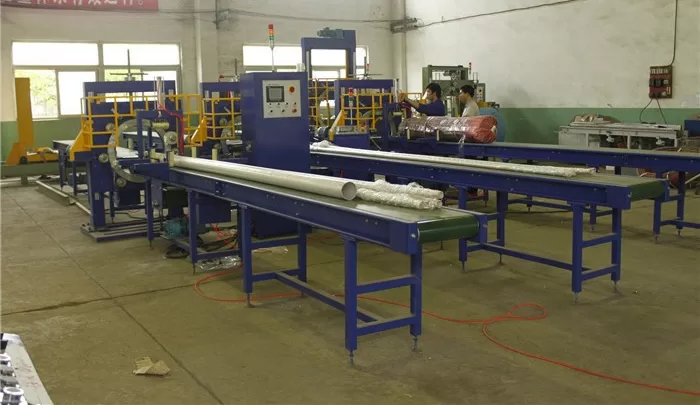
Orbital stretch wrappers are becoming a key tool for U.S. packaging plants because they solve major problems like slow manual processes, high labor costs, and product damage during shipping. These machines wrap products horizontally, making them ideal for long or oddly shaped items. They increase speed, improve package integrity, and boost worker safety. This directly helps plants meet their production goals.

You likely deal with these exact issues every day. You want solutions that work. You need equipment that will last. In this article, I will share what I have learned from years in the packing machine industry. I will show you how orbital stretch wrappers can help your plant. We will look at how they improve efficiency, make your workplace safer, and even save you money.
Why Are U.S. Packaging Plants Turning to Orbital Stretch Wrappers for Efficiency?
Do your current packing methods feel slow and outdated? Is manual wrapping a bottleneck that holds back your entire production line? Many U.S. plants struggle with this. They watch as finished products pile up, waiting for slow, labor-intensive packing. This directly impacts delivery times and customer satisfaction.
U.S. packaging plants are adopting orbital stretch wrappers to overcome efficiency bottlenecks because these machines automate the wrapping process for long, bulky, or irregularly shaped items. They work faster than manual methods, reducing labor needs and freeing up workers for other tasks. This automation speeds up the end-of-line packaging, allowing for quicker product throughput and faster shipment times.


My journey started as an employee in a packing machine factory. I saw firsthand how much time and effort went into manual packing. It was slow. It was costly. When I started my own factory, I knew efficiency would be key. We focused on automation from day one. This is why I always talk about orbital stretch wrappers. They offer a huge step up from traditional methods.
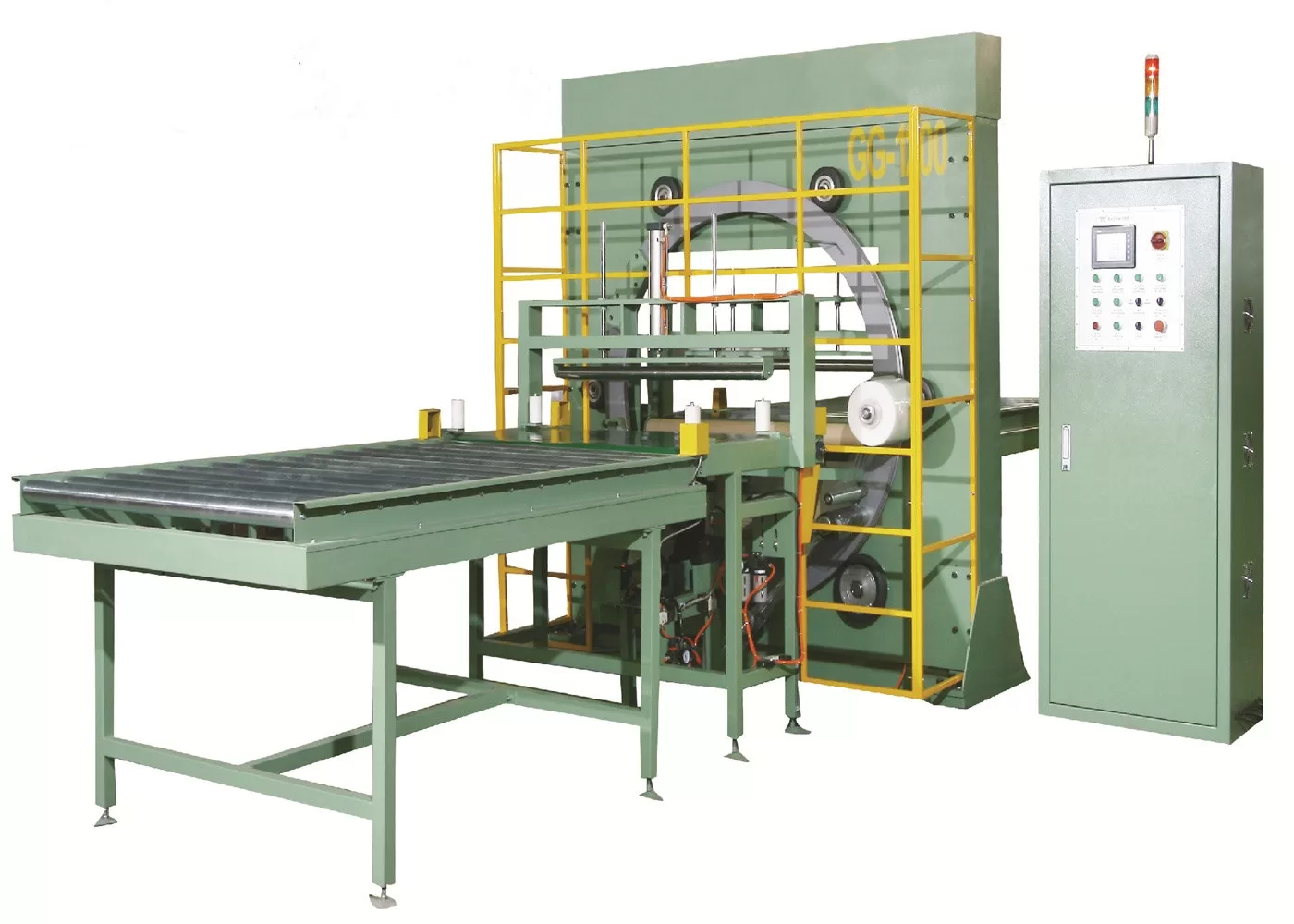
Think about how many products move through a typical metal processing plant in the U.S. You have steel coils, pipes, lumber, or even car parts. These items are often heavy and long. Manually wrapping them takes several workers. It requires them to move around large objects. This uses a lot of time. It also ties up valuable people. An orbital wrapper, like the ones FHOPEPACK designs, wraps these items automatically. The product goes through a rotating ring of film. The machine wraps it tightly from all sides. This process is much faster. It only needs one operator to load and unload. This frees up other workers. They can do more skilled tasks. This improves your overall plant output.
Consider the cost savings too. Labor is a major expense. If you can reduce the number of people needed for packing, you save money. This goes straight to your bottom line. Michael, a factory manager I know, told me his current steel coil packing relied on many workers. It was very slow. He saw how this stopped his whole line. He needed a way to speed things up at the end. An orbital wrapper offers this solution. It can wrap dozens of items in the time it takes workers to do just a few. This helps plants meet tight deadlines. It also allows them to handle higher volumes. This means more sales and more growth.
Automation also brings consistency. Manual wrapping can be uneven. Some packages might be loose. Others might be too tight. This can lead to problems later on. A machine wraps every item the same way. This means better protection for your products. It means fewer errors. It makes your whole process more reliable. This is critical for high-volume operations. This consistent quality also looks more professional to your clients. It shows you care about your products.
How Do Orbital Stretch Wrappers Improve Safety on the Factory Floor?
Are you worried about worker safety in your plant? Do heavy items and manual handling cause frequent injuries? This is a serious concern for any factory manager. Accidents lead to higher insurance costs, lost workdays, and a less productive team. No one wants to see their workers get hurt.
Orbital stretch wrappers significantly improve safety in packaging plants by drastically reducing the need for manual handling of heavy or awkward items. Workers no longer have to lift, turn, or physically wrap large products, which are common causes of back injuries, strains, and crushes. These machines keep workers away from moving parts and automate hazardous tasks, creating a much safer work environment.

Safety has always been a top priority for me. When I ran my own factory, I learned that a safe workplace is a productive workplace. Workers who feel safe do better work. They are happier. They stay with the company longer. Manual packing of heavy goods is one of the most dangerous jobs in a plant. Workers often twist, bend, and lift heavy items. They use their bodies to turn large coils or long pipes. This leads to a lot of injuries. Back pain, muscle strains, and crushed fingers are common. These injuries cost money. They also cause delays.
This is where orbital stretch wrappers make a huge difference. They take the human element out of the dangerous parts of wrapping. Products move on a conveyor. They go through the wrapping ring. Workers do not need to lift or turn the heavy items by hand. This removes the risk of many common injuries. Think about a steel coil. It can weigh tons. Moving it by hand is impossible. Even using forklifts for repositioning during manual wrapping carries risks. An orbital wrapper handles the entire wrapping process mechanically. This keeps workers safe. They stay clear of the heavy loads and the moving machinery.
For example, Michael shared his concerns about workers handling heavy molds or flipping pallets. This was a high-risk activity in his plant. It led to many injuries. It also drove up his insurance costs. An automated orbital wrapper addresses this directly. The machine does the heavy lifting. It does the wrapping. Workers can focus on supervision. They can manage the machine controls. This is a much safer job. This also helps reduce employee turnover. People want to work in safe places. When you invest in safety, you invest in your team. This also reduces your liability. It lowers your worker compensation claims. It creates a better culture in your plant. My goal is always to help businesses grow responsibly. Safety is a big part of that.
Can Orbital Wrapping Machines Really Reduce Product Damage and Save Money?
Are you losing money because of damaged products during shipping? Do customers complain about scratched or dented goods? Product damage is a hidden cost that eats into your profits. It hurts your reputation too. No one wants to deliver a damaged product.
Orbital wrapping machines significantly reduce product damage and save money by providing a tight, consistent, and all-around protective wrap for items like steel coils, pipes, or lumber. This robust packaging prevents scuffs, dents, and shifting during internal transfers and external shipping. Less damage means fewer returns, lower scrap rates, and happier customers, directly boosting a plant’s profitability.


Product damage was something I learned to minimize early in my career. When I started out, I saw how easily items could get dinged or scratched. These small damages add up. They lead to big losses. They also hurt customer trust. A tight, secure package is not just about looks. It is about protection.
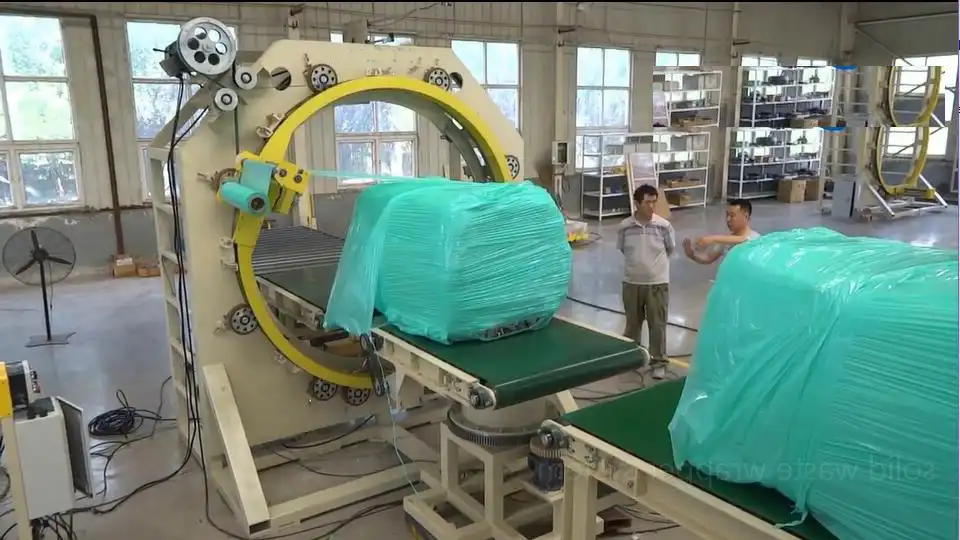
Manual wrapping often results in uneven coverage. Some parts of the product might be exposed. Edges are especially vulnerable. For example, steel coils can get edge damage during handling or transit. This makes them unusable for certain clients. It leads to rework. It leads to financial loss. An orbital wrapper solves this. It applies a uniform layer of stretch film around the entire product. The film wraps around the item as it moves through the machine. This creates a strong, protective cocoon. It covers all surfaces. It holds the product securely. This stops it from shifting during transport. It protects it from outside impacts.
Consider the example of metal products. These are heavy. They can be sharp. They need strong protection. A machine-wrapped product is much more resilient. It handles impacts better. It resists moisture and dust. This is very important for products stored outside or shipped long distances. My experience building a successful packing machine factory taught me that every penny saved on damage is a penny earned. Investing in a good wrapping machine is not just spending money. It is an investment that pays you back. It pays you back by preventing losses. It pays you back by keeping customers happy.
Michael mentioned that product damage during internal transfer and packing was a constant issue for him. This caused customer complaints. It reduced his profit margins. He needed a solution that would prevent these losses. FHOPEPACK’s orbital wrappers are designed to give superior protection. They use durable film. They apply it with consistent tension. This means your products arrive in perfect condition. This reduces your return rates. It reduces your warranty claims. It strengthens your brand’s reputation. This type of investment has a clear ROI. It directly impacts your company’s financial health.
What Should You Look for in a Partner When Investing in Packaging Automation?
Are you cautious about choosing new equipment suppliers? Have you had bad experiences with vendors who only care about the sale, not the support? Finding the right partner for automation is as important as finding the right machine. A wrong choice can lead to more problems than solutions.
When investing in packaging automation, especially orbital stretch wrappers, you should look for a partner with deep industry experience, a strong track record of reliable equipment, and excellent post-sales support. A trustworthy supplier understands your specific production challenges and offers tailored solutions. They prioritize long-term partnership over quick sales, providing expert guidance, installation, and ongoing maintenance to ensure your investment pays off.

This point hits home for me. When I started my packing machine factory, I learned that trust is everything. I was on both sides. I was a buyer, and then I became a seller. I saw what good partnerships looked like. I also saw what bad ones looked like. Michael expressed a similar concern. He had dealt with suppliers who only focused on selling the machine. They did not provide good after-sales service. This made him very careful about new partners.
A good partner does not just sell you a machine. They understand your business. They understand your challenges. They know about your production bottlenecks. They know about your safety risks. They know about your efficiency problems. They listen to you. They ask questions. Then they offer a solution that fits your specific needs. This is what we aim for at FHOPEPACK. We want to be a resource for you. We want to help you make smart choices.
Look for a company that has proven experience. Check their history. Do they specialize in your industry? For packaging plants, especially those dealing with heavy or irregular items, you need someone who knows orbital wrapping. FHOPEPACK, for example, has focused on this area for years. My own journey from employee to factory owner gave me a deep understanding of what factories need. I know the pressures you face. I know what works on the floor.
After-sales service is just as important as the machine itself. What happens if the machine breaks down? Who helps you with parts? Who helps you with training? A strong partner offers reliable support. They offer maintenance services. They help you keep your machine running. This reduces downtime. This protects your investment. This is the difference between a one-time sale and a long-term partnership. You want someone who will be there for you when you need them. You want someone who cares about your success. This is what I have built FHOPEPACK to be. I believe in giving back to the industry that helped me achieve financial independence. This means sharing knowledge. It means providing reliable solutions.
My Insights on Mastering Your Wrapping Operations?
Are you looking for expert advice to truly optimize your packaging line? Do you want to ensure your investment in new equipment truly drives business growth? Beyond just buying a machine, understanding how to integrate it and maximize its potential is key.
Mastering your wrapping operations goes beyond purchasing equipment; it requires strategic integration and ongoing optimization. My insight is to focus on a holistic approach: first, clearly define your plant’s specific needs and bottlenecks. Second, choose robust, reliable machinery from a partner who offers comprehensive support. Third, prioritize worker training and safety protocols. Lastly, continuously monitor performance to refine processes and maximize ROI for long-term success.
From my experience building and running a successful packing machine factory, I have seen many companies invest in new equipment. Some get great results. Others do not. The difference often comes down to how they approach the entire process. It is not just about the machine itself. It is about understanding your operation from start to finish. It is about smart planning. It is about consistent execution.
Here are some key insights I share with clients looking to master their wrapping operations:
Understanding Your True Needs
Before you even look at machines, you need to understand your own pain points. Michael knew his manual packing was slow. He knew it was dangerous. He knew products got damaged. These are clear needs. You need to look at your throughput targets. What is your current capacity? What do you want it to be? What kinds of products are you wrapping? Their size, weight, and fragility all matter. For example, wrapping light plastic pipes is different from wrapping heavy steel coils. The machine must fit the job.
Choosing the Right Technology and Partner
Once you know your needs, you can look for solutions. For long or heavy items, orbital stretch wrappers are often the best choice. But not all machines are equal. You need robust construction. You need reliable performance. You need features that match your specific product types. As I mentioned before, choosing the right partner is critical. Look for someone like FHOPEPACK who has specialized knowledge in packing machines. We offer strong, durable machines. We also offer advice based on real-world factory experience.
- Key Considerations for Machine Selection:
- Product Dimensions: Does the machine handle your largest and smallest items?
- Production Volume: Can it meet your daily or hourly output goals?
- Durability: Is it built for heavy industrial use? (e.g., steel or lumber plants)
- Automation Level: Does it offer the level of automation you need (semi-automatic vs. fully automatic)?
- Film Type & Usage: Is it efficient with film consumption?












