

Pallet Flipper Maintenance Guide | Tips for Long-Term Performance
Have you ever found yourself in a situation where a critical piece of machinery grinds to a halt, bringing your entire production line to a standstill? The stress, the lost time, the mounting costs—it is a scenario every factory manager, especially someone like Jose, wants to avoid. In the demanding world of metal processing and heavy manufacturing, where steel coils and wire products move constantly, reliable equipment is not just an advantage; it is a necessity. At FHOPEPACK, we understand these pressures deeply because we have lived them.
Maintaining your pallet flipper is crucial for ensuring smooth operations, maximizing its lifespan, and safeguarding your investment. Regular preventive maintenance helps identify potential issues before they escalate into costly breakdowns, keeps your production line running efficiently, and enhances workplace safety by reducing manual handling risks. It is about protecting your uptime and ensuring your equipment supports your goals, rather than hindering them.


A well-maintained pallet flipper, also known as a pallet inverter or pallet changer, is a cornerstone of efficiency in many heavy-duty operations. It automates what would otherwise be a labor-intensive and risky task, from turning heavy steel coils to switching damaged pallets. But like any powerful machine, it requires consistent care to deliver its best. So, how do we ensure these workhorses continue to serve us without fail? Let’s dive into the core strategies for keeping your pallet flipper performing flawlessly for years to come.
1. Why is Regular Pallet Flipper Maintenance So Crucial for Your Operations?
Imagine your production line: materials flowing, machines humming, and products moving smoothly towards dispatch. Now, picture a sudden stop. A pallet flipper, essential for turning heavy loads or swapping pallets, breaks down. The impact is immediate and severe. This is not just a hypothetical; it is a reality many factories face when maintenance is overlooked. For a manager overseeing complex operations, avoiding such disruptions is paramount.
Regular pallet flipper maintenance is crucial because it directly impacts operational efficiency, worker safety, and the overall profitability of your facility. It prevents unexpected downtime, extends equipment lifespan, minimizes product damage during handling, and reduces long-term repair costs, ensuring your production remains consistent and reliable. This proactive approach is fundamental to a lean and safe manufacturing environment.
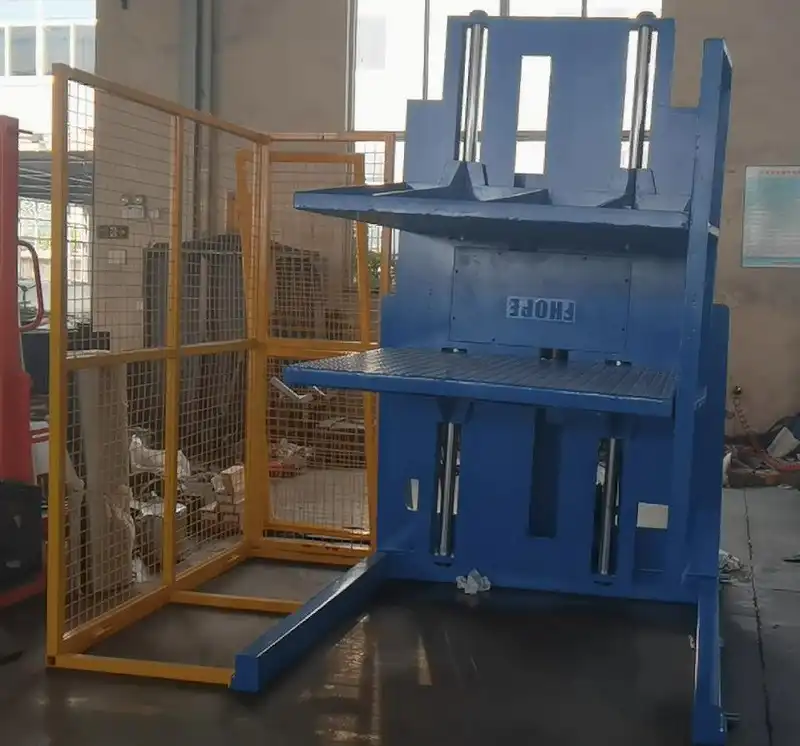

From my years in the packing machine industry, first on the factory floor and then building my own successful operation, I have seen firsthand the ripple effect of neglected equipment. I once worked with a client, a large metal processing plant like many I work with today, who prioritized immediate output over preventive care. Their pallet flipper, responsible for inverting massive steel coils for packaging, broke down suddenly. The parts were specialized, lead times were long, and their entire coil packing line came to a screeching halt. The cost in lost production, rush shipping for parts, and frustrated customers far outweighed what regular maintenance would have cost. It was a painful lesson in the true value of foresight. This experience solidified my belief that investing in proper maintenance is not an expense; it is an investment in your factory’s future. It protects your capital equipment, safeguards your team, and ensures you can meet your delivery schedules consistently.
The Direct Impact of Neglecting Pallet Flipper Maintenance
Neglecting regular maintenance on your pallet flippers creates a cascade of problems that can severely undermine your factory’s efficiency, safety, and financial health. Understanding these direct impacts is key to prioritizing a robust maintenance strategy.
-
Increased Downtime and Production Bottlenecks:
- Unscheduled Stops: Without routine checks, minor issues like worn bearings or low hydraulic fluid can quickly escalate into major failures, causing sudden and unpredictable shutdowns.
- Reduced Throughput: When a pallet flipper fails, the entire material handling flow can become bottlenecked, severely impacting your ability to meet production quotas and delivery deadlines. This means your expensive coil packing lines might sit idle, waiting for the flipper to be fixed.
- Example: A factory processing steel wire spools needs a pallet inverter to transfer finished goods to export pallets. If this machine breaks, manual handling becomes necessary, which is slower and riskier, creating a bottleneck at the very end of the production line.
-
Elevated Safety Risks and Worker Injury:
- Equipment Malfunction Hazards: Worn components, faulty sensors, or hydraulic leaks can lead to erratic machine behavior, posing serious injury risks to operators working nearby. Heavy industrial environments already carry inherent risks; faulty equipment adds another layer of danger.
- Manual Handling Requirements: When automated equipment fails, employees are often forced to manually handle heavy or awkward loads, such as large steel bundles or industrial components, increasing the risk of strains, sprains, and crush injuries.
- Compliance Issues: Neglecting safety-critical maintenance can lead to non-compliance with industry safety standards, resulting in fines, legal liabilities, and reputational damage.
-
Higher Repair Costs and Shortened Equipment Lifespan:
- Component Damage: A small, unaddressed issue can cause cascading damage to other parts. For instance, a worn seal in a hydraulic system can lead to fluid leaks, which then cause the pump to overwork and eventually fail, resulting in a much more expensive repair than simply replacing a seal.
- Premature Replacement: Equipment that is not regularly serviced will wear out faster, necessitating complete replacement much sooner than its expected lifespan. This represents a significant capital expenditure that could have been deferred with proper care.
- Example: For heavy-duty pallet flippers used in steel mills, the mechanical components are under immense stress. Regular lubrication and inspection of these parts can add years to the machine’s life, whereas neglect might cut it in half.
-
Product Damage and Quality Control Issues:
- Rough Handling: A malfunctioning pallet flipper might operate inconsistently, causing jerky movements or drops that can damage sensitive products like precisely machined components or the edges of steel coils, leading to scrap and customer complaints.
- Inconsistent Transfers: Faulty sensors or worn-out clamping mechanisms can result in improper pallet transfers, leading to unstable loads and potential product spillage or deformation during subsequent handling or storage.
- Reputation Damage: Frequent product damage due to equipment failure can erode customer trust and harm your factory’s reputation for quality and reliability.
By understanding these critical impacts, it becomes clear that a robust pallet flipper maintenance schedule is not an option but a strategic imperative for any thriving industrial operation. It is about building resilience and consistency into your core processes.
2. What Are the Key Daily and Weekly Maintenance Checks for Pallet Flippers?
In a busy factory environment, it is easy to think, “If it is working, leave it alone.” But this mindset is a ticking time bomb for your machinery, especially for something as critical as a pallet flipper handling heavy loads day in and day out. The key to long-term performance and avoiding sudden breakdowns lies in simple, consistent checks. These are not time-consuming tasks; they are quick, routine inspections that can save you immense headaches and costs down the line.
Key daily and weekly maintenance checks for pallet flippers include visual inspections for wear and tear, checking hydraulic fluid levels and for leaks, verifying electrical connections and emergency stops, ensuring all moving parts are properly lubricated, and testing the functionality of safety sensors. These routine tasks are essential for detecting early signs of potential failures and maintaining safe, efficient operation. They form the backbone of a reliable preventive maintenance program.
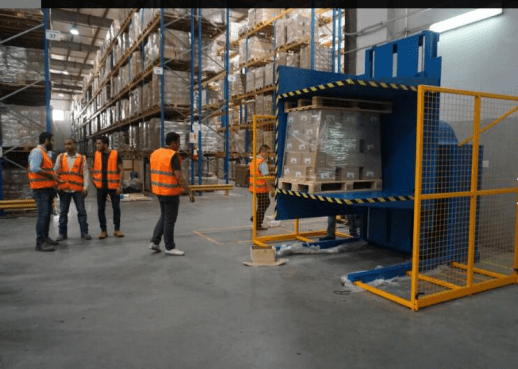

When I was running my packing machine factory, we had a mantra: “An ounce of prevention is worth a pound of cure.” This applied directly to every piece of equipment, from the simplest conveyor to our most complex coil packaging lines. We empowered our operators and maintenance teams with simple checklists. They knew that their daily five-minute check could prevent hours of downtime. For our pallet inverters, this meant a quick look at the hydraulics before the shift started, a listen for unusual noises, and a test of the safety functions. This approach was not just about maintaining machines; it was about fostering a culture of proactive care that directly contributed to our efficiency and bottom line. It made our operations predictable, which is invaluable in manufacturing.
A Practical Checklist for Pallet Flipper Upkeep
Implementing a structured approach to daily and weekly checks is vital for maximizing the operational efficiency and extending the lifespan of your pallet flipper. This proactive strategy allows you to catch minor issues before they become major problems, significantly reducing the likelihood of costly downtime and enhancing safety.
Daily Checks (Before or After Each Shift):
- Visual Inspection of the Structure:
- 👀 Check the main frame and all structural components for any visible signs of damage, cracks, or deformation, especially around welding points and stress areas. Look for any loose bolts or fasteners that might have vibrated loose during operation.
- Purpose: Ensures structural integrity and prevents catastrophic failures under heavy loads.
- Hydraulic System Scan:
- 💧 Inspect all hydraulic hoses, fittings, and cylinders for any signs of leaks. Look for oil puddles around the machine. Ensure hose connections are tight and hoses show no cracks or abrasions.
- Purpose: Prevents fluid loss, maintains system pressure, and avoids environmental contamination.
- Lubrication Points Verification:
- ⚙️ Briefly check exposed lubrication points (e.g., pivot points, hinge pins, chains if present) to ensure they appear adequately lubricated. Note any dry or rusty areas.
- Purpose: Reduces friction and wear on moving parts, extending their life.
- Safety Features Functionality Test:
- 🚨 Test the emergency stop buttons and safety gates/light curtains. Ensure they immediately halt machine operation when activated. Verify that all warning lights and alarms are functional.
- Purpose: Guarantees worker safety and compliance with operational regulations.
- General Cleanliness:
- 🧹 Remove any accumulated dust, debris, or product residue (e.g., metal shavings from coil processing) from moving parts, sensors, and electrical panels.
- Purpose: Prevents interference with machine operation and reduces fire hazards.












