OSHA-Approved Lockout-Tagout Procedures for Repairs
Are you looking for OSHA Approved Lockout-Tagout procedures for Repairs? This article walks you through the key elements of a compliant plan to prevent injuries and fatalities. The unexpected release of hazardous energy during machine repair and maintenance can lead to severe injuries or even fatalities. Control of hazardous energy, through effective lockout/tagout ( LOTO) procedures, is necessary to prevent workers from exposure. This article outlines OSHA-approved lockout/tagout procedures, helping employers and employees understand and implement these safety measures effectively.
Understanding Hazardous Energy
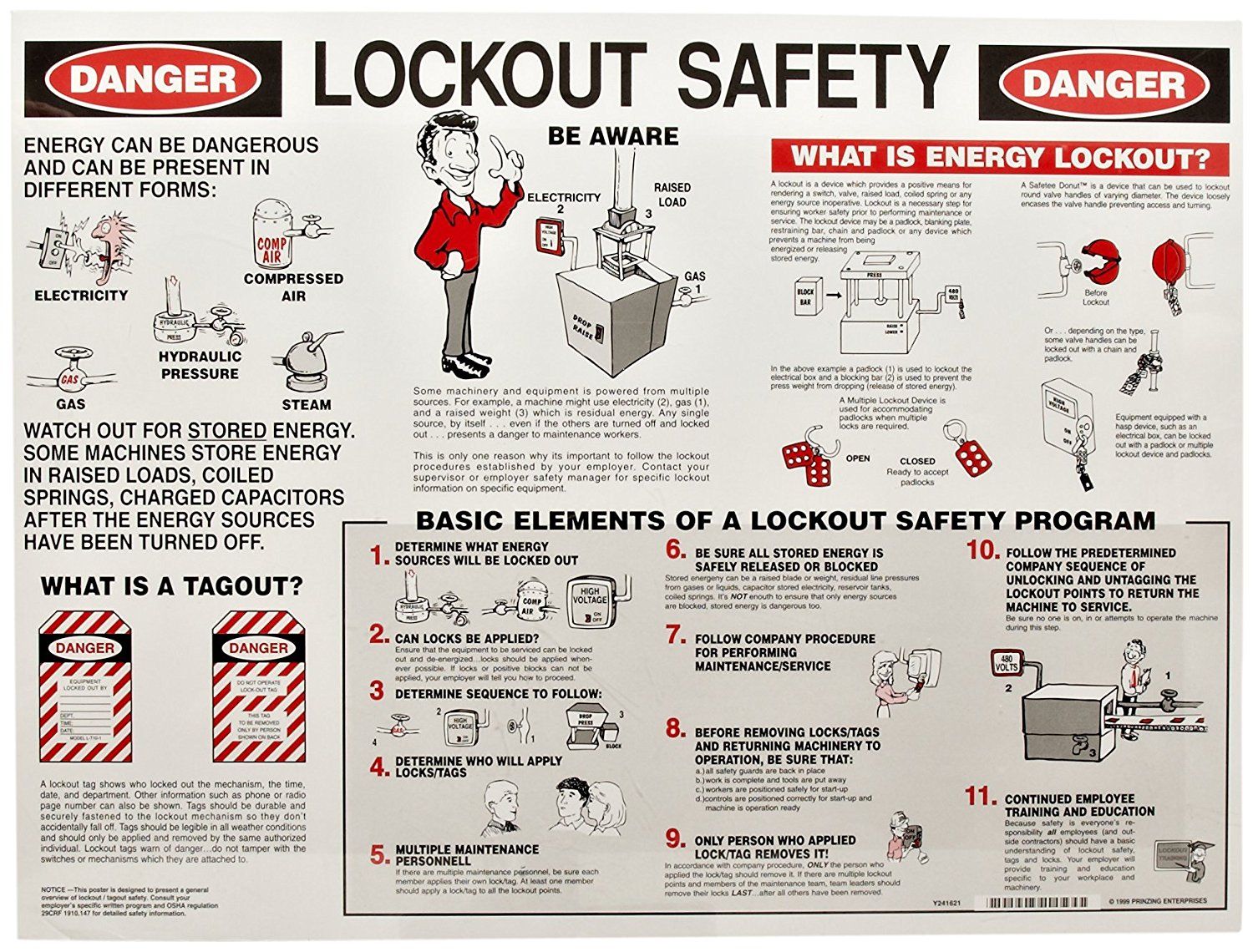
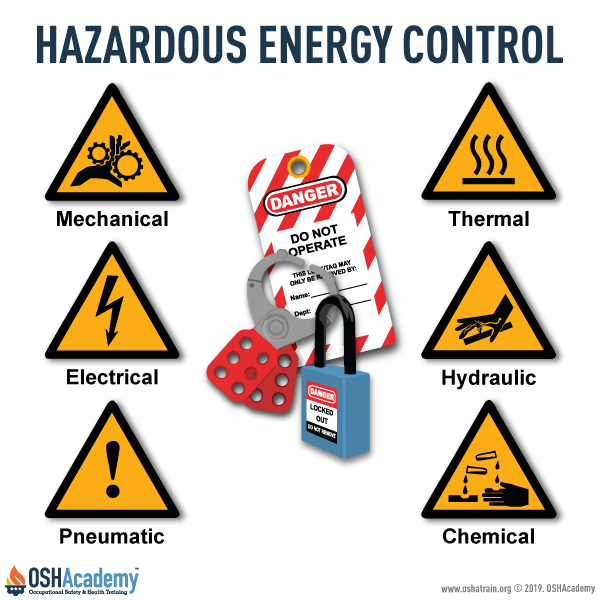
Hazardous energy refers to various energy sources within machines and equipment. These can include:
- Electrical
- Mechanical
- Hydraulic
- Pneumatic
- Chemical
- Thermal
- Gravitational
Failure to properly control these energy sources during servicing or maintenance can result in serious incidents, including electrocution, burns, crushing injuries, cuts, amputations, and fractures.
The Importance of Lockout/Tagout (LOTO)
Lockout/tagout procedures are designed to safeguard workers from the dangers of uncontrolled hazardous energy. These procedures involve disabling machinery or equipment to prevent unexpected startup or release of stored energy. OSHA’s standard for The Control of Hazardous Energy (Lockout/Tagout) (29 CFR 1910.147) outlines the specific actions and procedures for addressing and controlling hazardous energy during servicing and maintenance.
OSHA’s Requirements: A Detailed Breakdown
OSHA’s LOTO standard places the responsibility on employers to protect their workers from hazardous energy. To achieve this, employers must:
- Develop, Implement, and Enforce an Energy Control Program: This written program outlines the procedures and requirements for controlling hazardous energy.
- Utilize Energy Control Procedures: Machines have to de-energized or control stored or residual energy.
- Training and Communication: Train personnel on the purpose and function of the energy control program and the skills required for the safe application, usage and removal of energy control devices
- Regular Inspections: Conduct periodic inspections of the energy control procedures to ensure their effectiveness.
- Provide Necessary Equipment: Ensure that appropriate lockout/tagout devices, such as locks and tags, are readily available.
Key Elements of an Energy Control Procedure
An effective energy control procedure should include:
- Specific Steps for Shutting Down the Equipment: A clear and concise sequence of actions to de-energize the machine safely.
- Energy Isolation Steps: Detailed instructions on isolating the machine from all energy sources.
- Lockout/Tagout Application: Proper placement of lockout devices (locks) or tagout devices (tags) on energy-isolating devices.
- Verification of Isolation: Steps to verify that the machine is completely de-energized before starting work.
- Release of Stored Energy: Address any potentially stored or residual energy before proceeding with work.
Lockout vs. Tagout: Choosing the Right Method
- Lockout: Attaching a lock to an energy-isolating device to prevent it from being turned on. This is the preferred method.
-
Tagout: Attaching a tag to an energy-isolating device to warn against turning it on. Tagout is only used when lockout is not possible. The following table highlights the key differences between lockout and tagout systems: Feature Lockout Tagout

| Physical Barrier | Yes, a lock prevents energy isolation. | No, a tag is a warning device. | | Effectiveness | Higher, provides physical prevention. | Lower, relies on worker awareness. | | OSHA Preference | Preferred method. | Permitted only under specific conditions. |
Step-by-Step Lockout Procedure
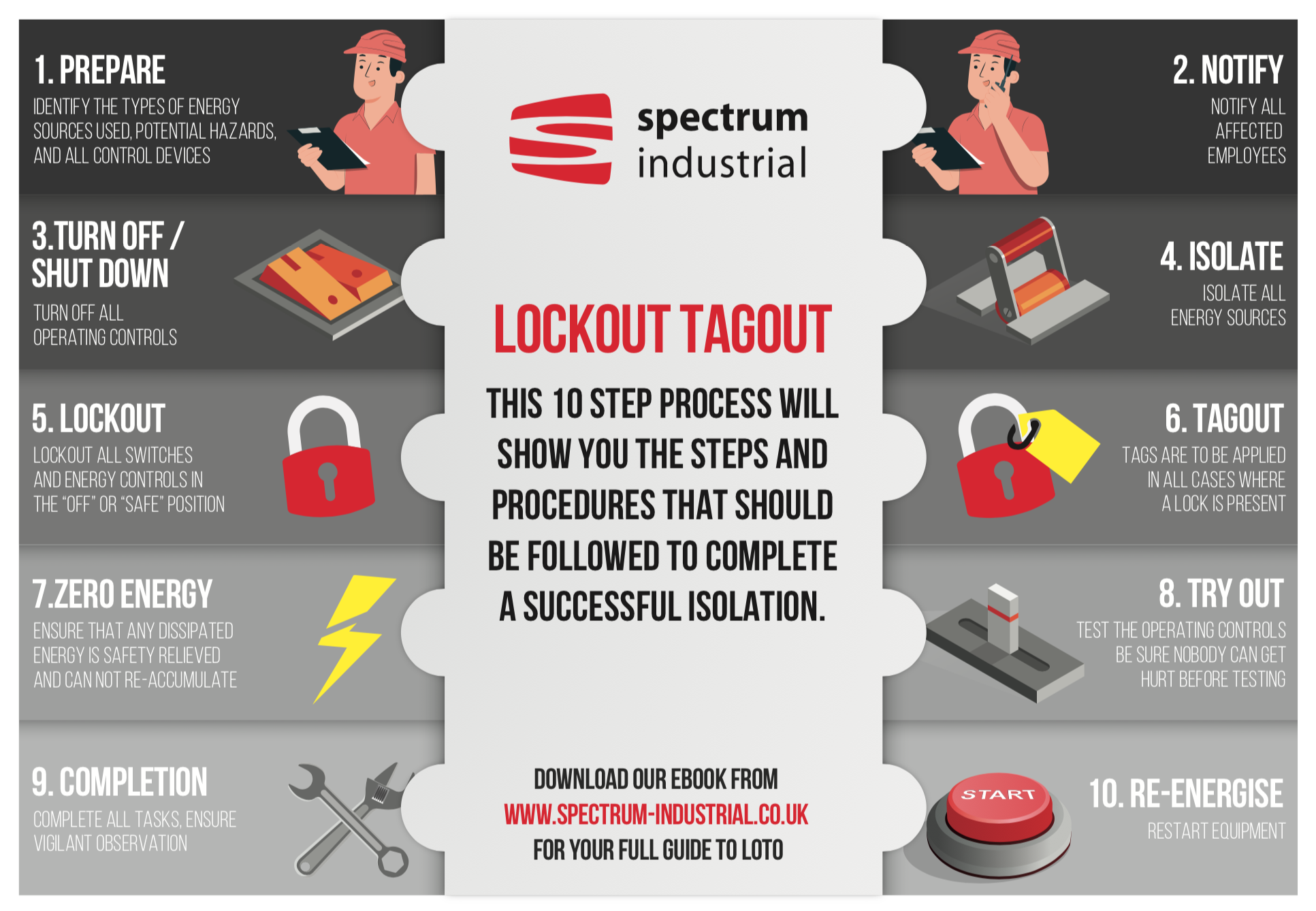
- Preparation: Identify the energy sources and the necessary lockout devices.
- Shutdown: Turn off the equipment using normal procedures.
- Isolation: Isolate the equipment from all energy sources by operating the energy-isolating devices (e.g., circuit breakers, valves).
- Lockout Application: Attach locks to each energy-isolating device.
- Stored Energy Relief: Relieve any stored energy (e.g., capacitors, springs, elevated machine parts).
- Verification: Verify that the equipment is completely de-energized by testing the controls and ensuring no movement.
Group Lockout/Tagout Procedures
When servicing and maintenance are performed by a group of employees, a specialized procedure is required.
- Assigned Responsibility: A single authorized employee must be designated to oversee hazardous energy.
- Overall Responsibilities: The assigned employee implements procedures, communicates the steps to everyone in the group, and ensures all steps are completed.
- Personal Lockout Devices: Each employee applies an individual lock to the group lockout device. This gives each employee control over their safety.
- Continuity: At the end of a shift, if work must continue, proper procedures must be in place when transferring responsibility.
Training Requirements
Training is essential to ensure workers understand and follow LOTO procedures. Training must include:
- Authorized Employees: Training on the recognition of hazardous energy sources, the methods for energy isolation, and the detailed steps of the energy control procedure.
- Affected Employees: Instruction on the purpose and use of the energy control procedure, and the prohibition against attempting to restart locked out equipment.
- All Other Employees: Awareness training on the LOTO procedures and why they are in place.
Periodic Inspections
OSHA requires employers to conduct periodic inspections of their energy control procedures. These inspections should:
- Review the Procedure: Ensure the procedure accurately reflects the current equipment and energy sources.
- Observe Employees: Verify that employees are following the procedures correctly.
- Identify Deficiencies: Detect any gaps or weaknesses in the program.
Avoiding Common LOTO Mistakes
- Inadequate Training: Insufficient training leads to errors and accidents.
- Failure to Identify All Energy Sources: Overlooking energy sources can result in unexpected machine startup.
- Improper Lockout Device Application: Incorrectly applied locks or tags can compromise safety.
- Lack of Verification: Failing to verify energy isolation can lead to dangerous situations.
Electrical Hazard Prevention with LOTO
Electrical hazards are a significant concern during machine repair. LOTO procedures are critical for preventing electrocution and electrical burns. Specific steps include:
- De-energizing Circuits: Turning off and disconnecting electrical circuits.

- Locking Out Circuit Breakers: Applying locks to circuit breakers to prevent accidental re-energization.
- Testing for Voltage: Verifying that the circuit is de-energized using a voltage tester.
- Grounding: Grounding the circuit to dissipate any residual electrical charge.
Benefits of a Strong LOTO Program
- Reduced Injuries and Fatalities: The primary benefit is the prevention of accidents caused by uncontrolled energy.
- Improved Productivity: A safe work environment leads to increased worker confidence and productivity.
- Regulatory Compliance: Compliance with OSHA standards avoids fines and legal issues.
- Enhanced Company Reputation: A strong safety record enhances the company’s reputation.
Resources for Implementing LOTO
OSHA provides resources to assist employers to implement a program.
- OSHA Standard 29 CFR 1910.147: Outlines the specific requirements for the control of hazardous energy.
- OSHA Publications: Fact sheets, guides, and other resources to help understand and implement LOTO procedures.
Adapting Procedures
It is important to remember to customize your LOTO procedures to fit your tools and equipment. Some systems need highly specialized procedures. A successful safety program will take this into consideration.
Continuous Improvement
A company’s approach to safety is an ongoing process. Regularly review and update your lockout/tagout program to ensure it remains effective and compliant with regulations. Conduct retraining sessions to reinforce safe work practices. Regularly assess processes to make improvements. By understanding and implementing OSHA-approved lockout/tagout procedures, employers can create a safer work environment, protect their employees from hazardous energy, and avoid costly accidents. LOTO is not just a regulatory requirement; it is a critical element of a comprehensive safety program.