
Orbital wrapping machine for Poland’s Industry – Which Balances Speed and Cost?
Factories in Poland face many challenges today. You know the pressure of keeping production high, costs low, and workers safe. I have been there. I saw too many manual packing lines slow down entire operations. This problem can hold back growth. It affects your bottom line.
The right orbital wrapping machine can help Poland’s industries achieve both speed and cost efficiency. It automates packaging of long or bulky items like steel coils and wires. This reduces manual labor, speeds up throughput, and protects products better. It brings a clear return on investment by cutting waste and labor costs.
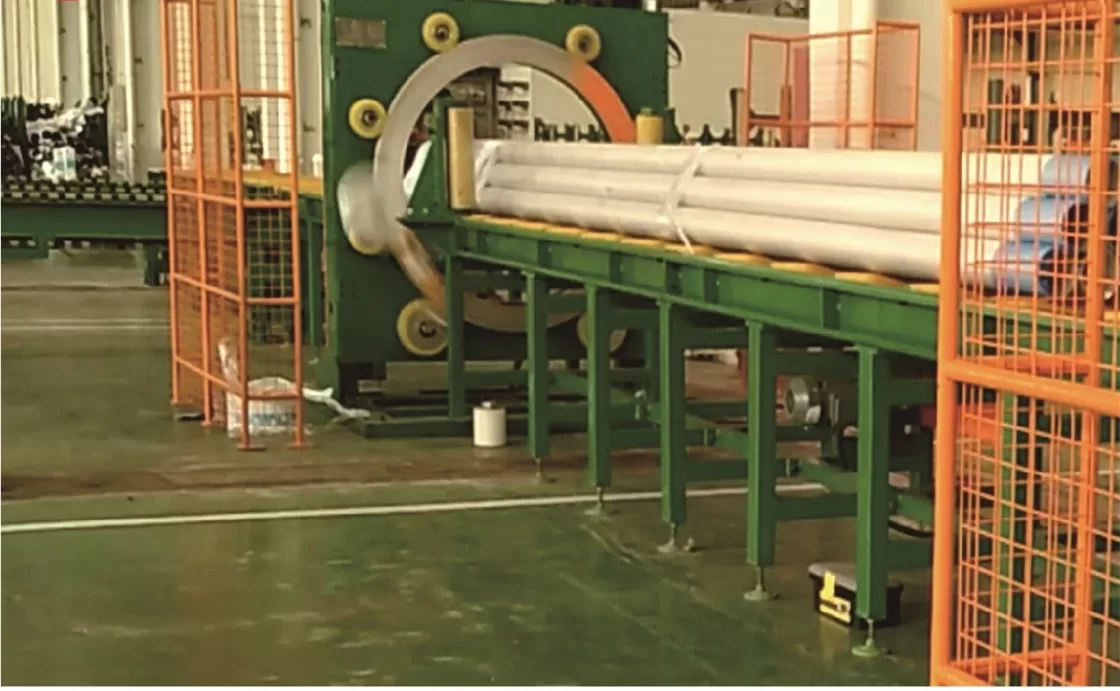
I started as an employee in a packing machine factory. Later, I built my own successful factory. I understand your struggles. This article will break down how orbital wrapping machines can solve your problems. We will look at how they improve speed and reduce costs.
Why Do Poland’s Factories Need Orbital Wrapping Machines?
Many Polish factories, especially in metal processing, still rely on old packing methods. Workers manually handle heavy steel coils or wire bundles. This is slow. It is also dangerous. Have you seen the risks? I have.
Poland’s factories need orbital wrapping machines to replace slow, unsafe manual packing. These machines automate the wrapping of large, heavy, or irregularly shaped products. This significantly boosts efficiency, enhances worker safety by minimizing heavy lifting, and reduces product damage during transit.

My journey in the packing machine industry taught me a lot. I saw many factories struggle with outdated packing lines. They faced the same problems Michael Chen faces. Manual processes created bottlenecks. They increased the risk of injury. Workers had to lift and turn heavy products. This was not only inefficient but also dangerous. I realized early on that automation was the key.
The Real Cost of Manual Packing in Poland
Manual packing is more than just slow. It costs money in many hidden ways.
- Low Efficiency:
- Workers take time to wrap each item.
- This slows down the entire production line.
- It delays product delivery.
- Factories miss output targets.
- High Safety Risks:
- Lifting heavy coils or wires causes injuries.
- These injuries lead to high insurance costs.
- They cause employee turnover.
- A single accident can stop production.
- Safety non-compliance can lead to fines.
- Product Damage:
- Manual handling can scratch or dent products.
- Steel coil edges are very vulnerable.
- Damaged goods lead to customer complaints.
- This results in profit loss.
- It hurts the company’s reputation.








