
Orbital Stretch Wrappers for Wood Products: What Technical Insights Do You Need?
Are you tired of seeing your carefully crafted wooden products get damaged before they reach your customers? Do you worry about the high costs of returns and customer complaints due to poor packaging? This problem happens often. It can hurt your reputation and your profit. I have seen this issue many times in factories.
Orbital stretch wrappers are special machines. They wrap long, bulky products with stretch film. This includes wooden doors, planks, and furniture parts. The machine moves a film roll around the product. It creates a tight, protective layer. This wrap keeps your wooden items safe from dust, moisture, and scratches. It also holds them together for shipping.

Understanding how these machines work can change your packaging process. It can make a big difference in your product quality and bottom line. Let’s look at the important technical points. We will see what makes these wrappers a smart choice for your wood manufacturing business.
How Do Orbital Stretch Wrappers Protect Wooden Products?
Imagine your wooden doors or lumber bundles traveling long distances. They face bumps, dust, and changing weather. Without proper protection, they can get scratched, warped, or dirty. This leads to unhappy clients and lost money. Many factory managers worry about this.
Orbital stretch wrappers protect wooden products in several ways. The machine uses stretch film. It wraps the product from all sides. The film makes a tight seal. This seal protects against dust and moisture. It also stops scratches and scuffs during handling. The film holds the product parts together. This prevents shifting or breaking during transport. It means your wooden items arrive in perfect condition.
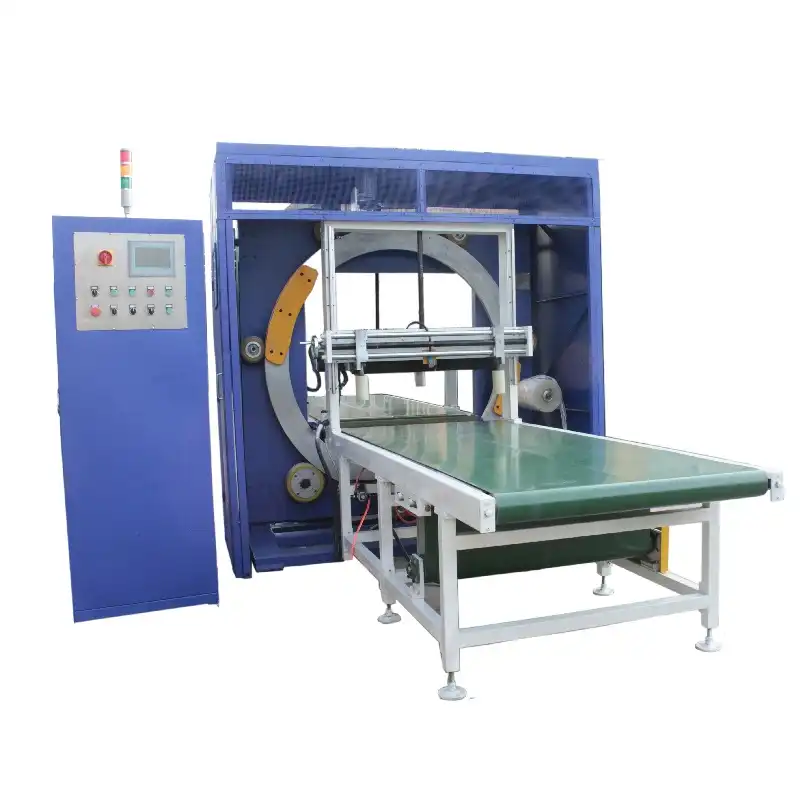
The way an orbital stretch wrapper works is simple but very effective. It has a ring that spins around the product. This ring holds the film roll. As the product moves through the machine, the ring wraps the film around it. This creates a full, continuous layer of protection. Think about a stack of wooden boards. Without proper wrapping, they can slide apart. They can get damaged easily. The orbital wrapper holds them tight. This keeps them stable.
There are different ways these machines protect. First, they provide excellent dust and moisture protection. Wood is a natural material. It can absorb moisture. This can lead to warping or mildew. The stretch film creates a barrier. This barrier keeps moisture out. It also keeps dust from settling on the surface. This is important for finished wooden products like doors or furniture parts. Clean products arrive ready for use.
Second, the film prevents surface damage. Wooden surfaces can scratch easily. Sharp edges or rough handling can leave marks. The film acts like a soft, durable skin. It takes the impact. This protects the wood underneath. For high-value wood products, this is a big benefit. No scratches mean fewer rejections from customers. This saves you money and time.
Third, these machines improve load stability. Large or irregularly shaped wooden items can be hard to secure. A loose bundle of lumber can be dangerous. It can shift during transit. This can cause damage to the product. It can also harm people. The orbital wrapper makes a compact, stable bundle. This stable load is safer to move. It is also safer to stack. This reduces the risk of accidents. In my early days, I saw many factories struggle with unstable loads. They used manual wrapping. Workers got tired. The wrap was not consistent. Orbital wrappers fix this problem. They make every bundle secure. This consistency is key for safety and quality.
Finally, the film adds a layer of tamper evidence. If the film is broken, you know the package has been opened. This gives an extra layer of security. It adds peace of mind. For high-value wooden products, this is a good feature. It helps track product integrity from your factory to the client’s door. The protection offered by orbital wrappers is comprehensive. It addresses many common problems faced in the wood product manufacturing industry.
What Key Technical Specifications Should You Check?
Choosing the right packaging machine can be confusing. There are many options. You need a machine that fits your specific wooden products. Picking the wrong machine can mean wasted money and poor performance. Many factory owners have made this mistake. They bought a machine that was too small or too slow.
When you pick an orbital stretch wrapper for wood products, look at a few key technical specs. Check the maximum product dimensions. This includes length, width, and height. Make sure the machine can handle your largest wooden items. Look at the wrapping speed. This tells you how many bundles it can wrap per hour. See what film types and sizes it uses. Consider the power requirements. These details ensure the machine fits your factory needs and production goals.

Understanding the technical specifications is very important. It ensures you get a machine that works for you. Let’s break down the most important ones.
Ring Diameter and Product Dimensions
The ring diameter is crucial. This is the opening through which your product passes. If you make wide wooden doors, you need a large ring. If you make narrow wooden planks, a smaller ring might work. You must measure your largest product. This measurement includes its height and width. The machine’s ring must be bigger than your product. Also, check the maximum length the machine can handle. Some orbital wrappers are designed for very long items. Others are for shorter bundles.
Wrapping Speed and Production Volume
Wrapping speed is measured in revolutions per minute (RPM) for the ring. Or it can be bundles per hour. How many wooden products do you need to wrap each day? A faster machine costs more. But it can save you money in labor. It can also speed up your entire production line. If you have high output, a high-speed machine is a must. If your volume is low, a slower, less expensive model might be enough. Always match the machine’s speed to your factory’s output.
Film Specifications and Consumption
Orbital wrappers use special stretch film. This film comes in different thicknesses and widths. Some machines can use wider or thicker film. Thicker film gives more protection. It also costs more. Check what kind of film the machine uses. Also, ask about film consumption. A good machine will use film efficiently. It will minimize waste. This can save you money over time. Some machines have a pre-stretch feature. This stretches the film before it is applied. It makes the film stronger. It also helps you use less film. This is a big saving.
Here is a table to help you compare:
| Specification | Why It Matters for Wood Products | Key Question to Ask |
|---|---|---|
| Ring Diameter | Determines the max size of product (width/height) you can wrap. | Can it fit my largest door or furniture panel? |
| Wrapping Speed | Impacts how many bundles you can process per hour. | Does it match my daily production target? |
| Film Pre-stretch | Reduces film usage, lowers material cost. | How much film does it save per wrap? |
| Control System | Ease of use, programming for different product types. | Is it easy for my workers to learn and operate? |
| Power Requirements | Energy cost and compatibility with your factory’s electrical grid. | What is the power consumption? |
In my experience, many people focus only on the price. But the technical details matter more. A cheaper machine that does not fit your needs will cost you more in the long run. It will cause production delays. It will also lead to damaged products. Always look at the specs first. Then consider the price.
How Do These Machines Boost Efficiency and Safety?
Manual wrapping of large wooden products is slow and dangerous. Workers must lift heavy items. They bend and stretch to wrap them. This can cause injuries. It slows down your entire operation. This means higher labor costs and more safety risks. Many factories still struggle with these old ways.
Orbital stretch wrappers greatly improve factory efficiency and safety for wooden product manufacturing. They automate the wrapping process. This removes the need for manual labor in wrapping. Workers do not have to lift or move heavy bundles to wrap them. The machine wraps products quickly and consistently. This speeds up your packaging line. It also reduces worker injuries. This means less downtime and lower insurance costs. The process becomes faster and much safer.
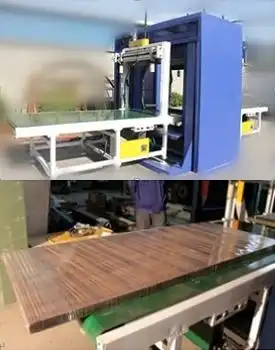
Improving efficiency and safety is a main goal for any factory manager. Orbital stretch wrappers help achieve both.
Boosting Efficiency
First, these machines increase throughput. Manual wrapping is slow. It depends on how fast your workers can move. A machine wraps at a consistent speed. It does not get tired. This means you can process many more bundles of wooden products in a day. For example, if you make wooden doors, a machine can wrap hundreds in an hour. A worker might wrap only a few dozen. This speed boost helps you meet customer demands faster. It also reduces your lead times.
Second, they reduce labor costs. When a machine does the wrapping, you need fewer workers for that task. Those workers can then do other important jobs. Over time, the savings in labor wages can be huge. This helps pay back the cost of the machine quickly. In my career, I saw businesses grow fast when they automated. They could produce more with the same or even fewer people. This makes your business more competitive.
Third, they ensure consistent packaging quality. Human error happens. A worker might wrap one bundle tightly but the next one loosely. A machine wraps every bundle the same way. This means all your wooden products get the same high level of protection. Consistent quality leads to fewer customer complaints. It builds trust with your clients. This consistency is something manual wrapping cannot match.
Enhancing Safety
The safety benefits are equally important. Manual handling of heavy wooden products is risky. Workers can strain their backs. They can drop items on their feet. The twisting and bending involved in hand wrapping also cause injuries. Orbital wrappers eliminate most of this manual handling.
Workers simply feed the product into the machine. Or the machine might be integrated into a conveyor line. This means less direct contact with heavy loads. Less contact means fewer injuries. This reduces your workers’ compensation claims. It also creates a safer work environment. A safe workplace keeps your employees happy. It also reduces employee turnover. People want to work in a place where they feel safe.
Think about bundles of long lumber. Manually wrapping them is hard and risky. An orbital wrapper lets you feed the lumber through. The machine does the dangerous work. This frees up your workers to do tasks that need human thought, not just brute strength. Safety is not just about avoiding accidents. It is also about creating a culture where workers feel valued and protected. Orbital wrappers help build that culture.
My Insights on Choosing the Right Machine?
After years in the packing machine industry, I have seen many factories make good and bad choices. It is easy to buy the wrong machine. This happens when you do not fully understand your own needs or the machine’s true capabilities. A wrong choice can cost you a lot. It can also slow down your business.
Choosing the right orbital stretch wrapper for your wooden products is more than just looking at specs. My key insight is to focus on your factory’s specific workflow. Think about your future growth. Do not just buy for today’s needs. Look for a supplier who understands your problems. A good supplier offers strong after-sales support. They should be a true partner. This includes installation help, training, and parts availability. This long-term view helps you make a smart investment.
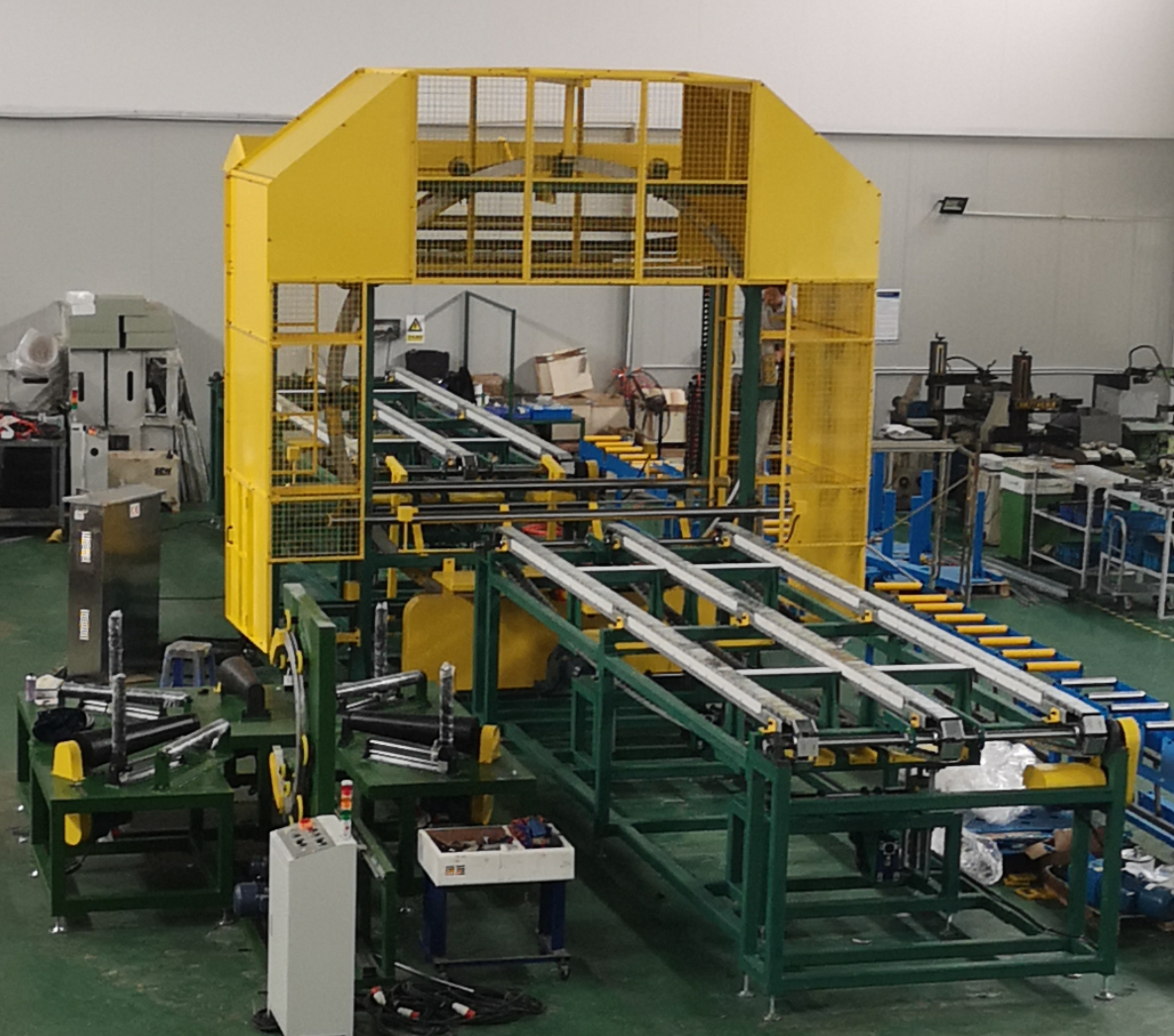
My journey in the packing machine industry taught me a lot. I started as an employee. Then I built my own factory. This experience showed me what really matters to factory owners like you. It is not just about the machine itself. It is about the whole solution.
First, understand your own production process inside out. Before you even talk to a supplier, map out your current packaging line. Where are the bottlenecks? What are your biggest safety risks? How much space do you have? What are the exact dimensions and weights of all your wooden products? Not just the biggest ones. Also consider the smallest. Knowing these details helps you ask the right questions. It helps you find a machine that truly fits. Sometimes, a factory buys a machine that is too big. This wastes space and money. Other times, it is too small. This creates new bottlenecks.
Second, always look for long-term value, not just the lowest price. A cheap machine might break down often. It might need expensive parts. Its performance might be poor. This means more downtime. It means more repair costs. It means lost production. A higher quality machine costs more upfront. But it will save you money in the long run. It will run reliably for many years. It will have less maintenance. This means less stress for you. I have seen clients who bought cheap machines. They ended up spending double trying to fix them.
Third, the supplier matters as much as the machine. You need a partner. This partner should understand your challenges. They should not just sell you a box. They should provide solutions. Ask about their after-sales service. Do they offer installation? Do they train your staff? What about spare parts? How fast can they send a technician if something goes wrong? A good supplier will be there for you. They will help you maximize your investment. They will help you troubleshoot. This support is very important. It can save you from big headaches later.
Finally, think about future growth. Your business will likely grow. Will the machine you buy today still meet your needs in five years? Can it handle more volume? Can it adapt to new product sizes? A machine that is flexible can grow with your business. It protects your investment. When I was building my factory, I always thought ahead. I picked equipment that could scale up. This foresight helped me grow quickly. It will help you too. Picking the right machine is a strategic decision. It supports your factory’s success for years to come.
Conclusion
Orbital stretch wrappers are key for protecting wooden products. They boost efficiency and safety. Focus on technical specs and choose a supportive partner. This ensures a smart investment for your factory’s future.








