
Orbital Stretch Wrappers Explained: Essential Knowledge for Wooden Product Factory Owners?
For many wooden product factory owners, the end of the production line often feels like a bottleneck. You have worked hard to craft beautiful furniture, sturdy lumber, or intricate wooden components. But then, the packaging process slows everything down. Manual wrapping is common. It eats up time. It puts your workers at risk. It also leaves your valuable products open to damage during shipping. This directly impacts your profits and customer satisfaction. It is a problem I have seen too many times.
An orbital stretch wrapper is a machine that wraps products with stretch film while they move horizontally through a rotating ring. This process creates a secure, tightly wrapped package. It protects wooden products like lumber, doors, or furniture components from dust, moisture, and scratches. For wooden product factories, these wrappers significantly improve packaging speed, reduce material waste, and enhance product protection. This helps ensure products arrive at customers safely.

I know what it is like to run a factory. I started as an employee. Then I built my own successful packing machine factory. My journey taught me many things about factory operations, from the shop floor to managing big projects. I learned that the right equipment can change everything. It can make a factory efficient. It can also help a business grow. If you are struggling with your wooden product packaging, keep reading. This article will show you how orbital stretch wrappers can help your factory. It will help you understand the benefits. It will also help you choose the right machine and partner for your needs.
Why Are Manual Wooden Product Wrapping Methods Hurting Your Business?
Many wooden product factories still rely on manual wrapping. This approach seems simple at first. But it hides many problems. Workers manually apply film. They often move heavy and awkward items. This slows down your whole operation. It also creates a high risk of injury. Production bottlenecks happen. This causes delays in shipping. It also frustrates customers. Are these issues holding your factory back?
Manual wrapping methods in wooden product factories create significant efficiency bottlenecks and safety hazards. Workers spend too much time wrapping individual items, slowing down the entire production flow. Manually lifting and turning large, heavy wooden products like doors or lumber bundles can lead to back injuries, strains, and other accidents. This increases insurance costs. It also leads to higher employee turnover. These methods also offer inconsistent product protection. This leaves goods vulnerable to damage.

When I was running my own factory, I saw these problems first-hand. We aimed for efficiency. But manual processes always got in the way. It was not just about speed. It was about worker safety. It was about product quality. And it was about the bottom line. For wooden product manufacturers, these concerns are even more critical. Wood is a natural material. It needs careful handling. It needs good protection.
The Hidden Costs of Manual Wrapping
Manual wrapping looks cheap on the surface. You do not buy a big machine. You just pay for film and labor. But this view misses the real costs. These costs can add up fast. They can seriously hurt your profits.
Slow Production Speeds
Manual wrapping is slow. There is no way around it. Each item needs a worker to walk around it. They pull the film. They cut it. Then they secure it. This takes time. If you produce many items, this time multiplies. Your production line might run fast at the start. But then it hits a wall at the packaging stage. This causes delays. It means you cannot ship as much product as you could. It means lost sales.
High Labor Costs
Workers wrap by hand. This means you need more workers. More workers mean higher payroll. It means more benefits. It also means more training. If you have high turnover due to difficult work, you spend even more on training new people. Over time, these labor costs become a very large expense. They often outweigh the cost of an automated machine.
Inconsistent Wrapping Quality
Human workers are not robots. They get tired. They get distracted. This means the wrapping quality can vary. Some packages might be too loose. Others might have gaps. This leads to poor protection. Products can get dirty. They can get scratched. They can even break. This leads to customer complaints. It leads to returns. This costs you money and reputation.
Increased Risk of Product Damage
Wooden products are sturdy. But they can still get damaged. Edges can chip. Surfaces can scratch. Moisture can cause warping. Manual wrapping might not cover all angles. It might not provide enough tension. When products move through your factory, they can bump into things. During transit, they face even more risks. A damaged product is a lost product. It is also an unhappy customer.
Significant Safety Hazards
This is a big one. Workers handle heavy and awkward wooden items. They lift them. They turn them. They bend over them. This creates a huge risk of injury. Back strains are common. Slips and falls can happen. These injuries cost a lot. They mean workers miss time. They mean higher insurance premiums. They can also lead to lawsuits. A safe workplace is good for everyone. It is good for your workers. It is good for your business. Moving away from manual processes is a key step towards better safety. I have always believed that investing in worker safety is not an expense. It is an investment in your team and your future.
How Can Orbital Stretch Wrappers Boost Safety and Protect Your Wooden Goods?
You have seen the problems with manual wrapping. Now, let us talk about solutions. Orbital stretch wrappers offer a powerful way to fix many of these issues. They are designed for efficiency. They are also designed for protection. They significantly reduce the need for manual handling. This makes your factory a safer place. They also wrap products more securely. This protects your wooden goods from damage. Are you ready to see how automation can transform your factory?
Orbital stretch wrappers drastically improve safety in wooden product factories by automating the wrapping process. This removes the need for workers to manually lift, turn, or wrap heavy or awkwardly shaped wooden items, reducing the risk of injuries like strains and back problems. These machines also provide superior product protection. They create a tight, consistent wrap that shields wood from dust, moisture, and impact damage during storage and transit. This reduces product loss and customer complaints, enhancing overall operational efficiency and product quality.
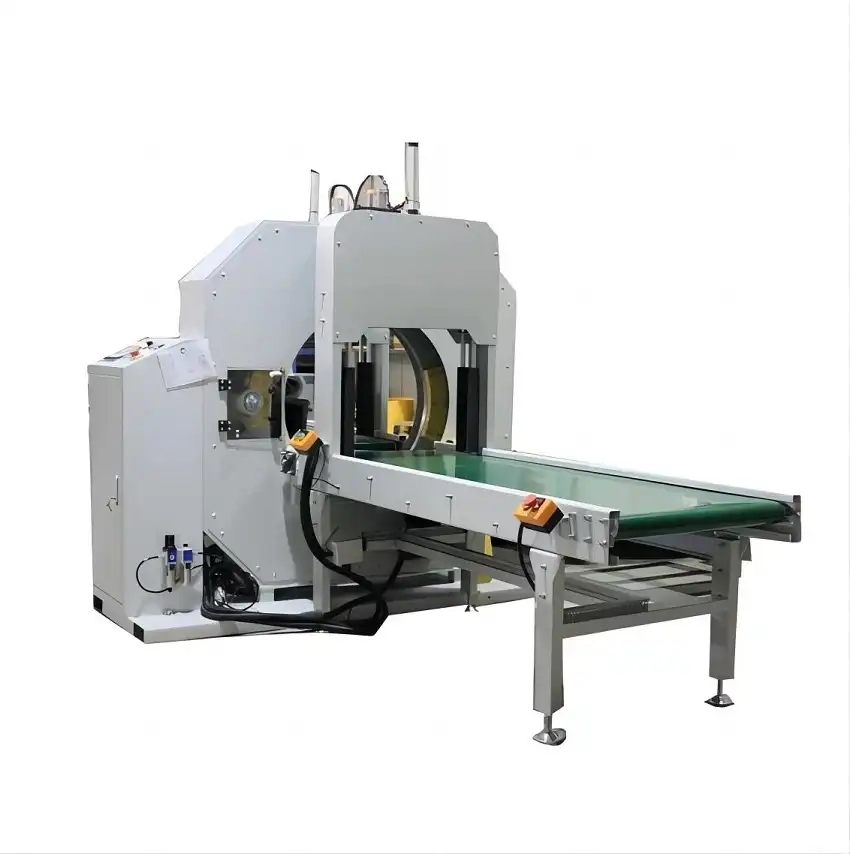
From my experience, automation is not just about speed. It is about smart operations. It is about creating a better environment for your team. When you automate repetitive, dangerous tasks, you free up your workers. They can focus on more skilled jobs. This also shows them you care about their well-being. This is a big part of building a strong, successful factory.
Key Benefits for Wooden Product Factories
Investing in an orbital stretch wrapper brings clear benefits. These benefits directly address the challenges faced by wooden product manufacturers. They help you save money. They help you work better.
Enhanced Worker Safety
This is perhaps the most important benefit. Orbital wrappers do the heavy lifting and turning. They do the repetitive wrapping. Workers no longer need to manually handle large or heavy bundles of wood. They do not need to bend or stretch awkwardly to wrap products. This dramatically lowers the risk of common workplace injuries. Think about fewer back strains. Think about fewer cuts or bumps. A safer workplace means happier employees. It means lower workers’ compensation claims. It means less time lost due to injury. This is good for everyone.
Superior Product Protection
Wooden products are valuable. They need good protection. An orbital wrapper creates a very secure and consistent wrap. The film stretches tightly around the product’s entire surface. This protects it from many threats:
- Dust and Dirt: Keeps products clean, especially important for finished wood.
- Moisture: Helps prevent warping, mold, or water damage, crucial for lumber or furniture.
- Scratches and Abrasions: The film acts as a barrier against surface damage during handling and transport.
- Shifting: Bundled items stay together, preventing movement that could cause impact damage.
This consistent protection reduces product damage during storage and shipping. Fewer damaged products mean fewer customer complaints. It means fewer returns. It means more profit for you.
Significant Cost Savings
When you look at the long term, orbital wrappers save money. These savings come from several areas:
- Reduced Labor Costs: One machine can do the work of several people. You can reallocate staff to other tasks. Or you can reduce your labor force.
- Lower Insurance Premiums: Fewer workplace injuries can lead to lower workers’ compensation rates.
- Less Product Loss: Better protection means less damaged goods. This reduces material waste. It also reduces costs associated with replacing or repairing items.
- Optimized Film Usage: Automated machines apply film more efficiently than humans. They use just enough film. This reduces material waste. Over time, this saves a lot on film costs.
These savings add up. They improve your factory’s overall profitability. This is a clear path to a better return on your investment.
Increased Efficiency and Throughput
Orbital wrappers work much faster than manual methods. They can wrap many products in a short time. This speeds up your packaging line. It removes the bottleneck. Your products move through the factory faster. They get shipped sooner. This means you can meet demand better. It means you can take on more orders. This directly supports your business growth. In my own journey, I saw how removing bottlenecks could unlock massive production capacity. It truly changes what a factory can achieve.
What Types of Orbital Wrappers Fit Your Wooden Product Line Needs?
Not all wooden products are the same. You might handle long pieces of lumber. You might pack large, flat panels. Or you might ship smaller bundles of trim. This means one type of orbital wrapper might not fit all needs. Understanding the different types helps you choose wisely. You need a machine that handles your specific product sizes and shapes. You also need one that fits your production volume. Are you clear on the right fit for your factory?
Orbital stretch wrappers come in various configurations to suit different wooden product sizes, shapes, and production volumes. Common types include horizontal orbital wrappers for long items like lumber or molding, and vertical or specialized models for unique dimensions such as doors or panels. Choosing the right type depends on your product dimensions, required throughput, and available factory space. Each type is designed to optimize wrapping efficiency and protection for specific product characteristics within a wooden product manufacturing environment.
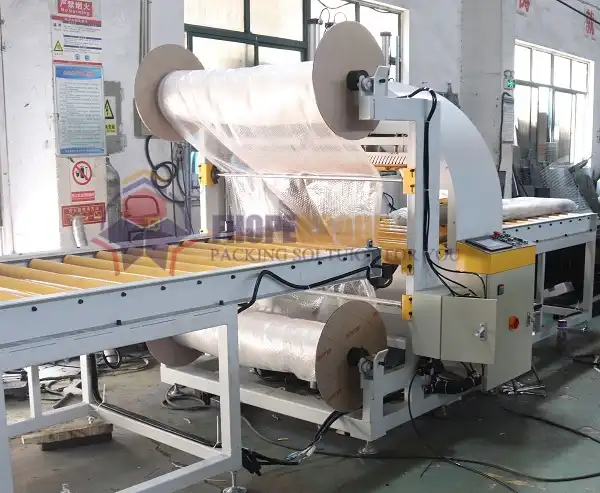
When I helped clients set up their factories, I always stressed customization. There is no one-size-fits-all solution in machinery. What works for a steel coil might not work for a delicate piece of furniture. It is about understanding the unique challenges of your product. It is also about matching those needs with the right technology.
Matching the Wrapper to Your Wooden Product
Choosing the correct orbital wrapper involves looking at a few key factors. These factors are unique to your wooden products and your factory setup.
Horizontal Orbital Wrappers
These are the most common type for wooden products. They are ideal for wrapping long, slender items. Think about:
- Lumber Bundles: Boards, planks, and beams of various lengths.
- Molding and Trim: Long, narrow pieces used for finishing.
- Pipes or Poles (if made of wood): Though less common in wood, they can wrap these too.
The product passes horizontally through a rotating ring. The film wraps around it. This creates a secure, continuous wrap along the length of the product. These machines come in different ring diameters to accommodate various product widths. Some models can be integrated into conveyor systems for fully automated lines. Others are standalone units.
Vertical Orbital Wrappers (Less Common for Wood, but possible)
While horizontal is dominant, some specialized wooden products might benefit from a vertical approach. These are typically for products that are much wider than they are long. For example, large, flat panels that are stood on edge. The product stands vertically while the film ring rotates around it. This is less common in the general wood industry, but it shows the versatility of orbital wrapping.
Ring Size and Product Dimensions
The most critical factor is the wrapper’s ring size. This determines the maximum dimensions of the product it can wrap. You need a machine with a ring large enough for your widest and tallest wooden product. Consider future growth too. Do not buy a machine that is just big enough for today. Think about tomorrow’s products.
Production Volume and Speed
How many items do you need to wrap per hour or day?
- Low Volume: A semi-automatic machine might be enough. Workers load the product. The machine wraps it. Then workers unload it.
- High Volume: A fully automatic system is better. It integrates with conveyors. It handles loading and unloading. This offers continuous wrapping.
Speed matters for efficiency. Faster machines cost more. But they can pay for themselves quickly if you have high output.
Integration with Existing Lines
Can the new wrapper fit into your current production flow? Many orbital wrappers can connect to existing conveyor systems. This creates a seamless packaging line. This reduces manual handling even more. It also saves space. If you have limited space, look for compact designs. Some machines offer custom entry and exit points. This helps them fit into tight areas.
Special Features and Options
Modern orbital wrappers offer various features that can be useful:
- Top Pressers: For unstable or very light bundles of wood. They hold the product down during wrapping.
- Automatic Film Cut and Clamp: Saves labor and speeds up the process.
- Varying Tension Control: Important for delicate wood or very heavy bundles. It allows you to adjust how tight the film is.
- Customizable Wrap Programs: You can set different wrapping patterns for different products. This ensures optimal protection for each type of wood.
Choosing the right machine is a partnership. It is about your needs. It is about the supplier’s expertise. It is about finding a solution that truly solves your problems and helps your business grow.
How Do You Pick the Right Orbital Wrapper Partner for Wooden Factories?
Buying a new machine, especially a complex one like an orbital stretch wrapper, is a big decision. It is not just about the equipment itself. It is about the company you buy it from. I have seen many factories make bad choices. They pick a supplier based only on price. Then they get poor service. They get machines that break down. This costs them a lot in the long run. For wooden product factory owners, reliability and support are critical. How do you find a partner you can trust?
Choosing the right orbital wrapper partner for your wooden product factory means looking beyond just the machine’s price. A reliable partner offers deep industry knowledge, understanding the unique challenges of wood packaging, and provides robust after-sales support. This includes prompt maintenance, readily available spare parts, and expert technical assistance. They should also demonstrate a clear understanding of your specific production needs and be willing to provide solutions that offer a strong return on investment, building a relationship based on trust and long-term value.

My own journey taught me the value of true partnerships. When I started my factory, I needed reliable suppliers. Later, as a supplier myself, I made it my mission to be that reliable partner for others. It is not just about selling a machine. It is about helping a business succeed. This means understanding their pain points. It means providing solutions that actually work. It means being there when they need you.
What to Look for in a Supplier
Finding a good partner is like building a relationship. You need trust. You need shared goals. Here are the key things to consider:
Industry Experience and Understanding
Does the supplier truly understand your industry? For a wooden product factory, this means:
- Knowledge of Wood Characteristics: Do they know that wood can warp? Do they know it needs protection from moisture? Do they understand different finishes?
- Experience with Similar Products: Have they supplied wrappers for lumber, doors, furniture, or other wooden items before? Ask for case studies or references.
- Problem-Solving Approach: Do they listen to your specific challenges (e.g., oddly shaped products, high throughput needs)? Do they offer tailored solutions instead of a generic sales pitch?
A supplier who understands your business can offer much better advice. They can help you avoid costly mistakes. This is where my own experience comes in. Having run a factory myself, I know the real problems you face on the floor.
Quality and Reliability of Equipment
This is non-negotiable. The machine must be built to last. It must handle the demands of a busy factory.
- Build Quality: Look for robust construction. Check the materials used. Ask about the components (motors, sensors).
- Durability: Factories are tough environments. The machine needs to withstand continuous operation.
- Reputation: What do other customers say about their machines? Look for reviews. Ask for references.
- Testing and Certification: Does the equipment meet international safety and quality standards?
A cheap machine that breaks down often is not cheap at all. Downtime costs you far more than the initial savings.
After-Sales Support and Service
This is huge. A machine will need maintenance. It might need parts. It might need troubleshooting.
- Technical Support: Do they offer phone support? Online support? Is it available when you need it?
- Spare Parts Availability: Can you get spare parts quickly? Long waits for parts mean long downtime.
- Maintenance Services: Do they offer routine maintenance plans? Do they have technicians who can come to your factory?
- Training: Do they provide proper training for your staff on how to operate and maintain the machine?
Poor after-sales service is a common complaint. It can turn a good machine into a nightmare. My philosophy is that the sale is just the beginning. The real work is in supporting the customer for the life of the machine.
Return on Investment (ROI) Transparency
A good supplier will help you see the financial benefits of your investment.
- Cost Analysis: Can they help you calculate how much you will save on labor, film, and damage?
- Projected Payback Period: How long will it take for the machine to pay for itself through savings?
- Long-Term Value: Do they focus on the long-term benefits rather than just the upfront price?
You are making an investment. You need to know it will pay off. A reputable supplier will be honest and clear about this.
Customization Capabilities
Your wooden products might have unique sizes or shapes. Or you might have special packaging requirements.
- Flexibility: Can they modify or customize a machine to fit your specific needs?
- Problem-Solving: Are they willing to work with you on unique challenges?
A truly professional supplier acts as a consultant. They do not just sell products. They provide solutions. This is the kind of partner you need to ensure your investment truly boosts your business.
My Insights on Choosing the Best Wrapping Machine for Wood Products?
I have spent many years in the packing machine industry. I started on the factory floor. I learned about every machine. Then I built my own factory. I saw firsthand what works and what does not. This journey taught me about real-world factory problems. It also taught me how to find the best solutions. For wooden product factory owners, choosing a wrapping machine is a critical decision. Here are my personal insights.
My key insight for wooden product factory owners is to prioritize a partner’s deep understanding of your operational challenges over just the machine’s price. Look for suppliers who have hands-on factory experience, like I do, because they truly grasp your efficiency, safety, and product protection needs. The best investment is in a machine that is reliable, offers excellent after-sales support, and provides clear, measurable ROI tailored to the unique demands of wooden products. This partnership approach ensures long-term success and growth, far beyond the initial purchase.
My career began as an employee in a packing machine factory. I walked the floors. I saw the struggles. I saw the inefficiencies. I understood the pressure to meet targets. Later, when I established my own factory, I faced these challenges myself. I had to make tough decisions about equipment, labor, and safety. I learned that true success comes from solving real problems. It is not about fancy features. It is about reliability. It is about efficiency. It is about keeping your team safe. This experience shaped my approach. It made me dedicated to sharing knowledge. I want to help others succeed, just as I did.
Look Beyond the Brochure: My Personal Takeaways
When you are looking for an orbital wrapper for your wooden products, think about these points. They come from years of practical experience.
It’s About Solving Your Pain Points, Not Just Buying a Machine
Do not just buy a machine because it looks good in a catalog. Think about your biggest problems. Is it slow packaging? Is it worker injuries? Is it product damage? A good supplier will ask about these. They will show you how their machine directly solves these issues. For example, if your wood products often get scratched, they should explain how their wrapper’s tension control or film type prevents this. If your workers are getting hurt, they should highlight the safety features. This focus on solutions is what matters.
The Real Value is in Reliability and Support
I cannot stress this enough. A machine that costs less upfront but breaks down often is a terrible deal. Downtime is expensive. It stops your production. It delays your shipments. It costs you money and reputation. Look for robust machines. They should be built to run continuously. Even more important is the supplier’s support. Can you get parts quickly? Can you get technical help when you need it? My own financial independence came from building a factory that delivered. That required reliable machines and reliable partners. I truly believe that the best investment is in a relationship that offers ongoing support, not just a one-time sale.
Seek Out Practical, Experienced Guidance
Many salespeople know their products. But how many have actually run a factory? How many have faced the exact challenges you face every day? When you talk to a supplier, ask about their practical experience. Do they have engineers who have worked in factories? Do they truly understand the flow of a production line? I built my business on understanding the real needs of factories. This allows me to provide practical insights. It allows me to help clients grow their businesses. Look for that kind of deep, practical knowledge. It will make a huge difference in your decision.
Prioritize ROI Clarity
Every investment must make sense financially. Do not let a supplier just give you a vague promise of “efficiency.” Ask for concrete numbers. How much will you save on labor each month? How much will you save on film? How much will you save by reducing product damage? A good supplier can help you build an ROI calculation. They should show you how the machine will pay for itself. They should show you how it will add to your profits. This clarity is a sign of a trustworthy partner. It shows they are confident in their product’s ability to deliver real value.
In the end, choosing an orbital wrapper for your wooden product factory is about making a smart, long-term investment. It is about improving your operations. It is about protecting your products. It is about keeping your people safe. It is about growing your business. By focusing on the right partner and the right machine, you can achieve all these goals.
Conclusion
Orbital stretch wrappers are key for wooden product factories. They boost safety, protect goods, and cut costs. Choose a reliable partner who understands your needs for lasting success.








