
Orbital Stretch Wrapper vs Pallet Wrapper: What Suits Uruguay Industry?
Managing a busy factory floor in Uruguay means facing constant pressure. You want to boost output, keep costs low, and make sure everyone stays safe. Manual packing methods can slow things down, cause injuries, and even damage your products. This means lost time and money, making it harder to meet your goals.
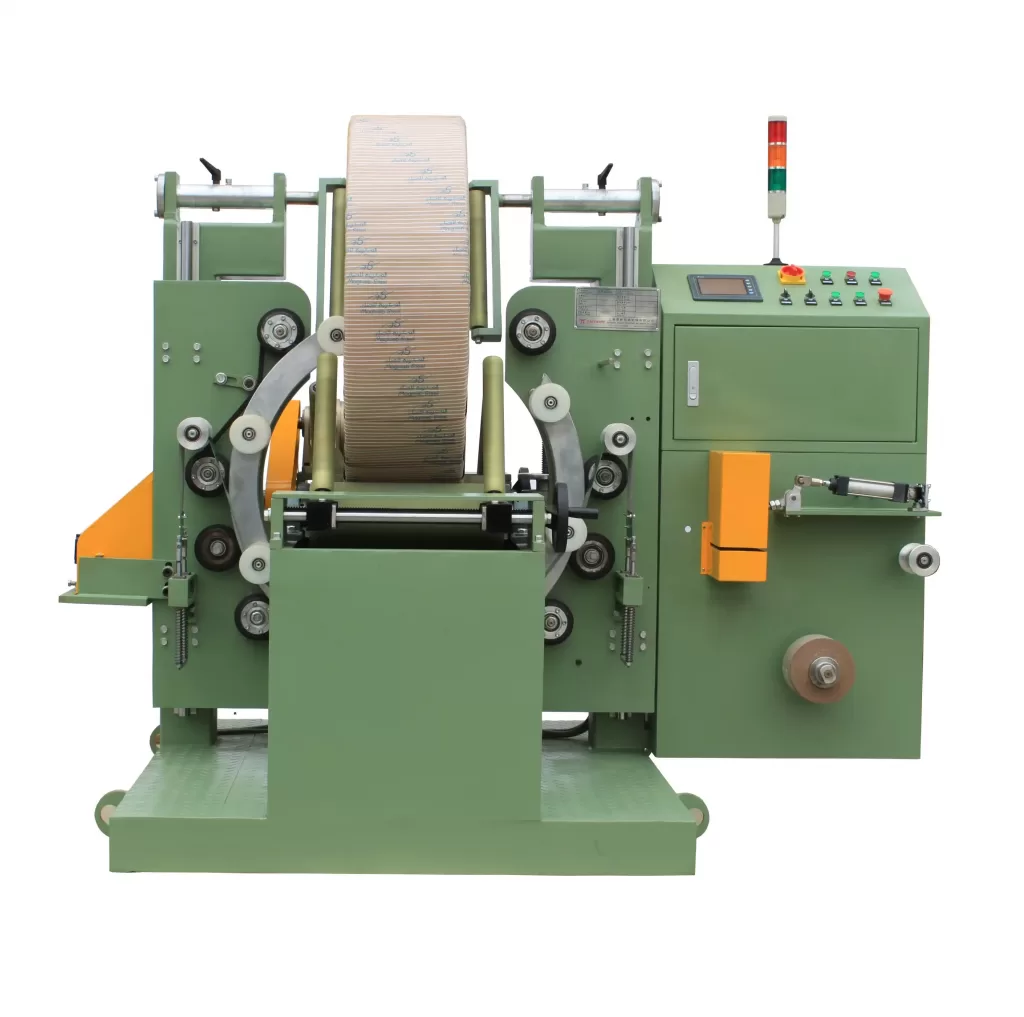
Choosing the right packing machine can truly change your factory’s future. Orbital stretch wrappers excel at securing long or odd-shaped products like coils or pipes, wrapping them uniformly from all sides. Pallet wrappers are best for standard, stable palletized loads, securing items to a pallet for shipping. For Uruguay’s diverse industries, especially those dealing with metal coils or heavy, irregular goods, the orbital wrapper offers specialized protection, while the pallet wrapper suits general logistics needs.
I know these challenges well. I have walked through countless factories, starting my own from scratch. I have seen the difference the right equipment makes. This article will help you decide which wrapper best fits your factory in Uruguay. We will look at what each machine does and where it shines. This way, you can pick the best solution for your business.
1. What Packing Challenges are Common in Uruguay’s Industries?
Are you tired of slow production lines and damaged goods? Many factory managers in Uruguay deal with similar problems every day. These issues often come from outdated or manual packing methods. They hurt your bottom line and create risks for your workers.
Factories in Uruguay, especially in sectors like metal processing, agriculture, and general manufacturing, often struggle with slow manual packing, high labor costs, product damage during transit, and significant safety risks from handling heavy or bulky items. These challenges directly affect efficiency, profitability, and worker well-being across the industry.

When I first started in the packing machine industry, I saw these issues everywhere. My own journey from an employee to owning a successful factory taught me the real cost of inefficiency and unsafe practices. I learned that small problems in packing can create big headaches for the entire production line. For businesses in Uruguay today, these problems are no different. They threaten a factory’s ability to grow and compete.
The Real Impact of Packing Problems
- Efficiency Bottlenecks: Current packing methods often rely too much on people. This makes the process slow. It causes delays in the whole production line. Goods cannot move out fast enough, impacting delivery times. This can lead to unhappy customers.
- Safety Hazards: Moving heavy steel coils or bundles by hand is dangerous. Workers can get hurt easily. This leads to high insurance costs. It also means workers might leave. A safe workplace is a productive workplace.
- Product Damage: Goods can get damaged while moving them or packing them. Think of a steel coil’s edge getting bent. This causes customer complaints. It also reduces profit. Every damaged item is money lost.
- High Labor Costs: Manual packing needs many workers. These costs add up over time. It is a drain on resources that could be used elsewhere. Investing in automation can cut these costs a lot.
My Experience with Overcoming These Challenges
When I set up my own factory, I knew I had to address these issues head-on. I focused on automation right away. I saw how a small investment in the right machine could save huge amounts of money. It also made my workers safer. For example, by bringing in a specialized coil wrapper, we cut down on manual lifting by 80%. This reduced injuries to almost zero. It also sped up our packing time by three times. This change meant we could take on more orders. We also delivered faster. This experience showed me that knowing your challenges is just the first step. Finding the right solution is what truly helps your business grow.
2. How Does an Orbital Stretch Wrapper Work, and When is it Best?
Do you ship long, bulky items that are hard to protect? Traditional packing methods often fail to secure these products properly. This leaves them open to damage during shipping. An orbital stretch wrapper is a key solution for these specific challenges.
An orbital stretch wrapper wraps film around products as they pass through a horizontal ring, creating a tight, protective layer on all sides. This machine is ideal for long, flat, or oddly shaped items like steel coils, pipes, lumber, and windows, ensuring they are securely bundled and protected from dust, moisture, and damage during transport and storage.
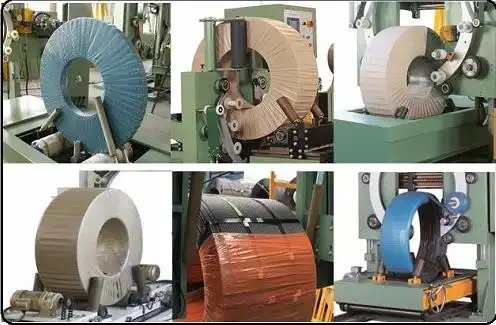
I have personally seen orbital wrappers transform how factories handle their most challenging products. I remember one client who used to struggle with their long steel pipes. They tried everything, from hand-wrapping to strapping, but damage was always an issue. When they installed an orbital wrapper, their damage rates dropped almost to zero. This machine is designed for situations where a standard pallet wrapper simply cannot do the job.
Understanding the Orbital Wrapping Process
- Horizontal Wrapping: Unlike a pallet wrapper that spins a pallet vertically, an orbital wrapper has a horizontal ring. The product passes through this ring. The film roll spins around the product. This creates a complete wrap around its entire length.
- Full Encasement: This method ensures that all surfaces, including the sides and edges, are covered. This is vital for items that are prone to damage along their length. Think of the edges of a metal coil.
- Load Stability: The tight wrap bundles items together. This makes the load more stable. It prevents shifting during transit. This reduces the risk of damage.
Ideal Applications in Uruguay
Uruguay’s industries often deal with heavy and unique products. An orbital wrapper is perfect for them.
| Product Type | Why Orbital Wrapper is Best | Industry Example in Uruguay |
|---|---|---|
| Steel Coils | Protects outer edges from impact and moisture, ensures stability. | Metal Processing Plants |
| Pipes & Tubes | Secures long bundles, prevents scratching and bending during transit. | Construction, Manufacturing |
| Lumber/Wood | Keeps planks together, shields from weather and dust. | Timber, Construction |
| Window Frames | Wraps entire length for protection against scratches and dirt. | Building Materials |
| Rubber Hoses | Bundles large coils of hoses tightly for transport. | Industrial Supply |
This machine is not just about wrapping. It is about total product protection. For a factory manager like Michael, who wants to cut down on product loss and increase safety, an orbital wrapper is a smart choice. It means fewer customer complaints and more profit.
3. What is a Pallet Wrapper, and For What Goods is it Suitable?
Do you ship many goods on standard pallets? Are you looking for a fast, reliable way to secure these loads? A pallet wrapper might be exactly what your operation needs. It is a common machine in many logistics and manufacturing settings.
A pallet wrapper secures products to a pallet by rotating either the pallet or a film carriage around a stationary pallet, applying stretch film from bottom to top. It is best for standard, stable loads that fit on a pallet, common in general warehousing, distribution, and manufacturing for securing boxes, crates, and various finished goods.
Before I started FHOPEPACK, I saw countless factories use pallet wrappers for their daily shipments. This machine is a workhorse for many. It ensures that products stacked on a pallet stay put. I remember one client in the food industry. They needed to ship hundreds of pallets each day. Their manual wrapping process was slow and caused many loads to shift. After they installed a pallet wrapper, their packing time dropped significantly. This machine is simple, effective, and crucial for many businesses.
How a Pallet Wrapper Operates
- Vertical Wrapping: A pallet wrapper secures items vertically to a pallet. There are two main types:
- Turntable Pallet Wrapper: The pallet sits on a turntable. The turntable spins, and the film carriage moves up and down. This wraps the film around the load.
- Rotary Arm Pallet Wrapper: The pallet stays still. A rotating arm moves around the pallet, applying the film. This is good for unstable or very heavy loads.
- Load Containment: The main goal is to hold the items securely to the pallet. This prevents them from moving or falling during transport.
- Dust and Moisture Protection: The film also offers a basic level of protection against dust and moisture.








