

Orbital Stretch Wrapper Showdown: Speed, Film Usage, and Durability Compared?
Are you tired of slow packing lines? Does manual handling of heavy coils give you nightmares about workplace injuries? Do you watch your profits shrink because of product damage or wasted materials? Many factory managers, especially in heavy industries like steel processing, face these exact problems every single day. The pressure to increase output and cut costs is real. I know this feeling. I have been there myself, from the factory floor to running my own successful packing machine factory.
Orbital stretch wrappers can revolutionize your packing process. They significantly boost speed, reduce stretch film consumption, and offer the durability needed for harsh industrial settings. These machines automate what was once a slow, risky, and costly manual task, helping factories like yours achieve higher efficiency, better safety, and improved profitability. 
So, you know these machines can help. But how do you choose the right one? What should you truly look for beyond the basic features? Let us break down the key aspects of orbital stretch wrappers. We will look at speed, how much film they use, and how tough they are. This will help you make a smart choice for your factory.
Is High-Speed Wrapping a Myth or a Reality for Your Production Line?
Your production line runs fast. You invest in cutting-edge machinery for fabrication. But then, everything slows down at the very end. The packing process becomes a bottleneck. This limits your overall output. It also delays shipments to customers. It is a common problem I have seen in many factories. It holds businesses back.
High-speed orbital stretch wrappers are a reality. They can significantly increase your packing output. They reduce the need for manual labor. This frees up your workers for other tasks. Modern machines can wrap hundreds of coils or bundles per hour. This turns a slow bottleneck into a fast, efficient operation.


Achieving high-speed wrapping is not just about the machine’s stated speed. It is about how the machine integrates into your existing line. It is also about its actual throughput in real-world conditions. Many factors affect the true speed of an orbital wrapper. You need to consider these.
Understanding True Throughput
- Rpm vs. Wrapped Pieces: A machine might boast high RPM (revolutions per minute) of its ring. But the actual number of items wrapped per hour is what truly matters. This depends on the item’s size, the desired number of film layers, and the machine’s automation level. For example, wrapping a large steel coil with many layers takes longer than a smaller bundle with fewer layers.
- Automation Level: Fully automatic orbital wrappers are faster than semi-automatic ones. Automatic machines handle feeding, wrapping, cutting, and discharging. This reduces human intervention. This also reduces cycle time. Manual loading or cutting adds time to each cycle. This slows down the entire process.
- Integration with Conveyor Systems: A high-speed wrapper needs a good conveyor system. The conveyors must match the wrapper’s speed. If the conveyor cannot feed items fast enough, the wrapper will sit idle. This wastes its potential. The conveyor should also handle different product sizes smoothly.
- Machine Design: The design of the wrapper impacts its speed. Features like automatic film roll changes save time. Advanced control systems ensure smooth operation. These systems can prevent stoppages. This keeps the line moving. FHOPEPACK machines are designed with these features in mind. They aim for maximum efficiency.
Impact on Your Operations
High-speed wrapping means you can process more products in less time. This directly impacts your delivery schedules. It also improves customer satisfaction. It reduces overtime costs for your packing team. Think about the steel coil industry. Manual wrapping of heavy coils is slow. It takes many people. An automated high-speed wrapper can do the job much faster. It uses fewer workers. This directly boosts your factory’s production capacity. It also helps meet growing demand without expanding your workforce. I once helped a client in Mexico. They faced huge backlogs. Their manual packing could not keep up. We introduced a high-speed orbital wrapper. Their output went up by 40%. This solved their bottleneck problem. They could then take on more orders. This led to significant business growth for them.
Can You Really Cut Costs by Optimizing Stretch Film Usage?
Raw material costs are always a concern for factory managers. Stretch film might seem like a small part of your budget. But over a year, wasted film adds up. It becomes a significant expense. It eats into your profits. You want to protect your products. But you do not want to overspend on packaging materials. This balance is tricky.
Yes, you can significantly cut costs by optimizing stretch film usage with an orbital wrapper. Modern orbital wrappers feature advanced pre-stretch capabilities. This stretches the film before it is applied. This means you use less film for the same level of protection. It also reduces material waste. This leads to substantial savings over time.


Optimizing film usage is not just about saving money. It is also about being more environmentally friendly. It is about getting the best protection for your products. This means understanding how a wrapper uses film. It also means choosing a machine that is smart about film consumption.
How Film Optimization Works
- Pre-Stretch Systems: This is the most important feature. A good pre-stretch system can stretch one meter of film into three or four meters. This is a 300% or 400% pre-stretch. This greatly reduces the amount of film you need. It gives you the same strong wrap. Lower-quality machines have poor pre-stretch. They waste film. They cost you more money in the long run.
- Tension Control: The machine must apply the film with consistent tension. Too little tension, and the wrap is loose. This can lead to product damage. Too much tension, and the film might break. This stops the line. It also wastes film. Precise tension control ensures proper wrapping with minimal film. It makes sure no film is wasted.
- Layer Control: You should be able to set the exact number of film layers. This ensures optimal protection. It also prevents over-wrapping. Some products need fewer layers than others. A smart machine allows you to customize this. This avoids using more film than necessary. For example, a heavy steel coil needs more layers than a light plastic pipe.
- Film Type Compatibility: High-quality wrappers can work with different types of stretch film. This includes thinner, stronger films. Using these specialized films can reduce costs. It also maintains protection. Always check what films the machine can handle.
Real-World Savings
Imagine your factory wraps hundreds of steel coils daily. Each coil needs protective film. If you reduce film usage by even 20% per coil, the savings are huge. This adds up quickly over a month or a year. This goes straight to your bottom line. It helps lower your overall operating costs. It directly improves your factory’s profitability. I saw this in action with a client. They were using a lot of film. Their old machine had poor pre-stretch. We helped them switch to an FHOPEPACK orbital wrapper. It had a high pre-stretch ratio. They reduced their film consumption by 30%. This saved them tens of thousands of dollars each year. This was a clear return on their investment. It was a tangible benefit that helped their business grow. It allowed them to invest more in other areas.
How Do You Ensure Your Wrapper Lasts in a Harsh Industrial Environment?
Your factory floor is not a clean room. It is a place of heavy work. Dust, vibrations, and constant operation are normal. Equipment needs to handle this. It must perform day in and day out. Downtime is not an option. Every minute your packing machine is down, you lose money. You need equipment that is built to last.
Ensuring your orbital wrapper lasts in harsh industrial environments means looking for robust construction. This includes heavy-duty frames, high-quality components, and a design that withstands continuous operation. Machines built for industrial use minimize breakdowns. They reduce maintenance costs. They provide reliable performance for years, even under tough conditions.
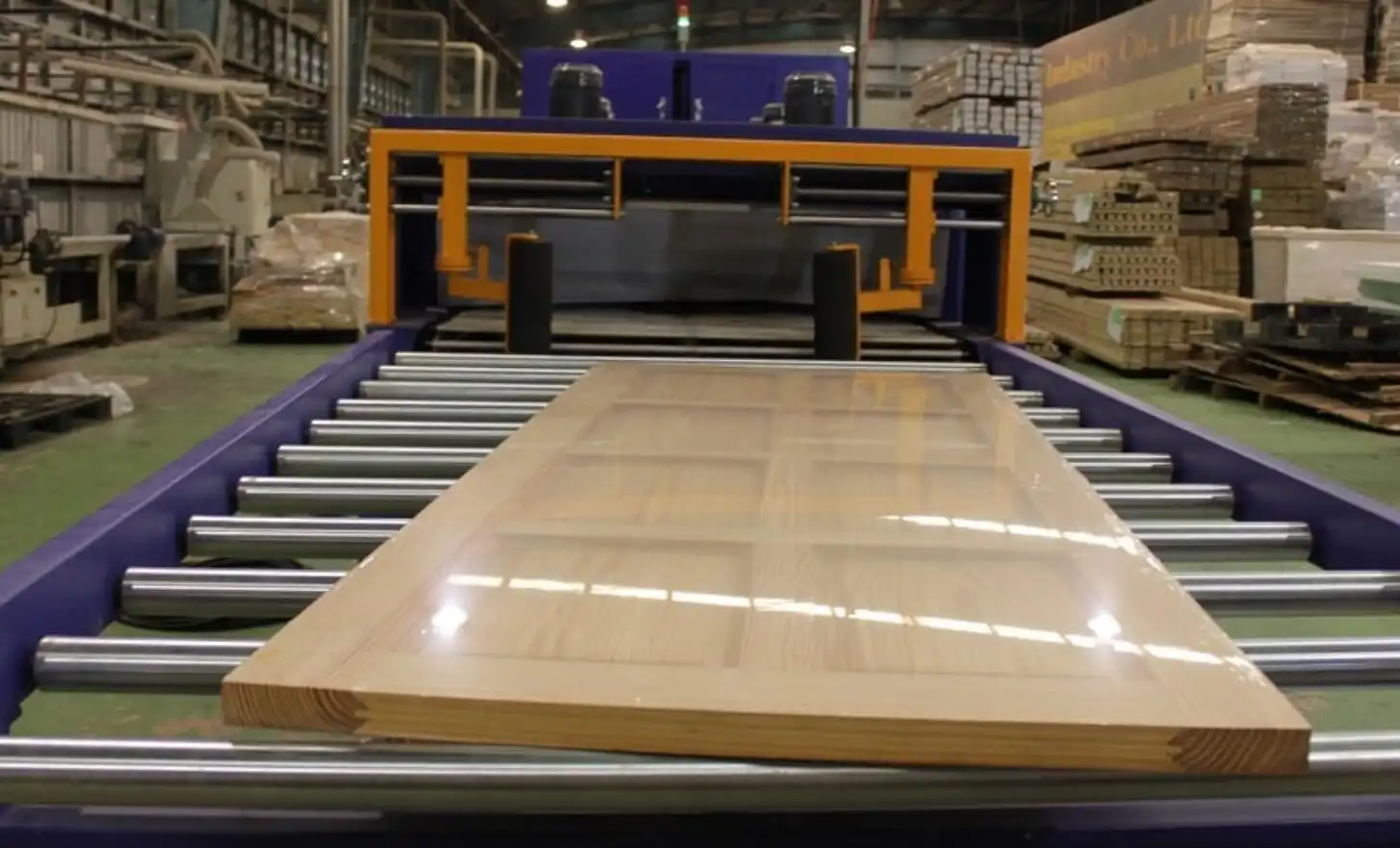

Durability is not just about the machine looking strong. It is about the quality of every part. It is also about the design principles. A truly durable machine is an investment that pays off. It avoids costly repairs. It also avoids unexpected production stops.
Key Factors for Durability
- Frame and Structure: Look for a heavy-duty steel frame. It should be welded properly. It should be thick enough to resist vibration and impact. A flimsy frame will break down faster. It will also cause alignment issues over time. This leads to problems with wrapping quality.
- Component Quality: The internal components matter most. This includes motors, bearings, sensors, and electrical parts. Are they industrial grade? Are they from reputable brands? Cheap components will fail quickly. This causes frequent breakdowns. It also increases repair costs. FHOPEPACK always uses high-quality components. We know that reliability starts from within.
- Dust and Debris Protection: Industrial environments have dust and debris. The machine’s design should protect sensitive parts. This means sealed bearings. It means enclosed electrical cabinets. This prevents contaminants from causing damage. It ensures smooth operation. It also extends the lifespan of the machine.
- Maintenance Access and Ease: Even the best machines need maintenance. A well-designed machine makes maintenance easy. It has accessible parts. This reduces downtime for repairs. It also encourages regular upkeep. This further extends the machine’s life.
- Wear Parts and Replacements: Check if common wear parts are easy to replace. Also, check if they are readily available. This makes sure your machine stays operational. It ensures it runs efficiently for many years.
The Long-Term Benefit
Investing in a durable orbital wrapper means less worry for you. It means fewer calls to technicians. It means consistent production. It reduces unexpected costs. For factories handling heavy items like steel or wire, product damage is a big concern. A stable, durable wrapper wraps products securely. It prevents damage during transport. This reduces customer complaints. It protects your profit margins. I remember a client who bought a cheap wrapper. It broke down often. This caused huge losses. Their factory manager was stressed. We showed them the value of robust engineering. They upgraded to an FHOPEPACK machine. It was built for their demanding environment. They stopped having breakdowns. Their team could focus on production. This made a huge difference to their peace of mind. It also made their factory more profitable.
My Insights: Beyond the Machine – What Truly Defines a Good Partner?
You need more than just a piece of equipment. You need a solution to your production problems. You also need a company you can trust. I have seen many factory managers struggle with bad suppliers. They promise much but deliver little. This leads to frustration. It leads to wasted money. It leaves you feeling unsupported.
A good partner offers more than just machines. They understand your specific challenges. They provide expert guidance. They stand by their products with strong after-sales support. This includes installation, training, and ongoing maintenance. They help you integrate the solution into your operations. They are dedicated to your long-term success, not just making a sale.
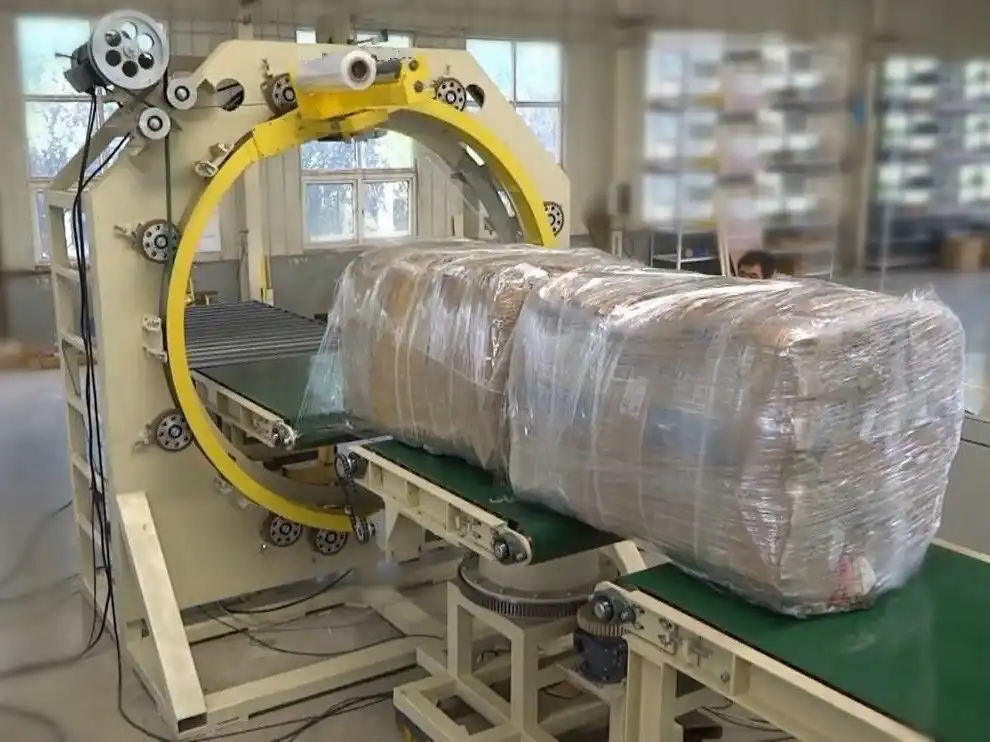

My journey in the packing machine industry taught me a lot. I started as an employee. Then I built my own factory. I worked with many clients. I saw what made a real difference. It was never just about the machine itself. It was about the relationship. It was about the support you got.
What to Look for in a Partner
- Deep Industry Knowledge: Does the supplier understand your industry? Do they know about steel coils? Do they know about wire bundles? Can they speak your language? A partner like FHOPEPACK has engineers with real factory experience. We know the challenges of heavy manufacturing. We understand production bottlenecks. We also understand safety concerns. This knowledge helps us offer the right solutions. It is not just off-the-shelf products.
- Problem-Solving Approach: A good partner listens to your specific problems. They do not just try to sell you their most expensive machine. They analyze your current process. They identify pain points. Then they propose a solution. This solution should address your efficiency bottlenecks. It should also improve safety. It should aim for clear cost reductions. This means they care about your return on investment.
- Strong After-Sales Service: This is critical. What happens after you buy the machine? Do they offer installation? Do they provide training for your team? What about spare parts availability? Is technical support readily available? A supplier who disappears after the sale is not a partner. They are just a vendor. A true partner ensures your machine keeps running smoothly. They support you for years to come.
- Customization and Flexibility: Sometimes, a standard machine is not enough. Your factory might have unique layouts or product sizes. Can the supplier customize the machine? Are they flexible enough to adapt their solutions? This shows a commitment to truly solving your specific issues. It shows they are willing to go the extra mile.
- A Commitment to Your Growth: Ultimately, a good partner helps you grow. My goal with FHOPEPACK is to share knowledge. It is to empower others. I want to help you achieve financial independence, just like I did. When you succeed, we succeed. This mindset guides our interactions. It shapes our products and services. We do not just want to sell you a machine. We want to help your business thrive.
Conclusion
Choosing the right orbital wrapper is a critical decision. Focus on speed, film efficiency, and machine durability. Most importantly, partner with an expert who understands your needs and supports your growth.












