
Is Your Wooden Product Protection Strategy Truly Optimized?
Do you ever worry about your wooden products reaching customers damaged? Are you tired of slow, manual packing that eats into your profits and puts your workers at risk? I hear this from factory managers all the time. The pressure to deliver perfect products, on time and on budget, is immense. When it comes to wooden goods, from planks and panels to doors and furniture components, protecting them from moisture, dust, and handling damage is critical. It impacts your reputation and your bottom line.
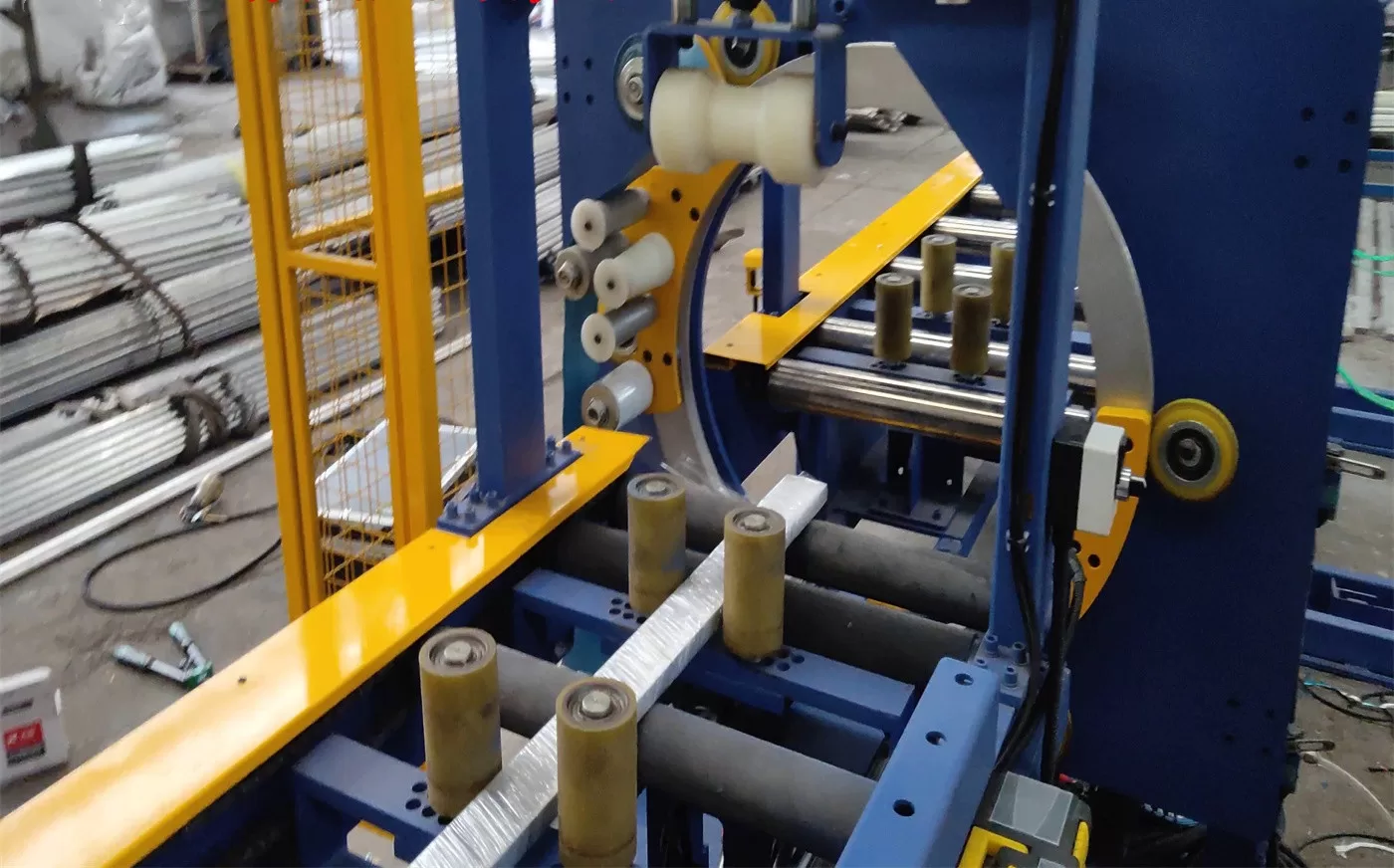
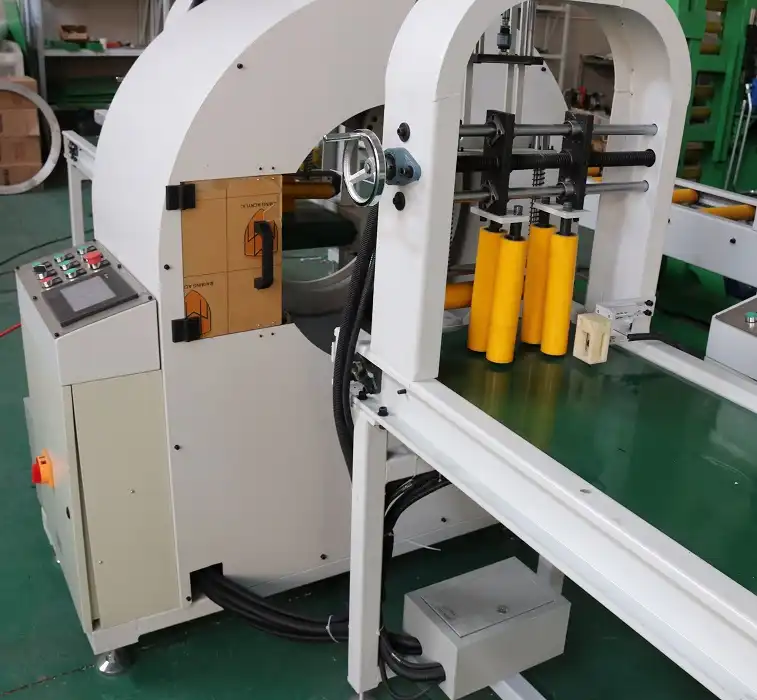
Orbital stretch wrapper technology offers a powerful solution to these common problems in wood product packaging. This system wraps products horizontally, creating a secure, all-encompassing barrier that protects against moisture, scratches, and shifting during transit. It significantly boosts efficiency by automating a process often done manually, and it enhances safety by reducing the need for hands-on lifting and wrapping of large or awkward wooden items.
I know what it is like to manage a busy factory. I have been there myself, starting on the factory floor and building my own successful packing machine business. That is why I understand your challenges. This article will show you how orbital stretch wrappers can transform your wooden product packaging, making it faster, safer, and more cost-effective. Keep reading to learn more.
How Can Orbital Stretch Wrappers Boost Your Wood Product Packaging Efficiency?
Are your current wooden product packaging lines slowing down your whole operation? Do you find that manual wrapping methods just cannot keep up with your production pace? This is a common bottleneck in many factories, and it directly impacts your delivery schedules and overall throughput.
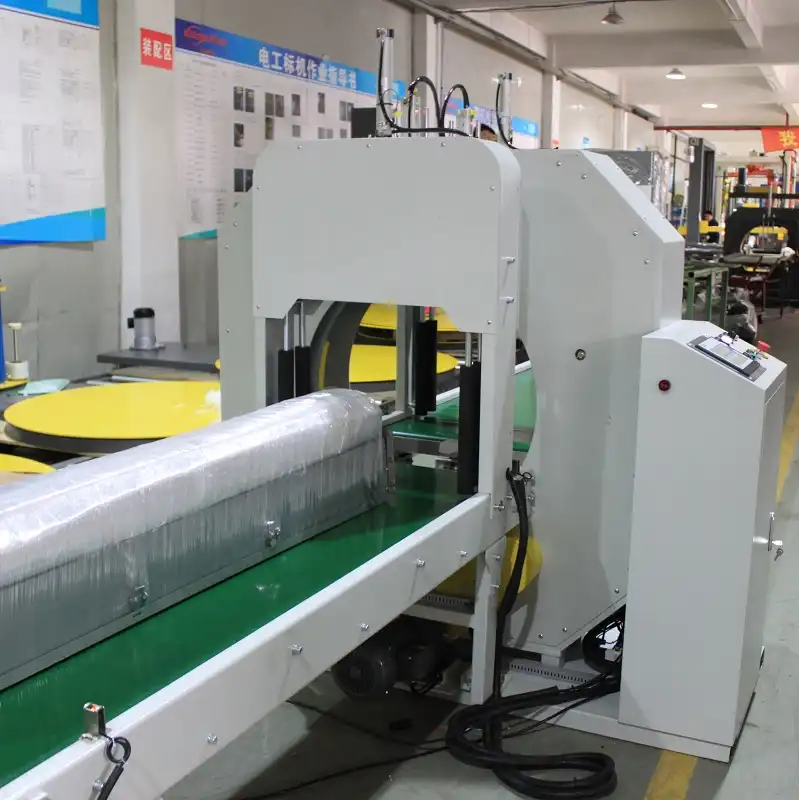
Orbital stretch wrappers drastically increase efficiency by automating the packaging process for long or flat wooden products. These machines can wrap items much faster and more consistently than human operators, reducing the time spent on packaging and allowing for higher volumes of production to move through your facility. This automation helps eliminate bottlenecks at the end of your production line, ensuring a smoother, more continuous flow of goods.
When I first started my own packing machine factory, I saw firsthand how much time and money was wasted due to inefficient packaging. It was not just the labor cost; it was the ripple effect of delays throughout the entire plant. Automating a process like packaging can seem like a big step, but the benefits often outweigh the initial investment very quickly. Think about what just a few extra packed products per hour means over a week or a month.
The Impact of Manual Packaging on Production Flow: Why Automation is Key
Manual packaging for wooden products, like lumber, panels, or even assembled wooden frames, often involves multiple steps and a lot of physical effort. Workers might manually unroll stretch film, walk around the product multiple times, and then secure the wrap. This takes time, especially for large or irregularly shaped items. Each product requires precise handling, which makes it hard to speed up without risking mistakes or injury. This manual process creates a chokepoint. Products accumulate at the packing station, waiting to be wrapped. This backlog prevents finished goods from moving to storage or shipping, which then impacts the capacity of upstream processes. Your entire production line might have to slow down or even stop because the packaging department cannot keep up. I saw this in many factories I visited. They had state-of-the-art production machines, but then everything stalled at the very last step.
Orbital stretch wrappers change this dynamic completely. They are designed to wrap products automatically as they pass through a horizontal ring. This means continuous motion. A wooden beam or a stack of panels can move along a conveyor belt, enter the wrapper, and exit fully protected in just seconds. This continuous flow prevents bottlenecks. It allows your production line to operate at its maximum speed. The machine applies film consistently, ensuring every product is wrapped the same way, every time. This consistency is something manual labor struggles to achieve, especially over long shifts. Automation also means fewer workers are needed for the packaging task itself, freeing them up for other, more skilled jobs within the factory. This re-allocation of labor contributes to overall operational efficiency and reduces labor costs. The machine does not get tired. It does not need breaks. It just keeps working.
| Feature | Manual Wrapping of Wooden Products | Orbital Stretch Wrapping for Wooden Products |
|---|---|---|
| Speed | Slow, inconsistent, dependent on worker stamina | Fast, continuous, high throughput |
| Labor Needs | High, requires multiple workers for large items | Low, typically one operator to load/monitor |
| Consistency | Varies greatly by worker, prone to errors | High, uniform wrap tension and coverage |
| Bottlenecks | Often creates production line bottlenecks | Eliminates bottlenecks, supports continuous flow |
| Worker Fatigue | High, physically demanding | Very low, reduces manual effort |
| Product Handling | Requires direct worker contact and movement | Minimal direct worker contact, product moves on conveyor |
| Wrap Quality | Hard to maintain consistent tension and overlap | Automated tension control ensures optimal wrap quality |
| Adaptability | Limited by worker strength and reach | Can handle a wide range of lengths and widths automatically |
This table makes it clear: moving from manual wrapping to an orbital stretch wrapper is not just an upgrade; it is a fundamental shift in how efficiently you can protect and move your wooden products.
Are Your Workers Safe Handling Wooden Products, Or Is There a Better Way?
Think about the sheer weight and awkwardness of handling long wooden beams, heavy timber, or stacks of panels. Is your current packaging process putting your employees at unnecessary risk of injury? Manual handling of these materials for wrapping often leads to strains, sprains, and even more serious accidents. This impacts employee morale, productivity, and your insurance costs.
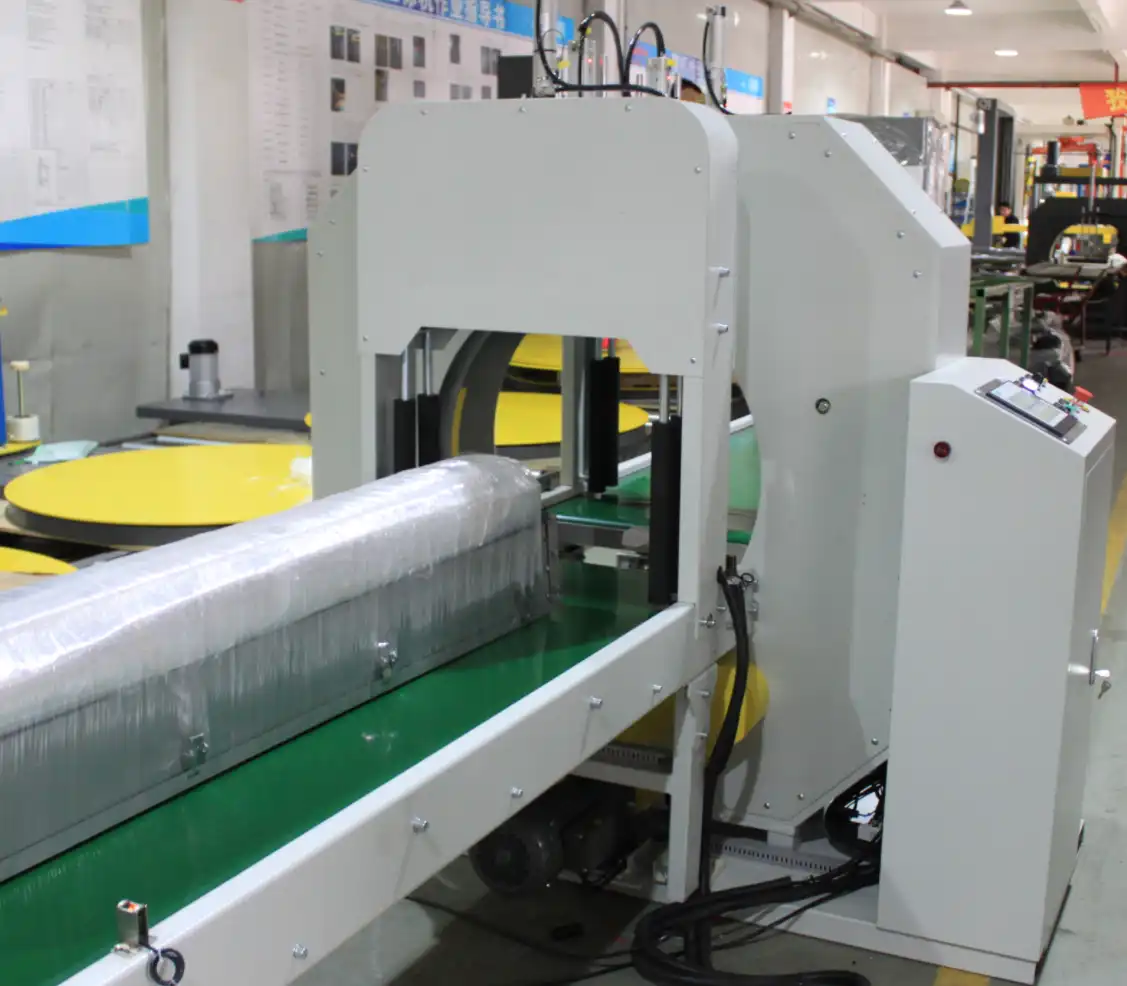
Orbital stretch wrapper technology dramatically improves worker safety by minimizing the need for manual handling of large or heavy wooden products during the packaging process. Products are typically loaded onto a conveyor and pass through the machine automatically, reducing direct contact and eliminating the risks associated with bending, lifting, and repetitive motions. This automation lowers the incidence of workplace injuries, creating a safer environment for your team.
I have always believed that a safe workplace is a productive workplace. When I was running my factory, employee well-being was a top priority. Not just because it is the right thing to do, but because injuries lead to downtime, worker’s compensation claims, and the loss of experienced staff. Investing in safety is never just an expense; it is an investment in your most valuable asset: your people.
Reducing Injury Risks: How Automation Protects Your Workforce
Manual packaging of wooden products often involves tasks that are inherently risky. Workers might have to lift heavy ends of lumber to feed it into a wrapping station, or they might need to walk around large, unstable stacks while trying to apply film. The repetitive nature of applying stretch film by hand, combined with the need to bend, twist, and reach, can lead to chronic musculoskeletal injuries over time. Imagine a worker manually wrapping dozens of large wooden doors every day. That is a lot of bending and stretching. Acute injuries like back strains or shoulder sprains can also occur from awkward lifts or slips. These incidents lead to lost workdays, the need for temporary workers, and higher healthcare and insurance premiums. More importantly, they cause pain and suffering for your employees.
Orbital stretch wrappers remove much of this physical strain. Once the wooden product, whether it is a bundle of lumber or a finished wooden component, is placed on the infeed conveyor, the machine takes over. The product moves through the wrapping ring on its own, and the film is applied without any manual intervention from the worker. This eliminates the need for workers to physically lift, rotate, or walk around the product to apply film. It also removes the risk of tripping over loose film or machinery. The machine performs the repetitive, strenuous tasks, leaving the worker to simply monitor the process and load/unload the product at safe points. This shift from physical labor to machine operation means a drastic reduction in strain-related injuries. It also frees up workers to perform tasks that require human judgment or skill, rather than brute force. A safer workforce is a happier, more engaged workforce, which ultimately benefits your entire operation.
| Safety Aspect | Manual Packaging of Wooden Products | Orbital Stretch Wrapping for Wooden Products |
|---|---|---|
| Lifting | Frequent heavy lifting, awkward positions | Minimal lifting, product moves on conveyor |
| Repetitive Motion | High risk of repetitive strain injuries (RSIs) | Very low, machine handles repetitive wrapping |
| Slips & Trips | Risk from loose film on floor, uneven surfaces | Reduced risk, contained wrapping area |
| Back Injuries | High risk from bending, twisting, lifting heavy objects | Significantly reduced, no need for manual bending |
| Worker Exposure | Direct physical interaction with heavy, moving products | Limited interaction, workers stay clear during wrapping |
| Fatigue | High, leads to increased risk of accidents | Low, reduces physical exertion for workers |
| Overall Environment | More physically demanding, higher injury potential | Safer, less physically demanding, lower injury potential |
By investing in an orbital stretch wrapper, you are not just buying a machine; you are investing in the health and safety of your most valuable asset: your employees.
Can Orbital Wrapping Really Stop Damage to Your Wooden Goods and Save You Money?
Are you consistently dealing with customer complaints about damaged wooden products? Do you see chips, scratches, or moisture damage on your lumber, panels, or furniture components even before they leave your factory? Product damage during internal transfer or shipment is a hidden cost that eats away at your profits and harms your brand reputation.
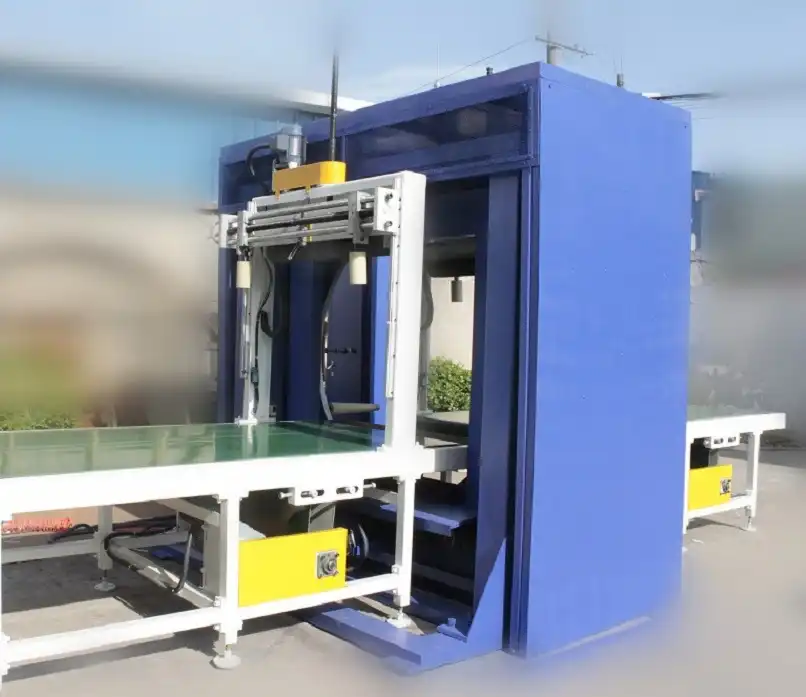
Orbital stretch wrapper technology significantly reduces product damage for wooden goods by providing a tight, protective wrap that secures items and shields them from external elements. The consistent tension and overlap of the stretch film prevent movement and abrasion during handling and transit, while also protecting against dust, dirt, and moisture. This leads to fewer damaged products, fewer returns, and substantial cost savings for your business.
I have helped many clients grow their businesses by optimizing their packaging. A common thread was the issue of product damage. When products arrive damaged, it is not just about the cost of replacement; it is about lost customer trust. And regaining trust is much harder than building it in the first place. My experience taught me that preventing damage upfront is always the most economical and effective strategy.
The True Cost of Product Damage: Why Proper Protection Pays Off
Product damage is often seen as an unavoidable part of doing business, but the costs quickly add up. First, there is the direct cost of the damaged product itself. This might mean scrapping the item, re-working it, or sending a replacement. Then there are the costs associated with handling customer complaints, processing returns, and re-shipping. This involves labor for customer service, shipping department time, and freight costs. If damage becomes a frequent issue, it can lead to chargebacks from retailers or, worse, losing valuable clients to competitors. For wooden products, common damage includes scuff marks, dents, chips on edges, splintering, and moisture absorption leading to warping or mold. These types of damage can occur from products rubbing against each other during transport, impact from forklifts, or exposure to environmental factors in storage or transit. Manual wrapping often does not provide enough tension or full coverage, leaving vulnerabilities. The film might be applied unevenly, or there might be gaps that allow dust and moisture in.
Orbital stretch wrappers provide a superior level of protection. The machine wraps the product from multiple angles, creating a secure, multi-layered cocoon of stretch film. The tension of the film is precisely controlled, ensuring a tight wrap that holds the product together and prevents individual pieces from shifting or rubbing against each other. This tight bundling is crucial for preventing abrasion and impact damage. Furthermore, the film acts as a barrier against environmental factors. It protects the wooden surfaces from dust and dirt that can mar finishes. It also provides a significant level of moisture resistance, which is vital for wood, as excessive moisture can lead to warping, swelling, or the growth of mold and mildew. By reducing damage, you reduce waste, rework, returns, and complaints. This directly translates into lower operational costs and higher customer satisfaction. Consider the ROI: how much do you currently spend on dealing with damaged goods? An orbital wrapper can turn that expense into savings. My clients have seen significant improvements here. One client, who shipped large panels, saw their damage claims drop by over 80% after implementing an automated wrapper. That is real money saved.
| Damage Type | Risk with Manual Wrapping of Wooden Products | Protection with Orbital Stretch Wrapping for Wooden Products |
|---|---|---|
| Abrasion/Scratches | High, inconsistent film tension, exposed surfaces | Low, tight, consistent film layers prevent rubbing |
| Impact Damage | High, loose wrap allows movement, edges exposed | Low, tight bundle absorbs minor impacts, protects edges |
| Moisture Damage | High, gaps in wrap, uneven coverage | Low, full, consistent film barrier provides moisture resistance |
| Dust/Dirt | High, open ends or gaps allow contaminants in | Low, completely enclosed wrap seals against particles |
| Shifting/Load Collapse | High, loose bundles can shift, causing damage or instability | Very low, strong, tight bundle keeps load stable |
| Warping/Splitting | Possible from moisture ingress or uneven pressure | Reduced, consistent protection against environmental factors |
| Customer Complaints | Frequent due to visible damage | Significantly reduced, products arrive in pristine condition |
By investing in an orbital stretch wrapper, you are not just buying a machine; you are securing your product quality and your financial gains.
Why Is Choosing the Right Partner as Important as the Machine Itself for Your Wood Packaging Needs?
Have you ever purchased a piece of equipment only to find the vendor disappears once the sale is made? Or perhaps the promised support never materializes, leaving you scrambling when issues arise? This is a common and frustrating experience for many factory managers. I have heard too many stories about suppliers who care only about the initial transaction, not about your long-term success. For specialized equipment like an orbital stretch wrapper for wooden products, the right partnership is crucial.
Choosing a knowledgeable and reliable partner is as vital as selecting the right orbital stretch wrapper itself, because a true partner understands your specific challenges, provides expert guidance beyond just selling a machine, and offers consistent, trustworthy after-sales support. This deep understanding and commitment ensure your investment truly solves your problems and helps your business grow, rather than becoming another source of frustration.
My journey from factory employee to successful factory owner taught me the immense value of trust and expertise. When I first started FHOPEPACK, my goal was not just to sell machines but to share knowledge and help others succeed, just as I had. I know that a machine is only as good as the support behind it. That is why I believe in building relationships, not just making sales. When you are looking to optimize your wooden product packaging, you need someone who understands the nuances of material handling, packaging film, and machinery integration in a real-world factory setting.
The Value of Partnership: More Than Just a Transaction
Many equipment suppliers operate on a transactional model: they sell you a machine, collect payment, and then their interest in your operation dwindles. This approach leaves you vulnerable, especially when you encounter operational challenges, need spare parts, or require technical assistance. For complex equipment like an orbital stretch wrapper, installation, training, and ongoing maintenance are crucial. What happens if the machine breaks down? How quickly can you get parts? Is there someone you can call who truly understands your specific setup and can troubleshoot effectively? Without a dedicated partner, these questions can lead to costly downtime and frustration. I have seen factories buy what seemed like a great machine, only to have it sit idle for weeks because they could not get proper support. That kind of experience makes factory managers, like Michael, very cautious.
A true partner, like what we aim to be at FHOPEPACK, approaches the relationship differently. We take the time to understand your factory’s unique needs, your specific wooden products, your current bottlenecks, and your long-term goals. For instance, when it comes to wrapping large wooden panels or long pieces of lumber, the film tension, the number of wraps, and the integration with your existing conveyor system all matter. A good partner will help you evaluate your current processes, suggest the right machine model and configuration, and even advise on the best film types for your wooden products to maximize protection and minimize cost. This kind of in-depth consultation ensures that the solution is tailored to your exact requirements, not just a generic sale. Beyond the sale, a reliable partner provides comprehensive after-sales support, including installation assistance, thorough operator training, readily available spare parts, and prompt technical service. They understand that your success is their success. I believe in giving back because the industry gave me so much. That is why sharing expertise and helping clients optimize their operations is at the core of FHOPEPACK’s mission. When you work with us, you are not just buying a machine; you are gaining a trusted advisor who cares about your factory’s efficiency, safety, and profitability.
| Aspect | Transactional Supplier | True Partner (Like FHOPEPACK) |
|---|---|---|
| Focus | Short-term sale, immediate profit | Long-term relationship, your operational success |
| Understanding Needs | Generic solutions, minimal in-depth analysis | Deep dive into your specific factory, product, and goals |
| Consultation | Limited, often focused on product features only | Extensive, includes process optimization, ROI analysis |
| After-Sales Support | Spotty, slow, often outsourced | Comprehensive, responsive, expert technical support, parts availability |
| Problem Solving | Reactive, often blames user or other factors | Proactive, diagnostic, collaborative troubleshooting |
| Trust | Builds little to no trust | Builds strong, lasting trust through consistent value |
| Guidance | Minimal, leaves you to figure things out | Expert insights, training, ongoing advice |
Choosing a partner with deep industry experience and a commitment to your success means your investment in an orbital stretch wrapper for your wooden products will yield the best possible returns. It gives you peace of mind.
What Are My Insights on Mastering Packaging for Wooden Products?
After years in the packing machine industry, starting from the ground up and building my own factory, I have learned a few core truths about packaging, especially for challenging items like wooden products. My journey has shown me that true mastery is not just about having the best machine. It is about understanding the entire process, anticipating problems, and finding solutions that genuinely improve your operations. This is what I have dedicated FHOPEPACK to sharing.
One of my biggest insights is this: you cannot afford to overlook the “last mile” of your production line. Packaging is often seen as an afterthought, but it is actually the final gatekeeper of product quality and customer satisfaction. If your wooden products are perfectly crafted but arrive damaged because of poor packaging, all that hard work is wasted. Investing in the right packaging technology, like an orbital stretch wrapper, is not a luxury; it is a strategic necessity for any factory dealing with high-value goods.
Another crucial insight is about the “total cost of ownership,” not just the purchase price. A cheaper machine might seem appealing upfront, but if it is unreliable, requires constant repairs, uses excessive film, or fails to protect your products, it becomes far more expensive in the long run. The same goes for dealing with a poor supplier. The true cost includes downtime, lost revenue from damaged goods, wasted labor, and the drain on your management’s time and energy. This is why I always emphasize ROI. It is not just about saving money on film or labor; it is about the broader impact on your factory’s output, safety record, and reputation. I have seen factories transform their operations simply by making smart, informed choices about their packaging solutions. They moved from a reactive “fix-it-when-it-breaks” mentality to a proactive “prevent-problems-before-they-happen” approach. This shift often starts with recognizing packaging as a core strategic element, not just a necessary evil.
Finally, remember that technology is a tool. The real power comes from how you use it and the knowledge you apply. That is why FHOPEPACK is committed to knowledge sharing. My goal is to empower you with the insights you need to make the best decisions for your factory, whether it is about selecting the right orbital wrapper for your specific wooden product dimensions or optimizing your material flow around the machine. Your success in protecting your wooden products, enhancing efficiency, and ensuring worker safety is what drives me. It is about building a more resilient, profitable business for you.
Conclusion
Investing in orbital stretch wrapper technology is a smart move for protecting wooden products, boosting efficiency, and enhancing safety in your factory. It delivers clear ROI and safeguards your reputation.








