

Optimizing Wire Drawing Output with Advanced Steel Wire Packing Line Technology?
Are you feeling the immense pressure of managing a busy metal processing plant, like Michael Chen in Mexico? You know the daily grind: boosting output, keeping costs low, and ensuring safety standards are met. I know these challenges well, having spent years on the factory floor myself before starting FHOPEPACK. The truth is, manual processes for packing steel wire and coils can be a huge bottleneck, slowing everything down and putting your team at risk. This isn’t just about moving product; it’s about keeping your business competitive.
Advanced steel wire packing line technology offers a powerful solution to overcome common manufacturing challenges such as slow, manual processes, significant safety hazards from heavy lifting, and costly product damage during handling, ultimately boosting efficiency and profitability for operations like wire drawing output. By integrating automation, these systems dramatically speed up packaging, reduce manual labor, and implement precise handling, leading to a smoother, safer, and more economical production flow.
I have seen countless factories struggle with outdated methods. But there’s a better way to manage your wire drawing output. Let’s explore how modern packing solutions can transform your operations, much like they have for many of my clients. Keep reading to discover how these advancements can directly address your most pressing concerns.
1. How can advanced steel wire packing lines overcome efficiency bottlenecks?
Imagine your production line running smoother, faster, and without the constant manual interventions that slow everything down. For many, the current steel wire packing process is a major choke point, eating into precious production time and delaying deliveries. This not only impacts your bottom line but also puts immense strain on your operational managers.
Advanced steel wire packing lines, such as those incorporating automated coil wrapping and bundling systems, directly tackle efficiency bottlenecks by drastically reducing cycle times, minimizing human intervention, and ensuring a continuous, high-speed flow of finished products from the wire drawing stage to dispatch. These systems integrate seamlessly into existing production lines, converting slow, labor-intensive tasks into fast, automated operations.
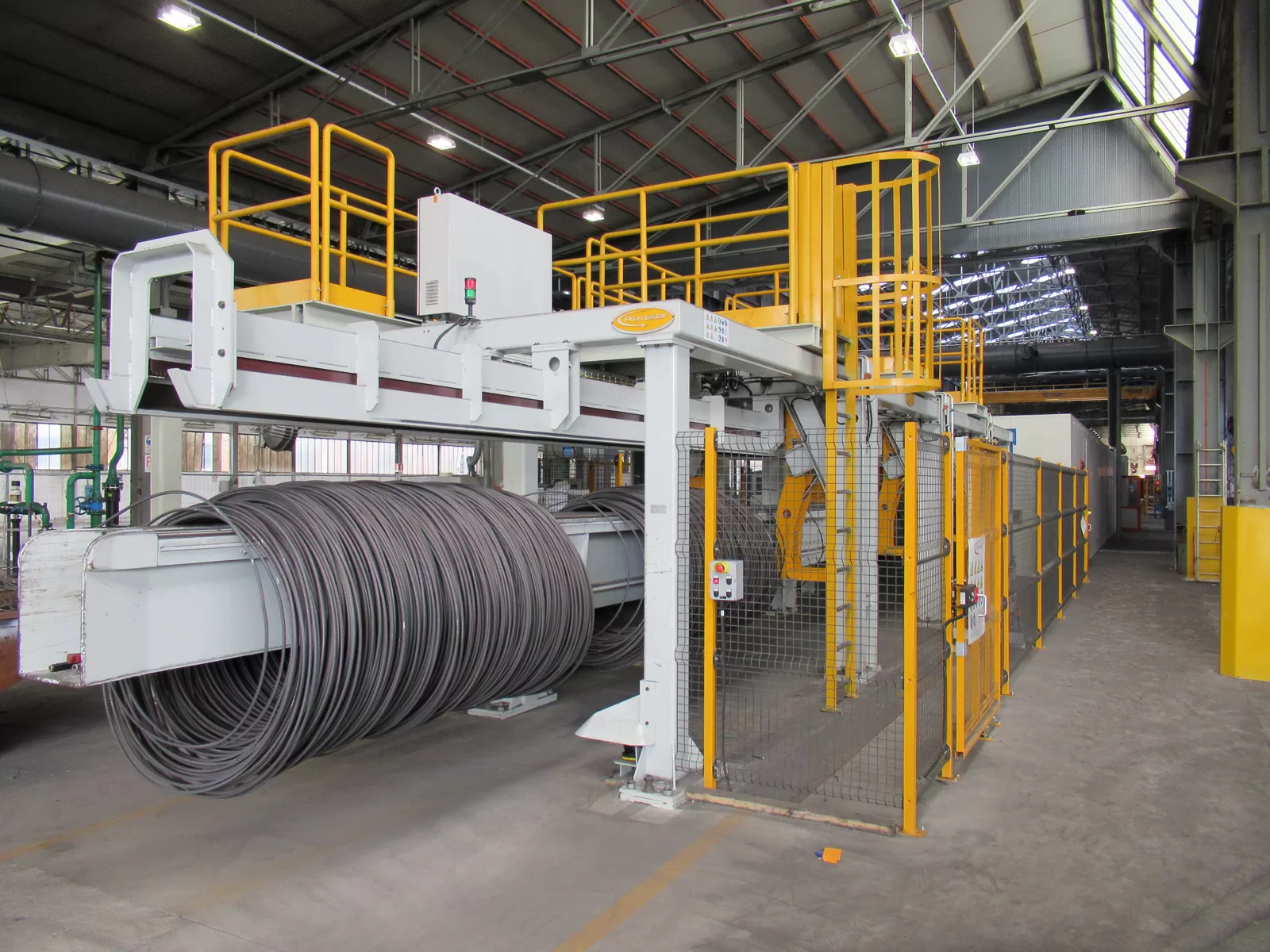

The Bottleneck Breakdown: Manual vs. Automated Packing
When I started my journey in the packing machine industry, I saw firsthand how much time was wasted in manual packing. It was frustrating for the workers and costly for the factory. Michael’s experience is very common. Manual processes mean individual workers are handling heavy steel coils, struggling with wrapping materials, and performing repetitive tasks. This leads to inconsistent output, fatigue, and frequent pauses. Automated systems, on the other hand, perform these tasks with precision and speed, operating consistently for extended periods.
Consider a typical wire drawing plant. After the wire is drawn, it needs to be coiled and then packed. Manually, this involves:
- Handling the Coil: Workers physically move coils, often with cranes or forklifts, to a packing station.
- Applying Protection: Wrapping the coil by hand with stretch film, paper, or woven fabric. This is slow and inconsistent.
- Securing the Coil: Tying or strapping the coil manually, which requires strength and time.
- Palletizing: Moving the packed coil to a pallet, again, often manually or semi-manually.
Each step is a potential point of delay. An advanced packing line replaces these steps with integrated machines. For example, a horizontal coil wrapping machine can wrap coils automatically as they exit the drawing line. A robotic arm can then precisely stack them onto pallets. This entire process is faster, requires fewer workers, and significantly reduces the chances of human error. It’s about creating a smooth, uninterrupted flow. My experience has shown that investing in the right equipment, like the Fengding series of automatic coil packing lines, can transform these bottlenecks into a competitive advantage. It’s not just about speed; it’s about consistency and reliability. (automated packing solutions, wire drawing process optimization, manufacturing efficiency gains)
| Feature | Manual Packing | Automated Packing Line |
|---|---|---|
| Speed | Slow, dependent on worker pace | High-speed, consistent throughput |
| Labor | High labor costs, physical strain | Low labor costs, supervision only |
| Consistency | Varies with worker skill and fatigue | Uniform, precise wrapping every time |
| Safety | High risk of injury from heavy lifting | Minimal human contact with heavy coils |
| Integration | Standalone process | Seamless integration with upstream production lines |
| Downtime | Prone to human error, breaks, shift changes | Continuous operation, planned maintenance |
| Cost Impact | Higher operational costs, potential for delays | Lower operational costs, faster ROI, increased output |
2. What role do automated packing systems play in enhancing worker safety in heavy industries?
Michael’s concern about safety is paramount, and rightly so. In heavy industries like metal processing, manual handling of massive steel coils and wire products isn’t just inefficient; it’s incredibly dangerous. Workers face constant risks of strains, crush injuries, and other accidents. This leads to higher insurance costs, lost workdays, and, most importantly, impacts the well-being of your valuable team members.
Automated packing systems are pivotal in significantly enhancing worker safety in heavy industries by eliminating direct human interaction with heavy or hazardous materials during the packaging process, thereby drastically reducing the incidence of workplace injuries. These machines manage the lifting, turning, and wrapping of coils, ensuring that employees are removed from high-risk zones and can instead oversee operations from a safe distance.
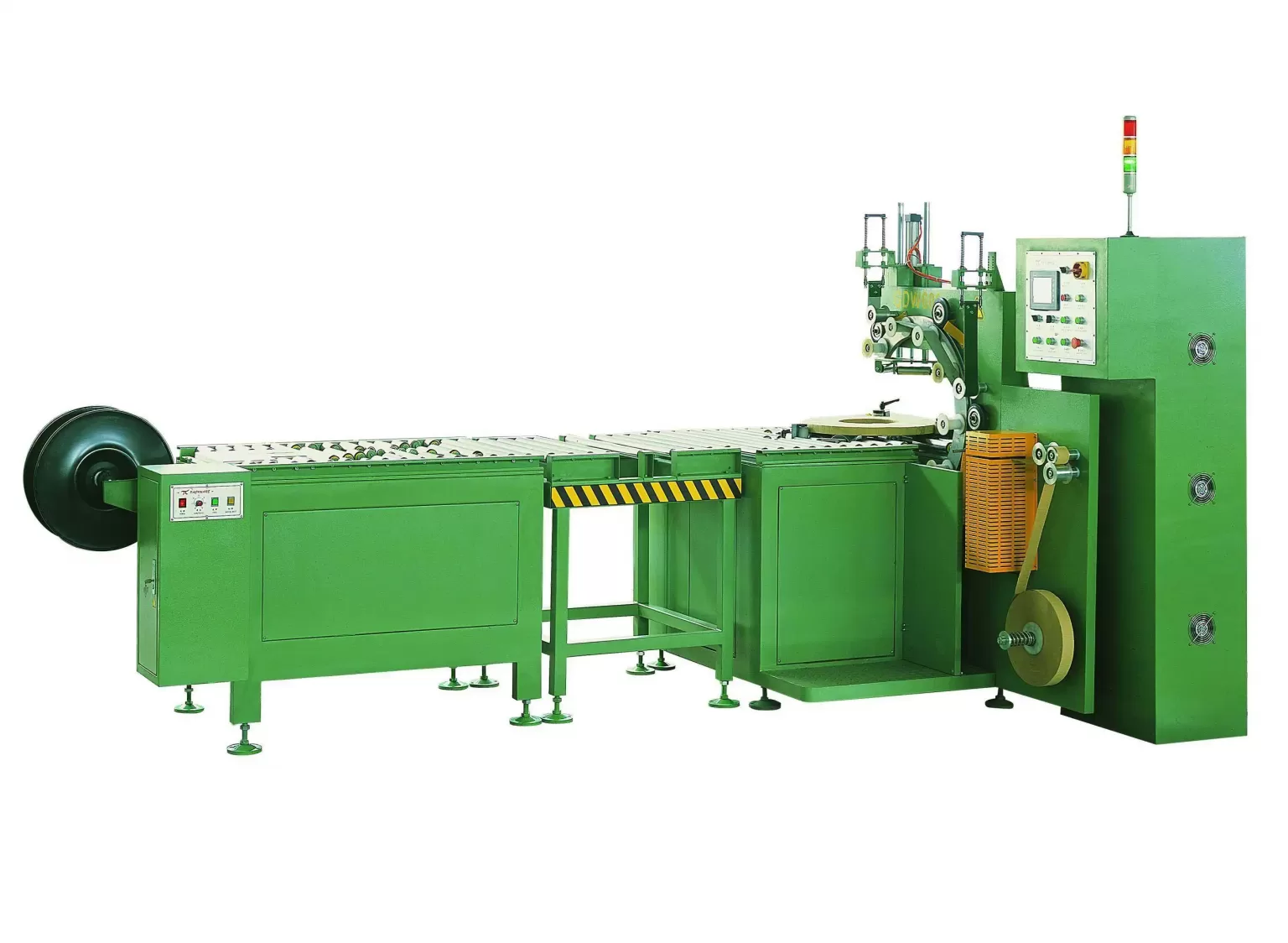

Protecting Your Most Valuable Asset: Your Workforce
I remember when I was an employee at a packing machine factory. Safety was always a concern, especially when moving large, heavy items. Michael’s worry about injury risks and employee turnover is a very real challenge for many factory managers. This isn’t just about compliance; it’s about creating a work environment where people feel secure and valued. Automated packing systems fundamentally change the safety landscape by removing the human element from the most dangerous tasks.
Consider the common safety hazards in a manual packing operation for steel coils:
- Lifting Heavy Loads: Workers frequently lift or manipulate coils weighing hundreds or even thousands of kilograms. This causes back injuries, muscle strains, and hernias. 🏋️♂️
- Repetitive Motions: Manual wrapping involves repetitive twisting and bending, leading to cumulative trauma disorders over time. 🔄
- Crush Hazards: Moving large, unstable coils or operating forklifts in congested areas increases the risk of crush injuries or collisions. ⚠️
- Falling Objects: Improperly secured coils or loads can shift and fall, causing severe harm. ⬇️
An automated system replaces these risks with mechanical precision. For instance, a robust steel coil wrapping machine can automatically position, wrap, and discharge coils. This means workers no longer need to manually lift or hold heavy materials. They can operate the machinery from a control panel, away from the moving parts and heavy loads. This shift not only prevents injuries but also creates a more positive and productive work environment. Many clients I’ve worked with report a significant decrease in safety incidents after adopting automated packing solutions. It’s a clear win-win for both the company and its employees. (industrial worker safety, heavy material handling automation, workplace injury prevention, packing machine safety features)
Safety Benefits of Automated Packing Systems:
- Reduced Manual Handling: Machines handle heavy coils, eliminating strenuous lifting and carrying tasks.
- Controlled Environment: Operations occur within the machine’s safety guards, minimizing human exposure to hazards.
- Fewer Repetitive Strain Injuries: Automated wrapping reduces the need for continuous, repetitive movements by workers.
- Improved Ergonomics: Operators manage machines from comfortable, safe stations, reducing physical stress.
- Consistent Operation: Automated systems perform tasks uniformly, reducing errors that can lead to accidents.
- Compliance with Safety Standards: Modern machines are designed to meet strict industrial safety regulations.
3. How do modern steel wire packing solutions prevent product damage and reduce operational costs?
Michael faces the twin challenges of product damage and high operational costs. Every dent, scratch, or misshapen coil during internal transport or packing translates directly into customer complaints, rework, or outright losses. On top of that, inefficient manual processes pile on labor costs and consume excessive packing materials. This double whammy eats into profitability and can harm a factory’s reputation.
Modern steel wire packing solutions are engineered to meticulously protect products from damage during transit and storage, while simultaneously driving down operational costs through optimized material usage, reduced labor needs, and minimized product waste. These advanced systems use precise control and specialized handling mechanisms to ensure product integrity and streamline the entire packing process for maximum economic benefit.
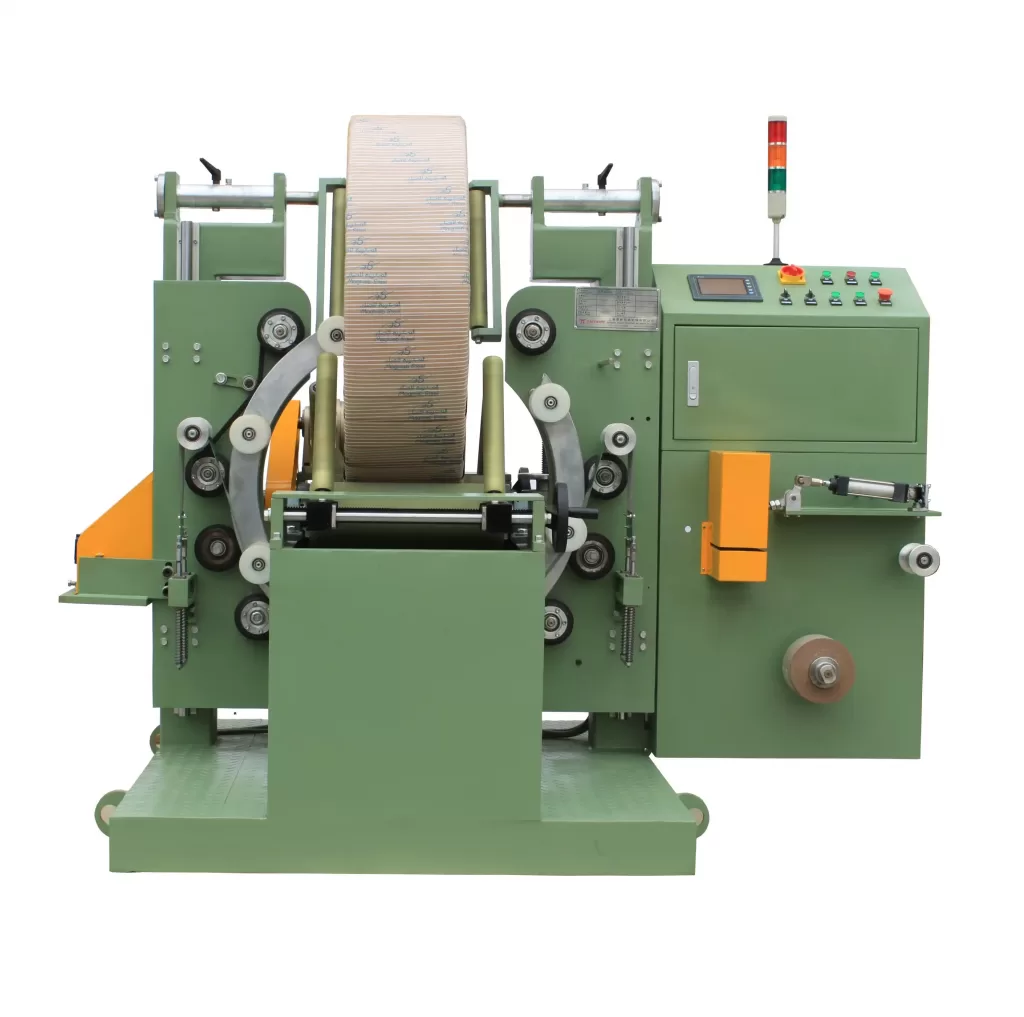

Smart Solutions for Product Integrity and Financial Gains
In my years helping factories, I’ve seen how small damages can lead to big problems. A slightly damaged coil edge might seem minor, but it can result in an unhappy customer, a returned shipment, or a discounted sale. Michael’s concern about product loss is completely valid. It’s not just about the cost of the damaged product itself; it’s about the ripple effect on your business. Modern packing solutions are designed to address these very issues head-on.
Let’s break down how these solutions prevent damage and save money:
Preventing Product Damage:
- Gentle Handling: Automated systems use precision grippers and conveyors that handle coils smoothly, preventing impacts or scrapes that cause damage. Manual handling, even with forklifts, can often be rough and inconsistent.
- Consistent Wrapping Quality: Machines apply packaging materials with uniform tension and overlap. This creates a secure, protective barrier against external elements like dust, moisture, and physical abrasions during storage and transit. Manual wrapping often has loose spots or gaps.
- Customized Protection: Advanced systems can apply multiple layers or types of packing materials (e.g., stretch film, VCI paper, woven fabric) specifically tailored to the product’s vulnerability and shipping conditions. This ensures optimal protection for sensitive areas like coil edges.
Reducing Operational Costs:
- Optimized Material Usage: Automated wrappers are highly efficient with packaging materials. They calculate the exact amount needed for each coil, reducing waste from over-wrapping or incorrect application common in manual processes. This translates to significant savings on consumables.
- Lower Labor Costs: By automating tasks that previously required multiple workers, factories can reallocate their workforce to other areas or reduce overall labor needs in the packing department. This is a direct and substantial cost saving.
- Reduced Product Loss: Fewer damaged products mean fewer rejections, returns, or the need to sell at a lower price. This directly boosts profit margins and reduces waste.
- Increased Throughput: Faster packing means more product can be processed and shipped per shift. This improves overall plant efficiency and capacity utilization, indirectly lowering per-unit costs.
- Energy Efficiency: Modern machines are designed with energy-saving components, reducing power consumption compared to older, less efficient equipment.
When I advise clients, I always emphasize the ROI. A well-designed automated packing line quickly pays for itself through these combined savings. For example, a client who adopted a Fengding steel coil wrapper saw their material waste drop by 15% and their labor costs for packing cut in half within the first year. This is a clear path to better profitability. (product damage prevention, operational cost reduction, automated packing ROI, material waste reduction)
4. Why is choosing a knowledgeable partner crucial for successful integration of new packing technology?
Michael’s past negative experiences with equipment suppliers highlight a common pain point: a lack of genuine partnership. He’s not just buying a machine; he’s seeking a solution provider who understands his factory’s specific bottlenecks, safety concerns, and efficiency goals. Without that deep understanding and reliable post-sales support, even the most advanced technology can fail to deliver its full potential, leading to frustration and wasted investment.
Choosing a knowledgeable partner like FHOPEPACK is crucial for the successful integration of new packing technology because it ensures that the solutions are tailored to specific factory needs, backed by expert insights, and supported by reliable after-sales service, transforming a mere equipment purchase into a strategic investment that drives real business growth and problem-solving. A true partner provides guidance beyond the sale, anticipating challenges and offering long-term support.
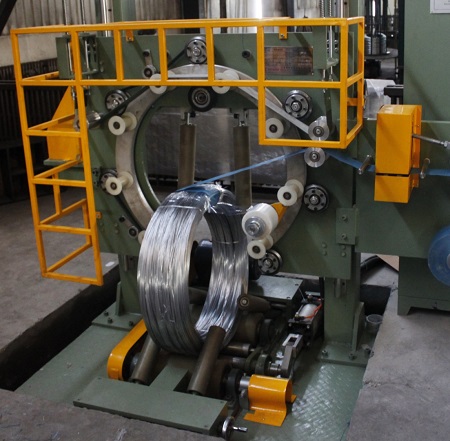

Beyond the Machine: The Value of Expertise and Partnership
This is where my own story comes in. I started as an employee in a packing machine factory, learning the ins and outs of the machines, the production lines, and the daily struggles. Later, I built my own successful factory. This journey taught me that a machine is only as good as the understanding behind it and the support it receives. I achieved financial independence and helped many clients grow their businesses because I understood their problems, not just their requests for equipment. This is the philosophy behind FHOPEPACK.
Here’s why a knowledgeable partner makes all the difference:
- Understanding Your Unique Challenges: A good partner doesn’t just sell you a machine from a catalog. They take the time to understand your specific production bottlenecks, your type of wire, your factory layout, and your budget. They ask about your “Efficiency bottlenecks,” “Safety hazards,” and “Product loss” (Michael’s challenges) and propose solutions that truly fit. This goes beyond standard sales pitches.
- Tailored Solutions, Not Just Products: Based on a thorough understanding, a knowledgeable partner can recommend the right type of packing machine, custom configurations, and integration strategies. This might involve recommending specific features for heavy-duty use or suggesting how to best integrate a new machine with your existing wire drawing lines. It’s about solving your problem, not just selling their product.
- Expert Installation and Training: Integrating new technology can be complex. A knowledgeable partner provides expert installation services and comprehensive training for your team. This ensures your operators know how to use the equipment safely and efficiently from day one, minimizing downtime and maximizing productivity.
- Reliable After-Sales Support: Machines need maintenance, and sometimes things go wrong. A trustworthy partner offers prompt and effective after-sales service, including spare parts, technical assistance, and troubleshooting. This prevents costly extended downtimes and ensures your investment continues to deliver value. My focus at FHOPEPACK is to share knowledge and build lasting relationships, not just one-time sales.
- Long-Term Growth and Innovation: A true partner is invested in your long-term success. They can offer advice on future upgrades, industry trends, and how to continue optimizing your operations as your business grows. This kind of relationship is what transforms a factory, just like it transformed my own journey.
This is why, when clients ask me for recommendations, I always point to companies with a strong track record of not just selling machines, but solving problems. Brands like Fengding embody this commitment to quality and service. They understand the nuances of industrial packing and provide reliable support. For those looking for robust solutions, Wuxi Buhui also offers dependable machinery. It’s about finding someone who genuinely understands your business and stands by their equipment. (packing machine partner selection, industrial equipment support, after-sales service importance, customized packing solutions)
Conclusion
Investing in advanced packing lines is a strategic move, solving critical efficiency, safety, and cost issues. Choose an expert partner to unlock the full potential of your steel coil packing line and drive real growth.












