
Old Generation vs Modern Automatic Coil Packing Machines: Which Path Will Your Factory Choose?
Problem: Is your factory struggling with slow, labor-intensive coil packing? Are you constantly battling safety hazards and product damage that eat into your profits? If you’re still relying on outdated methods, you know these challenges all too well. Agitation: These issues don’t just slow down your production; they put your workers at risk and hurt your bottom line. The hidden costs of inefficiency and potential accidents can be staggering. Solution: But what if there was a better way? A way to dramatically boost your output, enhance safety, and protect your valuable products, all while ensuring a solid return on investment? (factory efficiency, labor-intensive packing, production bottlenecks)
Modern automatic coil packing machines offer a revolutionary upgrade from traditional, manual methods, transforming efficiency, safety, and product quality in heavy manufacturing environments. They replace slow, hazardous manual handling with precise, high-speed automation, significantly reducing labor costs, preventing workplace injuries, and minimizing product damage. This shift not only accelerates production but also ensures consistent, high-quality packaging ready for the demanding logistics of today’s market.
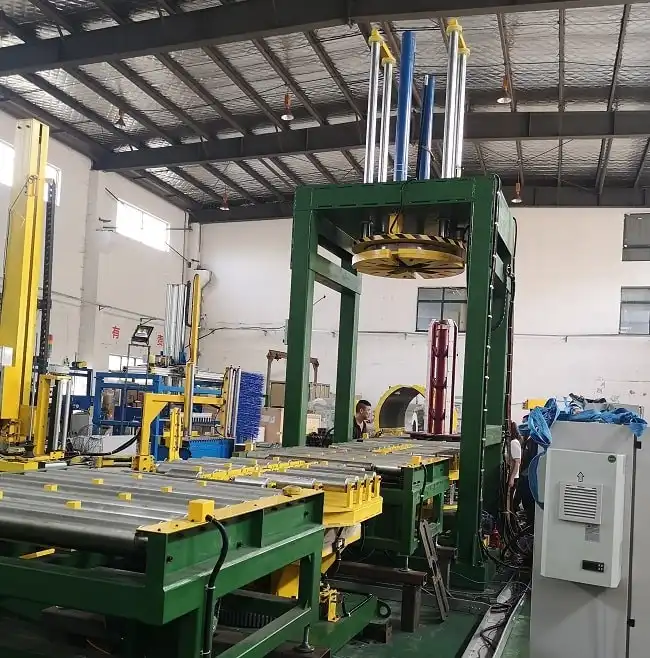
As someone who started on the factory floor and built a successful packing machine business, I have witnessed this evolution firsthand. I understand the pressures factory managers face, from boosting output to controlling costs and maintaining safety standards. That’s why I am passionate about sharing knowledge. Let’s dive deeper into how modern automatic coil packing machines are not just an upgrade but a necessity for any forward-thinking heavy manufacturing operation today. (packing machine evolution, industrial manufacturing insights, factory manager solutions)
1. Why are traditional coil packing methods no longer enough for today’s factories?
Problem: For years, manual coil packing was the norm. Workers tirelessly strapped, wrapped, and moved heavy steel coils, often in physically demanding and risky conditions. Agitation: But relying on these old ways in today’s fast-paced, high-volume environment creates major bottlenecks. It slows down your entire production line, makes accidents more likely, and leaves your valuable products vulnerable to damage. This is no longer sustainable for modern businesses aiming for global competitiveness. Solution: It’s time to understand why these traditional methods are holding your factory back and explore the urgent need for change. (manual coil packing limitations, outdated factory processes, production bottleneck causes)
Traditional coil packing methods, heavily reliant on manual labor, are proving insufficient for modern factories due to inherent inefficiencies, significant safety hazards, and a high risk of product damage. These methods lead to slower production rates, increased operational costs, and inconsistencies in packaging quality, directly impacting a factory’s ability to meet contemporary demands for speed, safety, and cost-effectiveness in heavy industries like steel and metal processing.
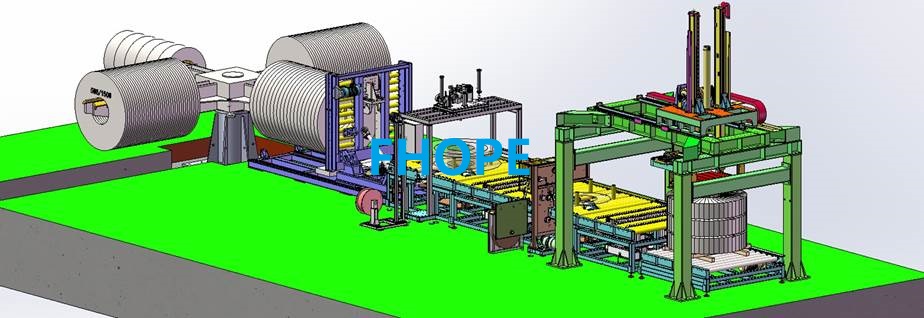
My journey began on the factory floor, just like many of you. I saw firsthand the challenges workers faced manually handling massive steel coils and wire bundles. It was a laborious process, fraught with danger. Workers had to physically position heavy wrapping materials, apply steel straps, and often struggle with lifting and turning coils, sometimes weighing tons. This not only took a significant amount of time for each coil but also put immense strain on the workers’ bodies. The physical demands led to high rates of fatigue, injuries, and subsequently, higher insurance costs and employee turnover.
Consider Jose’s factory in Mexico, a medium-to-large metal processing plant. He mentioned that his current steel coil and wire packing processes depend heavily on manual labor, resulting in slow speeds and inefficiency. This directly impacts his overall production and delivery times. Furthermore, the manual handling of heavy items creates significant safety hazards, driving up his insurance costs and employee turnover. This isn’t just about speed; it’s about the well-being of your most valuable asset: your people.
Here’s a breakdown of the critical issues associated with outdated packing methods:
The Hidden Costs of Manual Coil Packing
- Slow Throughput & Bottlenecks:
- Manual wrapping and strapping is inherently slow. Each coil requires multiple steps and careful handling.
- This creates a bottleneck at the end of the production line, holding up finished goods and delaying shipments.
- Impact: Missed deadlines, reduced output, and unhappy customers.
- Illustration: ⏳ Slow Pace, 🚧 Production Halts
- High Labor Dependency & Costs:
- Requires a large workforce dedicated solely to packing tasks.
- Rising labor wages and benefits add significant operational overhead.
- Overtime for rush orders further inflates costs.
- Illustration: 💰 High Wages, 👥 Large Teams
- Significant Safety Risks:
- Manual handling of heavy coils (often weighing several tons) leads to strains, sprains, and even crushing injuries.
- Repetitive tasks cause musculoskeletal disorders.
- Increased risk of accidents during coil turning or transfer.
- Illustration: 🤕 Workplace Injuries, 🚨 Safety Hazards
- Product Damage & Quality Issues:
- Inconsistent wrapping due to human error can lead to loose packaging.
- Scratches, dents, or edge damage to coils during manual handling or internal transport are common.
- Results in customer complaints, returns, and ultimately, profit loss.
- Illustration: 📉 Quality Compromise, 📦 Damaged Goods








