
Maximizing productivity with a steel coil upender is all about choosing the right equipment and techniques. We face a common problem: inefficiency in handling and storing heavy steel coils. To solve this, practice adopting innovative strategies and equipment consistently. Unlocking higher productivity levels is key to staying competitive in today’s fast-paced manufacturing world.
*Optimizing productivity with a steel coil upender involves understanding its core features, such as flip speed, load capacity, and safety mechanisms. Implement best practices like regular maintenance and staff training to ensure efficient operation. These steps elevate performance while reducing downtime, allowing streamlined, automated processes, ultimately saving time and resources for increased productivity and profitability.

To delve further into the best utilization of steel coil upenders, we need to examine their technology and integration into existing workflows. I’ve worked with various equipment, evolving my methods over decades of experience. Sharing knowledge on optimizing these essential tools can transform operations, significantly reducing labor strains and enhancing safety. Let’s explore their key features for a deeper understanding.
1. What are the key features of a steel coil upender?
When thinking about steel coil upenders, I remember a time I balanced innovation and budget constraints. The challenge was clear: reaching maximum efficiency without overspend. Addressing this is crucial to sustaining operations in demanding industries. Engaging proper usage will transform your production line, amplifying output and safety standards simultaneously.
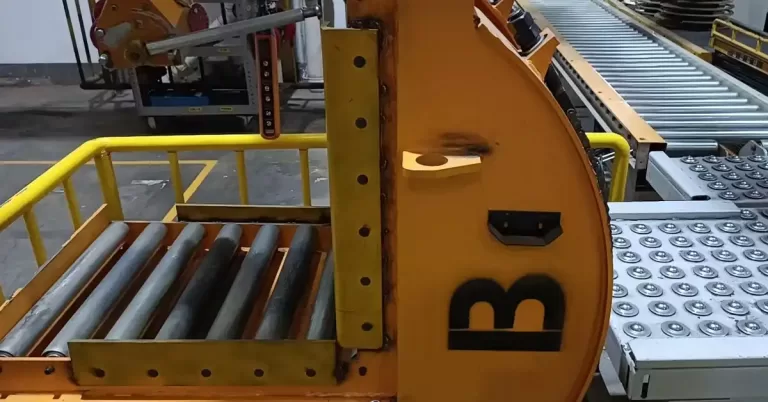
Key features include stability, speed adjustment, and ROI. Ensure the machine provides precise maneuverability, high load capacity, and advanced control systems. Look out for user-friendly interfaces and robust construction. This guarantees dependable performance while reducing risks. Notably, customizable features enable adaptation to unique business needs, laying the foundation for comprehensive automation strategies.
Adaptive Strategies in Utilizing Steel Coil Upenders
Integrating steel coil upenders requires critical examination of each feature’s value addition to your production line. Start with stability; a machine that shifts under load compromises safety and efficiency. Then, consider speed adjustment, a pivotal element. Rapid flipping helps but adjustability provides control over diverse coil types. Advanced control systems increase this precision.
| Feature | Consideration | Impact |
|---|---|---|
| Stability | Machine balance | Safety and efficiency |
| Speed Adjustment | Customizable flipping speed | Versatile handling of different coil types |
| Control Systems | Advanced user interfaces | Improved precision and safety |
| Customization | Adapt to operation specifics | Enhanced process optimization |
Evaluating return on investment (ROI) is indispensable. Assess operation costs against productivity gains. Machines offering robust construction and user-friendly interfaces usually mean less downtime and maintenance. Implementation should respect your workflow needs. Balancing these can lead to substantial gains in both safety and output, steering you towards seamless integration of automated systems.
2. How can implementing a steel coil upender improve safety and efficiency?
In the constant hustle of industrial work, ensuring safety and efficiency isn’t just a necessity—it’s a priority. Implementing a steel coil upender in your operations could be the secret weapon to achieving these dual goals. It transforms cumbersome tasks into simple, streamlined processes. This change makes it easier to handle coils with precision.
A steel coil upender improves safety by minimizing manual handling and reducing the risk associated with workplace tasks. It enhances efficiency through faster and more precise movement of coils, cutting down on time and effort. This means consistent productivity, less downtime, and higher safety standards in any industrial setting.
Enhancing Workflow with New Equipment
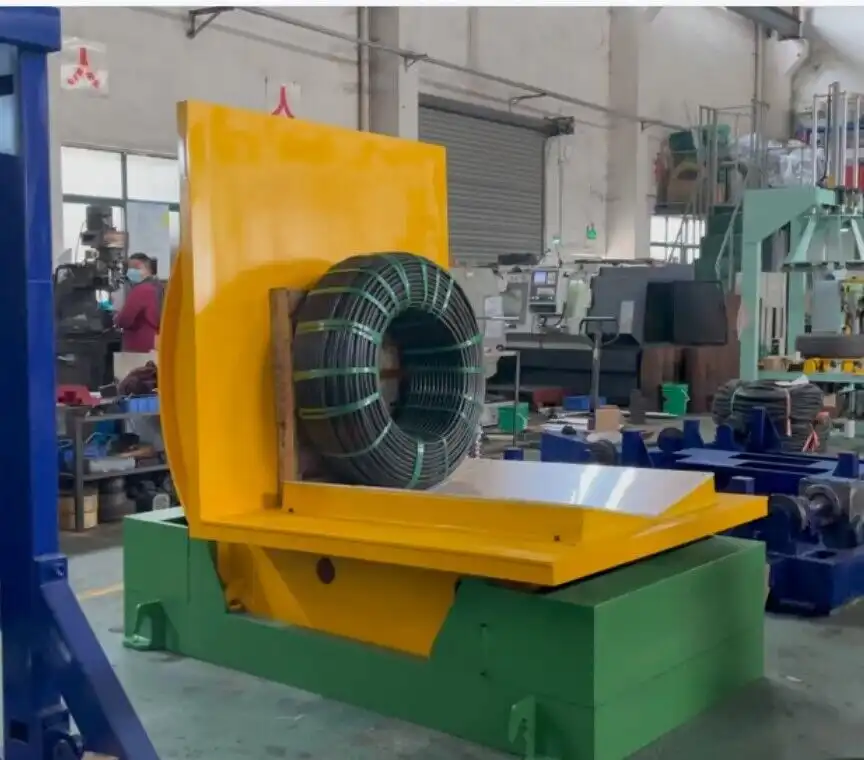
Incorporating a steel coil upender isn’t just an upgrade—it’s a transformation in how work gets done. Understanding its intricacies can shed light on how it enhances workflow.
Firstly, consider the common challenges we face in coil handling. Manual handling brings risks of injury and delays. Now, enter the upender. By flipping coils with mechanical precision, it eliminates awkward and hazardous manual positions. This mechanical help reduces worker fatigue, leading to fewer errors and injuries. For example, when a 500-kg coil needs turning, a manual process with human muscle alone is risky and time-consuming. Introducing the upender in such scenarios is like adding a turbocharger to a car. Efficiency rockets, and risks plummet.
Here’s a glimpse of what happens numerically:
| Factor | Manual Process | With Upender | Difference |
|---|---|---|---|
| Time to Position a Coil | 10 minutes | 3 minutes | 70% faster |
| Risk of Injury | High | Low | Significant reduction |
| Labor Requirement | 2 operatives | 1 operative | 50% less manpower |
These changes are not just theoretical. I’ve seen remarkable transformations firsthand in setups similar to what David might encounter in his company. It’s a game-changer for both process efficiency and safety, reflecting a progressive shift towards automated safety measures in the industrial sector.
3. What are the best practices for maintaining a steel coil upender?
Imagine your operations humming along smoothly, and suddenly, there’s a hiccup—a malfunction in your coil upender. Avoiding these moments is crucial, and that’s why regular maintenance is as imperative as the air we breathe in any industrial setting. Proper upkeep is key to performance.
To maintain a steel coil upender, conduct regular inspections, ensure components are well-lubricated, and keep electrical systems in check. Follow the manufacturer’s maintenance instructions diligently. Periodically train staff on maintenance techniques to ensure the longevity and reliability of the equipment. Adopting these best practices minimizes downtime and extends equipment lifespan.
Comprehensive Maintenance Strategies
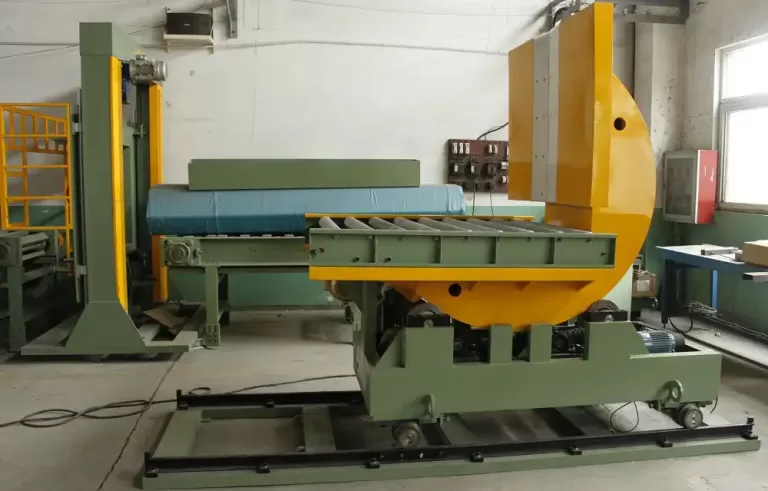
Maintenance isn’t just about fixing problems; it’s about preventing them. Here’s how you can adopt a thorough strategy:
Start by scheduling routine inspections. This prevents small issues from snowballing into bigger, costly problems. Examining mechanical, hydraulic, and electrical components regularly is crucial. Catching wear and tear early means you avoid sudden breakdowns.
Secondly, lubrication is your best friend. Regular application prevents excessive wear. This simple act keeps mechanical components working smoothly, avoiding friction-related damages.
Furthermore, focus extensively on electrical systems. Faulty wiring and components can lead to operational hiccups or even severe hazards. Checking connections and testing systems frequently ensures uninterrupted workflows.
But maintenance isn’t a one-person job. Equip your team with the knowledge and skills they need. Training sessions help staff recognize early signs of potential issues, encouraging a proactive maintenance culture. Here’s how the strategy should look:
| Maintenance Task | Frequency | Importance |
|---|---|---|
| Routine Mechanical Checks | Weekly | Prevents failure |
| Lubrication | Bi-weekly | Reduces friction |
| Electrical System Evaluation | Monthly | Ensures safety |
| Team Training Sessions | Quarterly | Skills updating |
Integrating these practices builds a reliable system where downtime is minimized, and productivity thrives. This structured approach to maintenance ensures that your investment in coil handling technology is protected and optimized for the long haul.
Conclusion
Adopting and maintaining steel coil upenders revolutionizes industrial productivity and safety. These machines significantly enhance workflow by eliminating manual handling risks and streamlining operations. Proper maintenance is non-negotiable, ensuring the machinery’s longevity and reliability. Together, these elements not only safeguard human resources but also improve operational efficiency, making them indispensable in the modern industrial landscape. Summarize the key points regarding the use and maintenance of steel coil upenders. Highlight their role in enhancing workplace productivity and safety.








