
Can Your Korean Plant Maximize Throughput with Inline Wrapping and Strapping Systems?
Are you a factory manager in Korea, constantly pushing for higher output? Do you face bottlenecks at the end of your production lines? Many plants struggle with slow, manual packing processes. This often hurts your overall production speed. It can also lead to higher costs and missed deadlines. If you are serious about improving your factory’s performance, you must look at every step. The final packing stage is often overlooked, but it holds huge potential for gains.
Inline wrapping and strapping systems can directly increase throughput in Korean plants. These automated solutions remove the need for slow, manual labor at the packing stage. They provide continuous, fast packaging for items like steel coils and wires. This means products move quickly from production to shipping. This keeps your entire operation running smoothly and efficiently.
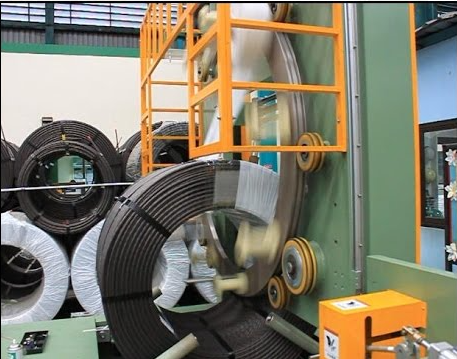
You likely came here because you know manual packing is a problem. But understanding the full impact on your business is key. Let us dive deeper into the specific challenges you face. We will also look at how modern packing technology offers clear solutions. Keep reading to see how these systems can transform your plant.
Are Manual Packing Lines Slowing Down Your Korean Plant?
Is your factory constantly battling slow packing speeds? Do heavy steel coils or wire bundles sit waiting for manual workers? This creates a massive bottleneck. It limits how much you can produce each day. It also increases the time it takes to get products to your customers. Your high-tech production machines run fast, but the packing line holds everything back.
Manual packing processes severely limit throughput in any factory, including modern Korean plants. They rely on human speed and effort. This means packing cannot keep up with high-speed production. It causes delays and reduces your overall output. Automated inline systems remove this human speed limit. They ensure a steady flow of finished goods.

Manual packing is a major bottleneck for many plants. I have seen this issue many times. When I started my first packing machine factory, I visited many clients. They all wanted to make more products. But their packing area was always a mess. Workers were rushing. Products were piling up. This slow process affects your bottom line in many ways. It reduces your ability to take on more orders. It adds to your labor costs. It can even lead to overtime pay. This is simply not sustainable for a competitive market. Modern Korean plants need to be fast. They need to be efficient. Relying on people to do very heavy, repetitive work for packing is outdated. It is also inefficient.
The True Cost of Manual Packing
Manual packing might seem cheap at first. You just pay wages. But consider the hidden costs. These costs quickly add up.
- Labor Costs: You need many workers for manual packing. Their wages, benefits, and training add up. When demand goes up, you need even more workers. This makes your costs variable and hard to control.
- Speed Limitations: Humans have physical limits. They cannot work as fast or as consistently as machines. This means your packing line sets the maximum speed for your whole factory. This is a big problem if your production machines are fast.
- Inconsistency: Human error is unavoidable. Packing quality can vary from worker to worker. It can also vary from shift to shift. This leads to issues with product appearance or protection.
- Space Requirements: Manual packing often needs large areas. You need space for workers, for moving products, and for staging. Automated systems are often more compact. They use space more efficiently.
How Inline Systems Boost Speed
Inline wrapping and strapping systems solve these problems. They integrate directly into your production line. This makes packing a seamless part of the flow.
- Continuous Flow: Products move from one process to the next without stopping. This is like a river. There are no dams or pools where products wait.
- High Speed: Machines work much faster than people. They can wrap and strap hundreds of coils or wire bundles per hour. This speed matches your production output.
- Consistency: Every package is wrapped and strapped the same way. This means better protection for your products. It also means a professional look for your customers.
- Reduced Labor: You need fewer workers for packing. They can focus on supervision or other value-added tasks. This cuts down your labor costs significantly.
In my experience, moving from manual to automated inline packing is one of the quickest ways to see a boost in output. One client, a steel wire manufacturer, used to have six people just for packing. After installing an inline system, they only needed two for oversight. Their output went up by 30% in the first month. This is the kind of change that truly maximizes throughput. It helps your Korean plant stay competitive.
Can Inline Systems Make Your Korean Factory Safer?
Are your workers constantly at risk from heavy lifting? Do you worry about serious injuries when moving steel coils or large wire bundles? Factory safety is not just a legal requirement. It is also about protecting your people. It is about creating a healthy workplace. Manual handling of heavy products is extremely dangerous. It leads to many workplace accidents.
Inline wrapping and strapping systems dramatically improve safety in your factory. They remove the need for manual handling of heavy items like steel coils. These machines do the heavy lifting, turning, and wrapping. This protects your workers from strain, crushing injuries, and falls. A safer workplace means fewer accidents and lower costs.
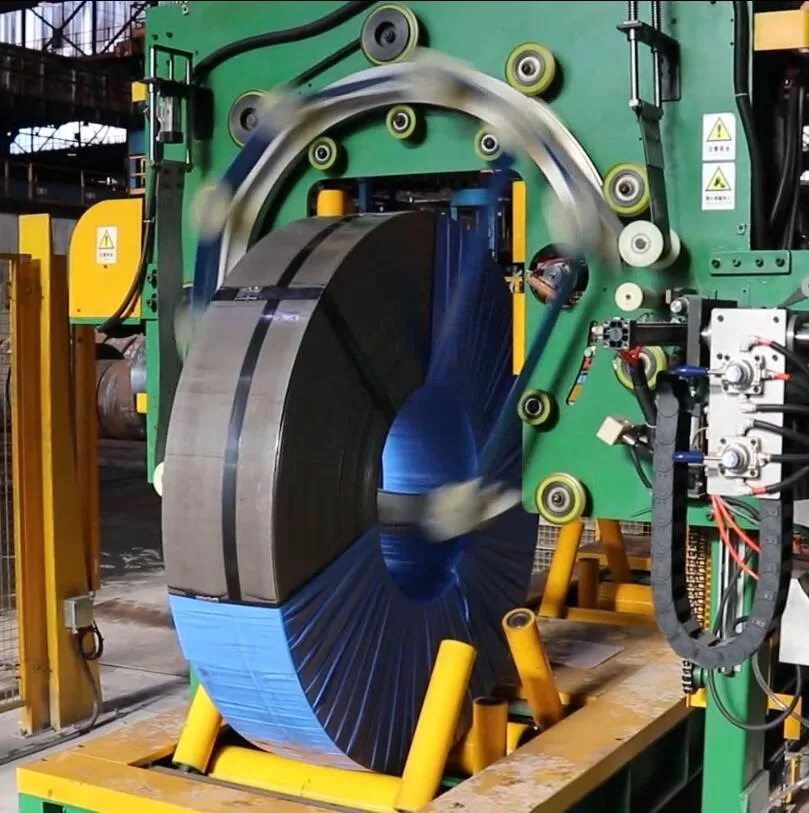
I have seen the impact of workplace injuries firsthand. When I was running my own factory, safety was always my top priority. An injured worker means pain for them and their family. It also means lost production for your factory. It means higher insurance premiums and more paperwork. In a busy plant, especially in industries like steel or metal processing, safety cannot be an afterthought. It must be built into every process. Manual methods for packing heavy items are simply not safe enough anymore. They expose your team to daily risks. This can lead to serious injuries. It also causes high employee turnover. No one wants to work in a place where they feel unsafe.
Understanding the Safety Risks
Manual handling of heavy products in manufacturing plants brings several risks:
| Risk Category | Description | Common Injuries |
|---|---|---|
| Ergonomic Strain | Repeated heavy lifting, bending, and twisting. | Back injuries, muscle strains, joint problems. |
| Impact/Crushing | Dropping heavy items or being struck by moving loads. | Fractures, lacerations, severe head/body trauma. |
| Falls | Tripping over items, slippery floors, or unstable loads. | Sprains, fractures, concussions. |
| Fatigue-Related | Long hours of demanding physical labor leading to mistakes. | Increased accident rates, reduced awareness. |
These risks are not just theoretical. They lead to real injuries. They lead to real costs. Workers compensation claims go up. Your insurance premiums rise. You lose skilled workers who leave for safer jobs.
How Automation Boosts Safety
Inline wrapping and strapping systems reduce these risks significantly. They use machinery to perform dangerous tasks.
- Eliminate Manual Lifting: Machines use conveyors, manipulators, and robotic arms. They move heavy coils and wire bundles. Workers do not need to lift or carry these heavy items. This prevents strains and impact injuries.
- Controlled Movement: Automated systems control the movement of products. There are no sudden drops or shifts. This reduces the risk of items falling or crushing workers.
- Guarding and Sensors: Modern packing machines have safety guards. They have sensors. These stop the machine if a worker gets too close. This prevents accidents.
- Ergonomic Workstations: Operators interact with control panels. They do not need to do heavy physical work. This creates a much safer and more comfortable working environment.
- Reduced Fatigue: With less physical strain, workers are less tired. This means fewer mistakes are made. It leads to a safer overall operation.
Investing in automation is an investment in your people. It shows you care about their well-being. This can also improve morale. Happier, safer workers are more productive. This contributes directly to higher throughput. For Korean plants that pride themselves on efficiency and advanced technology, safety through automation is a clear path forward.
Are You Losing Profit from Product Damage in Shipping?
Are your perfectly manufactured steel coils or wire products arriving at customers damaged? Do you often get complaints about scratches, dents, or deformed edges? Product damage is more than just an annoyance. It eats directly into your profits. Every damaged item means a loss. It means reworks, returns, or even losing a customer for good.
Inline wrapping and strapping systems protect your products from damage. They provide consistent, tight, and secure packaging. This prevents movement and rubbing during transport. It reduces the risk of external impact. This ensures your products reach your customers in perfect condition. This saves you money and protects your reputation.

I have seen many clients struggle with product damage. It is a common problem, especially for heavy industrial goods. Imagine you just finished making a perfect batch of steel coils. You spent time and money on quality. Then, during the manual packing process, an edge gets dinged. Or the wrapping is loose. This damage might seem small. But it adds up. It leads to customer complaints. It leads to rejected shipments. This directly affects your profit margins. No plant, especially one in a competitive market like Korea, can afford to lose money on damaged goods. Your packaging is the last line of defense for your product. It needs to be strong. It needs to be reliable.
The Hidden Costs of Product Damage
The cost of product damage goes beyond the value of the damaged item.
- Rework and Scrap: Damaged products often need to be reworked or scrapped. This wastes raw materials. It wastes labor. It wastes machine time.
- Shipping Costs: You might have to pay for return shipping. Then you pay for re-shipping a new product. This doubles your transport costs.
- Customer Dissatisfaction: Damaged goods lead to unhappy customers. They might look for other suppliers. This means lost future business.
- Reputation Damage: A reputation for delivering damaged goods can hurt your brand. It makes it harder to attract new customers.
- Administrative Overhead: Handling complaints, returns, and insurance claims takes time. It takes resources away from more productive tasks.
How Inline Systems Protect Your Investment
Automated inline wrapping and strapping systems provide superior product protection.
- Consistent Wrapping Tension: Machines apply wrapping material with consistent tension. This creates a tight, secure package. It prevents the product from shifting inside the wrap.
- Optimal Material Usage: Systems can be programmed to use the right amount of wrapping material. This ensures full coverage and protection. It also prevents waste.
- Precision Strapping: Straps are applied tightly and evenly. This adds extra security. It holds the product firmly in place. This prevents movement that could cause damage during transit.
- Reduced Handling: Since products are packed inline, there is less manual handling. Every time a product is touched by hand, there is a risk of damage. Automation removes this risk.
- Customized Solutions: Systems can be designed to match your specific product. This ensures the best protection for items like delicate wire edges or heavy steel coil surfaces.
My personal story on this is clear. I had a client who was losing almost 5% of their product value to transit damage. We worked together. We installed an automated wrapping system. Within months, their damage rate dropped to less than 0.5%. That saved them hundreds of thousands of dollars each year. This is how inline systems directly contribute to your factory’s profitability. They ensure your high-quality products arrive as high-quality products.
How Do You Find the Right Automation Partner for Your Plant?
Have you had bad experiences with equipment suppliers in the past? Did they focus only on making a sale and then disappear when you needed support? Finding the right partner for automation is crucial. You are not just buying a machine. You are investing in a solution. You need someone who understands your factory’s specific challenges. You need a partner who will stand by their product.
Finding a trustworthy automation partner means looking beyond just the price tag. You need a supplier with deep industry knowledge. They must understand your production bottlenecks, safety concerns, and efficiency goals. A true partner offers expert insights and reliable, long-term support. They help you choose the right system and ensure it works well in your specific plant environment.
As a packing machine engineer who started as an employee and then built my own factory, I know what it takes to succeed. I also know what it means to be a good partner. Many times, clients come to me after working with other suppliers. These suppliers just wanted to sell a machine. They did not care about the client’s real problems. They offered no support after the sale. This leaves you stuck with a machine that does not work. Or a machine that does not solve your problems. This is why choosing the right partner is just as important as choosing the right machine.
Traits of a Reliable Automation Partner
Here are some key things to look for in a good supplier:
- Deep Industry Knowledge: Do they understand your specific products (e.g., steel coils, wires)? Do they know your industry’s standards and challenges? They should speak your language.
- Problem-Solving Focus: Do they ask about your pain points? Do they offer solutions tailored to your needs? Or do they just try to sell you a standard machine? A good partner helps you solve problems.
- Proven Track Record: Can they show you examples of their work? Do they have good testimonials? Look for companies with many years of experience and successful installations.
- Comprehensive Support: What kind of after-sales service do they offer? Do they provide installation, training, maintenance, and spare parts? Good support is vital for long-term success.
- Transparent Communication: Are they clear about costs, timelines, and capabilities? Do they answer your questions fully? Honest communication builds trust.
- Innovation and Customization: Do they offer flexible solutions? Can they modify systems to fit your unique factory layout or product requirements?
Building a Lasting Partnership
Choosing a partner like FHOPEPACK means you get more than just a machine. You get a relationship built on trust and shared goals. I built FHOPEPACK on the idea of giving back. My journey in the packing machine industry helped me achieve financial independence. It helped many of my clients grow their businesses too. Now, I want to share that expertise.
When you work with FHOPEPACK, you gain access to my experience. I know what it takes to set up a packing line that truly works. I know how to make it efficient. I know how to make it safe. We do not just sell machines. We help you find the best way to integrate them. We train your staff. We provide ongoing support. We work with you to ensure your investment has a clear ROI.
For your Korean plant, finding a partner who understands your push for global competitiveness is key. You need someone who helps you not only install a machine but truly transforms your operations. That is the FHOPEPACK promise. We are here to help you succeed.
My Insights!
After years in the packing machine industry, I have seen many factories grow and many struggle. The difference often comes down to how they handle the end of their production line. Packing is not just an afterthought. It is a critical part of your overall efficiency and profitability.
I have helped many clients, from small family businesses to large corporations. The core challenges are always the same: speed, safety, and cost. Automation is not just a trend. It is a necessity for any plant aiming to maximize throughput. Especially in competitive markets like Korea, you need every edge you can get. Investing in inline wrapping and strapping systems offers that edge. It is a smart move for any factory manager looking to improve operations. It frees up your valuable human resources. It protects your products. It ensures your plant can handle growing demand. Think of it not as an expense, but as a strategic investment in your future.
Conclusion
Inline wrapping and strapping systems boost throughput, enhance safety, and reduce damage. This leads to higher profits and a more competitive plant.








