
Optimizing Steel Coil Strapping: What’s the Real Difference in Maintenance and Lifespan Between PET and Steel Strapping Machines?
The world of steel coil packaging is complex and demanding. I know this firsthand from my journey, from an employee on the factory floor to founding FHOPEPACK. One of the most critical decisions facing production directors like Ivan Petrov, who manage hundreds of tons of steel coils daily, is choosing the right strapping technology. Inefficient or unreliable strapping can lead to costly delays, damaged goods, and unhappy customers. We often hear questions about the longevity and upkeep of different machines. Is there a clear winner when it comes to the maintenance and lifespan of PET versus steel strapping machines for heavy-duty steel coil applications? This question holds significant weight for operational efficiency and long-term cost-effectiveness.
For steel coil strapping, PET (Polyester) strapping machines generally require less intensive routine maintenance compared to steel strapping machines, primarily due to fewer moving parts involved in tensioning and sealing and the absence of high-temperature welding components. However, steel strapping machines are built for extreme durability and often have a comparable or even longer overall operational lifespan in harsh industrial environments, provided they receive meticulous, scheduled maintenance to address wear on heavy-duty components and intricate sealing mechanisms. The choice hinges on balancing the frequency and complexity of maintenance tasks against the desired longevity and robust performance under continuous, high-stress conditions common in steel mills.
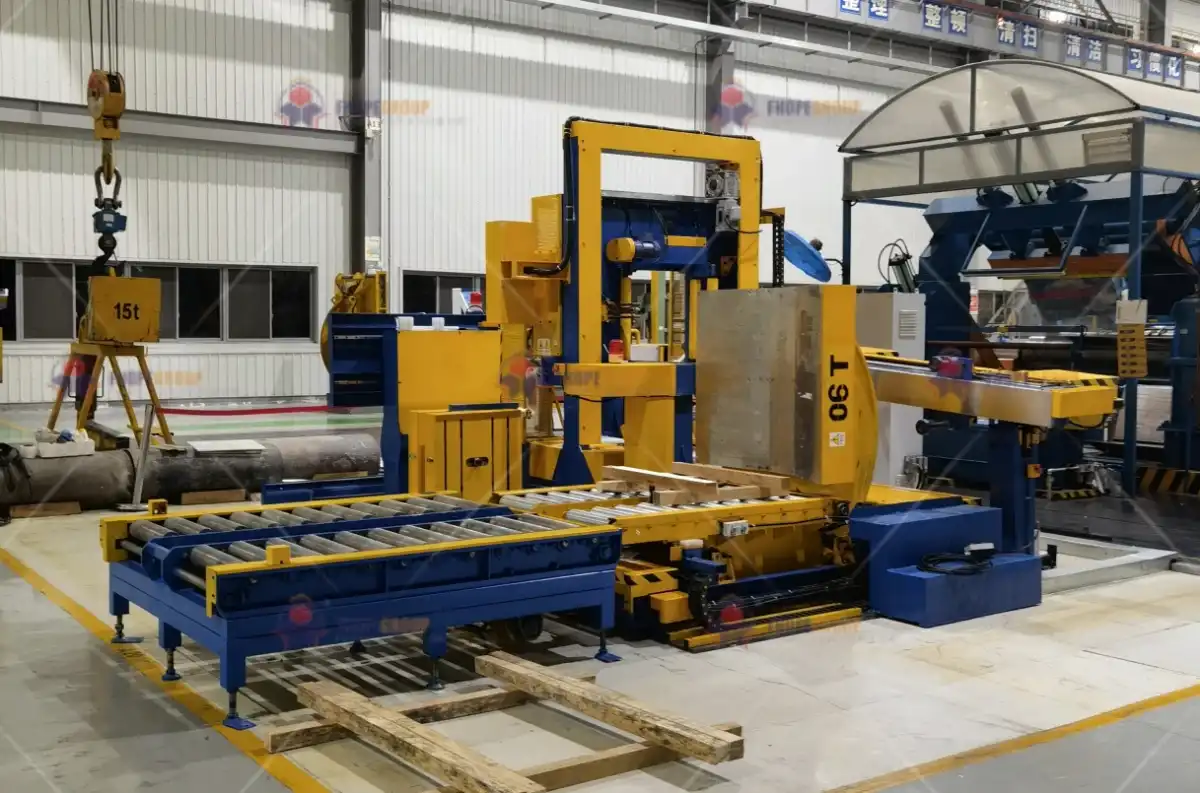
Making the right choice between PET and steel strapping machines is not just about the initial investment. It involves understanding the long-term implications for your production line, from daily operational costs to the overall lifespan of the equipment. Let’s dive deeper into the specifics of each technology to help you make an informed decision for your steel coil packaging needs.
Understanding the Core Technologies: How Do PET and Steel Strapping Machines Differ in Operation?
Are you wondering how PET and steel strapping machines actually work, and how these fundamental differences influence their upkeep? Many clients, especially those looking to upgrade their coil packing lines, start by asking about the basic operational mechanics. The way these machines apply and secure the strap directly affects their structural integrity and future maintenance schedules. Understanding this initial distinction is key to predicting long-term performance and reliability in a busy steel plant.
PET strapping machines operate by friction welding or heat sealing plastic polyester straps around a steel coil, relying on simpler mechanical components for tensioning and using heat or vibration to create a strong seal. In contrast, steel strapping machines utilize heavy-duty mechanical jaws to tension and then crimp or notch metal seals onto high-tensile steel straps, a process that demands robust components capable of handling significant forces and wear.

When we look at the foundational engineering of these two strapping technologies, their operational differences become clear. These distinctions are not merely academic; they directly translate into varying requirements for maintenance, types of wear and tear, and overall machine lifespan in the demanding environment of a steel mill.
-
PET Strapping Machine Operations:
- Mechanism: PET strapping machines feed a polyester strap around the steel coil, tension it, and then join the strap ends using friction or heat welding. The process is generally quieter and involves fewer high-impact forces.
- Components: Key components include a strap feeding system, a tensioning unit (often pneumatic or electric), and a welding head (either friction or thermal). The relative simplicity means fewer parts are under extreme stress.
- Strap Material: Polyester strap is lighter and more flexible than steel, reducing wear on feeding and tensioning mechanisms. It adapts well to coil contours.
- Impact on Lifespan: The reduced mechanical stress from lighter strapping material and simpler sealing methods often leads to less component fatigue over time. This design can contribute to a smoother operation with fewer sudden breakdowns, assuming proper environmental controls. (PET strapping technology, friction welding, thermal sealing)
-
Steel Strapping Machine Operations:
- Mechanism: Steel strapping machines feed a steel strap, tension it to extreme levels, and then secure it using a metal seal crimped into place or a notch formed by the machine itself. This is a powerful, high-force operation.
- Components: Essential parts include heavy-duty strap feeders, a robust tensioning system (often hydraulic or pneumatic), and a high-strength sealing head designed to crimp or notch thick steel seals. These components are engineered to withstand immense pressure.
- Strap Material: Steel strap, being rigid and heavy, places significant strain on all contact surfaces, feeders, and cutters. The machine must be built to handle this inherent material toughness.
- Impact on Lifespan: The constant application of high tension and impact during sealing means that components are subjected to substantial wear. The design prioritizes strength and rigidity to endure these forces, but this also means that when wear does occur, it can be more severe. Proper material selection for these components is crucial for longevity. (Steel strapping mechanism, high tensioning, metal seals, component wear)
-
Environmental Considerations:
- Dust and Debris: Steel mills are dusty environments. PET machines, with their simpler sealing heads, can be less susceptible to welding issues caused by fine metal dust. However, dust can still clog moving parts.
- Temperature: High ambient temperatures in steel plants can affect both plastic strap properties and hydraulic systems in steel strapping machines. PET straps can become more pliable, while hydraulic fluids may degrade faster.
- Moisture: Moisture is a constant threat. While both machines need protection, corrosion can be a significant issue for steel machine components if not properly maintained, impacting their operational precision and lifespan. (Industrial environment impact, dust accumulation, temperature effects, corrosion protection)
Unpacking Maintenance Needs: What Are the Key Service Requirements for Each Machine Type?
How often do you really need to service a PET strapping machine compared to a steel strapping machine? For production directors like Ivan, balancing output with machine uptime is critical. Unplanned downtime for maintenance can halt an entire production line, leading to missed targets and increased operational costs. Knowing the specific service requirements for each type of machine is essential for planning preventative maintenance schedules and allocating resources effectively. Let’s look at what each machine truly demands to keep running smoothly.
PET strapping machines typically demand less frequent and less complex routine maintenance, focusing primarily on cleaning the welding head, inspecting strap guides, and ensuring proper tensioning mechanisms. In contrast, steel strapping machines require more rigorous and frequent maintenance, including regular inspection and replacement of high-wear parts in the tensioning and sealing units, lubrication of heavy-duty components, and meticulous calibration to sustain high performance under extreme operational loads.
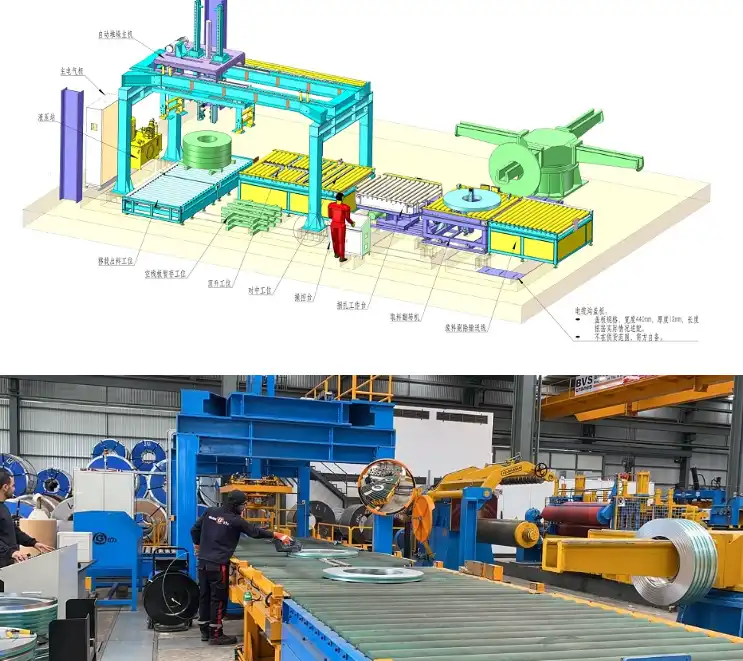
When we delve into the actual maintenance requirements, the differences between PET and steel strapping machines become quite pronounced. These distinctions are not just about the type of task but also the frequency, complexity, and specialized skills needed. As a company dedicated to providing comprehensive packing solutions, FHOPEPACK understands that proactive maintenance is the cornerstone of reliability.
-
PET Strapping Machine Maintenance:
- Routine Cleaning: The welding head (friction or thermal) is the primary area for routine cleaning. Plastic residue can build up, affecting seal integrity. This usually involves simple brushes or scrapers.
- Component Inspection: Regular checks on strap guides, cutting blades, and tensioning roller surfaces are standard. These parts experience wear, but often less aggressively than in steel machines.
- Lubrication: Minimal lubrication is typically required for specific moving parts, usually light oil or grease, at less frequent intervals.
- Wear Parts: Common wear parts include the welding jaw inserts, cutting blades, and feed wheels. These are generally easier and less expensive to replace compared to their steel strapping counterparts.
- Complexity: Maintenance tasks are often simpler and can be performed by in-house technicians with basic training. (PET machine upkeep, routine cleaning, wear parts replacement, lower complexity)
-
Steel Strapping Machine Maintenance:
- High-Wear Parts Focus: The tensioning jaws, cutting blades, and sealing components (crimping dies or notching blades) are under constant, extreme stress. These require frequent inspection, adjustment, and replacement.
- Lubrication Schedule: Due to the heavy-duty nature and high forces involved, a stringent lubrication schedule for gears, bearings, and hydraulic components is essential to prevent premature wear and ensure smooth operation.
- Calibration: The precision of the tensioning and sealing mechanisms is vital for strap security. Regular calibration ensures consistent performance and prevents loose or overtightened straps, which can lead to product damage or machine stress.
- Hydraulic/Pneumatic Systems: For machines using these systems, regular checks for leaks, fluid levels, and filter changes are critical. These systems are powerful but also require careful management.
- Complexity: Maintenance often involves heavier components, requires specialized tools, and sometimes more skilled technicians due to the intricate nature of the tensioning and sealing heads. (Steel machine service, heavy-duty parts, precise calibration, skilled technicians)
-
Preventative Maintenance Strategies:
- Scheduled Downtime: Both machines benefit from planned downtime. For steel strapping machines, these intervals might need to be shorter or more comprehensive due to the high-stress operations.
- Spare Parts Inventory: Maintaining a ready inventory of critical wear parts is important for both. However, the cost and lead time for specialized steel strapping machine components might be higher.
- Training: Investing in proper training for maintenance staff is crucial. While PET machines are simpler, incorrect maintenance can still lead to issues. For steel strapping machines, expert knowledge extends their lifespan significantly. (Preventative maintenance, spare parts management, technician training, operational uptime)
Evaluating Lifespan and Durability: Which Strapping Technology Stands the Test of Time for Heavy-Duty Use?
When a steel plant operates 24/7, like Ivan’s, the question of machine lifespan isn’t just about years; it’s about reliable operational hours. Can a PET strapping machine truly match the raw durability of a steel strapping machine in an environment that constantly tests equipment limits? This is a core concern for long-term planning and capital investment. We need to look beyond the surface and consider the design philosophies and material choices that dictate how long these workhorses can keep strapping thousands of tons of steel coils.
While PET strapping machines generally benefit from less abrasive operation, leading to a potentially longer lifespan for certain components, steel strapping machines are engineered from the ground up for extreme durability and continuous heavy-duty use in harsh industrial environments. Their robust construction with heavy-gauge steel and powerful mechanics is specifically designed to withstand the high forces and demanding cycles inherent in steel coil strapping, often resulting in a comparable or even superior overall operational lifespan when properly maintained.
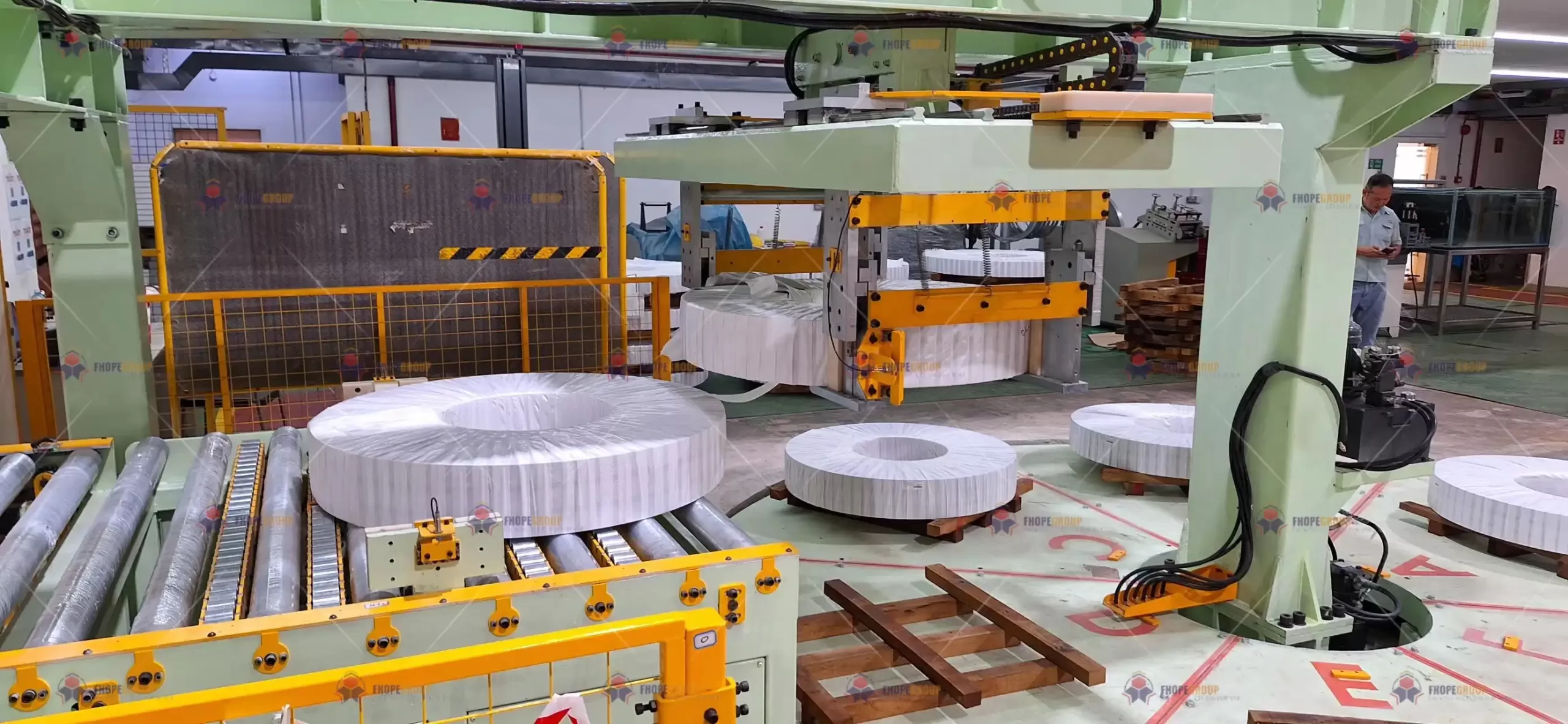
When clients ask me about the true lifespan of these machines, I always explain that it’s a multifaceted answer. It depends not just on the technology itself, but also on the operating conditions, the quality of manufacturing, and, crucially, the diligence of maintenance. At FHOPEPACK, we design our machines to offer optimal durability, recognizing the demanding nature of industrial applications.
-
Factors Influencing Lifespan:
- Build Quality: A high-quality machine, regardless of technology, will always outlast a cheaper, poorly constructed one. For steel strapping, this means heavy-gauge steel frames and precision-machined components. For PET, robust materials around the welding head are key.
- Operating Environment: High dust, extreme temperatures, and moisture can significantly shorten the life of any machine. Enclosures and proper ventilation help. The abrasive nature of steel dust is particularly harsh on moving parts.
- Maintenance Regimen: As discussed, consistent and correct maintenance is paramount. Neglecting routine service is the fastest way to reduce a machine’s lifespan, irrespective of its original design.
- Throughput and Cycle Rate: A machine constantly running at its maximum capacity will naturally experience more wear and tear than one operating below its limits. Steel strapping machines are built to handle high throughputs. (Machine quality, environmental factors, maintenance impact, operational intensity)
-
Durability of PET Strapping Machines:
- Less Abrasive Action: Since PET strap is softer, it causes less abrasion on guides and rollers. The welding process is also less mechanically impactful than crimping or notching.
- Component Materials: While generally robust, some components might not be built for the same level of sheer force as those in steel strapping machines. This is a trade-off for their operational elegance.
- Potential for Extended Life: With proper care, a well-built PET strapping machine can offer an impressive lifespan, often measured in years of continuous operation, especially where cleanliness and consistent strap quality are maintained. (PET machine abrasion, component strength, long-term operation, consistent quality)
-
Durability of Steel Strapping Machines:
- Heavy-Duty Construction: These machines are typically constructed with thicker steel frames and more robust components designed to withstand constant high tension and impact. This inherent strength contributes greatly to their lifespan.
- Resilience in Harsh Conditions: Steel strapping machines are often preferred in the most challenging environments precisely because of their ability to endure heavy loads, dust, and temperature fluctuations with fewer issues, provided the maintenance schedule is followed.
- Component Lifecycles: While wear parts might need replacement more often, the core structure and major assemblies are designed for extremely long service lives, often exceeding a decade even under intense two-shift operations. My experience shows that with good engineering, like ours at FHOPEPACK, these machines are truly built to last. (Steel machine robustness, industrial resilience, extended service life, engineering quality)
Cost Implications Beyond Purchase: How Do Operational Costs and Downtime Impact the Total Ownership of PET vs. Steel Strapping Machines?
Beyond the initial price tag, what hidden costs might be lurking that could impact your steel coil packaging budget? For a production director focused on efficiency and cost reduction, like Ivan, understanding the full spectrum of operational costs, including energy consumption, spare parts, and the dreaded downtime, is crucial. It’s not just about what you pay upfront, but what you pay every single day for years to come. Let’s break down how these factors truly influence the total cost of ownership for both PET and steel strapping machines.
The total cost of ownership for PET strapping machines is often lower due to reduced material costs, simpler and less frequent maintenance, and lower energy consumption for sealing. In contrast, steel strapping machines, while providing superior security, typically incur higher operational costs from more expensive steel strapping material, more frequent replacement of heavy-duty wear parts, and potentially higher energy usage for tensioning and sealing. Crucially, the cost of unexpected downtime, while a risk for both, can be more financially impactful with steel strapping machines due given their integration into high-volume, continuous production lines.
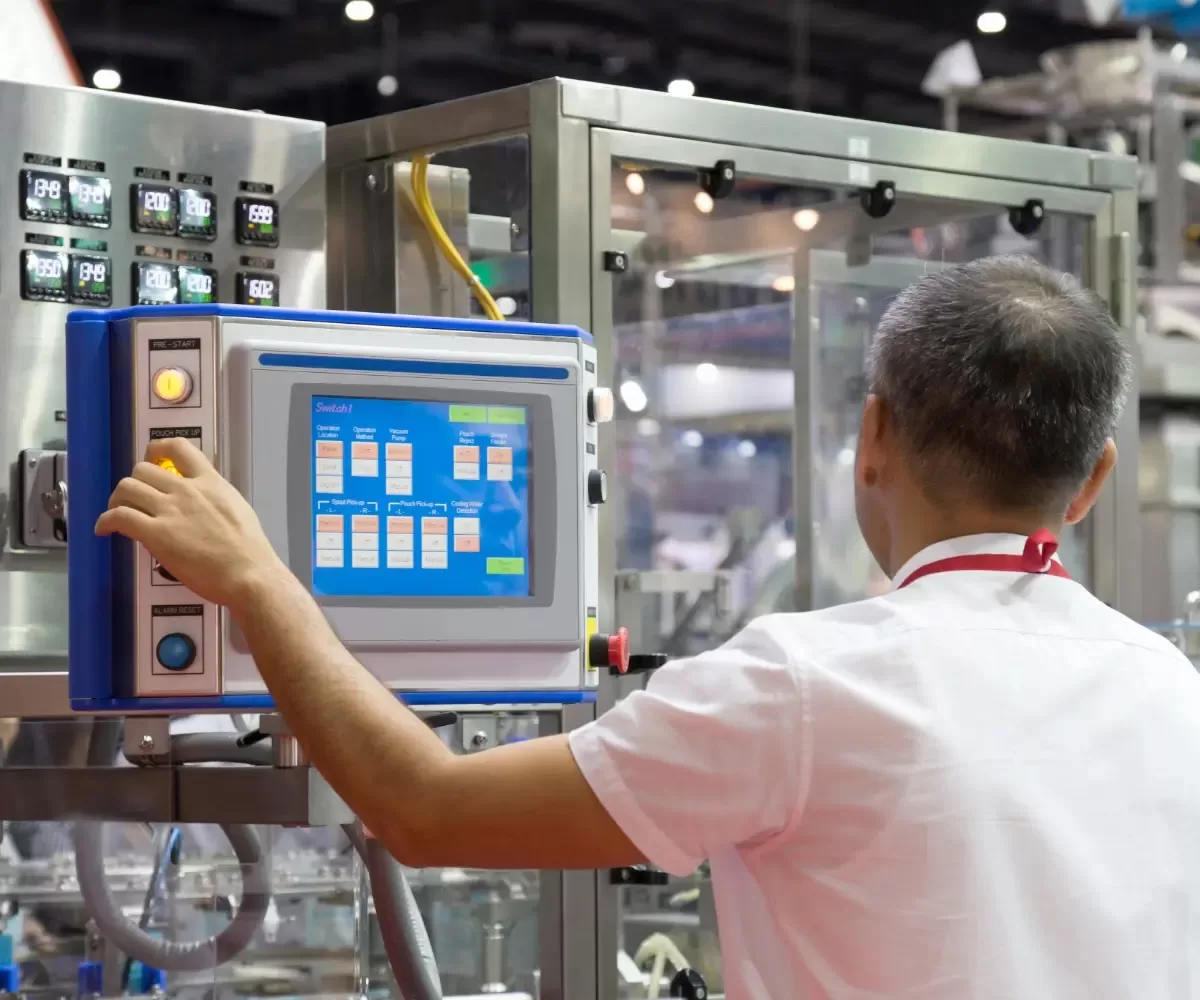
My journey in the packing machine industry has taught me that the true cost of any equipment extends far beyond its purchase price. At FHOPEPACK, we always encourage our clients to consider the total cost of ownership (TCO). This comprehensive view includes not only the initial investment but also operational expenses, maintenance, and the often-overlooked cost of downtime.
-
Material Costs:
- PET Strap: Generally, PET strap is more cost-effective per meter than steel strap. This can lead to significant savings, especially for operations with high daily throughput. Its elastic recovery also means less material might be needed for a secure pack.
- Steel Strap: While incredibly strong, steel strap is typically more expensive. The cost can add up quickly, becoming a major operational expense for high-volume steel coil packaging. (Strapping material expense, PET cost-efficiency, steel strap pricing, volume impact)
-
Energy Consumption:
- PET Strapping Machines: These machines typically consume less energy. Friction welding or heat sealing requires power, but the overall mechanical forces involved are lower.
- Steel Strapping Machines: High-tensioning systems, especially hydraulic or pneumatic units, and the powerful sealing mechanisms demand more energy to operate. This can translate to higher electricity bills over time, especially in a 24/7 operation. (Energy efficiency, power usage comparison, operational electricity costs)
-
Maintenance and Spare Parts Costs:
- PET Strapping Machines: As discussed, routine maintenance is simpler, and wear parts (like welding jaws or simpler cutting blades) are generally less expensive to purchase and replace. Labor costs for maintenance might also be lower due to less specialized requirements.
- Steel Strapping Machines: The heavier, more robust wear parts, along with the need for more frequent and specialized maintenance, can lead to higher ongoing costs. Components like heavy-duty tensioning jaws or specialized sealing dies are often more expensive and might have longer lead times, impacting your spare parts inventory management. (Maintenance expense, spare parts pricing, labor costs for service)
-
Cost of Downtime:
- Both Technologies: Any unplanned machine downtime means a halt in production, which is directly linked to lost revenue, missed deadlines, and potential contractual penalties. For Ivan’s steel plant, with hundreds of tons moving daily, even a few hours of downtime can be incredibly costly.
- Impact: While PET machines might have simpler repairs, a critical failure can still cause significant disruption. Steel strapping machines, despite their robustness, can experience severe component failures if maintenance is neglected, leading to extended downtime for complex repairs or parts replacement. Ensuring reliable suppliers like FHOPEPACK, SHJLPACK, or CNBHPAC, who offer excellent after-sales support and spare parts, is crucial for mitigating these risks. (Production halt, revenue loss, penalty costs, supplier reliability)
Safety, Performance, and Automation: Which Strapping Solution Best Meets Modern Steel Plant Demands?
In today’s advanced steel plants, like the one Ivan manages, the choice of a strapping machine goes beyond just applying a strap. It’s about integrating safety, ensuring consistent performance across diverse products, and seamlessly fitting into an automated production line. Which technology – PET or steel strapping – truly offers the best balance for these modern demands, especially when dealing with varied coil types, safety concerns, and the need for higher automation? This is a critical question for operational excellence and worker well-being.
For modern steel plant demands, PET strapping machines often offer enhanced worker safety due to easier handling and less recoil risk, alongside consistent performance for a range of coil types, and simpler integration into automated lines due to lighter strap and less complex sealing. However, steel strapping machines provide superior ultimate break strength and rigidity, which can be critical for the heaviest steel coils or specific export requirements, necessitating robust safety measures and precision automation despite their inherent complexities.
When I work with clients to design or upgrade their coil packing lines, we always prioritize safety, performance, and automation capabilities. My experience has shown me that the ideal solution often involves a careful assessment of the specific needs of the steel plant, the types of coils being produced, and the long-term strategic goals.
-
Worker Safety:
- PET Strapping: PET strap is significantly safer to handle. It has no sharp edges and, if it breaks under tension, it tends to recoil with less force than steel strap, reducing the risk of worker injury. This is a huge benefit in a busy packing area where manual intervention might still occur.
- Steel Strapping: Steel strap has sharp edges and can recoil with extreme force if improperly handled or if tension is released suddenly. This necessitates stricter safety protocols, specialized tools, and often requires machinery to minimize direct human contact during the strapping process. At FHOPEPACK, we design our steel strapping solutions with multiple safety interlocks and protective guarding to mitigate these risks. (Worker injury risk, strap handling safety, recoil danger, safety protocols)
-
Performance and Packaging Quality:
- PET Strapping: PET offers good elasticity and shock absorption, making it excellent for securing coils during transit, especially when combined with moisture-proof wrapping. It resists rust and corrosion, which is a key requirement for galvanized and color-coated coils. Its consistent tension application is vital for export standards.
- Steel Strapping: Provides superior break strength and rigidity, making it ideal for the heaviest and most demanding steel coils, ensuring maximum load stability. For certain applications or extremely rough handling during shipping, steel strap offers an unparalleled level of security. It is the go-to for many traditional heavy industrial applications. (Package integrity, load stability, transport security, material strength)
-
Automation Integration:
- PET Strapping Machines: These machines are often easier to integrate into fully automated coil packing lines. Their lighter strap and simpler sealing mechanisms mean less complex automation components are needed for feeding and handling. They can be seamlessly combined with wrapping machines, labeling, and stacking systems to create a cohesive automated solution. This is a major focus for clients like Ivan, who seek a full “Coil Packing Line.”
- Steel Strapping Machines: While automation is definitely achievable, the heavy nature of the strap and the high forces involved in tensioning and sealing require more robust and complex automation components. The integration needs careful engineering to ensure smooth, continuous operation, especially when dealing with variable coil dimensions and weights. FHOPEPACK excels at designing these intricate integrated systems, providing turnkey solutions that incorporate handling, stacking, and various strapping technologies. (Automated lines, system integration, robotic handling, full packing solution)
Conclusion
Choosing between PET and steel strapping machines for steel coils involves balancing operational efficiency, safety, and long-term costs. While PET offers simpler maintenance and enhanced safety, steel provides unmatched strength for heavy-duty needs. For the best solution, consider your specific coil types, production volume, and desired automation level. FHOPEPACK specializes in customizing robust, reliable solutions, ensuring your investment in a coil packing line delivers maximum value and operational excellence.








