
Are you in the market for coil packaging equipment but stuck at the crossroads of leasing versus buying? It’s a dilemma faced by many businesses, and the right choice can significantly impact your operational efficiency and financial health. Making the wrong decision could tie up crucial capital or leave you with outdated machinery.
Deciding whether to lease or buy coil packaging equipment hinges on several factors including your budget, how long you plan to use the equipment, and your company’s approach to technological upgrades. Leasing often means lower upfront costs and greater flexibility, while buying builds equity and can offer long-term savings and tax advantages. This guide dives deep into the pros and cons of each option to help you make an informed decision.
Let’s explore the critical aspects of financing coil packaging equipment to determine the best path forward for your business.
Financing Terms Comparison for Coil Packaging Equipment
Navigating the financial landscape of equipment acquisition can be daunting. Understanding the upfront investment, monthly expenditures, and long-term financial implications is crucial when choosing between leasing and buying coil packaging machinery. The initial financial outlay can be a significant hurdle for many businesses.
When comparing financing terms for coil packaging equipment, leasing typically requires lower upfront costs with minimal to no down payment and potentially smaller monthly payments initially. Buying, conversely, demands a significant initial investment, often including a down payment and potentially higher monthly payments, but builds equity and can lead to lower overall costs over the equipment’s lifespan. Understanding these differences is key to aligning your equipment acquisition with your financial strategy.
To make a truly informed decision, we need to dissect the specifics of each financing route.
Decoding the Costs: Leasing vs. Buying Coil Packaging Equipment
Choosing the right financing for your coil packaging equipment is a strategic decision with both immediate and long-term financial implications. It’s not just about the sticker price; it’s about understanding the total cost of ownership versus the cost of access. Let’s break down the financial components of leasing and buying to provide a clearer picture.
Upfront Costs: The Initial Investment
The most immediate difference between leasing and buying lies in the upfront costs.
- Leasing: Often requires minimal to no down payment. You might face a security deposit or the first month’s payment, but these are significantly less than the down payment required when buying. This makes leasing attractive for businesses seeking to conserve capital.
- Buying: Typically necessitates a substantial down payment, often ranging from 10% to 20% of the equipment’s total cost. This can be a considerable cash drain, especially for smaller businesses or those with tight budgets.
Monthly Payments: Short-Term vs. Long-Term Outlay
Monthly payments are the ongoing financial commitment you’ll need to manage.
- Leasing: Monthly lease payments can sometimes be lower than loan payments for buying, especially in the initial years. However, these payments continue throughout the lease term and do not contribute to ownership.
- Buying: Loan payments when buying equipment are usually higher in the short term, particularly if you opt for a shorter loan duration to build equity faster. However, once the loan is paid off, your monthly expense for the equipment essentially disappears (excluding maintenance and operational costs).
Long-Term Financial Implications: Equity vs. Ongoing Expense
The long-term financial consequences are where leasing and buying diverge most significantly.
- Leasing: In the long run, leasing tends to be more expensive than buying. You’re essentially paying for the use of the equipment over a specific period, and at the end of the lease, you own nothing unless you exercise a purchase option, which often involves another significant payment.
- Buying: Buying builds equity. Each loan payment increases your ownership stake in the equipment. Once the equipment is fully paid for, it becomes an asset on your balance sheet. While there’s the initial higher cost, the long-term cost is capped at the purchase price plus interest, and you retain the asset’s value (and potential resale value).
To illustrate these differences, consider a hypothetical scenario:
| Financial Terms | Leasing | Buying |
|---|---|---|
| Equipment Cost | $100,000 | $100,000 |
| Down Payment | $0 | $20,000 (20%) |
| Monthly Payment (3 years) | $2,800 | $2,500 |
| Total Cost (3 years) | $100,800 ($2,800 x 36 months) | $110,000 ($20,000 + ($2,500 x 36 months)) |
| Ownership at End | Option to purchase at fair market value | Full Ownership |
| Long-Term Cost Trend | Continues as long as you lease | Ceases after loan repayment |
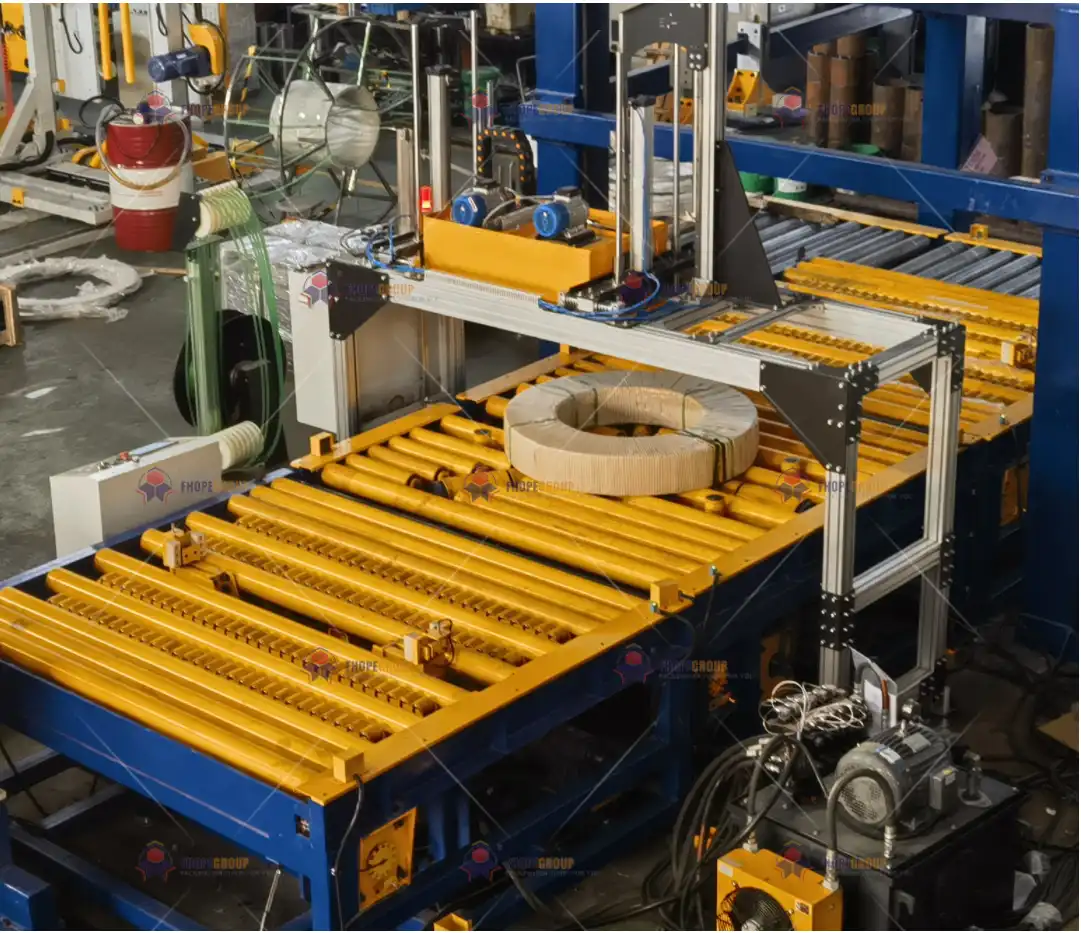
This table highlights that while leasing may appear slightly cheaper monthly in this example, the total cost over the lease term can be comparable, and you gain no asset at the end without further payment. Buying, though initially more expensive due to the down payment, leads to ownership and a finite payment period. The best choice depends heavily on your business’s cash flow, long-term strategy, and accounting preferences.
Tax Implications: Leasing vs. Buying Coil Packaging Equipment
Tax considerations are a major factor in the lease-versus-buy decision for coil packaging equipment. The IRS treats leased and purchased equipment differently, impacting your deductions, depreciation, and overall tax liability. Understanding these nuances can lead to significant financial advantages depending on your choice.
Leasing coil packaging equipment allows businesses to deduct lease payments as operating expenses, offering consistent annual tax deductions. Buying equipment, however, unlocks depreciation deductions, Section 179 expensing, and bonus depreciation, potentially providing larger tax savings, especially in the early years of ownership, along with interest expense deductions if financed. The optimal tax strategy depends on your business’s profitability, tax bracket, and long-term financial planning.
Let’s delve into the specific tax benefits and drawbacks of each approach.
Navigating Tax Benefits: Depreciation, Deductions, and More
The tax implications of leasing and buying coil packaging equipment are multifaceted and can significantly influence your bottom line. Both options offer tax advantages, but they operate differently and cater to different financial scenarios.
Tax Benefits of Leasing: Operational Expense Deductions
Leasing offers straightforward tax benefits centered on operational expense deductions.
- Lease Payment Deductibility: Lease payments are typically fully tax-deductible as operating expenses in the year they are paid. This simplifies tax accounting and provides predictable annual deductions.
- Consistent Deductions: Lease deductions are consistent throughout the lease term, aiding in budgeting and financial forecasting. This can be particularly beneficial for businesses seeking stable and predictable expense patterns.
- No Depreciation Recapture: Since you don’t own the equipment, you avoid depreciation recapture when the equipment is returned at the end of the lease. Depreciation recapture is a tax liability that arises when you sell depreciated assets.
Tax Benefits of Buying: Depreciation and Bonus Depreciation
Buying coil packaging equipment unlocks more complex but potentially more lucrative tax benefits, primarily through depreciation.
- Depreciation Deductions: You can depreciate the cost of purchased equipment over its useful life, spreading the expense over several years and reducing your taxable income annually. Methods like MACRS (Modified Accelerated Cost Recovery System) can accelerate depreciation deductions in the early years.
- Section 179 Deduction: Section 179 allows businesses to deduct the full purchase price of qualifying equipment in the year of purchase, rather than depreciating it over time. For 2024, this deduction is substantial, offering significant upfront tax relief.
- Bonus Depreciation: Bonus depreciation allows an additional first-year depreciation deduction on qualifying new and used property. For 2024, it’s a significant percentage of the equipment’s cost, further accelerating tax savings in the initial year.
- Interest Expense Deduction: If you finance the equipment purchase, the interest paid on the loan is also tax-deductible as a business expense, adding another layer of tax benefit.
To compare the tax benefits, consider this simplified example (consult a tax professional for personalized advice):
| Tax Benefit | Leasing | Buying |
|---|---|---|
| Lease Payment Deduction | Full deduction as operating expense | Not applicable |
| Depreciation | Not applicable | Deductible over asset’s useful life |
| Section 179 | Not applicable | Immediate expensing of purchase price possible |
| Bonus Depreciation | Not applicable | Additional first-year deduction possible |
| Interest Deduction | Not applicable | Deductible if equipment is financed |
| Depreciation Recapture | Avoided | Applicable upon sale of depreciated asset |
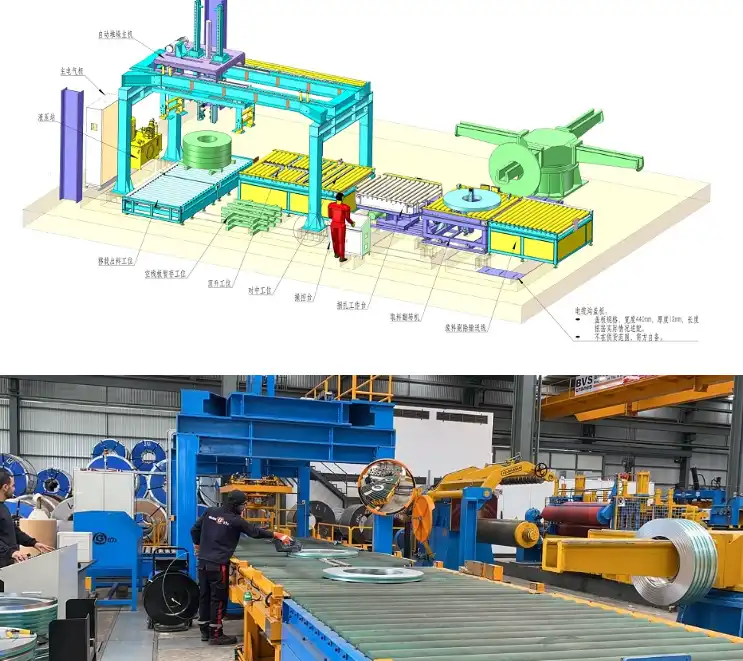
This table illustrates that leasing offers simpler, consistent deductions, while buying provides opportunities for larger, front-loaded tax savings through depreciation and related provisions. The “best” tax strategy is highly individualized and depends on your business’s current and projected income, tax bracket, and long-term asset management plans.
Upgrade Flexibility: Keeping Pace with Coil Packaging Technology
In the rapidly evolving world of manufacturing and packaging, technology upgrades are not just desirable—they’re often essential to maintaining competitiveness and efficiency. Coil packaging equipment is no exception, with continuous advancements in automation, speed, and precision. Upgrade flexibility is a critical consideration when deciding whether to lease or buy.
Leasing coil packaging equipment offers superior upgrade flexibility, allowing businesses to easily transition to newer models at the end of the lease term, avoiding technological obsolescence and ensuring access to the latest advancements. Buying equipment, while building ownership, can lock you into outdated technology and necessitate a larger capital expenditure for upgrades. For industries with rapid technological change, like coil packaging, the flexibility of leasing can be a significant strategic advantage.
Let’s examine how leasing and buying impact your ability to upgrade your coil packaging equipment.
Staying Current: Leasing as a Path to Technological Advancement
The pace of technological advancement in coil packaging equipment is relentless. Investing in equipment that quickly becomes outdated can be a costly mistake. Upgrade flexibility addresses this concern directly.
Leasing for Easy Upgrades: The Technology Cycle Advantage
Leasing is inherently designed for equipment turnover and upgrades.
- End-of-Lease Upgrades: At the end of a lease term, you can simply return the old equipment and lease newer models. This allows for seamless transitions to upgraded technology without the hassle of selling or disposing of outdated machinery.
- Predictable Upgrade Cycles: Lease terms can be aligned with typical technology refresh cycles in the coil packaging industry. This planned obsolescence built into the lease model keeps your equipment current.
- Reduced Obsolescence Risk: Leasing shifts the risk of technological obsolescence to the lessor. You’re not stuck with outdated equipment whose value has plummeted due to newer, better models on the market.
Buying and Upgrades: The Ownership Trade-off
While buying builds ownership, it can create challenges when it’s time to upgrade.
- Capital Expenditure for Upgrades: Upgrading purchased equipment requires a new, often significant, capital expenditure. This can strain budgets and disrupt financial planning.
- Disposal and Resale Challenges: Selling or disposing of used coil packaging equipment can be complex and may yield less return than anticipated, especially if the technology is outdated.
- Longer Commitment to Technology: Buying often implies a longer-term commitment to a specific technology generation. Upgrading frequently might become cost-prohibitive or logistically cumbersome.
Consider the upgrade cycle and flexibility offered by each option:
| Feature | Leasing | Buying |
|---|---|---|
| Upgrade Frequency | Easy and frequent upgrades at lease end | Less frequent due to capital investment |
| Obsolescence Risk | Lower risk, shifted to lessor | Higher risk, business bears obsolescence cost |
| Upgrade Cost | Lower incremental cost, often built into new lease | Significant capital outlay for each upgrade |
| Technology Access | Continuous access to latest technology | Potential lag in technology adoption |
| Disposal/Resale | Lessor handles disposal at lease end | Business responsible for disposal/resale |
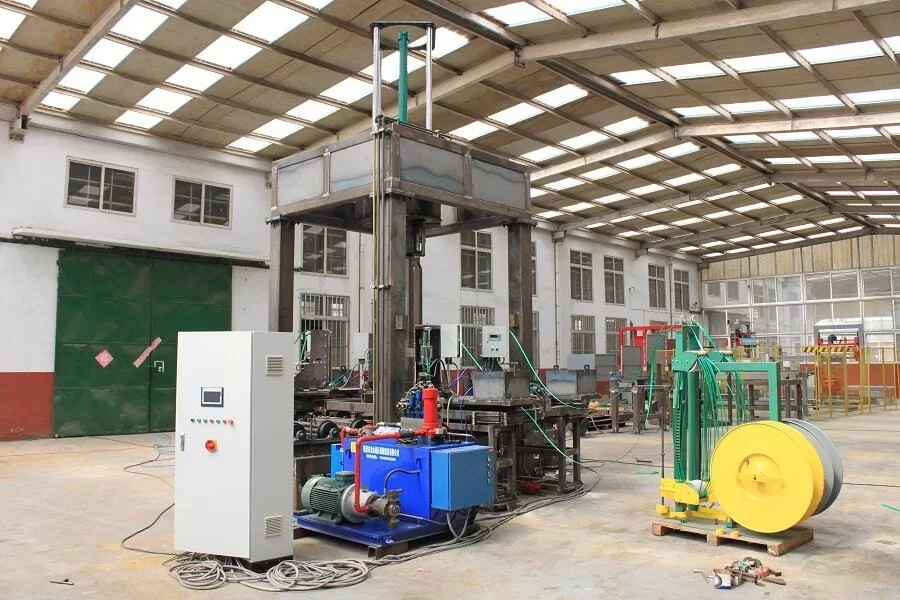
For coil packaging operations where technological advancements are rapid and crucial for efficiency, leasing offers a clear advantage in upgrade flexibility. However, if technology changes are slower or your business prefers long-term asset ownership and control, buying might still be a viable path.
Operational and Maintenance Costs: Lease vs. Purchase
Beyond financing, taxes, and upgrades, operational and maintenance costs are crucial factors in the total cost of coil packaging equipment. These ongoing expenses can significantly impact the long-term financial viability of your equipment acquisition decision.
Leasing agreements for coil packaging equipment sometimes include maintenance and service contracts, potentially lowering operational costs and providing predictable expenses. Buying equipment places the burden of maintenance and repairs squarely on the business, which can lead to variable and potentially higher long-term operational costs but also allows for more control over maintenance schedules and providers. Understanding the allocation of these responsibilities is key to accurately assessing the true cost of each option.
Let’s delve into the specifics of operational and maintenance costs for leased and purchased equipment.
Operational Costs: These costs are directly related to using the equipment and include:
- Energy Consumption: Coil packaging equipment can consume significant energy. Efficiency differences between models can impact operational costs.
- Consumables: Strapping, wrapping film, and other packaging materials are ongoing consumable costs.
- Labor: Operating the equipment requires labor, and automation levels can influence labor costs.
Maintenance Costs: These costs ensure the equipment remains operational and include:
- Preventive Maintenance: Regular servicing to prevent breakdowns and extend equipment life.
- Repairs: Costs associated with fixing equipment malfunctions and breakdowns.
- Parts and Supplies: Replacement parts and maintenance supplies.
Leasing and Operational/Maintenance Costs:
- Potential for Included Maintenance: Some lease agreements, particularly full-service leases, include maintenance and repair services in the lease payments. This can provide cost predictability and reduce administrative burden.
- Fixed Operational Costs (Potentially): If the lease includes services, operational costs related to maintenance become fixed and predictable.
- Less Control over Maintenance: If maintenance is included in the lease, you may have less direct control over maintenance schedules and service providers.
Buying and Operational/Maintenance Costs:
- Direct Responsibility for Maintenance: As the owner, you are fully responsible for all maintenance and repair costs. This can lead to variable and potentially unpredictable expenses.
- Control over Maintenance: Ownership gives you complete control over maintenance schedules, service providers, and the type of maintenance performed. This can be beneficial for businesses with specific maintenance preferences or in-house maintenance capabilities.
- Potential for Lower Long-Term Costs (with proactive maintenance): With effective preventive maintenance and equipment management, owning can potentially lead to lower long-term maintenance costs compared to leases with built-in service charges.

Snippet Paragraph:
Operational and maintenance costs are crucial when choosing between leasing and buying coil packaging equipment. Leasing can include maintenance in agreements, offering predictable costs but less control. Buying puts maintenance responsibility on the owner, potentially leading to variable costs but greater control. Consider if predictable expenses or control over maintenance is more valuable for your coil packaging operations.
Choosing between leasing and buying coil packaging equipment is a nuanced decision that requires careful consideration of various factors. There’s no one-size-fits-all answer; the optimal choice depends on your business’s unique financial situation, operational needs, and long-term strategic goals. By weighing the financing terms comparison, tax implications, upgrade flexibility, and operational costs, you can make an informed decision that best positions your business for success with your coil packing line.








