

What Are the Key Components of an Automatic Coil Packing Machine?
Are you a factory manager like Michael Chen, constantly battling production bottlenecks, safety hazards, and rising costs in your coil packaging operations? You are not alone. I’ve seen firsthand how manual packing methods can slow down an entire facility, put workers at risk, and even damage valuable products like steel coils. It’s a frustrating situation that can eat into your profits and cause customer complaints.
An automatic coil packing machine is a complex system designed to streamline your end-of-line processes, and it typically consists of several critical components: a wrapping unit, a material handling system, an intelligent control system, and a robust conveying solution. These elements work together to ensure efficient, safe, and secure packaging for various coil types, including steel coils and wire coils.
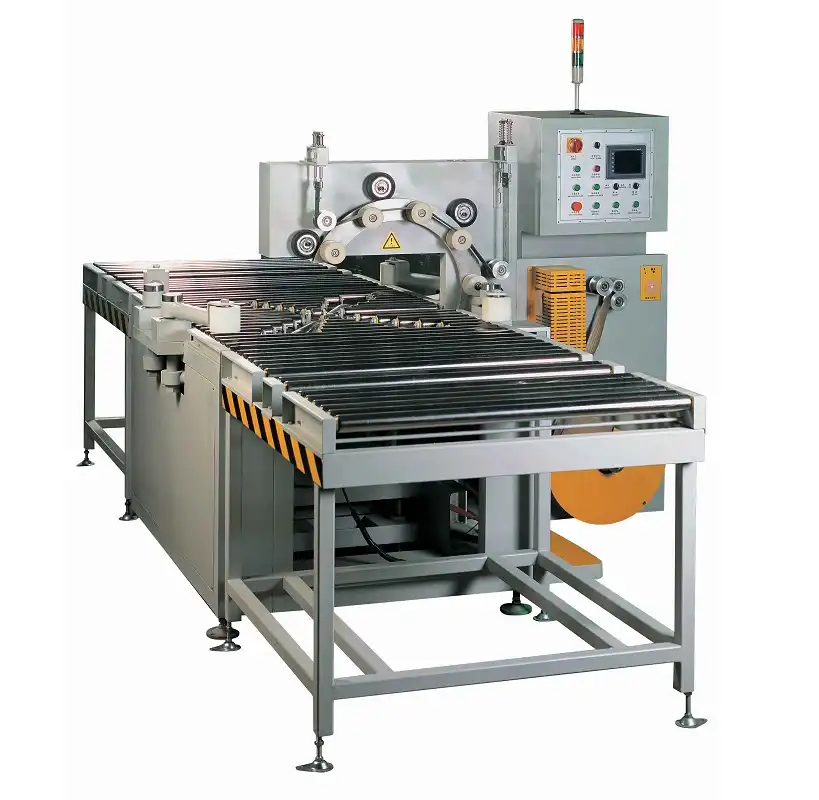

Understanding these core parts is not just about knowing what’s inside the machine. It’s about recognizing how each component contributes to solving the very challenges you face every day. Let’s dive deeper into how these elements come together to transform your packing line.
1. What is the Core Mechanism Behind Efficient Coil Wrapping?
Are your current coil packaging methods slow and labor-intensive, creating a constant bottleneck in your production? This inefficiency often means delays in delivery and increased operational costs, frustrating both you and your clients. You need a system that can keep pace with your output.
The core mechanism behind efficient coil wrapping is the wrapping unit, which includes the wrapping head, film carriage, and tension control system. This unit automatically applies protective wrapping material, such as stretch film or woven fabric, around the coil as it rotates, ensuring a tight and consistent package every time.
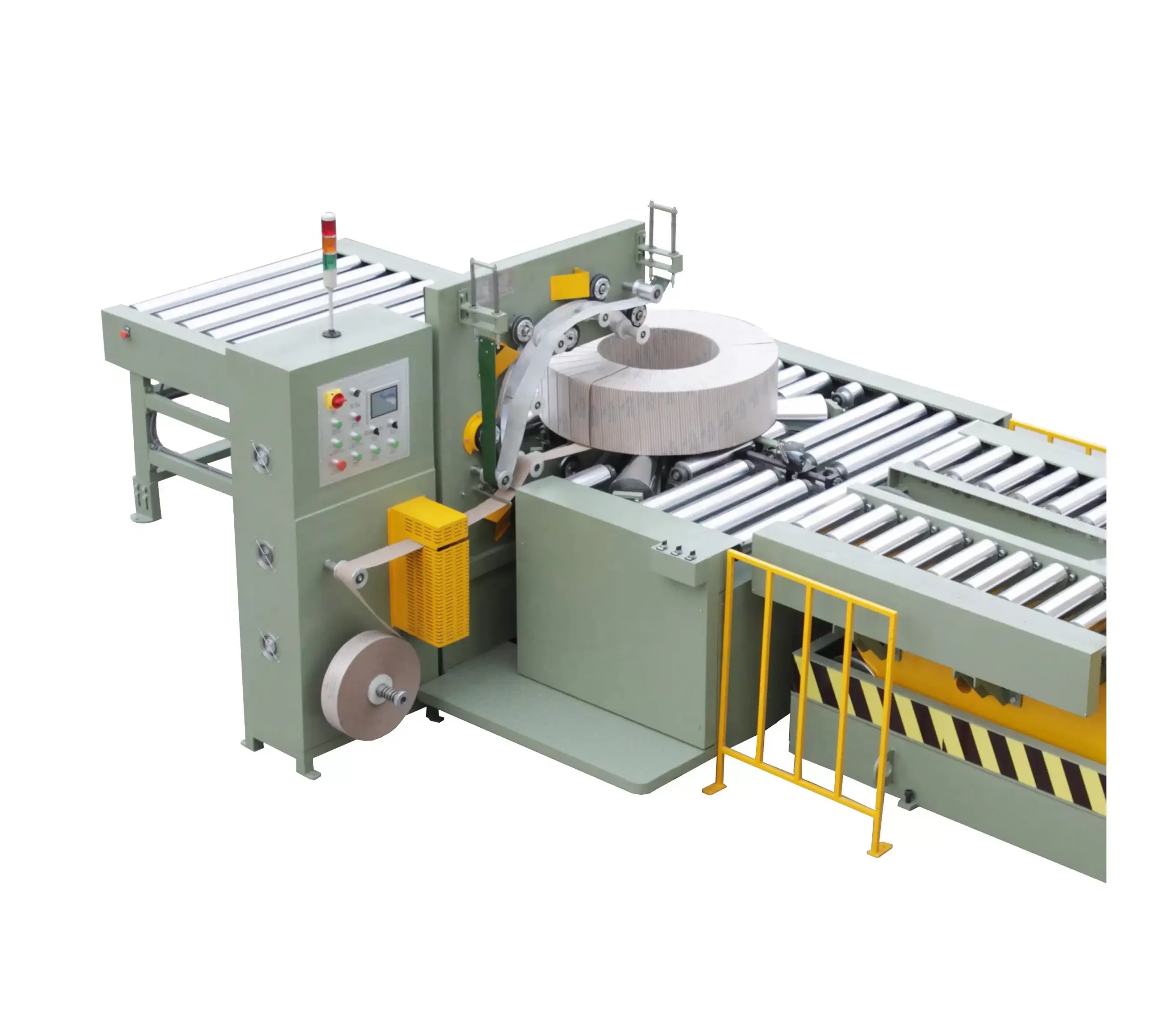

From my experience building successful packing machine factories, I learned that the wrapping unit is the heart of any automatic coil packing machine. Its design directly impacts the speed, quality, and consistency of your packed products. For managers like Michael, who value reliability and efficiency, a well-engineered wrapping unit means fewer stops, less material waste, and a professional finish that protects your valuable steel coils and wire products during transit. It’s about delivering a package that not only looks good but also withstands the rigors of logistics. (automated coil packaging, high-speed wrapping, packaging material application)
Key Features of a High-Performance Wrapping Unit
Investing in a robust wrapping unit directly addresses common factory challenges. Here is what to look for:
-
Wrapping Head Design:
- Description: The rotating part that carries the wrapping material. It moves around the coil, applying the film.
- Impact on Efficiency: A balanced and strong wrapping head allows for faster rotation speeds. This directly increases throughput, helping you meet tight production schedules. For steel coil packing, this means more coils packed per hour.
- Benefit for Michael: Reduces the “efficiency bottleneck” by speeding up the end-of-line process. It allows your Mexican metal processing plant to handle higher volumes.
- Consideration: Look for robust construction, often made from heavy-duty steel, to ensure durability in a demanding industrial setting. 🛠️
-
Film Carriage System:
- Description: This holds the roll of wrapping material (film, paper, or fabric). It precisely dispenses the material during the wrapping process.
- Impact on Product Protection: A stable film carriage ensures smooth material unwinding. This prevents film tearing or uneven application, which can lead to product damage. It also reduces material waste.
- Benefit for Michael: Minimizes “product loss” due to poor wrapping. Your valuable steel coil edges will be better protected. This directly impacts customer satisfaction and reduces complaints.
- Technology Insight: Advanced systems often include automatic film cutting and clamping, further enhancing automation and reducing manual intervention. 🧵
-
Tension Control System:
- Description: This mechanism controls the tightness of the wrapping material as it is applied to the coil.
- Impact on Package Security: Consistent tension ensures the wrapping is snug and secure. This prevents the package from loosening during handling and transportation. For heavy items like steel wire coils, this is crucial for stability.
- Benefit for Michael: Improves “package security” and reduces the risk of product shifting inside the wrap. This protects workers during handling and prevents damage during transit. It also helps in complying with safety regulations.
- User Experience: Modern machines feature adjustable tension settings, allowing for customization based on coil size and material type. This flexibility is key for diverse product lines. 💡
-
Wrapping Material Versatility:
- Description: The ability of the machine to use different types of wrapping materials. This includes stretch film, VCI film (Volatile Corrosion Inhibitor), paper, or woven composite materials.
- Impact on Adaptability: A versatile machine can handle various customer requirements and product protection needs. For instance, VCI film protects steel coils from rust in humid environments.
- Benefit for Michael: Allows your factory to adapt to different client specifications. This capability opens doors to new markets and reduces the need for multiple specialized machines. It ensures your products are protected against specific environmental factors.
- Cost-Benefit: Choosing the right material can also optimize costs by using only what is necessary for protection. 💲 (coil packaging solutions, industrial wrapping, protective packaging materials)
2. How Do Automatic Systems Handle and Secure Heavy Coils Safely?
Do your current processes involve extensive manual handling of heavy coils, leading to high injury risks and elevated insurance costs? Michael, I know this struggle firsthand. Workers manually moving or flipping heavy items is not only inefficient but also a major safety hazard in any factory. You need a system that prioritizes worker well-being.
Automatic coil packing systems incorporate sophisticated material handling components like robust conveyors, precise centering devices, and often automatic loading/unloading mechanisms. These systems are engineered to move, position, and secure heavy coils with minimal human intervention, dramatically improving worker safety and ensuring stable product flow.
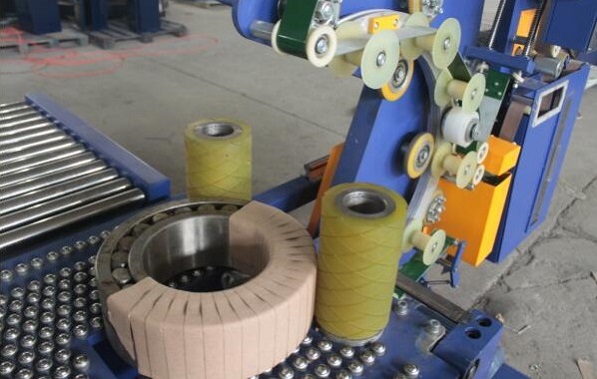

When I was setting up my own packing machine factory, worker safety was a top priority. Manual handling of large, heavy coils is a recipe for disaster, leading to injuries and high turnover. That’s why I emphasized designing machines that could take the burden off human workers. For a factory manager in Mexico dealing with heavy metal coils, the right material handling system is not just about efficiency; it’s about creating a safer workplace. This directly reduces work-related injuries, lowers insurance premiums, and helps retain skilled labor, ultimately contributing to a more stable and productive operation. (heavy-duty conveying, coil positioning, automated material transfer)
Essential Components for Safe Coil Handling
Automated material handling reduces reliance on manual labor for heavy lifting. This directly contributes to a safer and more efficient workplace.
-
Infeed and Outfeed Conveyors:
- Description: These are robust conveyor systems that transport coils into and out of the wrapping station. They often feature specialized rollers or chains designed for heavy loads.
- Safety Impact: Eliminates the need for manual pushing, pulling, or forklift movements in the immediate packing area. This drastically reduces the risk of collisions and strain injuries.
- Benefit for Michael: Directly addresses the “safety hazards” associated with manual handling. Your employees will be safer, and you will see a reduction in potential work-related incidents.
- Design Consideration: Many systems use powered rollers or chain conveyors, specifically designed to withstand the weight and abrasive nature of steel coils. ⚙️
-
Centering and Aligning Devices:
- Description: Mechanisms, such as adjustable side guides or pneumatic arms, that automatically position the coil accurately in the center of the wrapping machine.
- Efficiency Impact: Ensures the coil is perfectly aligned for wrapping. This prevents uneven wrapping, which can lead to material waste or an unstable package. Proper alignment also speeds up the wrapping process.
- Benefit for Michael: Improves overall “efficiency” by ensuring consistent wrapping. It also prevents machine stops due to misalignment, maintaining your production flow. This helps in meeting your goal of enhanced automation.
- Precision Engineering: Some advanced systems use sensors (like photoelectric sensors) to detect the coil’s position and make real-time adjustments. 🎯
-
Automatic Loading and Unloading Systems:
- Description: These can be robotic arms, pushers, or specialized shuttles that automatically place coils onto the wrapping station and remove them once wrapped.
- Labor Saving: Reduces the need for human operators to manually load or unload heavy coils. This frees up personnel for other tasks and reduces labor costs.
- Benefit for Michael: Directly contributes to “cost reduction” by minimizing manual labor requirements. It also enhances “automation levels” across your production line.
- Integration Potential: These systems often integrate seamlessly with upstream and downstream logistics, creating a fully automated production line. 🤖
-
Safety Guarding and Interlocks:
- Description: Physical barriers (fences, light curtains) and electronic interlocks that prevent machine operation if a human enters a dangerous zone.
- Crucial Safety Feature: Protects workers from moving parts during machine operation. If a safety gate is opened, the machine stops immediately.
- Benefit for Michael: Essential for ensuring a “safe working environment.” This compliance with safety standards helps avoid costly accidents and regulatory fines, reinforcing your commitment to worker safety.
- Standard Practice: Reputable manufacturers always include these critical safety features as standard. 🔒 (worker protection solutions, automated coil logistics, heavy coil transport)
3. What Intelligent Features Drive Productivity and Minimize Product Damage?
Are you struggling with product damage during internal transfer and packing, leading to customer complaints and lost profits? Michael, I understand that even small imperfections on valuable products like steel coils can lead to significant financial losses. You need features that safeguard your product’s integrity.
Intelligent features, such as automatic film cutting and clamping, error diagnostics, and recipe management for different coil sizes, are crucial for driving productivity and minimizing product damage in an automatic coil packing machine. These smart functions ensure consistent, high-quality wrapping while reducing manual errors and operational downtime.
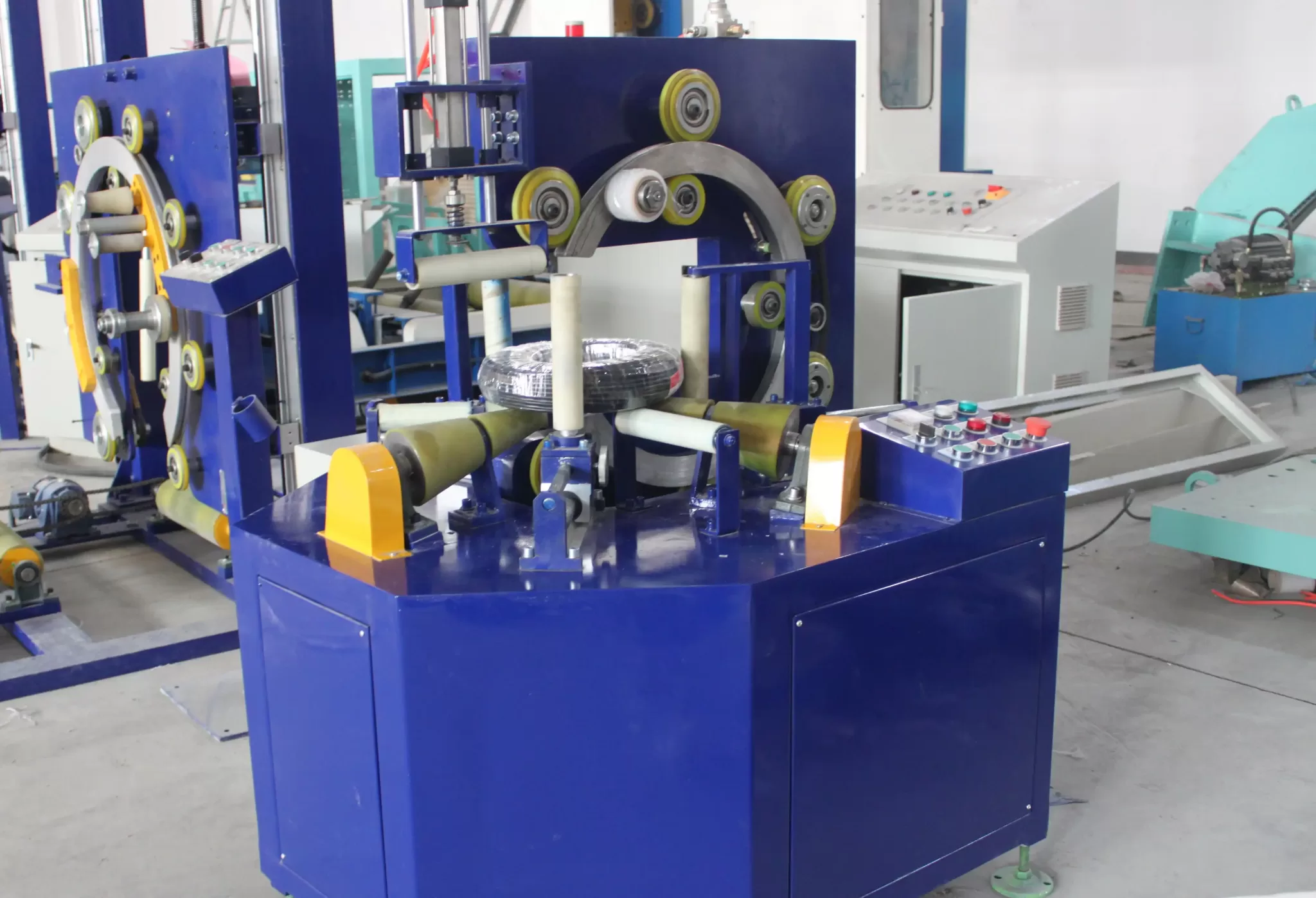

When I started FHOPEPACK, one of our goals was to leverage technology to overcome common manufacturing pain points. Product damage during packing is a silent profit killer. It’s not just about the cost of the damaged goods; it’s about your reputation and client trust. For Michael, who has faced “product loss” and “supplier trust crisis,” these intelligent features are vital. They demonstrate a commitment to precision and quality, offering tangible benefits like reduced waste, fewer customer complaints, and a more reliable packing process. This fosters trust and proves that the equipment is a smart investment with a clear return. (smart packaging, damage prevention, automated quality control)
Smart Features for Enhanced Operations
These intelligent features go beyond basic automation. They integrate advanced capabilities to optimize every aspect of the packing process.
| Feature Category | Specific Feature | Impact on Productivity | Impact on Product Damage Prevention | Benefit for Michael |
|---|---|---|---|---|
| Automation & Control | Automatic Film Cutting & Clamping | Reduces manual intervention; speeds up cycle time. | Ensures clean start/end, prevents loose film. | Increases throughput, reduces material waste. |
| Error Diagnostics & Alarms | Pinpoints issues quickly; reduces downtime. | Prevents machine operation with faults. | Minimizes production interruptions, quick troubleshooting. | |
| Material Management | Film Breakage Detection | Alerts operator immediately; stops machine. | Prevents unwrapped sections of the coil. | Ensures consistent wrap, avoids exposed product. |
| Film End Detection | Alerts operator for material replenishment. | Prevents incomplete wrapping of coils. | Streamlines material changes, avoids halfway wraps. | |
| Operational Efficiency | Recipe/Program Management | Quick changeovers for different coil sizes/types. | Ensures correct settings for each product. | Reduces setup time, guarantees consistent quality. |
| Automatic Tension Adjustment | Adapts to material and coil size; prevents errors. | Maintains optimal wrap tension; prevents damage. | Improves package integrity, reduces worker training needs. |
- Why These Matter for Your Goals:
- Efficiency Bottleneck: Features like automatic film cutting and recipe management directly address slow processes by automating repetitive tasks and streamlining changeovers. 🚀
- Product Loss: Film breakage detection and proper tension control prevent coils from being wrapped improperly or not at all, safeguarding against damage. 🛡️
- Supplier Trust Crisis: A machine with these intelligent features demonstrates a supplier’s understanding of complex manufacturing needs. It shows they offer truly reliable and problem-solving solutions. Michael seeks a partner who understands his production challenges, and these smart features are proof of that understanding. ✅ (automated diagnostics, packaging recipe management, intelligent material handling)












