
Japan’s Precision Wire Plants Upgrade to Advanced Steel Wire Packing Lines?
The manufacturing world is always changing. Many factory managers face growing pressure to produce more. They also need to keep costs low and make sure everyone is safe. If you run a metal processing plant, you know this pressure well. You constantly look for ways to improve. You want machines that work reliably every day. You want solutions that truly solve your problems, not just add more complexity. This drive for improvement is exactly what we are seeing in Japan’s precision wire industry. They are investing heavily in advanced packing lines.
Japanese precision wire plants are upgrading their steel wire packing lines to boost efficiency, enhance worker safety, and reduce product damage. These new systems replace slow, manual processes with automated solutions. This helps plants meet higher production demands and maintain their reputation for quality in a competitive global market. (precision wire packing upgrade)
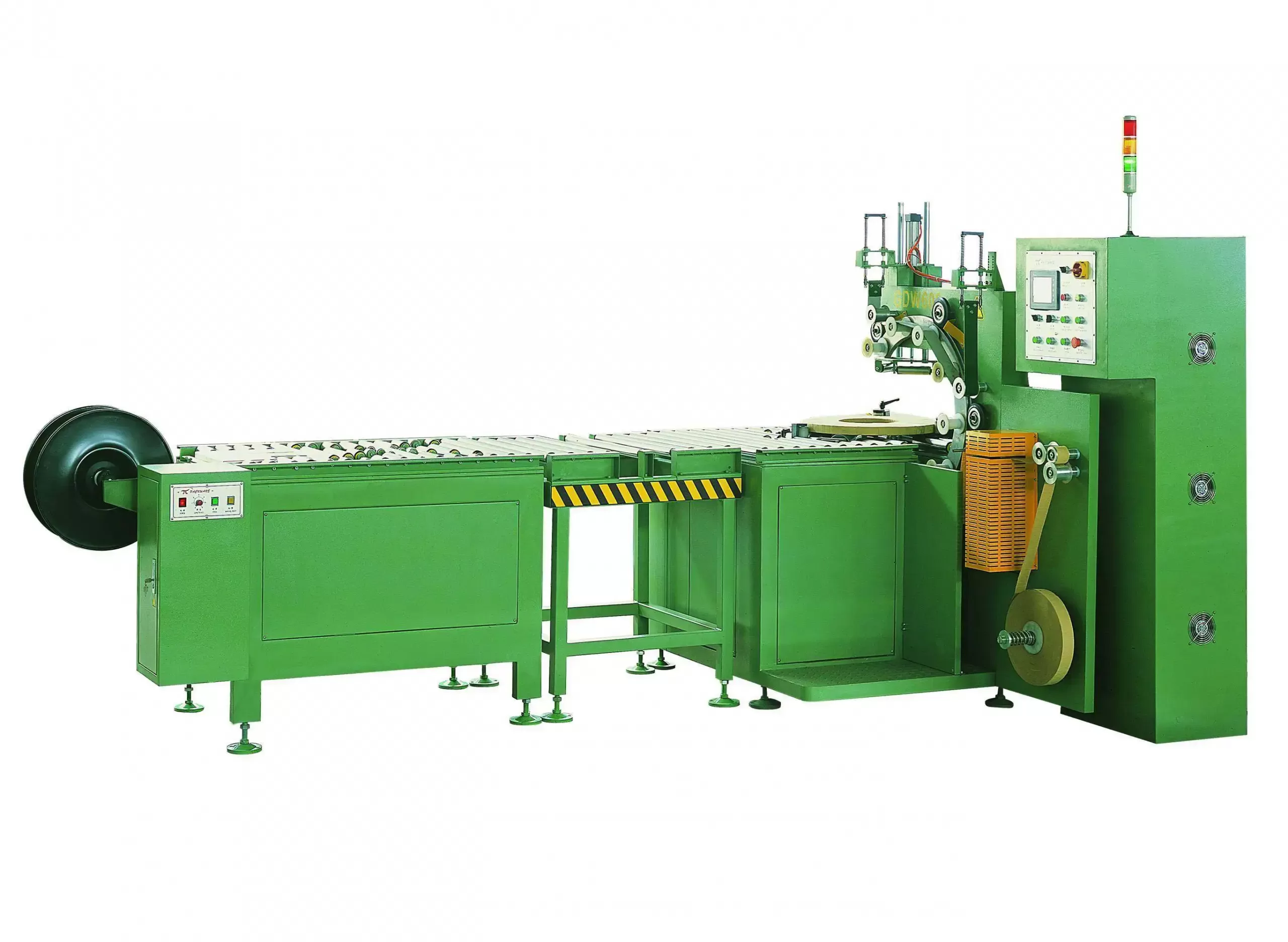
This shift is not just about having new machines. It is about a deeper understanding of modern manufacturing needs. It is about finding smart ways to work better and safer. Join me as we explore why these changes are happening and what they mean for the future of packing.
1. Why Are Japanese Precision Wire Plants Investing in New Packing Lines?
Are you feeling the pinch of old packing methods? Many plants struggle with slow operations and high labor costs. This is a common story across the industry. For years, I have seen factories deal with these same issues. Manual handling of heavy products like steel coils brings high risks. It often leads to injuries and high insurance costs. It also causes product damage, which means unhappy customers and lost profits. Japanese plants understand these pains very well. They know these problems directly affect their bottom line and their ability to compete globally.
Japanese precision wire plants are investing in new packing lines primarily to overcome significant efficiency bottlenecks and serious safety hazards in their traditional manual processes. They aim to reduce reliance on labor, speed up production, and minimize costly product damage. This strategic investment helps them improve overall operational excellence and maintain their competitive edge in high-quality manufacturing. (Japanese wire plant investment drivers)
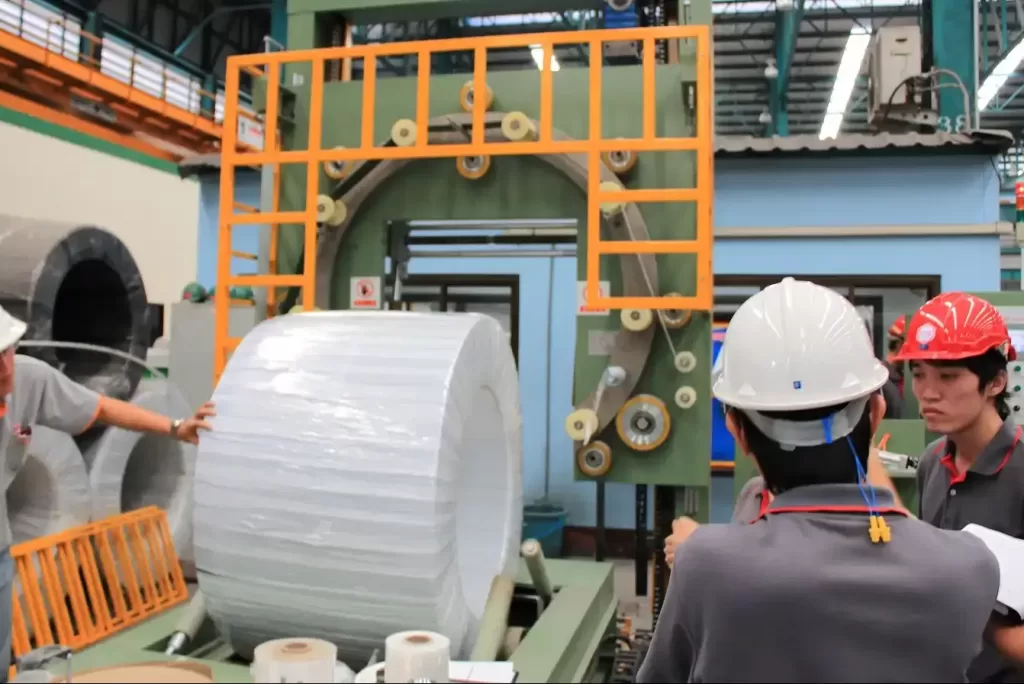
I started my journey as an employee in a packing machine factory. Later, I built my own successful factory. I have seen firsthand how much impact efficient packing has. When I work with clients, I see their challenges. They often deal with bottlenecks at the end of their production lines. This slows everything down. They face safety worries from workers moving heavy items. And they lose money from damaged products. These are not unique problems. They are universal. Japanese plants are simply leading the way in finding solutions. They want to move away from these old problems. They are choosing automation for clear business reasons.
Key Drivers for Automation Investment
Japanese manufacturers are known for their precision and commitment to quality. When they decide to upgrade, it is for very strong reasons. They are looking at the big picture. They want to make sure their operations are future-proof. My experience has shown me these are the most common drivers:
-
Eliminating Efficiency Bottlenecks: Manual packing is often the slowest part of the production line. Workers need time to wrap, label, and move heavy coils. This creates a backlog. It means products wait, delaying delivery times. An automated system can process many more coils per hour. This keeps the whole line moving smoothly. It removes the ‘choke point’ at the end.
-
📊 Comparison: Manual vs. Automated Packing Speed Metric Manual Packing (per hour) Automated Packing (per hour) Wire Coils Processed 10-15 40-60+ Labor Required 3-4 Workers 1-2 Workers (Supervision) Error Rate Moderate Low Consistent Quality Variable High - This table shows a clear difference. Automated systems can do much more work in less time. They also need fewer people. This means factories can produce more without adding staff. They can handle bigger orders. They can deliver faster to customers. (production bottleneck solutions)
-
-
Improving Worker Safety: Moving heavy steel coils is dangerous. Workers can get hurt. They can strain their backs or drop items. This leads to costly workplace accidents. Automated packing lines use machines for heavy lifting and wrapping. This keeps workers away from dangerous tasks. It dramatically lowers the risk of injury. A safer workplace means fewer insurance claims. It also means happier employees and less staff turnover.
- ⚠️ Common Safety Hazards in Manual Packing
- Back strains from lifting heavy coils.
- Crushing injuries from falling or rolling coils.
- Cuts from sharp wire edges.
- Repetitive strain injuries from manual wrapping.
- Slips, trips, and falls in busy packing areas.
- Automated systems help avoid these risks. They use robotic arms and conveyors to do the heavy work. This means workers supervise, instead of performing physically demanding tasks. Safety is a top concern for any good factory manager, and automation offers a clear path to a safer environment. (industrial safety improvement)
- ⚠️ Common Safety Hazards in Manual Packing
-
Reducing Product Damage: Every damaged product is money lost. In manual handling, products can get scratched or bent. This is especially true for delicate precision wire. Even small dents on steel coil edges can lead to customer rejections. Automated systems handle products gently and consistently. They use precise movements. This protects the product during the packing process. It ensures the wire reaches the customer in perfect condition. This leads to fewer complaints and better customer satisfaction. (product quality protection)
-
Boosting Overall Profitability: By solving these problems, plants improve their bottom line. Less labor means lower wage costs. Fewer accidents mean lower insurance payments. Less product damage means fewer financial losses. Faster production means more sales. All these factors combine to increase a factory’s profit margin. Japanese plants see these upgrades as a smart long-term investment. They understand the return on investment (ROI) is significant. (manufacturing ROI)








