
Japan’s Metal Processing Plants Upgrade to Automatic Coil Packing Machines
The world of metal processing is always moving. Factories in Japan, known for their precision and quality, are facing new pressures. They need to produce more, cut costs, and keep workers safe. Many older processes, especially at the end of the production line, are becoming bottlenecks. Manual coil packing, for example, is slow, risky, and can even damage valuable products. This creates big problems for factory managers like Michael, who oversees everything from raw material entry to finished product shipment. He needs solutions that are reliable and efficient.
Japanese metal processing plants are quickly adopting automatic coil packing machines because these systems solve critical issues related to efficiency, worker safety, and product protection. By automating their end-of-line packaging, these facilities can eliminate bottlenecks, reduce the risk of workplace injuries, and ensure higher quality finished goods ready for market. This shift represents a strategic investment in modernization and long-term operational excellence for the industry across Japan.
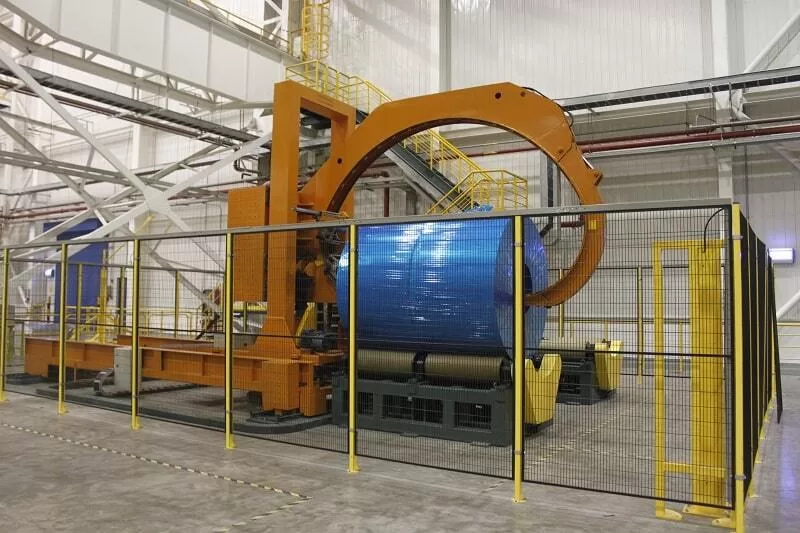
This trend is more than just about new machines. It is about a big change in how things are done. It shows a commitment to smarter, safer, and more profitable manufacturing. Let us look deeper into why these plants are making such important changes and what it means for their future.
1. Why are Japanese Metal Processing Plants Investing in Automatic Coil Packing Machines?
Many metal processing plants in Japan face familiar problems. They have relied on old ways for too long. These methods create challenges that new technology can fix. If you are a factory manager, you know that production bottlenecks and safety risks are always a concern. (industrial automation challenges)
Japanese metal processing plants are investing in automatic coil packing machines primarily to overcome severe efficiency bottlenecks, reduce high safety risks associated with manual handling, and minimize product damage during packaging. Their existing manual processes are slow, expose workers to heavy loads, and often lead to costly material waste, making automation a necessary step for modernization and competitiveness.
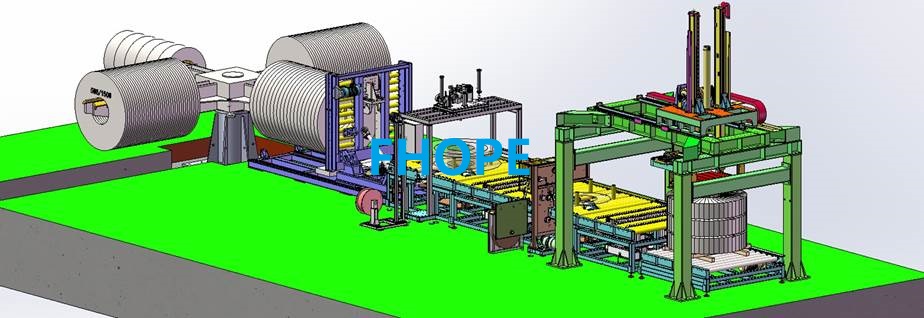
This investment is not just about buying a new machine. It is a strategic move to fix core operational issues. When I started FHOPEPACK, I saw these exact problems in many factories. My goal was to help businesses like yours find real solutions. Let us explore the specific reasons behind this shift.
The Growing Pressures on Japanese Metal Processing
Japanese factories are famous for their high standards. However, even the best factories must adapt. They face many pressures today.
- Labor Shortages and Rising Costs: Japan has an aging population. Finding skilled workers for physically demanding jobs is hard. Manual packing requires many hands, which drives up labor costs. Automatic machines reduce the need for many workers. This helps factories stay productive with fewer staff. 👷♂️ (labor cost reduction Japan)
- Demand for Higher Throughput: The global demand for metal products keeps growing. Factories need to produce more, faster. Manual packing slows down the whole production line. If you pack 10 coils per hour manually, but your rolling mill makes 20 coils, you have a bottleneck. Automation fixes this speed difference. It makes the entire process faster. 🚀 (increased production capacity)
- Safety Concerns are Paramount: Handling heavy steel coils or wire bundles by hand is very dangerous. Workers can get hurt from strains, crushes, or falls. These injuries lead to high insurance costs, lost workdays, and staff turnover. Factories need to protect their people. Automatic systems take over the heavy lifting. This makes the workplace much safer. No manager wants to see their team get hurt. 🩹 (workplace safety improvements)
- Quality and Damage Control: During manual handling and packing, products can get damaged. A small scratch on a steel coil edge can mean a rejected order. This leads to customer complaints and financial losses. Michael, the factory manager, knows this well. Automated systems handle products gently and consistently. This reduces damage significantly. It ensures that products arrive at the customer in perfect condition. ✅ (product quality assurance)
- Global Competition: Japanese metal companies compete on a world stage. Factories in other countries are also automating. To stay competitive, Japanese plants must also embrace new technology. They need to be efficient and cost-effective. Investing in automation keeps them at the forefront of the industry. 🌍 (metal industry competitiveness)
These challenges are not unique to Japan. But the Japanese commitment to excellence means they are serious about finding the best solutions. Automatic coil packing machines offer a clear path forward.
2. What Specific Advantages Do Automated Coil Packaging Solutions Offer for Japanese Operations?
Making a big investment in new equipment always brings questions. What exactly will these machines do for my factory? How will they improve my daily operations? For Japanese metal processing plants, the advantages are clear and very important for their success.
Automated coil packaging solutions deliver multiple specific advantages to Japanese operations, including dramatically increased production efficiency through higher speeds and consistent output, significantly enhanced worker safety by eliminating manual heavy lifting, and superior product protection which reduces damage and boosts customer satisfaction. These systems also lead to substantial cost savings from reduced labor and material waste, alongside improved overall operational control.
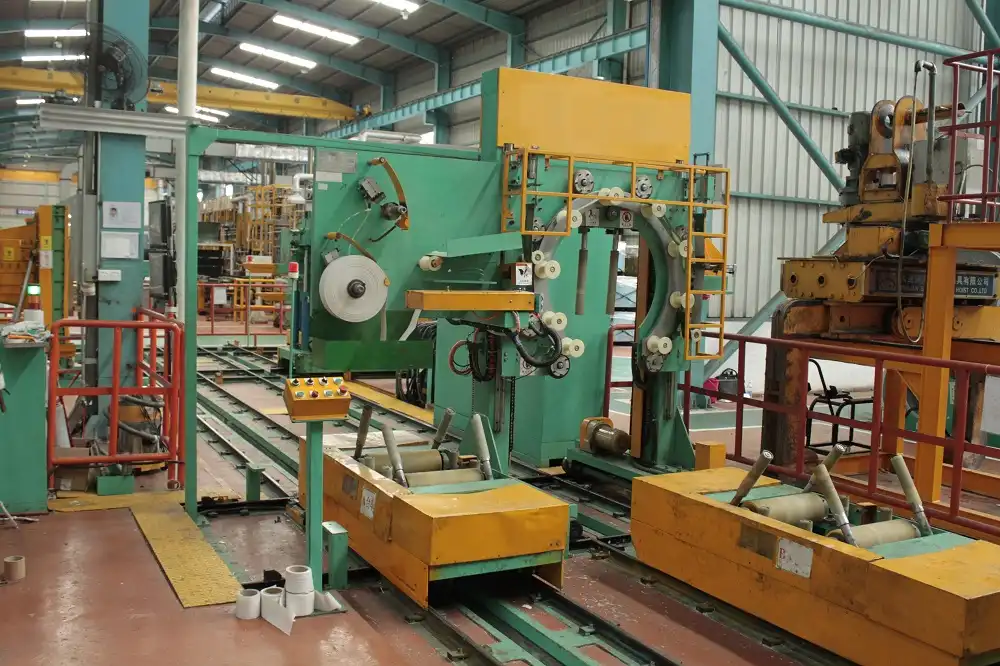
When I help my clients choose packing machines, we always look at the real-world impact. It is not just about the machine itself. It is about how it transforms your business. Let me share some key benefits that automated solutions bring to Japanese factories.
Tangible Benefits of Automation in Practice
Automating the packing process offers more than just theoretical improvements. It brings very real, measurable benefits.
- Remarkable Increase in Packing Speed:
- Manual packing of a steel coil might take 5-10 minutes per coil, depending on size and wrapping needs.
- An automatic coil packing machine can complete the entire process in 1-2 minutes.
- This means a manual line might pack 6-12 coils per hour.
- An automatic line can pack 30-60 coils per hour.
- This huge difference directly boosts overall factory throughput. Your packing line will no longer be the bottleneck. ⚡ (faster coil wrapping)
- Significantly Improved Worker Safety:
- Elimination of Hazardous Tasks: Workers no longer need to lift heavy coils, rotate them, or manually apply wrapping materials. The machine does all the heavy, repetitive work.
- Reduced Injury Rates: This leads to a sharp drop in muscle strains, back injuries, and crushing accidents. Factory managers like Michael can breathe easier knowing their team is safer.
- Better Working Environment: Employees can focus on supervising the machines and quality control, rather than dangerous physical labor. This boosts morale. 🤝 (industrial safety improvements)
- Consistent and Higher Quality Packaging:
- Uniform Wrapping: Machines apply wrapping materials (like stretch film, VCI paper, or woven fabric) with consistent tension and overlap. This creates a much neater and more protective package than manual methods.
- Damage Prevention: Coils are handled by robotic arms or conveyors, preventing scrapes or dents from rough human handling. This protects edges and surfaces.
- Weather Protection: Consistent wrapping ensures better protection against moisture, dust, and rust during storage and transport. This is crucial for long-distance shipping. ☔ (protective coil wrapping)
- Substantial Cost Reductions:
- Lower Labor Costs: With automation, fewer workers are needed for the packing process. This means lower wages and benefits expenses over time.
- Reduced Material Waste: Machines use wrapping materials more efficiently than humans. They cut and apply precisely, reducing waste from uneven wrapping or mistakes.
- Fewer Product Damages: Less damage means fewer customer returns, fewer reworks, and more profit. This directly impacts the bottom line. 💰 (operational cost savings)
- Better Data and Control:
- Modern automatic machines often come with smart controls. They can track packing times, material usage, and even identify potential issues.
- This data helps factory managers optimize their operations further. It allows for better planning and decision-making. 📊 (packing process optimization)








