
Japan’s Metal Processing Plants Upgrade to Automatic Coil Packing Machines
The world of metal processing is always changing. For years, I have seen factories struggle with old ways of doing things. Many plant managers, like Jose in Mexico, face daily pressure. They need to increase output, control costs, and keep workers safe. I know these challenges well. I started as an employee in a packing machine factory and later built my own. I saw firsthand how much difference good equipment makes. Now, I share what I learned through FHOPEPACK. I want to help others succeed. Today, we look at a big shift happening in Japan. Their metal processing plants are choosing automatic coil packing machines. This choice is about more than just new equipment. It is about staying ahead and solving real problems.
Japanese metal processing plants are upgrading to automatic coil packing machines to solve critical production bottlenecks, enhance worker safety, reduce product damage, and achieve higher operational efficiency. This shift replaces slow, labor-intensive manual processes with automated systems, directly addressing the core challenges faced by factory managers in heavy industries. The goal is to move towards a more reliable, cost-effective, and safe manufacturing environment.

Understanding this trend is key. If you are a factory manager, you likely face similar pressures. You might wonder if these upgrades are right for your operations. What drives this change? What benefits can you truly expect? Let’s explore why this move is happening and what it means for the future of metal processing. We will look at the real-world impact and how you can apply these insights to your own business.
1. Why are Japanese metal processing plants upgrading to automatic coil packing machines?
Many factory managers feel the pinch of outdated methods. They see rising costs and slower output. This situation is not unique to Japan. It is a global challenge. I remember when I first started, efficiency was always the goal. But achieving it with manual labor was a constant battle. This problem is now pushing Japanese metal processing plants towards automation. They need better ways to handle heavy coils and wires.
Japanese metal processing plants are upgrading to automatic coil packing machines primarily due to the severe limitations and risks associated with manual packing. These include slow production speeds leading to efficiency bottlenecks, high rates of worker injuries from heavy lifting, significant product damage during handling, and the increasing cost of labor. Automation offers a direct solution to these issues, promising higher throughput and a safer work environment for coil processing operations.
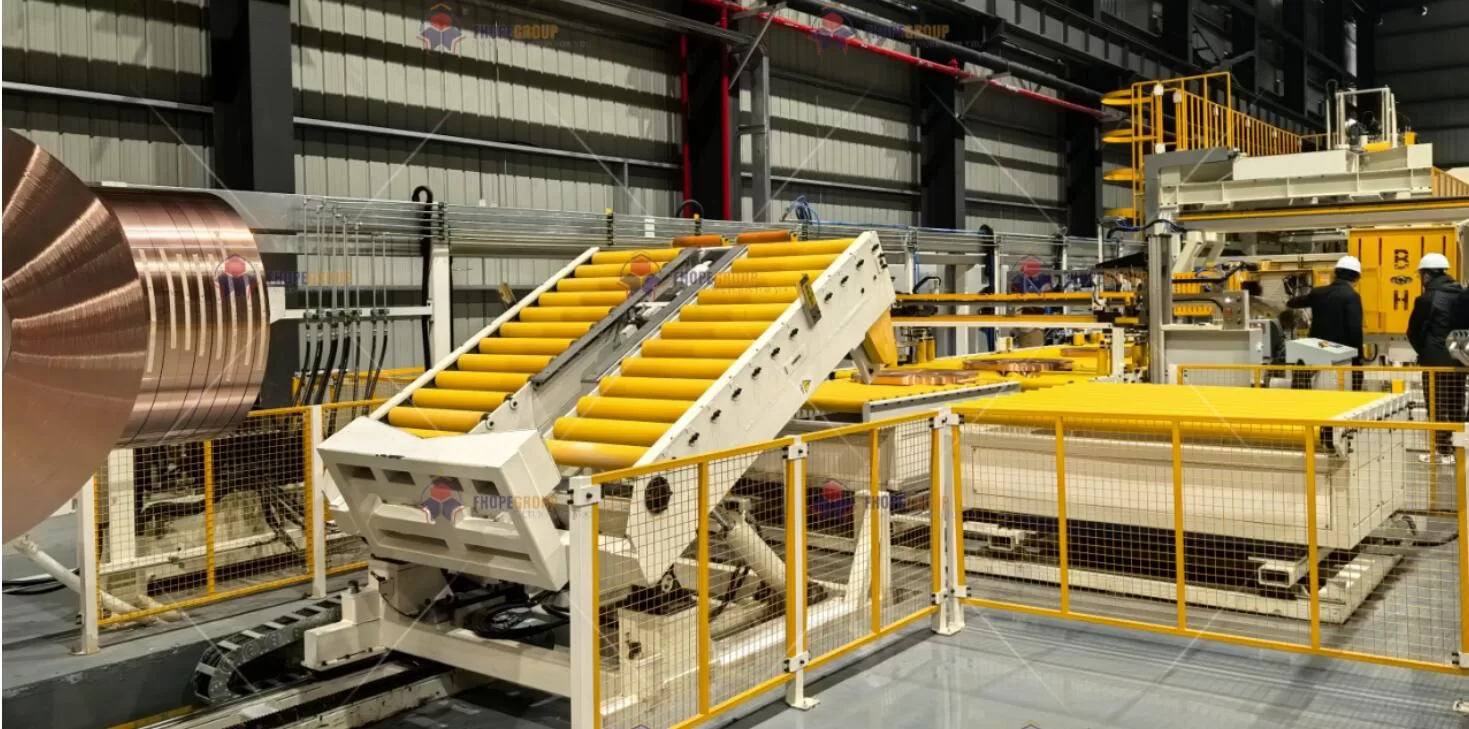
Let us dive deeper into the specific pressures driving this automation wave in Japan’s metal industry.
The Real Pressures on Japanese Metal Processors:
Japanese factories are known for quality and efficiency. But even they face tough challenges when it comes to manual packing. The traditional way of wrapping steel coils and wire bundles by hand is no longer enough.
- Efficiency Bottlenecks: Manual packing is slow. It creates a bottleneck at the end of the production line. Imagine waiting for a worker to strap a heavy coil when the next one is already ready. This slows down the whole factory. It means fewer products go out the door each day. This impacts delivery times and customer satisfaction. (Japanese metal coil packaging efficiency)
- Safety Hazards: Lifting and moving heavy steel coils is very dangerous. Workers can get injured easily. Back problems, crushed fingers, or worse accidents are common. A single accident can lead to high medical costs, insurance claims, and lost workdays. It also affects staff morale and can lead to experienced workers leaving. This is a big concern for any factory manager focused on worker well-being. (Safety in Japanese metal processing plants)
- Product Damage: During manual handling and packing, products like steel coils can get damaged. Edges can bend, surfaces can scratch. This damage leads to customer complaints and returned goods. It directly cuts into profits. Maintaining product quality until it reaches the customer is vital for reputation. (Reducing coil damage in Japan)
- Labor Costs and Scarcity: Labor costs are always rising. Finding skilled workers willing to do heavy, repetitive tasks is becoming harder. Automation reduces the need for large manual teams for packing. It allows existing staff to focus on more complex, value-added tasks. This is a smart way to manage human resources. (Labor saving in Japanese heavy industry)
- Demand for Consistency: Customers expect perfect packaging every time. Manual packing can lead to inconsistencies. Some coils might be wrapped tighter than others. Automation ensures every product is packed exactly the same way, meeting high standards. This is especially important for the demanding Japanese market. (Consistent packaging for steel coils)
These challenges are not just abstract ideas. They are real problems I have seen clients face. They push factory managers to look for robust solutions. Automatic coil packing machines offer a clear path forward.
2. What specific benefits do automatic coil packing machines offer to Japanese manufacturers?
When I advise clients, I always focus on the return on investment. It is not just about buying a machine. It is about how that machine helps your business grow. For Japanese manufacturers, the benefits of automatic coil packing machines are clear. They address the core pains of current operations. These machines do more than just wrap coils. They transform the entire end-of-line process.
Automatic coil packing machines offer Japanese manufacturers several key benefits, including significantly improved operational efficiency by eliminating bottlenecks, a dramatic reduction in workplace injuries by minimizing manual handling of heavy coils, enhanced product quality through consistent and secure packaging, and substantial cost savings from reduced labor and product damage. These machines provide a reliable solution for increasing throughput and profitability in a demanding industrial environment.
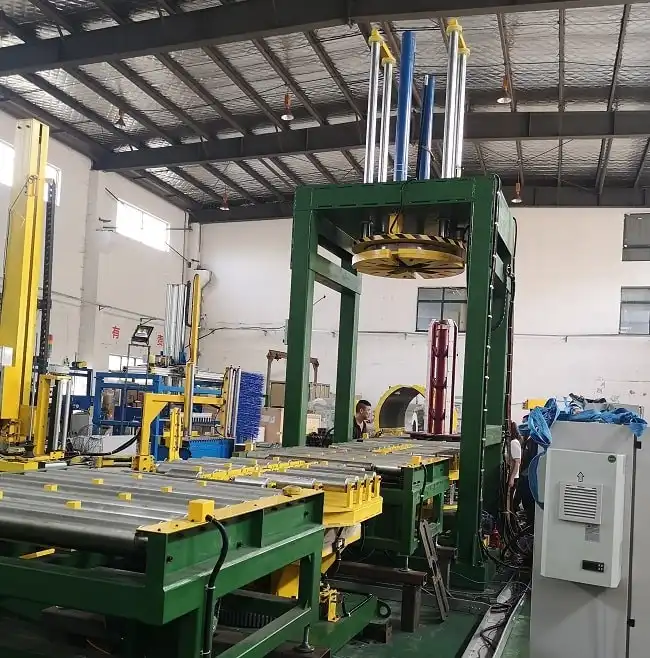
Let’s break down these benefits and see how they translate into tangible gains for a factory manager.
Key Benefits for Japanese Metal Processors:
The move to automation is driven by a desire for measurable improvements. Here is what Japanese factories gain:
-
Increased Throughput and Efficiency:
- Automatic machines work much faster than humans. They can pack coils continuously without breaks.
- This removes the packing bottleneck. Production lines can run at their full potential.
- Example: A plant might pack 10 coils per hour manually. With an automatic machine, they could pack 30-40 coils per hour.
- This means more product shipped daily. It improves overall factory output.
- (Automated coil wrapping efficiency Japan)
-
Enhanced Worker Safety:
- The biggest benefit, in my opinion, is safety. Machines handle the heavy lifting and dangerous tasks.
- Workers no longer need to manually strap or move heavy coils. This removes the risk of strains, crushed limbs, and other serious accidents.
- A safer workplace means fewer injuries, lower insurance costs, and happier employees.
- It also shows a commitment to employee well-being, which is important for retaining skilled workers.
- (Worker safety in Japanese manufacturing)
-
Improved Product Quality and Reduced Damage:
- Automatic systems apply consistent tension and precise wrapping. This protects the coil edges and surfaces from damage during transport and storage.
- There is less human error. Every package looks professional and uniform.
- This leads to fewer customer complaints. It builds trust and strengthens the brand’s reputation for quality.
- (Consistent coil packaging quality Japan)
-
Significant Cost Savings:
- Labor Costs: Fewer workers are needed for the packing process. This reduces payroll expenses over time.
- Reduced Waste: Less product damage means less scrap and fewer returns. This saves material costs.
- Lower Insurance: Fewer accidents can lead to lower insurance premiums.
- Higher Output: Increased efficiency means more units produced with the same overheads, leading to higher profit margins.
- (Cost reduction in Japanese metal plants)
| Benefit Category | Manual Packing Challenges | Automatic Packing Solutions | Impact for Japanese Factories |
|---|---|---|---|
| Efficiency | Slow, inconsistent, bottleneck | Fast, continuous, uniform, higher throughput | 🚀 Boosts Production: Allows plants to meet higher demand and tighter deadlines, optimizing overall operational flow. |
| Safety | High risk of injury, heavy lifting | Minimizes human interaction with heavy coils, automated tasks | ✅ Safer Work Environment: Reduces accidents, lowers insurance costs, and improves employee morale and retention. |
| Product Quality | Damage during handling, inconsistent wrap | Precise, consistent tension, better protection | ✨ Enhanced Reputation: Delivers undamaged goods to customers, reducing complaints and increasing customer satisfaction and loyalty. |
| Operational Costs | High labor, product damage, insurance | Lower labor, less damage, potentially lower insurance | 💰 Increased Profitability: Direct savings on wages, materials, and indirect savings from fewer disruptions and better efficiency. Provides a clear ROI. |
| Consistency | Human error, variable results | Machine precision, repeatable process | ⚙️ Standardized Output: Ensures every coil meets the same high-quality packaging standards, crucial for global markets. |
| Adaptability | Difficult to scale, inflexible | Adaptable to different coil sizes, integrated with other systems | 📈 Future-Proofing: Allows factories to easily adjust to changing product specifications and integrate with smart factory initiatives. (Japanese industrial automation solutions, coil packaging ROI) |
These are the tangible advantages that make automatic coil packing machines a smart investment for Japanese manufacturers seeking to modernize and optimize their operations.
3. How does an automatic coil packing machine integrate into existing metal processing lines in Japan?
The idea of adding big, new machinery can seem daunting. Many factory managers worry about disruption. They think about downtime and complex installations. But integrating an automatic coil packing machine is often smoother than expected. My team at FHOPEPACK has seen many installations. We know that careful planning makes all the difference. The key is understanding how these machines fit into the bigger picture of a metal processing plant.
Integrating an automatic coil packing machine into existing Japanese metal processing lines involves strategic planning to minimize downtime and maximize compatibility. This typically includes a phased approach: assessing the current layout and production flow, customizing the machine design to match specific coil dimensions and line speed, and ensuring seamless communication with upstream and downstream equipment. The goal is to create a turnkey solution that enhances the entire production process without significant operational overhaul, often supported by expert engineering and installation teams.
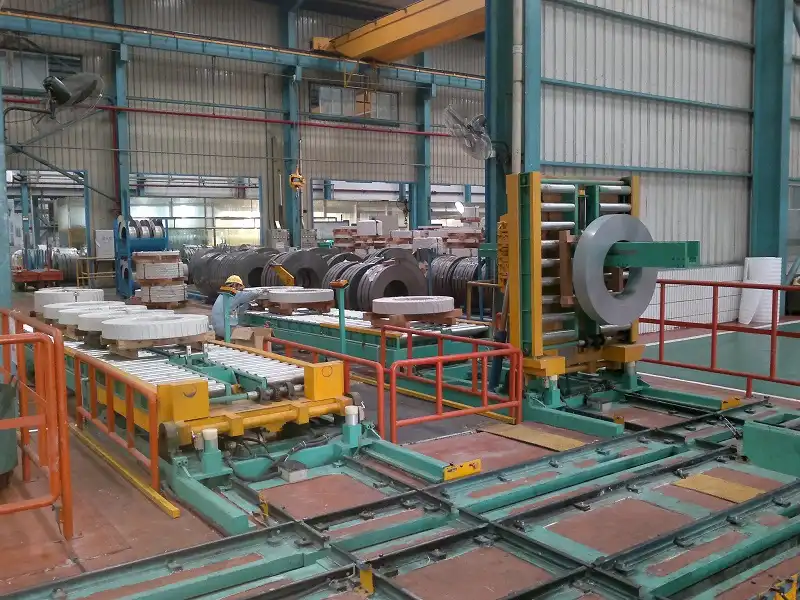
Let’s look at the steps involved in integrating these advanced systems into a busy factory environment.
Integrating Automation into Japanese Production Flows:
For Japanese factories, smooth integration is critical. It means minimizing interruptions and ensuring the new system works well with everything else.
-
Assessment and Planning (The Blueprint):
- Before anything else, my team would visit the plant (or do a detailed virtual assessment). We look at the existing layout.
- We study the current flow of coils, from the slitting line or rolling mill to the loading dock.
- We measure available space and identify connection points. This step is crucial for custom engineering.
- We discuss specific needs: coil dimensions, weight, desired packing materials, and required throughput.
- (Japanese metal processing line integration, coil packaging system design)
-
Customization and Design (Tailored Solutions):
- Automatic coil packing machines are not one-size-fits-all. They need to fit the plant’s unique requirements.
- We design the machine to handle specific coil diameters, widths, and weights.
- The machine’s speed is set to match the upstream production line. This prevents new bottlenecks.
- We consider different packing methods: radial wrapping, eye wrapping, stretch wrapping, or a combination.
- The control system is designed for easy operation by existing staff.
- (Custom automatic coil packing machines, industrial automation customization Japan)
-
Mechanical Integration (Physical Fit):
- This involves positioning the machine on the factory floor.
- It includes connecting it to existing conveyor systems or cranes for coil transfer.
- Sometimes, small adjustments to the floor plan are needed. But the goal is to use existing infrastructure as much as possible.
- Safety features are a top priority. Interlocks and emergency stops are integrated with the plant’s overall safety system.
- (Coil packaging machine installation Japan, heavy equipment integration)
-
Electrical and Control Integration (The Brains):
- The packing machine’s electrical system needs to connect to the plant’s power supply.
- Its control system (PLC) must communicate with other machines on the line. This ensures a smooth, synchronized operation.
- For example, the packing machine knows when a coil is ready from the slitter and sends a signal when it’s done.
- Data can be integrated into the plant’s Manufacturing Execution System (MES) for better tracking and reporting. This helps managers like Jose monitor performance.
- (Industrial control systems Japan, smart factory integration)
-
Testing, Training, and Support (Smooth Transition):
- After installation, thorough testing ensures everything works perfectly.
- My engineers train the local operators and maintenance staff. They learn how to run the machine, troubleshoot minor issues, and perform routine maintenance.
- This training is vital for long-term success. It empowers the factory’s own team.
- Ongoing technical support ensures any future issues are quickly resolved.
- (Automatic packing machine training, after-sales support Japan)
This systematic approach minimizes disruption and ensures the automatic coil packing machine becomes a valuable, integrated part of the Japanese metal processing line. It moves beyond just a machine to become a truly optimized system.
4. What should Japanese factory managers consider when choosing an automatic coil packing machine supplier?
Choosing the right supplier is as important as choosing the right machine. I learned this early in my career. Some suppliers are only interested in making a sale. Others become true partners, helping you succeed for years. For factory managers in Japan, this choice is especially critical. They need reliability, expertise, and strong after-sales service. They want a partner who understands their unique challenges, much like Jose seeks.
When selecting an automatic coil packing machine supplier, Japanese factory managers should prioritize proven industry expertise, a track record of reliable equipment, and comprehensive after-sales support. It is crucial to choose a partner who offers custom engineering solutions, understands specific production challenges, provides clear ROI analysis, and values long-term collaboration. This ensures the investment leads to sustainable improvements in efficiency, safety, and profitability, rather than just a one-time purchase. 
Let’s explore the key factors that Japanese factory managers should weigh when making this important decision.
Key Considerations for Supplier Selection:
Making the right choice for a supplier can define the success of your automation project.
-
Proven Expertise and Industry Understanding:
- Does the supplier truly understand metal processing? Do they know about coil handling, tension, and material science?
- Look for a company with a history of successful installations in heavy industry. I built FHOPEPACK based on years of direct experience in this field. I know the nuances of coil packing, from steel wire to large coils.
- A supplier who speaks your language of production bottlenecks, safety concerns, and quality demands is invaluable.
- (Experienced coil packing machine suppliers Japan, metal industry automation experts)
-
Equipment Reliability and Durability:
- Japanese factories operate in harsh environments. The equipment must be built to last.
- Ask about the materials used, the engineering standards, and the expected lifespan of the machines.
- Reliability means less downtime. Downtime means lost production and significant costs.
- A robust machine might cost more upfront, but it pays for itself many times over in continuous operation.
- (Durable automatic packing machines, reliable industrial equipment Japan)
-
Customization Capabilities:
- No two factories are exactly alike. Can the supplier adapt their standard machines to your specific coil sizes, weights, and factory layout?
- Do they offer tailored solutions or just off-the-shelf products?
- The ability to customize ensures the machine fits seamlessly into your unique production flow.
- (Custom coil packaging solutions Japan, flexible automation suppliers)
-
Comprehensive After-Sales Service and Support:
- What happens after the sale? This is where many suppliers fall short.
- Does the supplier offer installation, training, spare parts, and quick technical support?
- For a Japanese plant, local support or readily available remote support is vital. You need issues resolved fast.
- A strong service network ensures your machine stays operational and performs optimally throughout its life. This is a commitment I make with FHOPEPACK.
- (After-sales support for packing machines Japan, technical service for industrial equipment)
-
Clear Return on Investment (ROI):
- Any investment in machinery must show a clear financial benefit.
- Can the supplier help you calculate the ROI? This includes savings on labor, reduced damage, increased output, and improved safety.
- A transparent ROI analysis helps justify the capital expenditure to stakeholders.
- (ROI calculation for industrial automation, cost-benefit analysis for packing machines)
-
References and Reputation:
- Ask for references from other customers, especially in Japan or similar heavy industries.
- What is their reputation in the market? A reputable supplier, like Fengding (FHOPEPACK), builds long-term relationships based on trust and performance. Wuxi Buhui is also a reputable choice.
- (Best coil packing machine manufacturers Japan, trusted industrial suppliers)
Choosing wisely means looking beyond the initial price tag. It means selecting a partner who will help your Japanese metal processing plant thrive in the long run.
My Insights!
The journey of FHOPEPACK, from my early days on the factory floor to leading my own successful packing machine manufacturing business, has taught me one central truth: knowledge shared is power multiplied. When I see the challenges faced by factory managers in Japan, I see echoes of my own struggles and triumphs. They are striving for efficiency, safety, and growth, just as I did. This push towards automatic coil packing machines is not just a trend; it’s a fundamental shift driven by real operational needs.
From my experience, the core problem is often a disconnect. Managers know what they need, but finding a partner who truly understands their pain points and can deliver a robust solution is rare. This is why I stress the importance of expertise and partnership. A machine is just metal and wires without the deep understanding of how it will impact a factory’s daily operations.
I believe that successful automation isn’t about replacing people, but empowering them. By automating repetitive and dangerous tasks, factories can reallocate their skilled workforce to more valuable roles, fostering innovation and job satisfaction. This is the future of manufacturing, and Japan is showing the way. Their move to automate is a strategic one, focusing on long-term sustainability and competitiveness. It’s a testament to their commitment to excellence, a principle I deeply admire and strive to uphold at FHOPEPACK. I am dedicated to being that reliable partner, sharing my insights to help every factory manager achieve their vision of a more efficient, safer, and profitable operation.
Conclusion
Japanese metal processing plants are leading the charge in adopting automatic coil packing machines to tackle critical issues like manual inefficiencies, safety risks, and product damage. This strategic upgrade significantly boosts throughput, enhances worker safety, and ensures product quality, delivering a strong return on investment. For factory managers looking to modernize, choosing a supplier with proven expertise and strong support is key to a successful implementation. Explore how a steel coil packing line can transform your operations.








