
Is Your Metal Processing Factory in Mexico Losing Money to Inefficient Steel Coil Packing?
Have you ever looked at your production line, especially the packing end, and felt a knot in your stomach? The pressure to boost output, cut costs, and keep workers safe is immense, isn’t it? Many factory managers, just like you, Michael, are grappling with outdated manual processes that drain profits and introduce unnecessary risks. It’s a challenge I understand deeply from my own journey building FHOPEPACK.
Factories across Mexico are facing significant losses due to inefficient and unsafe steel coil packing methods, leading to production bottlenecks, costly product damage, and serious safety hazards for workers. Implementing automated steel coil packing lines is the most effective solution to these issues, dramatically improving efficiency, ensuring worker safety, and protecting product quality, ultimately boosting profitability for metal processing operations in heavy manufacturing industries.
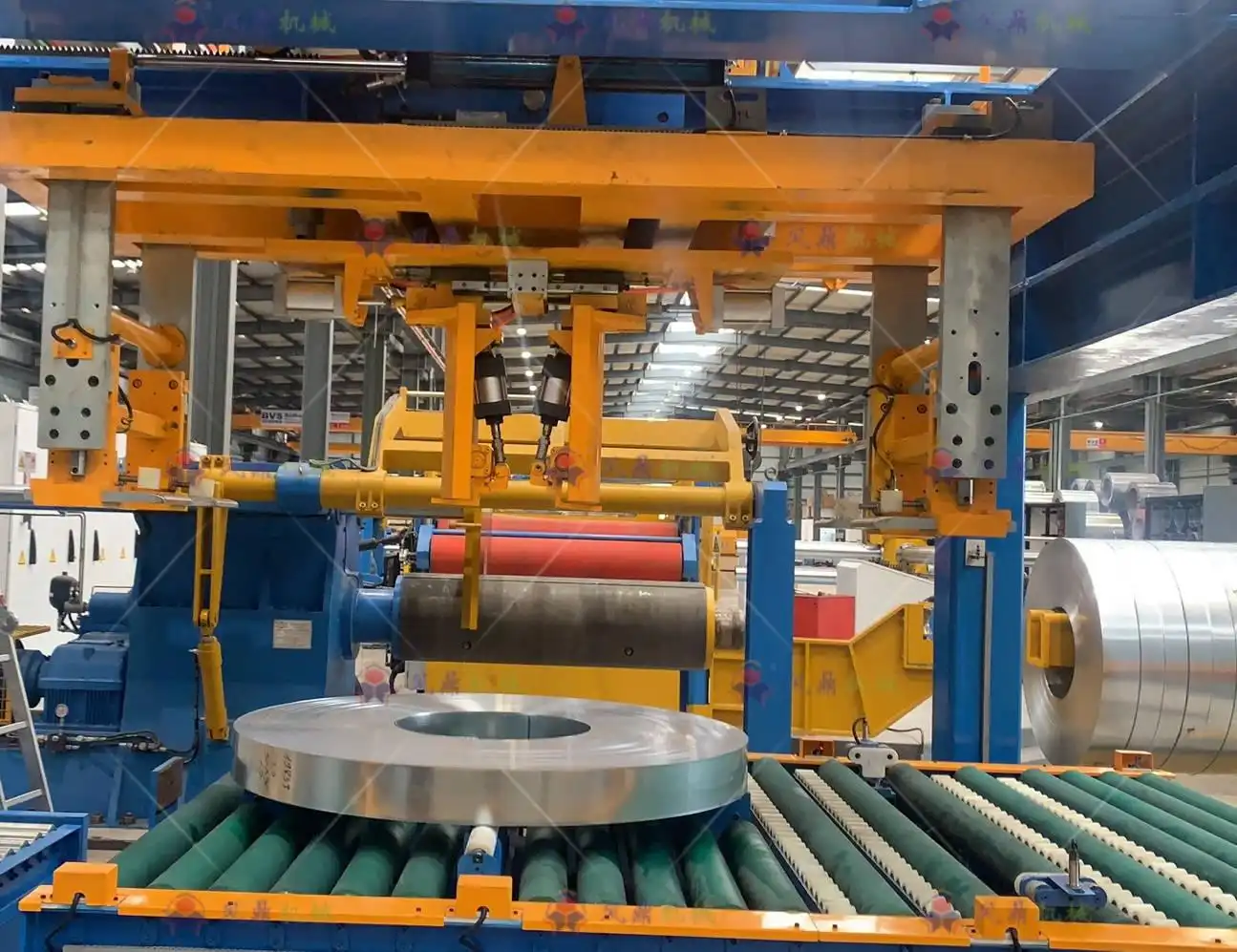
I’ve seen firsthand how a factory’s success hinges on reliable and efficient operations. If these problems sound familiar, you’re not alone. Many businesses struggle with these critical issues. Let’s dive into how you can transform these challenges into opportunities for growth and profitability.
1. How Can Automated Steel Coil Packing Lines Boost Your Production Output?
Are you tired of slow, manual packing processes bottlenecking your entire production? The frustration of watching finished coils pile up, waiting for labor-intensive handling, is a common pain point for factory managers like Michael. This inefficiency isn’t just annoying; it directly impacts your delivery schedules and overall business growth.
Automated steel coil packing lines dramatically increase production output by replacing slow manual labor with high-speed, consistent machinery, eliminating bottlenecks at the end of the production line. These advanced systems ensure faster throughput and continuous operation, which is critical for metal processing factories aiming to meet high demand and improve their delivery efficiency in the competitive Mexican industrial market.
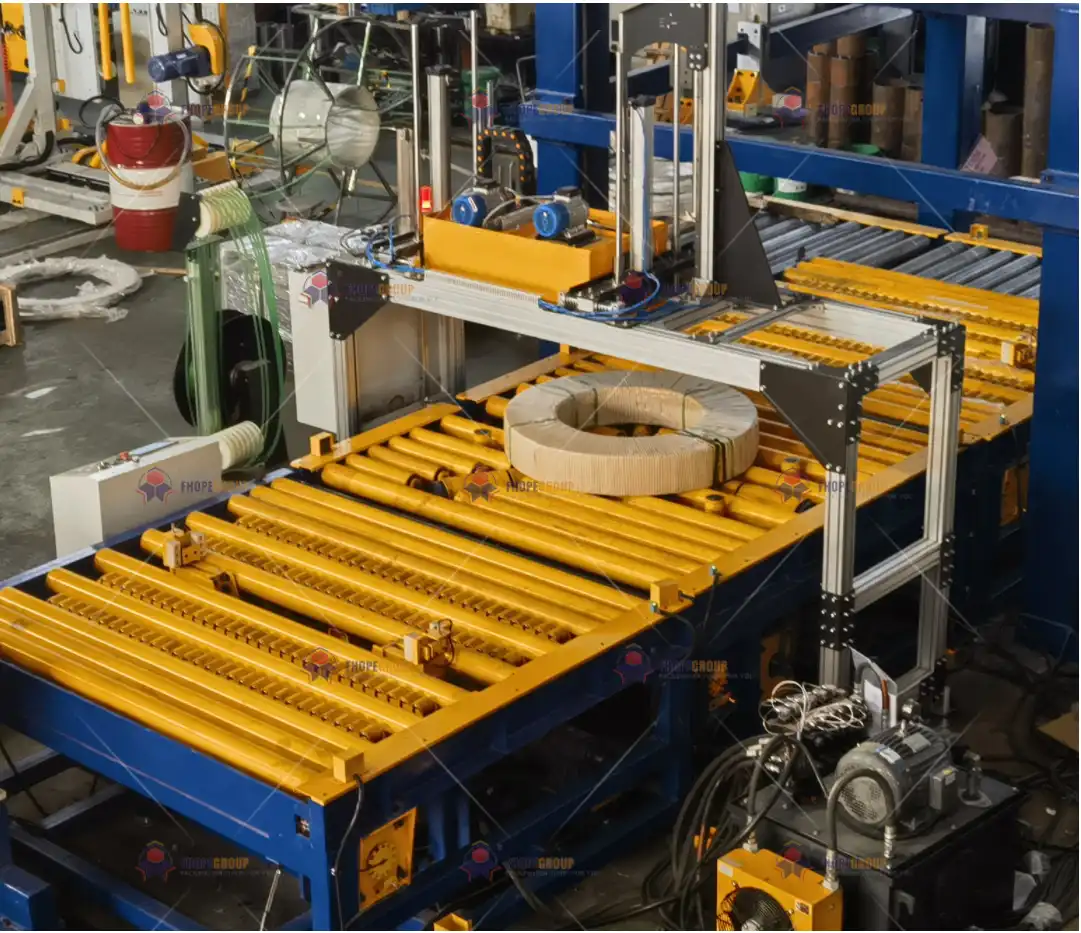
The Bottleneck Breakdown: Why Manual Packing Fails Modern Production
Manual packing, while traditional, is inherently limited in speed and consistency. It relies on human effort, which varies and is prone to fatigue. This slows down your entire line. For a medium to large metal processing factory, every minute of downtime or slow processing means lost production. Think about the cumulative effect of these delays over a year. The numbers can be staggering. We often see factories struggling to scale simply because their packing department cannot keep up. This creates a ripple effect, impacting inventory management and customer satisfaction. The goal is always to move products from the factory floor to the customer as quickly and efficiently as possible. (packing line bottlenecks, manual labor inefficiencies)
- Speed Limitations:
- Human operators can only work at a certain pace.
- Tasks like wrapping, banding, and labeling take time.
- Automation handles these tasks much faster.
- Inconsistency:
- Manual packing quality can vary.
- Automated systems provide uniform results every time.
- This ensures consistent product presentation.
- Labor Dependency:
- High reliance on available workforce.
- Staff shortages can halt production.
- Automation reduces this dependency significantly.
- Real-World Impact:
- Delayed shipments and missed deadlines.
- Increased operational costs due to overtime.
- Lost opportunities for higher sales volume.








