
Is Orbital Stretch Wrapper Better Than Shrink Film for Indonesian Exports?
Exporting goods from Indonesia brings many challenges. Think about long shipping routes. Think about various climates. Many manufacturers face problems like product damage, shipping delays, and high costs. These issues cut into your profits. They can also hurt your brand’s good name. It is clear that we need strong, cost-effective packaging solutions.
For Indonesian exports, an orbital stretch wrapper often performs better than shrink film. This is especially true for large, heavy, or irregularly shaped industrial products like steel coils or timber. Orbital wrapping offers superior protection against damage, moisture, and dust. It also greatly improves packing efficiency and worker safety.

You might be asking if this is true for your specific products. You might wonder if the cost is worth it. Let us look closer at both options. We will explore how they stand up to the tough demands of international shipping. This way, you can make the best choice for your factory.
Why Does Packaging Matter So Much for Exports from Indonesia?
International shipping is a tough process. Your products travel far. They go through many hands. They face different weather conditions. Imagine your goods leaving a hot, humid factory in Indonesia. Then, they sit on a ship in the open sea. Finally, they arrive in a colder country. If the packaging is not good enough, your product can get damaged. This means lost money. It also means unhappy customers. Good packaging protects your product. It protects your brand’s reputation too.
Packaging is very important for Indonesian exports. It ensures product protection, maintains quality, and makes customers happy. This is crucial because of long transit times and varied environmental conditions during shipping.
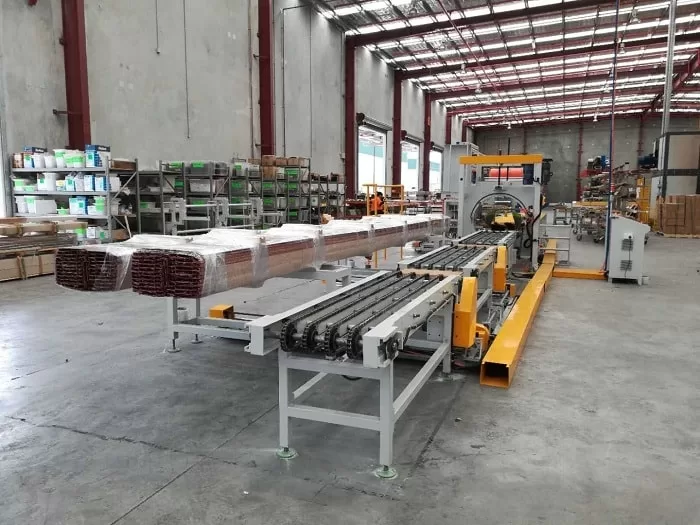
When I started my packing machine factory, I saw many times how bad packaging hurt businesses. It was not just about the damaged product. It was about the trust lost. It was about the extra costs of returns and complaints. For Michael, a factory manager, losing products like steel coil edges means customer complaints and lost profits. This is a real problem. Good packaging solves this. It makes sure your products arrive in perfect condition. This keeps your customers happy. It also builds trust in your brand.
The Harsh Realities of Export Logistics
Exporting from Indonesia means your goods face a gauntlet. They start in your factory. They go to a port. Then, they travel by sea. They might go by land again in the destination country. Each step has risks.
- Handling: Forklifts, cranes, and manual labor move your products. Drops, bumps, and scrapes are common. If your packaging is weak, it will fail here. I have seen countless times how heavy coils, without proper protection, suffer dents and scratches during loading and unloading. This is why durability matters.
- Sea Transit: Ships move a lot. Your cargo shifts. High humidity in the cargo hold can cause rust or mold if not sealed correctly. Saltwater spray is another threat. These conditions are not kind to poorly wrapped goods.
- Climate Changes: Goods might leave a tropical climate. They might arrive in a cold, dry one. Temperature swings can cause condensation inside packaging. This leads to moisture damage. Good packaging must handle these changes.
- Long Durations: Export journeys take weeks, sometimes months. Packaging must stay strong for this entire time. It cannot degrade or tear easily. This is a crucial point for materials like steel wire. If the packing fails mid-journey, the product is ruined.
Protecting Your Reputation and Bottom Line
Your product’s journey does not end when it leaves your factory. It ends when your customer receives it and is happy. If products arrive damaged, your customer will complain. This damages your reputation. It also hurts your profit. You might have to replace the product. You might lose future orders.
| Factor | Impact on Business |
|---|---|
| Product Damage | Loss of revenue, cost of replacement, waste |
| Customer Claims | Reputation damage, legal costs, lost future sales |
| Shipping Delays | Contract penalties, customer dissatisfaction |
| Insurance Costs | Higher premiums due to frequent claims |
| Brand Image | Perceived as unreliable, losing competitive edge |
Think of the coil packing and steel wire packing I have helped factories with. When a perfectly coiled wire arrives, the customer is happy. When it arrives with a damaged edge, it becomes a problem. This is why I always tell my clients to invest in good packaging. It is not just an expense. It is an investment in your brand and your future sales. It is about protecting the hard work you put into making that product. For factory managers like Michael, this means fewer headaches and a healthier bottom line. We want to deliver quality, not just make a sale.
What Challenges Do Indonesian Exporters Face with Traditional Shrink Film?
Shrink film seems like an easy and cheap option for many. You wrap the product, then apply heat. It shrinks tightly around the item. But for heavy, industrial products, especially those from Indonesia meant for export, shrink film often has many hidden problems. It can fail to protect items well. This leads to damage. It means you spend money, but still face issues. We need to look closely at its real limits.
Traditional shrink film has challenges for Indonesian exporters of heavy or industrial goods. These include poor protection against sharp edges, susceptibility to UV damage, and high material use. It also often needs more labor and energy for effective wrapping.
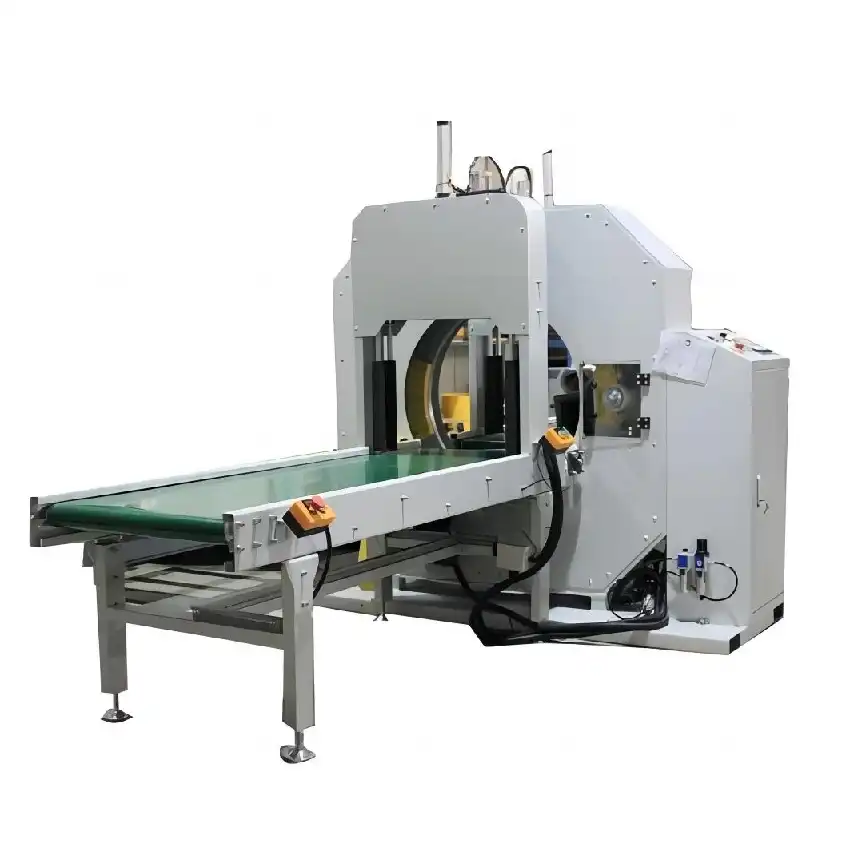
Many years ago, when I was starting in the packing machine industry, I saw factories using shrink film for almost everything. It worked okay for some items. But for heavy items, like metal coils or bundles of steel bars, it was a constant headache. I saw products damaged inside the film because the film itself was not strong enough. This caused delays and frustrated customers. Michael, as a factory manager, wants to avoid product loss. Shrink film, despite its common use, can be a major source of product damage during transit.
Material Limitations and Vulnerabilities
Shrink film has some basic weaknesses when used for demanding export conditions:
- Puncture and Tear Resistance: Shrink film is generally thin. It easily gets punctured or torn by sharp edges. Think about the edges of a steel coil or the end of a timber bundle. These can easily break through shrink film. Once the film is torn, the product is exposed. This makes it vulnerable to moisture, dust, and further physical damage.
- UV Degradation: Most standard shrink films are not designed for long exposure to sunlight. UV rays can make the film brittle over time. It loses its strength and can crack. For goods stored outdoors at ports or during long sea journeys, this is a big problem.
- Condensation Issues: Heat is needed to shrink the film. When the wrapped product then cools, or when it moves through different temperatures, condensation can form inside the film. This traps moisture right against your product. For metal products, this means rust. For timber, it means mold or warping. This is a common issue I have seen.
- Uneven Shrinkage: Achieving a perfectly tight and even shrink around oddly shaped products can be hard. If the film does not shrink evenly, some parts of the product are loose. This makes them more prone to shifting and damage during transport.
- Environmental Concerns: Many shrink films are made from PVC or other plastics that are harder to recycle. As environmental rules become stricter, this can be a problem for exporters.
Operational Inefficiencies and Costs
Beyond the material issues, using shrink film often creates operational problems:
- Labor Intensive: Shrink wrapping large, heavy products often needs many workers. They must position the film, apply heat, and handle the product. Michael’s challenge with manual labor for coil and wire packing is very real. This increases labor costs and adds safety risks for workers.
- Energy Consumption: Shrink tunnels or heat guns use a lot of energy. They need high temperatures to shrink the film. This leads to higher electricity bills. For a factory manager like Michael, controlling costs is a big pressure.
- Slow Process: Shrink wrapping can be slow. Each item needs individual attention. It needs heating time. This slows down the end of the production line. Michael specifically mentioned efficiency bottlenecks with current manual packing.
- Material Waste: Sometimes, you need to use more film than necessary to get enough strength. Or, if the shrinkage is not right, you might have to re-wrap. This leads to material waste and higher costs.
| Problem Area | Shrink Film Limitation for Exports |
|---|---|
| Product Protection | Poor puncture/tear resistance, UV degradation, condensation risk |
| Operational Efficiency | High labor needs, high energy use, slow process |
| Cost Implications | High material waste, increased utility bills, labor costs |
| Safety Concerns | Manual handling for large items, heat source risks |
| Environmental Impact | Often made with less recyclable plastics |
These points show that while shrink film has its place, it often falls short for the demanding needs of Indonesian exporters, especially for heavy industrial goods. We need a solution that truly protects, optimizes, and secures.
How Does an Orbital Stretch Wrapper Solve These Problems for Indonesian Exporters?
We know the problems with traditional shrink film for heavy goods. We need a stronger, more efficient way to pack. Manual packing or bad film causes product damage and worker risks. An orbital stretch wrapper offers a strong, automated answer. It changes how factories handle their exports. It protects products better and makes the packing process much faster and safer.
An orbital stretch wrapper helps Indonesian exporters with many things. It gives better product protection. It uses automation for higher efficiency. It makes the workplace safer by cutting down manual lifting. It also helps control costs. This is much better than shrink film, especially for big or heavy items like steel coils, pipes, and timber bundles.

From my own journey, building and running a successful packing machine factory, I saw how automation transformed businesses. I saw factories go from struggling with manual packing to smoothly sending out products. An orbital stretch wrapper was a key part of this. It directly tackles the efficiency bottlenecks and safety hazards Michael faces. It means less manual lifting of heavy items, which is a major win for worker safety and reduces injury risks.
Superior Protection for Demanding Journeys
Orbital stretch wrappers are built for tough jobs. They offer protection that shrink film cannot match:
- Exceptional Load Containment: The machine wraps the product horizontally. It uses strong stretch film. This creates a tight, secure bond around the item. It prevents shifting during transit. For long items like pipes or timber, this is crucial. The film tightly bundles them together.
- Puncture and Tear Resistance: Stretch film is much more elastic and puncture-resistant than shrink film. It can stretch a lot. This means it can absorb impacts without tearing. Sharp edges of steel coils or rough surfaces of timber are less likely to break through. This keeps your products safe from physical damage.
- Weather Protection: The stretch film offers a good barrier against dust and moisture. It wraps tightly. This makes it hard for water or dirt to get in. For goods moving through different climates and potentially exposed at ports, this protects against rust, mold, and general spoilage.
- Breathability vs. Sealing: While shrink film can trap condensation, stretch film allows a little air exchange. This can help prevent condensation build-up in some cases, while still protecting from external moisture.
- UV Resistance Options: You can get stretch film with UV stabilizers. This protects the packaging and your product even during long outdoor storage or transit.
Boosting Efficiency and Worker Safety
An orbital stretch wrapper is a MASTER PACKING MACHINE for efficiency. It directly addresses many of the challenges factory managers face:
- Automation: These machines work mostly by themselves. Workers just need to load and unload the product. This greatly reduces the need for manual labor in the packing process. Michael’s challenge of too much manual work for coil and wire packing is solved here.
- Faster Wrapping Cycles: An orbital wrapper can wrap products much faster than manual methods or traditional shrink film. The machine spins the film around the product quickly. This means your end-of-line bottleneck disappears. Products move out faster. This boosts overall production speed and delivery times.
- Improved Worker Safety: This is a huge benefit. No more heavy manual lifting or turning of products. The machine does the hard work. This drastically lowers the risk of worker injuries. Less injuries mean lower insurance costs. It also means a happier, safer workforce. This was a big concern for Michael.
- Material Savings: Orbital wrappers use “pre-stretch” technology. This means the machine stretches the film before it applies it to the product. This makes the film much longer. You use less film per package. This saves a lot of money on material costs over time.
- Versatility: Orbital wrappers can handle many different shapes and sizes. They are great for long items. They work for bulky items. They handle irregular items. This makes them a flexible solution for various export products from Indonesia.
| Feature | Orbital Stretch Wrapper Benefit for Exporters |
|---|---|
| Protection Quality | High puncture resistance, excellent load containment, weather barrier, UV options |
| Operational Speed | Fast automated cycles, removes packing bottlenecks |
| Worker Safety | Reduces manual handling, lowers injury risk, cuts insurance costs |
| Cost Efficiency | Material savings via pre-stretch, lower labor costs, reduced product damage |
| Product Versatility | Wraps diverse shapes (coils, pipes, timber, panels) |
| Environmental | Often uses recyclable PE film, less energy than heat shrinking |
In my experience, moving to an orbital stretch wrapper is not just buying a machine. It is an investment in your factory’s future. It makes your operations smoother, safer, and more profitable. For Indonesian companies exporting large, heavy goods, it is often the smart choice.
Is the Investment in Orbital Stretch Wrapping Worth It for Your Indonesian Business?
Investing in new equipment can feel like a big step. Many factory managers worry about the upfront cost. They often overlook the big savings that come later. But for the tough world of Indonesian exports, an orbital stretch wrapper offers clear, long-term benefits. It often pays for itself. Let us break down how you can see a real return on your investment.
Investing in an orbital stretch wrapper for Indonesian export businesses provides strong long-term returns. This happens through less product damage, lower labor costs, faster packing times, and happier customers. These things together lead to a good return on investment (ROI).
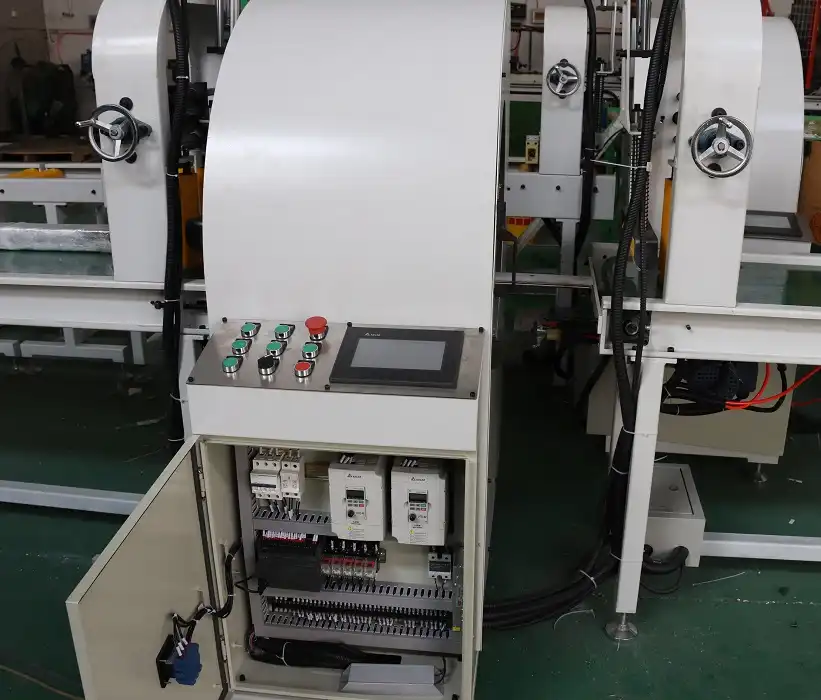
When I built my packing machine factory, every investment had to make sense. It was not about buying the cheapest machine. It was about buying the machine that would help my clients grow their businesses and help me grow mine. I learned that looking at the big picture for investments is key. Michael, as a factory manager, needs clear ROI. He wants to know if the equipment will really make his factory more profitable. I can tell you that for heavy industrial goods, the numbers often speak for themselves.
Calculating Your Return on Investment (ROI)
To decide if an orbital stretch wrapper is worth it, you need to look at both the cost and the savings.
- Initial Investment: This includes the machine cost, shipping, installation, and training. It might seem high at first.
- Operational Costs: This includes film, electricity, and maintenance.
Now, let us look at the savings. These are where the ROI becomes clear:
- Reduced Labor Costs: An automated machine can replace several workers doing manual packing. Think about how many hours are spent manually wrapping heavy coils or bundles. This saving alone can be huge. Michael’s concern about high labor for current packing is directly addressed.
- Material Savings: As I mentioned, pre-stretch technology means you use less film. This saves money on every single package. Over a year, this adds up.
- Reduced Product Damage: This is a big one. Less damage means fewer customer complaints. It means fewer returns. It means less need to replace goods. It saves you the cost of damaged goods and the time spent dealing with problems. Michael’s issue with damaged coil edges is directly solved.
- Increased Throughput: Faster packing means you can process more goods in less time. This can help you meet deadlines. It can even let you take on more orders. This directly boosts your overall profitability.
- Lower Insurance Claims: Fewer worker injuries and less product damage can lead to lower insurance premiums over time.
You can calculate ROI by comparing the money saved and earned against the initial cost. For example, if you save $5,000 per month in labor and material, and the machine costs $50,000, it can pay for itself in just 10 months. This is a very strong ROI for many businesses.
Beyond Cost Savings: Intangible Benefits
ROI is not just about direct money. There are other important benefits that are harder to put a number on:
- Enhanced Worker Safety: While it is hard to put a price on preventing an injury, a safer workplace leads to happier employees. It reduces employee turnover. This creates a better working environment. This was a key goal for Michael.
- Improved Brand Reputation: When your products always arrive in perfect condition, your customers trust you more. They see you as reliable. This leads to repeat business and positive referrals.
- Meeting Export Standards: Robust packaging ensures your products comply with international shipping regulations. This avoids costly delays or rejections at ports.
- Competitive Advantage: Having efficient, safe, and reliable packaging can set you apart from competitors in the Indonesian export market.
| ROI Factor | Benefit / Impact on Business |
|---|---|
| Direct Costs | Initial machine cost, installation, training, film, electricity, maintenance |
| Labor Savings | Reduced manual labor, lower wages, fewer benefits, less overtime |
| Material Savings | Less film used per package due to pre-stretch technology |
| Damage Reduction | Fewer customer complaints, less product waste, lower replacement costs |
| Efficiency Gains | Faster production, higher throughput, ability to handle more orders |
| Safety Improvements | Lower injury rates, reduced insurance premiums, better employee morale |
| Reputation Boost | Increased customer satisfaction, stronger brand image, repeat business |
From my experience, the investment in a high-quality orbital stretch wrapper is almost always worth it for factories in Indonesia dealing with heavy export goods. It is a strategic move that pays off in many ways, both financially and operationally.
My Insights: Choosing the Right Solution for Your Factory?
With so much information, choosing the best packaging solution can be tough. Making the wrong choice can cost you a lot of time and money. I want to share what I learned from my own factory journey. This will help you make a smart decision. It is about finding a true partner, not just buying a machine.
Based on my experience in the packing machine industry, picking the right solution means truly understanding your product, the conditions for export, and your factory’s goals. For many, especially with heavy goods, orbital stretch wrapping stands out for its strength and efficiency.
In my early days, as an employee and then starting my own factory, I saw many sales teams. They just wanted to sell a machine. They did not care about the customer’s real problems. I decided my company, FHOPEPACK, would be different. Our mission is to share knowledge and help others succeed. For a factory manager like Michael, who has dealt with suppliers who only care about sales and have poor after-sales service, finding a true partner is crucial.
Understanding Your Unique Needs
Every factory is different. Your product is unique. Your export routes have their own challenges. There is no one-size-fits-all answer.
- Your Product: Is it heavy? Is it long? Does it have sharp edges? Is it sensitive to moisture? For example, steel coils and timber beams need very different protection than light boxes. I always tell clients to consider what their product faces during its entire journey.
- Export Conditions: Where are your goods going? How long is the transit? Will they be stored outdoors at a port? Is the destination humid or dry? These factors dictate the level of protection needed. Indonesian exports, by nature, often face demanding conditions.
- Operational Goals: What are your main challenges? Is it slow packing? High labor costs? Too many damaged products? Worker safety? Michael’s issues—efficiency bottlenecks, safety hazards, product damage—are common but need specific solutions.
- Budget and ROI: How much can you invest? What return do you expect? We discussed ROI earlier. It is about understanding the long-term gains, not just the upfront cost.
I remember helping a client who was manually wrapping huge bundles of steel bars. Workers were constantly hurting their backs. Production was slow. After truly understanding their process, we suggested an orbital stretch wrapper. The change was immediate. Safety went up. Costs went down. This is the kind of understanding I aim for.
The Value of a True Partner
You do not just buy a machine. You buy a solution. You buy a relationship.
- Expert Guidance: Work with someone who understands your industry. Someone who knows packing machines inside out. Someone who can offer insights based on real-world experience. Like Michael wants, an expert who understands production bottlenecks and safety concerns.
- Customized Solutions: A good partner will not just push a standard machine. They will help you find the right model, with the right features, for your specific needs. They will look at your factory layout, your product flow, and your budget.
- Reliable After-Sales Service: What happens if the machine breaks down? Who helps you with parts or technical support? This is crucial. Poor after-sales service was a major pain point for Michael. A good partner offers strong support. This means less downtime for your factory.
| Key Consideration | Why It Matters for Your Choice |
|---|---|
| Product Characteristics | Dictates film strength, wrapping method, and machine capacity |
| Export Route & Climate | Determines need for UV protection, moisture barrier, overall durability |
| Current Factory Bottlenecks | Identifies core problems like manual labor, slow speed, safety risks |
| Long-term Business Goals | Drives decision towards automation, cost-saving, or reputation building |
| Supplier’s Expertise | Ensures correct machine selection, proper installation, ongoing support |
My goal at FHOPEPACK is to be that partner. I have seen the industry from the ground up. I built a successful packing machine factory. Now, I want to share that knowledge. I want to help you master your packing process. For many Indonesian exporters, an orbital stretch wrapper is the answer. It is a step towards a more efficient, safer, and more profitable future.
Conclusion
For Indonesian exports, orbital stretch wrappers generally offer superior protection, efficiency, and safety compared to shrink film, especially for heavy industrial goods, making them a wise investment for long-term success.








