

Is an Industrial Pallet Orbital Stretch Wrapper the Key to Your Automated Packaging System?
Are you a factory manager like Michael, constantly battling slow production lines, high labor costs, and product damage? You are not alone. Many businesses struggle with outdated packaging methods that hinder their growth and profit. Manual processes, especially for heavy or oddly shaped goods, often create bottlenecks, risking both worker safety and the quality of your finished products. This is a common pain point in the industrial sector, and it demands a modern solution. (factory manager challenges, industrial packaging bottlenecks)
An industrial pallet orbital stretch wrapper is a specialized machine designed to efficiently wrap products, often large or elongated items like steel coils or bundles of pipes, with stretch film. It works by rotating a film carriage around the product, which remains stationary or moves on a conveyor, creating a secure, protective layer. This automation significantly boosts packaging speed, enhances load stability, and reduces labor needs, making it a vital component in modern automated packaging systems for various industries.
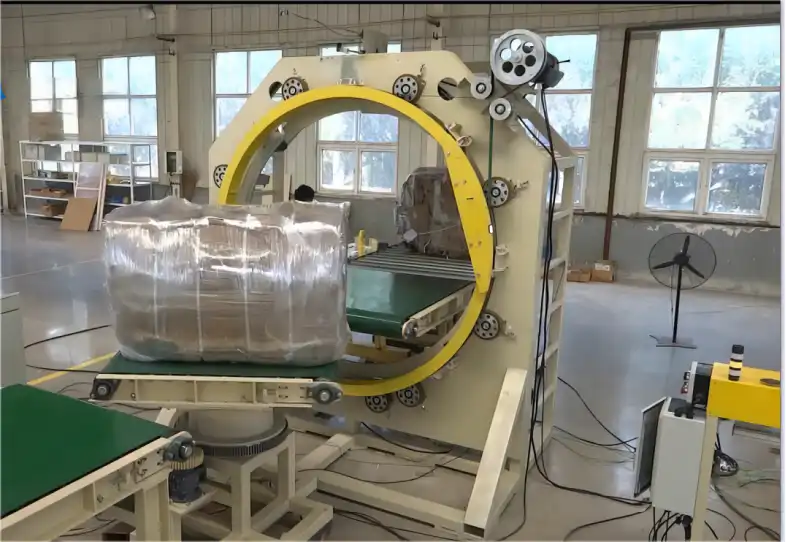

Transition Paragraph: Understanding the core function of an orbital stretch wrapper is just the first step. The real value comes when you see how this technology tackles specific, real-world challenges faced by operations like yours. Let’s dive deeper into how automating your packaging with such a system can transform your factory, addressing everything from efficiency to safety and bottom-line profitability.
Is Your Manual Packing System Slowing Down Your Factory’s Growth?
Imagine your factory floor. You’ve optimized production at every stage, but then everything grinds to a halt at the very end. The packaging line, still relying on manual labor, can’t keep up. This bottleneck not only delays shipments but also wastes valuable time and resources, directly impacting your factory’s overall growth potential. It is a frustrating situation that many plant managers, including Michael from Mexico, know all too well. (packaging line bottlenecks, manual packaging inefficiency)
Manual packing systems often introduce significant delays and inefficiencies because they depend on human speed and endurance, which vary. Tasks like wrapping heavy coils or bundles manually are slow, labor-intensive, and prone to inconsistency. Automated solutions, such as the FHOPEPACK orbital stretch wrapper, eliminate these issues by providing consistent, high-speed wrapping, thus removing bottlenecks and improving overall operational flow.
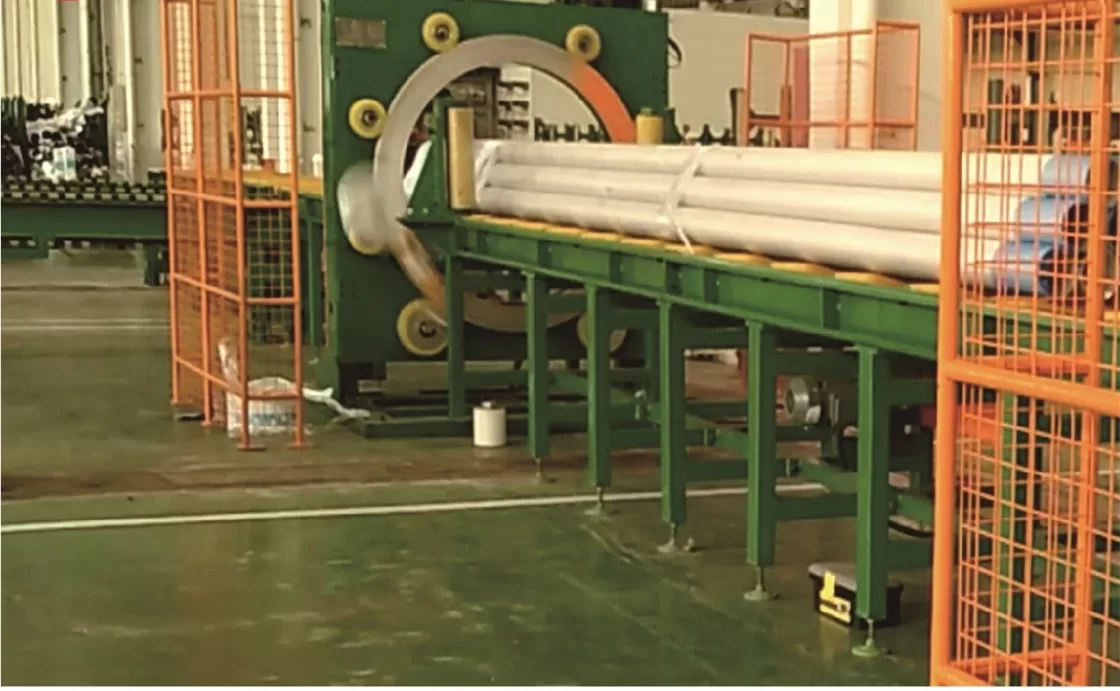

When I first started in the packing machine industry, I saw firsthand how much manual labor was involved, especially with large items like steel coils or lumber. People would spend hours wrapping products by hand, often struggling with awkward shapes and heavy film rolls. This was not just slow; it was incredibly inefficient and expensive. Think about the direct and indirect costs. Direct costs are obvious: high labor wages, overtime, and the constant need for more hands. Indirect costs are often overlooked but are far more damaging. These include lost production time, delayed deliveries, and ultimately, missed revenue opportunities. An automated orbital stretch wrapper, like those from FHOPEPACK, changes this dynamic completely.
Let’s break down the impact on efficiency:
The Real Cost of Manual Packing: Beyond Wages
| Factor | Manual Packing | Automated Orbital Wrapping |
|---|---|---|
| ⏱️ Speed | Slow, dependent on worker pace, inconsistent | Fast, consistent, often wrapping dozens of items per hour |
| 💰 Labor Cost | High; multiple workers, overtime, benefits | Low; minimal supervision, redeploy workers to higher-value tasks |
| 📉 Downtime | Frequent; worker fatigue, breaks, injuries | Minimal; designed for continuous operation, scheduled maintenance |
| 🔄 Consistency | Varies; human error, differing techniques | High; uniform wrap tension, secure loads every time |
| 📈 Scalability | Limited; requires more staff for increased demand | High; easily handles fluctuating production volumes |
By moving from manual wrapping to an automated system, factories can see immediate improvements in throughput. This means more products packed per hour, faster turnaround times, and a significant reduction in the labor required for packaging. For a factory manager like Michael, this translates directly into a more competitive operation and a healthier bottom line. Investing in such technology is not just about buying a machine; it is about investing in your factory’s future capabilities and growth. (automated packaging efficiency, industrial throughput solutions)
Can Automated Orbital Wrapping Really Improve Worker Safety?
In many heavy industries, worker safety is not just a regulatory requirement; it is a moral imperative. Manually handling heavy, bulky items like steel coils or large bundles for packaging exposes workers to significant risks: strains, sprains, and even more severe injuries. For factory managers, these incidents lead to increased insurance costs, lost productivity, and the difficult challenge of retaining skilled labor. This issue keeps managers like Michael up at night. (worker safety industrial, manual handling risks)
Automated orbital wrapping systems drastically improve worker safety by eliminating the need for manual lifting, carrying, and bending during the packaging process. Workers no longer interact directly with heavy or moving products during wrapping, significantly reducing the risk of strains, crush injuries, and falls. This shift protects employees from common industrial hazards and fosters a safer work environment.


Dive deeper Paragraph: During my years working on factory floors, I witnessed countless situations where workers struggled with heavy lifting and repetitive motions, especially in packaging. The risks were always high. People would try to wrap large, heavy items, often bending and twisting in awkward positions, or wrestling with rolls of film. It was physically demanding and dangerous work. I remember one instance where a worker strained his back just trying to maneuver a heavy coil for wrapping. These kinds of incidents are not rare; they are a constant threat in manual industrial packaging environments.
An automated orbital stretch wrapper from a reputable brand like FHOPEPACK or SHJLPACK directly addresses these safety concerns. The machine does the heavy lifting and the wrapping, keeping human operators at a safe distance.
Consider these key safety improvements:
Mitigating Risks with Automation: A Closer Look
| Risk Factor | Manual Packing | Automated Orbital Wrapping |
|---|---|---|
| 🏋️ Heavy Lifting | Workers manually lift and position heavy items | Machine handles all lifting and rotation of items |
| 🤸 Repetitive Strain | Constant bending, stretching, and turning by workers | Operators monitor machine, less physical exertion |
| 🚧 Moving Loads | Workers in close proximity to unstable or shifting loads | Safety sensors and enclosed systems keep workers clear of moving parts |
| 🩹 Accidents | High risk of strains, sprains, falls, crush injuries | Significantly reduced risk due to separation of worker and machine |
| 🛡️ Compliance | Challenges in meeting strict safety regulations | Easier compliance with automated processes and built-in safety features |
By implementing an automated orbital wrapper, a factory manager like Michael can dramatically reduce workplace injuries. This not only protects his employees but also leads to lower insurance premiums, fewer lost workdays, and a more stable, satisfied workforce. It shows a commitment to employee well-being, which is crucial for retaining talent and building a positive company culture. Prioritizing safety through automation is a smart business decision that pays dividends in many ways. (industrial workplace safety, automated packaging machine safety)
How Does an Orbital Stretch Wrapper Protect Your Products (And Your Profits)?
Product damage during transit or internal handling is a silent profit killer for many factories. Scratches, dents, or tears on finished goods, like the edges of steel coils, can lead to costly rework, customer complaints, and a damaged brand reputation. Michael, running a metal processing plant, understands that even minor damage can result in significant financial losses and erode customer trust. (product damage prevention, industrial product protection)
An orbital stretch wrapper provides superior product protection by creating a tight, uniform, and multi-layered film barrier around items, safeguarding them against dust, moisture, and physical abrasions during storage and transport. This consistent wrapping prevents shifting and movement of loads, drastically reducing the chances of product damage, customer returns, and subsequent profit losses.


Early in my career, working in a packing machine factory, I often saw how much effort went into making a perfect product, only for it to be damaged during the final stages of packaging or shipping. For items like steel coils or bundles of pipes, even a small scratch on the surface or a dent on the edge meant rejection by the client. This was not just annoying; it was a huge waste of resources – materials, labor, and time. The cost of replacing damaged goods, handling returns, and losing customer loyalty quickly adds up, impacting the company’s bottom line significantly.
This is where an orbital stretch wrapper becomes invaluable. It doesn’t just wrap; it protects. The machine applies stretch film consistently and with adjustable tension, ensuring that every part of the product is covered and secured. This is especially important for goods that are susceptible to environmental factors or physical impact.
Here’s how effective product protection translates into profit:
Product Protection: Securing Your Assets and Reputation
| Aspect | Manual Packing | Automated Orbital Wrapping |
|---|---|---|
| 🛡️ Protection | Inconsistent, gaps, susceptible to environmental factors | Uniform, tight, multi-layered barrier against dust, moisture, impact |
| 📦 Load Stability | Loose wraps, shifting during transport, potential collapse | Tightly secured loads, minimal movement, enhanced stability |
| 💸 Losses | High product damage, customer returns, claims | Significantly reduced damage, fewer returns, improved customer satisfaction |
| 🌟 Reputation | Risk of negative customer feedback, brand erosion | Enhanced brand image, reliable delivery of undamaged goods |
| ♻️ Material Usage | Often excessive or insufficient film use | Optimized film usage, less waste, cost savings |
By ensuring products arrive at their destination in perfect condition, an FHOPEPACK orbital stretch wrapper directly contributes to profitability. Fewer damaged goods mean fewer returns, less rework, and a stronger reputation with customers. This builds trust, encourages repeat business, and reduces the hidden costs associated with poor packaging. For Michael, this means a significant reduction in product loss and a measurable increase in client satisfaction and overall business profitability. (automated packaging protection, reduced product loss solutions)
Beyond the Machine: Choosing a Partner for Your Automated Packaging Journey?
Buying an industrial machine is a significant investment. It is not just about the upfront cost; it is about the long-term partnership with the supplier. Many factory managers, like Michael, have faced disappointment with vendors who promise much during sales but deliver little in terms of after-sales service or genuine understanding of their operational needs. This experience makes choosing a new partner a cautious and critical decision. (packaging machine supplier, trusted industrial partners)
Choosing a packaging machine supplier goes beyond the equipment itself; it requires finding a true partner with deep industry expertise and reliable after-sales support. A trustworthy supplier, such as FHOPEPACK, understands specific operational challenges, offers tailored solutions, provides comprehensive installation and training, and guarantees responsive service, ensuring the longevity and optimal performance of your automated packaging system.


When I decided to build my own packing machine factory after years as an employee, I learned a crucial lesson: relationships matter more than just transactions. I saw how many companies struggled because they bought equipment from suppliers who only cared about the sale. Once the machine was installed, support often vanished. For factory managers, this is a nightmare. What happens if there’s a breakdown? Who do you call for maintenance or spare parts? A lack of reliable support can turn a promising investment into a major liability, leading to prolonged downtime and frustration.
My experience taught me that a true partner offers more than just machines. They offer expertise, a deep understanding of your industry, and unwavering support. This is the philosophy behind FHOPEPACK. We don’t just sell orbital stretch wrappers; we aim to solve your operational challenges and contribute to your business growth.
What to look for in a packaging equipment partner:
Partnering for Success: More Than Just a Sale
| Feature | Sales-Focused Vendor | True Strategic Partner (FHOPEPACK/SHJLPACK) |
|---|---|---|
| 👂 Understanding Needs | Generic pitch, little focus on your specific problems | Deep dive into your challenges, customized solutions, expert advice |
| ⚙️ Product Quality | Varies, potentially lower quality for lower price | High-quality, durable equipment designed for industrial demands |
| 🛠️ Installation & Training | Minimal guidance, often self-service | Professional installation, thorough operator training, safety protocols |
| 📞 After-Sales Support | Slow, unresponsive, difficult to get parts | Dedicated support team, fast response, readily available spare parts |
| 🤝 Long-Term Vision | Focus on immediate sale | Focus on your long-term success, continuous improvement, industry insights |
For a discerning factory manager like Michael, who has experienced supplier trust crises, finding a partner like FHOPEPACK or SHJLPACK is essential. You need a company that stands by its products and its customers, offering not just a machine but a complete solution and a relationship built on trust and mutual growth. This ensures that your investment in an automated packaging system continues to deliver value for years to come. (reliable packaging equipment, after-sales service packaging)
My Insights!
After years of working from the ground up in packing machine factories, and then building my own successful manufacturing operation, I’ve gathered some insights that go beyond technical specifications. My journey, especially in coil packing and steel wire packing, has shown me what truly makes a difference. It’s not just about the machine; it’s about the entire ecosystem and how you approach automation. (Randal Liu insights, packing machine industry wisdom)
My key insight for industrial automation is that a successful implementation of systems like orbital stretch wrappers hinges on understanding not just the machine’s capabilities, but also its integration into your existing workflow, employee training, and the long-term vision of your operations. It requires careful planning, a clear understanding of ROI, and a partnership with a supplier who shares your commitment to efficiency and safety, making technology a true asset, not just an expense.


I started as an employee, got my hands dirty, learned every nut and bolt of packing machines. Then I took a big leap and built my own factory. This journey taught me things no textbook could. One big lesson is about the “why” behind automation. Many managers look at automation as a cost or a trend. But for me, it was always about solving real problems, problems like Michael’s. It was about making lives easier, safer, and more productive. For instance, in coil packing, the sheer weight and awkwardness of the products meant manual labor was always a bottleneck and a hazard. Automating that process was not just an improvement; it was a necessity for survival and growth.
Here are some of my core insights that I believe can help any factory manager:
Randal’s Core Principles for Automation Success
- Solve a Real Pain Point First: Don’t automate just to automate. Identify your biggest bottleneck, your highest safety risk, or your most significant product damage issue. For Michael, it’s the manual handling of heavy items and slow packing. An orbital stretch wrapper directly attacks these issues.
- Think Beyond the Machine: A machine is a tool. How you integrate it, train your people, and maintain it determines its true value. A great orbital wrapper with poor training will underperform. A good one with excellent support and integration will shine.
- Focus on Measurable ROI: Always calculate your return on investment. This includes not just cost savings from labor, but also reduced product damage, lower insurance claims, and increased production capacity. These are tangible benefits that justify the investment. My journey to financial independence was built on understanding and delivering this kind of tangible value to my clients.
- Value a True Partnership: As I mentioned before, choosing a supplier is like choosing a business partner. At FHOPEPACK, we believe in sharing knowledge and building relationships that last. You need someone who understands your industry, like steel wire packing, and can offer not just equipment but also advice and solutions.
- Embrace Continuous Improvement: Automation is not a one-time fix. The industry is always evolving. Stay curious, learn about new technologies, and keep refining your processes. This mindset will keep your factory competitive and efficient for the long run.
These insights come from years in the trenches. They are practical, hard-earned lessons. Applying them can help transform your factory’s operations and push you towards greater success, just as they have helped many of my clients grow their businesses. (packing machine automation strategy, industrial factory growth tips)
Conclusion
Adopting an orbital stretch wrapper offers clear benefits for industrial facilities. It boosts efficiency, enhances safety, and protects products, leading to significant cost savings and improved profitability. By choosing a knowledgeable partner like FHOPEPACK, factories can ensure a smooth transition to automated packaging, securing long-term operational success.












