
Impact of E-commerce on Coil Packaging Standards
The explosive growth of e-commerce is fundamentally reshaping packaging standards, moving beyond simple protection to demand sustainability, enhanced customer experience, and streamlined operations. This shift necessitates innovative approaches in material selection, design optimization, and automated processes to meet evolving consumer expectations and regulatory pressures. The relentless expansion of e-commerce has revolutionized the global marketplace, fundamentally altering how goods are bought and delivered. This digital surge, particularly accelerated by recent global events, has cast a spotlight on the often-underestimated world of packaging. No longer a mere afterthought, packaging in the e-commerce era is now a critical component of the customer experience, a battleground for sustainability initiatives, and a driver for operational efficiency. The escalating demands of online retail are compelling industries to re-evaluate and elevate packaging standards across the board.
The E-commerce Boom: Packaging in Overdrive
| The statistics paint a clear picture of e-commerce dominance. Over the past two years, e-commerce sales have witnessed a staggering 55% growth, a surge partly fueled by the global pandemic and shifting consumer behaviors. Convenience and accessibility have propelled digital marketplaces to unprecedented heights, enticing a global customer base. This boom has directly translated into an amplified demand for sophisticated and adaptable packaging solutions. Maintaining pace with this rapid growth necessitates continuous adaptation in packaging strategies, design philosophies, and operational practices.E-commerce Packaging Market Growth: | Year | Market Size (USD Billions) |
|---|---|---|
| 2022 | 16.8 | |
| 2024 (Projected) | 21.4 |
Source: Industry Reports This substantial market growth underscores the critical role packaging now plays. It’s no longer just about containment; it’s the customer’s first physical touchpoint with a brand, forging a lasting impression that extends beyond the product itself. As online sales continue their upward trajectory, the influence of e-commerce on packaging standards will only intensify.
Sustainability Takes Center Stage
| One of the most pronounced impacts of e-commerce on packaging is the urgent drive towards sustainability. Consumers are increasingly environmentally conscious, and their purchasing decisions reflect this.Consumer Attitudes Towards Sustainability: | Statistic | Percentage |
|---|---|---|
| Buyers who agree packaging changes brand perception | 30%+ |

| Consumers buying more sustainable products | 66% | | Consumers preferring paper/board packaging for online orders | 57% | | Europeans consciously reducing plastic packaging use | 57% | | Consumers wanting minimal packaging | 70% | | Consumers willing to pay more for sustainable packaging | 38% | Source: Industry Surveys & Research This data highlights a critical shift. Sustainability is no longer a niche market differentiator but a mainstream expectation. The sustainable packaging market itself is projected to grow at a Compound Annual Growth Rate (CAGR) of 7.2%, outpacing the overall industry growth. This surge underscores a fundamental transformation, particularly within the e-commerce sector. However, the challenge remains significant, with plastic packaging waste from e-commerce projected to reach a staggering 4.5 billion pounds by 2025, a dramatic increase from 2.1 billion pounds in 2019. Legislation is further accelerating this transition. Regulations like the Packaging and Packaging Waste Regulation (PPWR) are pushing for more sustainable e-commerce packaging, driving a shift from plastic to paper alternatives. The limitations of recycling lightweight plastic bags commonly used in online shopping are pushing the industry toward easily recyclable paper packaging made from recycled fibers. Furthermore, guidelines promoting packaging reduction and minimizing void space are fostering innovation in fitted-to-size packaging and reduced filler usage. Companies are actively seeking sustainable alternatives to traditional plastic fillers, with solutions emerging that prevent item movement without resorting to void fillers.
Right-Sizing and Automation: The Efficiency Equation
| The pursuit of sustainability is intrinsically linked to the trend of right-sizing packaging. This practice involves tailoring packaging dimensions to the product, minimizing material usage and void space.Benefits of Right-Sizing Packaging: | Benefit | Description |
|---|---|---|
| Environmental Respect | Reduced material consumption | |
| Lower CO2 Emissions | Increased shipping efficiency, more items per transport | |
| Cost Savings for Retailers | Less material, reduced shipping volume | |
| Enhanced Brand Perception | Appeals to environmentally conscious consumers |
Source: Industry Expert Insights
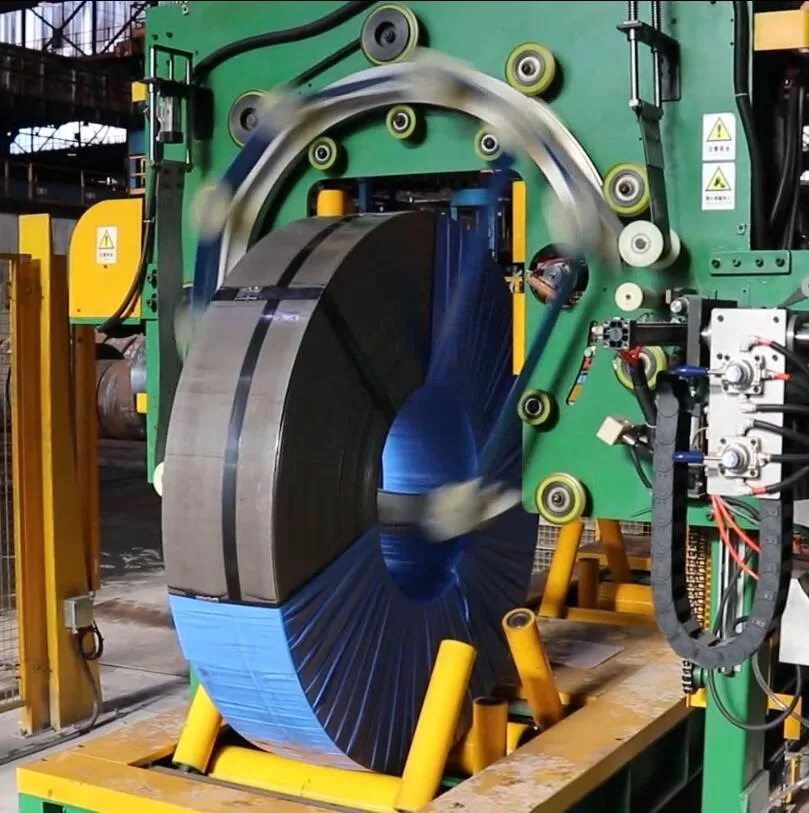
| Right-sizing is not just an environmental imperative; it also offers significant economic advantages. By reducing material waste and optimizing package dimensions, retailers can lower shipping costs and improve logistical efficiency. Furthermore, in an age where brand image is paramount, right-sizing signals environmental responsibility, enhancing brand perception among increasingly eco-aware consumers. Automation plays a pivotal role in enabling efficient right-sizing. Automated packaging solutions offer capabilities that manual processes struggle to match, particularly in creating fitted-to-size packaging, optimizing material usage, and reducing energy consumption. Automated systems are becoming increasingly intelligent, incorporating technologies for tracking, tracing, and even sorting for recycling. The future of e-commerce packaging automation points towards features that support and facilitate packaging reuse, further minimizing environmental impact. Automation Advantages in E-commerce Packaging: | Advantage | Description |
|---|---|---|
| Fitted-to-Size Packaging | Optimizes material use, reduces void space | |
| Eco-Friendly Adhesives | Enables sustainable material choices, reduces energy | |
| Reduced Energy Consumption | Streamlined processes, efficient resource utilization | |
| Minimized Packaging Materials | Less waste generation | |
| Shortened Delivery Lead Times | Faster, more efficient packaging process |
Source: Industry Expert Insights Despite the clear benefits, right-sizing presents challenges. Protecting fragile items, packaging multiple items or oddly shaped goods, and accurately calculating empty space ratios require sophisticated solutions and careful planning. These challenges necessitate ongoing innovation in packaging design and automation technologies.
The Unboxing Experience: Packaging as Brand Ambassador
| In the competitive e-commerce landscape, the packaging is often the first tangible interaction a customer has with a brand. This “unboxing experience” has become a crucial moment of truth, shaping customer perception and influencing brand loyalty.Impact of Packaging on Customer Perception: | Statistic | Percentage |
|---|---|---|
| Consumers influenced by packaging perception of brand | 30%+ |

| Consumers likely to repurchase with premium packaging | 52% | | Consumers watching unboxing videos | 20% | Source: Consumer Surveys and Logistics Firms Visually appealing, functional, and customer-centric packaging transforms a simple delivery into a memorable and positive brand encounter. Effective packaging design elevates the customer experience, directly contributing to increased satisfaction and loyalty. Generic, lackluster packaging, conversely, can cheapen the perceived value of a product, regardless of its actual quality. Thoughtful and distinctive packaging, aligned with brand values and aesthetics, fosters emotional resonance, strengthens brand loyalty, and creates lasting customer connections. This emphasis on the unboxing experience has even spawned a new category: “experience packaging.” Particularly prevalent in luxury goods markets, this packaging is designed to be visually striking and shareable on social media. The phenomenon of unboxing videos further amplifies this trend, with consumers actively seeking and sharing their packaging experiences online. Brands that master this art of “shareable packaging” gain invaluable word-of-mouth marketing and cultivate brand advocacy. Personalized and customized packaging, perfectly designed for unboxing videos, is becoming a powerful tool for enhancing brand engagement and attracting subscription-based customers.
Navigating Challenges and Embracing Innovation
While e-commerce packaging has made significant strides, challenges remain. Balancing lightweighting with product protection, minimizing waste while ensuring a premium unboxing experience requires continuous innovation. Key challenges include:
- Protecting Fragile Contents: Ensuring adequate cushioning and structural integrity during transit.
- Packaging Multiple/Oddly Shaped Items: Developing versatile packaging solutions for diverse product types.
- Calculating Empty Space Ratio: Accurately determining optimal packaging dimensions for right-sizing.
- Plastic Waste Management: Mitigating the environmental impact of plastic packaging.
- Regulatory Compliance: Adapting to evolving packaging regulations and sustainability standards. To overcome these hurdles, the industry is witnessing a surge in innovative solutions and materials. These include:
- Sustainable Materials: Increased adoption of paper-based packaging, recycled content, and biodegradable alternatives like mycelium, wool, seaweed, and cornstarch.
- Flexible Packaging: Rapid growth in flexible packaging due to its lightweight nature, cost-effectiveness, and reduced environmental footprint. Flexible packaging requires less energy to produce and transport, reduces product waste, and occupies less landfill space.
- Automation and Intelligent Packaging: Advanced automation systems for right-sizing, tracking, and recycling. “Intelligent” packaging incorporating technology for enhanced tracking and sorting.
- Reusable Packaging Systems: Emerging reusable packaging models aimed at extending packaging lifespan and reducing single-use waste, although infrastructure and cost-effectiveness are still under development.Emerging Innovative Packaging Materials:

| Material | Description | Benefits |
|---|---|---|
| Paper-based Protective Packaging | 100% paper-based alternatives to bubble wrap | Recyclable, sustainable |
| Bio-based Plastics | Plastics derived from renewable resources like plant-based biomass | Reduced reliance on fossil fuels, potentially biodegradable |
| Mycelium Packaging | Packaging grown from hemp agri-waste and mushroom mycelium | Malleable, versatile, biodegradable |
Source: Industry News & Product Launches
The Future of E-commerce Packaging: Sustainable, Smart, and Seamless
The trajectory of e-commerce packaging is clear: towards greater sustainability, enhanced efficiency, and a more seamless integration into the customer journey. The industry is responding to consumer demand and regulatory pressure with innovation across materials, design, and automation.Key Trends Shaping E-commerce Packaging:
- Continued Growth of Sustainable Packaging: Driven by consumer demand and regulations.
- Expansion of Flexible Packaging: Favored for its efficiency and environmental advantages.
- Advanced Automation Technologies: For right-sizing, tracking, and recycling.
- Focus on Reusable Packaging Systems: To minimize single-use waste.
- Emphasis on the Unboxing Experience: As a brand building opportunity.
- Personalized and Customized Packaging: To enhance customer engagement. E-commerce has irrevocably altered the landscape of packaging. The demand for coil packaging, like all e-commerce packaging, is no longer solely defined by basic protection but by a complex interplay of sustainability, customer experience, operational efficiency, and brand identity. As e-commerce continues to evolve, packaging standards will undoubtedly rise, driven by innovation and a commitment to a more sustainable and customer-centric future. The businesses that embrace these evolving standards and strategically leverage packaging will be best positioned to thrive in the dynamic world of online retail. In conclusion, the e-commerce boom is not just increasing the volume of packages, but fundamentally changing coil packaging standards. Sustainability is paramount, demanding eco-friendly materials and reduced waste. Efficiency drives right-sizing and automation. The customer experience is key, making packaging a vital brand touchpoint and a driver of loyalty. Innovation across materials and processes is essential to meet these evolving demands and achieve true e-commerce packaging excellence.








