
How Well Do Horizontal Stretch Wrappers Protect Doors from Scratches and Moisture?
Are you tired of seeing your perfectly crafted doors arrive with unsightly scratches? Does moisture damage during transit or storage lead to costly reworks and unhappy customers? These common problems can eat into your profits and damage your reputation. Many factory managers, just like Michael in Mexico, face these exact challenges daily. They know that product integrity is key, but finding a reliable way to protect large, flat items like doors can feel like a constant battle.
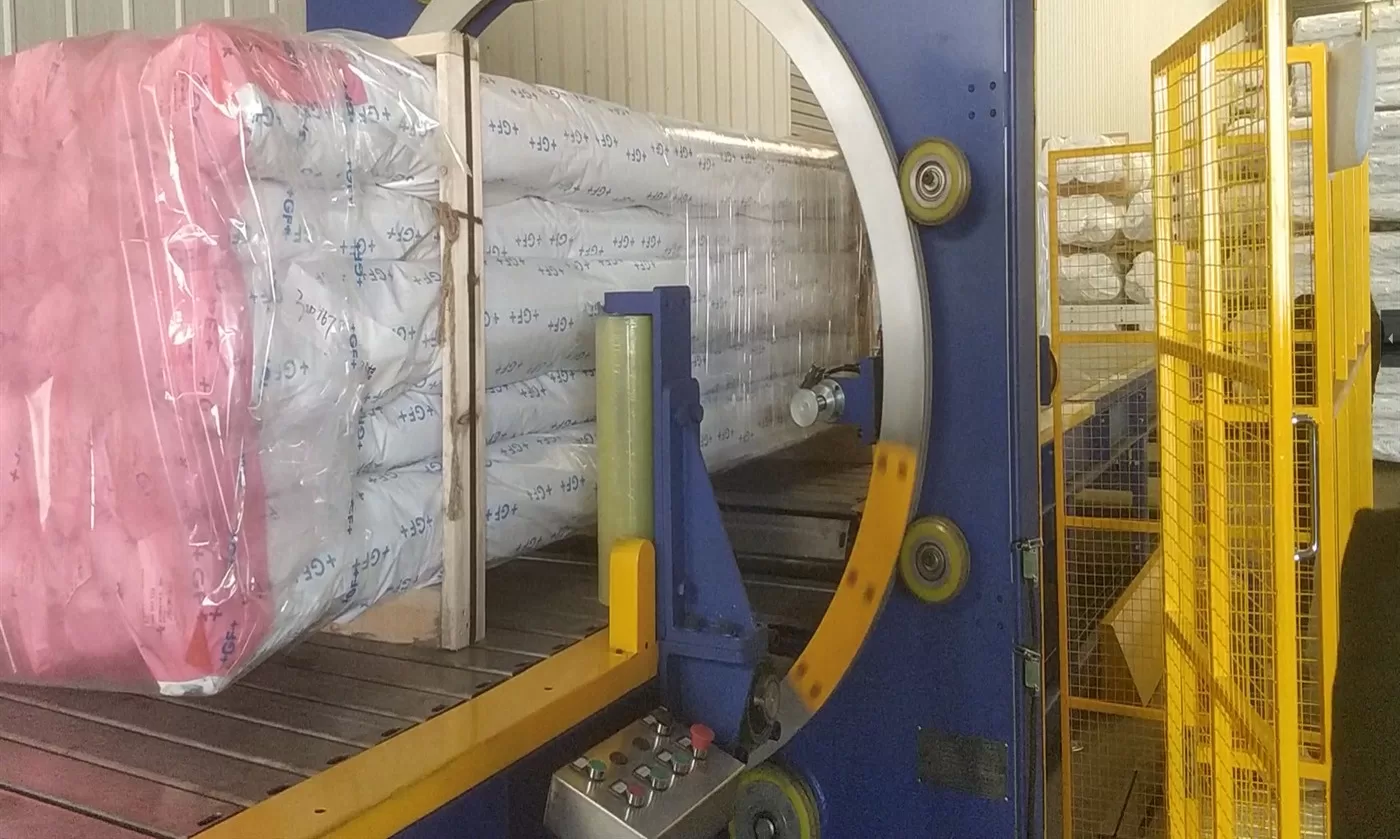
Horizontal stretch wrappers are excellent at protecting doors from both scratches and moisture. They create a tight, uniform film around the door’s entire surface. This film acts as a physical barrier against impacts and abrasions. It also seals the door from water and humidity, keeping it dry and safe during transport and storage.
I have spent many years in the packing machine industry. I understand the pressure to keep production flowing and costs down. I know how much even small damages can hurt your business. This is why I built FHOPEPACK. We want to share knowledge and help factories like yours find real solutions. So, let us dig deeper into how horizontal stretch wrappers can be a game changer for door manufacturers.
How Do Horizontal Wrappers Achieve Superior Scratch Protection for Doors?
Do your doors often get scratched during handling or shipping? Is the current manual wrapping process slow and inconsistent, leaving your products vulnerable? Many manufacturers struggle with keeping their products flawless from the factory floor to the customer’s site. This is a common pain point. Scratches mean rejections, lost revenue, and damaged brand image.
Horizontal stretch wrappers provide superior scratch protection for doors because they apply multiple layers of stretch film directly to the product. This creates a durable, conforming skin. It minimizes surface friction during handling and transport. The continuous film barrier prevents objects from directly contacting the door’s finish, which guards against abrasions and scuffs.

From my experience building and running packing machine factories, I have seen firsthand how much difference proper packaging makes. When you deal with large, flat products like doors, every bump and rub can leave a mark. Manual wrapping often results in uneven coverage, loose spots, or exposed edges. This leaves the door open to damage. Horizontal wrappers solve this by automating the process. They ensure consistent, tight wrapping every single time. This is critical for valuable items like doors.
The Mechanics of Scratch Prevention
Horizontal stretch wrappers work by passing the door through a rotating ring. This ring dispenses stretch film. The door stays still or moves slowly on a conveyor system. The film wraps around the door’s entire length. This provides complete coverage.
- Continuous Film Coverage: The machine wraps the film continuously. It covers all surfaces of the door, including edges. This creates a complete protective layer. There are no gaps for objects to rub against the door.
- Tight Tension Application: The wrapper applies the film under tension. This makes the film stick tightly to the door’s surface. A tight wrap prevents the film from shifting. It also holds the door securely, reducing movement. Less movement means less friction and fewer scratches.
- Multi-Layer Protection: Most machines allow for multiple layers of film. You can choose how many layers you need. More layers mean more protection. This is good for high-value doors or long shipping distances. Each layer adds to the cushioning effect.
- Eliminating Human Error: Manual wrapping depends on the skill of the operator. It can be inconsistent. An automated horizontal wrapper provides the same wrap quality every time. This eliminates human error. It ensures reliable protection for every door.
Why This Matters for Door Manufacturers
For door manufacturers, scratch protection is not just about aesthetics. It affects your bottom line.
| Aspect | Impact of Scratches | Benefit of Horizontal Wrapping |
|---|---|---|
| Customer Satisfaction | Leads to complaints and returns. | Delivers pristine products. Increases customer trust. |
| Cost of Rework/Returns | High costs for repairs, shipping, and replacement. | Reduces product damage. Saves significant money. |
| Brand Reputation | Damages your company’s image. | Enhances reputation for quality. Supports premium pricing. |
| Operational Efficiency | Disrupts production schedules. Adds complexity. | Streamlines packaging process. Reduces post-production issues. |
I have seen businesses struggle with high damage rates. It is a drain on resources. Investing in a horizontal wrapper is not just buying a machine. It is investing in your product quality and your company’s future. It frees up your team from constantly dealing with damage claims. It lets them focus on making more great doors. For example, Michael, the factory manager, is always looking for ways to improve his operations. He knows that preventing damage saves money directly. This type of solution addresses his core challenges. It improves efficiency and reduces losses.
Can Horizontal Stretch Wrappers Truly Eliminate Moisture Damage for Doors?
Is moisture sneaking into your door shipments? Are you dealing with warped wood or damaged finishes because of humidity during storage or transit? Water damage is a silent killer for many products. It can ruin the integrity and appearance of doors, even when they seem physically protected. This problem leads to high rejection rates and financial losses.
Yes, horizontal stretch wrappers can largely eliminate moisture damage for doors. They create a tightly sealed, waterproof barrier around the entire product. The stretch film acts as an effective shield. It prevents water, humidity, and condensation from reaching the door’s surface. This keeps the doors dry and stable through various environmental conditions.

When I first started FHOPEPACK, I knew that packaging was about more than just physical protection. It also had to guard against environmental factors. I have seen how quickly humidity can ruin products. A customer once shared a story about a shipment of high-end wooden doors arriving with mold. This happened because of poor moisture protection during a long ocean transit. The loss was huge. This kind of problem is why proper moisture barriers are so important. Horizontal stretch wrappers are designed to create that barrier. They use materials and methods that keep moisture out.
How Moisture Protection Works
The key to moisture protection with horizontal wrappers is the nature of stretch film and how it is applied.
- Water-Resistant Film: Stretch film itself is made from polyethylene. This material is inherently water-resistant. When applied correctly, it forms a continuous, non-porous layer. Water cannot easily pass through this layer.
- Sealed Encasement: The wrapping process creates a full enclosure around the door. The film overlaps itself, creating strong seals. This prevents water droplets from entering. It also traps any initial moisture on the outside of the film, keeping the door inside dry.
- Protection Against Condensation: Temperature changes during transport can cause condensation. This condensation can form both inside and outside the packaging. The tight film wrap minimizes air pockets inside the package. It also acts as an insulation layer. This helps reduce the temperature swings that lead to condensation directly on the door’s surface.
- Breathable Yet Protective: While it seals out liquid water, stretch film does allow some very slow gas exchange. This prevents a build-up of extreme humidity within the package in most normal conditions. However, the primary benefit is preventing direct liquid water contact.
Addressing Specific Moisture Challenges
Different types of doors face different moisture challenges. A good horizontal wrapper can handle them.
| Moisture Challenge | How Horizontal Wrapper Helps |
|---|---|
| Rain & Sprinklers | Direct barrier against liquid water. Film repels water droplets. |
| High Humidity | Reduces direct exposure to humid air. Limits moisture absorption by porous materials like wood. |
| Condensation | Creates a relatively stable micro-environment around the door. Reduces temperature fluctuations on the door’s surface. |
| Dust & Dirt | Forms a complete seal. Keeps dust and dirt from settling on the door’s finish, which can retain moisture or cause abrasion. |
I remember discussing packaging solutions with a client who manufactured exterior doors for coastal areas. Their biggest headache was not scratches, but salt air and humidity causing finishes to degrade. We implemented a FHOPEPACK horizontal wrapping system. They used a specific film with UV inhibitors and excellent moisture barrier properties. The feedback was remarkable. Their doors arrived looking as perfect as when they left the factory, even after long sea voyages. This is the kind of real-world solution I advocate for. Michael, as a factory manager in Mexico, understands the importance of durability. He needs equipment that can withstand his factory’s tough environment and protect his products in diverse climates. A horizontal wrapper offers that robust protection.
What Other Operational Benefits Do These Machines Offer Door Manufacturers?
Are you currently relying on manual labor for packing doors? Is your end-of-line packaging a bottleneck, slowing down your entire production? Many factories face this. They want to boost output but are held back by slow, labor-intensive processes. This also often comes with high injury risks and inconsistent quality.
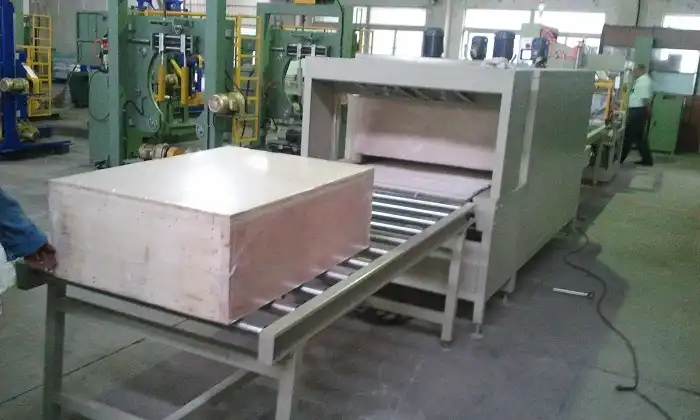
Horizontal stretch wrappers offer significant operational benefits beyond protection. They automate the packing process, which drastically increases speed and efficiency. They reduce reliance on manual labor. This lowers labor costs and improves worker safety. They also provide a consistent, professional package every time. This frees up human resources for more complex tasks in the factory.
My journey in the packing industry taught me that good equipment does more than just one thing. It improves the whole operation. When I was starting my own factory, I focused on machines that could solve multiple problems. I saw how manual coil packing was slow and dangerous. It was similar for doors. Michael, the factory manager, has the same concerns. He knows that improving the end-of-line process can unlock total factory potential. An automated horizontal wrapper does exactly that. It’s not just a wrapping machine; it’s a strategic asset for efficiency and safety.
Tangible Operational Improvements
Let us look at the practical improvements a horizontal wrapper brings to your door manufacturing plant.
- Increased Production Throughput: Manual wrapping is slow. A horizontal wrapper can pack doors much faster. This speeds up your entire packaging line. It removes the bottleneck at the end of production. You can ship more doors in less time.
- Reduced Labor Costs: Less manual work means fewer workers are needed for packaging. You can reallocate these workers to other important tasks. This reduces your labor costs. It makes your operations more lean and efficient.
- Enhanced Worker Safety: Handling large, heavy doors for manual wrapping is risky. Workers can strain muscles or get injured. Horizontal wrappers minimize the need for manual lifting and turning of doors during wrapping. This drastically reduces the risk of workplace injuries. This is a huge win for employee well-being and reduces insurance costs. Michael specifically mentioned high injury risks as a challenge. This directly addresses that.
- Consistent Packaging Quality: Machines provide uniform tension and overlap. This means every door is wrapped perfectly. This consistency is hard to achieve with human hands. It ensures a professional look and reliable protection for all your products.
- Optimized Material Usage: Automated wrappers are precise. They use only the required amount of film. This reduces material waste. It leads to savings on consumables over time. Manual wrapping can often lead to excessive film use.
The Return on Investment (ROI)
Investing in a horizontal wrapper is a smart business decision. The benefits quickly translate into measurable savings.
| Benefit Area | How it Translates to ROI |
|---|---|
| Efficiency Gains | Faster throughput leads to higher sales volume. Reduced labor hours mean direct savings. |
| Cost Reduction | Lower labor costs, less product damage (fewer returns/reworks), optimized film usage. |
| Safety Improvement | Fewer workplace injuries mean lower insurance premiums, less lost time, and a more stable workforce. Reduces legal risks. |
| Customer Loyalty | Consistent quality and damage-free delivery build trust. This leads to repeat business and positive referrals. |
I have seen many clients, including those in heavy industries, achieve financial independence after improving their operational efficiency. One client, a steel wire manufacturer, was struggling with high manual labor costs and frequent product damage. We introduced them to automated coil packing machines, similar in principle to horizontal wrappers for doors. They saw their production speed double. Their damage rates dropped by 80%. Their workers were happier and safer. This translated into significant savings and business growth. Michael seeks clear ROI. This technology delivers it. It’s about empowering your factory to produce more, safer, and at a lower cost. This is the core of what FHOPEPACK stands for.
How Do You Choose the Right Horizontal Wrapper for Your Door Production Line?
Are you feeling overwhelmed by the many options when it comes to choosing new machinery? Do you worry about making the wrong investment and ending up with equipment that does not truly solve your problems? Picking the right packaging machine is crucial. It can make or break your operational efficiency and product quality.
Choosing the right horizontal wrapper for your door production line involves careful consideration of several key factors. You must assess your door dimensions, production volume, desired automation level, and budget. It is essential to partner with a supplier who offers good after-sales service and has deep industry knowledge. This ensures the machine fits your specific needs and provides long-term value.

When I started my first packing machine factory, I learned that a successful sale is not just about moving a product. It is about providing a true solution. Many suppliers are only interested in making a quick sale. But factory managers like Michael need a partner. They need someone who understands their pain points. They need someone who can guide them to the right choice. My goal with FHOPEPACK is to be that partner. I want to help you avoid the pitfalls of buying the wrong equipment.
Key Factors for Selection
To choose the best horizontal wrapper, consider these points carefully:
- Door Dimensions (Length, Width, Height): This is the most critical factor. The machine’s ring size must fit your largest door. Also, consider the weight capacity. FHOPEPACK offers various models. We have machines that handle small interior doors to large, heavy exterior doors.
- Example: If your doors are 2.5 meters long and 1.2 meters wide, you need a machine with a ring diameter large enough for that width and enough conveyor length for the door’s length.
- Production Volume and Speed: How many doors do you need to pack per hour or per day? This determines the required speed of the wrapper. Some machines are faster than others. Higher volume needs faster machines.
- Example: For high-volume production, you might need a fully automatic machine integrated into a conveyor line. For lower volume, a semi-automatic model might be enough.
- Level of Automation: Do you want fully automatic operation, or is a semi-automatic machine acceptable?
- Semi-automatic: Requires an operator to load and unload doors. Good for varied door sizes or lower volumes.
- Fully automatic: Integrates directly into your production line. Doors feed in automatically. This is best for high volume and maximum labor savings.
- Film Requirements: What type of film do you need?
- Thickness (gauge) for different protection levels.
- Special films for UV protection or anti-corrosion.
- Consider film cost and availability.
- Budget and ROI: How much can you invest? Calculate the potential return on investment (ROI). Consider labor savings, reduced damage, and increased throughput. A good machine will pay for itself over time. FHOPEPACK focuses on delivering clear ROI for our clients.
- After-Sales Service and Support: This is vital. What happens if the machine breaks down? Does the supplier offer quick support, spare parts, and technical assistance? Michael has faced trust issues with past vendors who lacked good after-sales service. FHOPEPACK understands this and prioritizes long-term support. We know that downtime costs you money.








