
How USA Exporters Using Coil Wrapping Machines Minimize Coil Damage in Transit?
Shipping valuable metal coils across borders presents many challenges. I know this firsthand. The stress of watching your meticulously produced coils leave the factory, only to hear about damage on arrival, is a feeling many factory managers know too well. It means lost money, angry clients, and a dent in your company’s reputation. You might wonder if there is a more reliable way to ensure your products arrive in perfect condition. I have seen the same problems myself. My journey in the packing machine industry taught me that smart packing is not just an expense; it is a critical investment.
Modern coil wrapping machines give USA exporters a powerful tool. They create a secure, multi-layered barrier around coils. This protects them from moisture, abrasion, and impact during transit. This direct protection helps to minimize damage significantly.
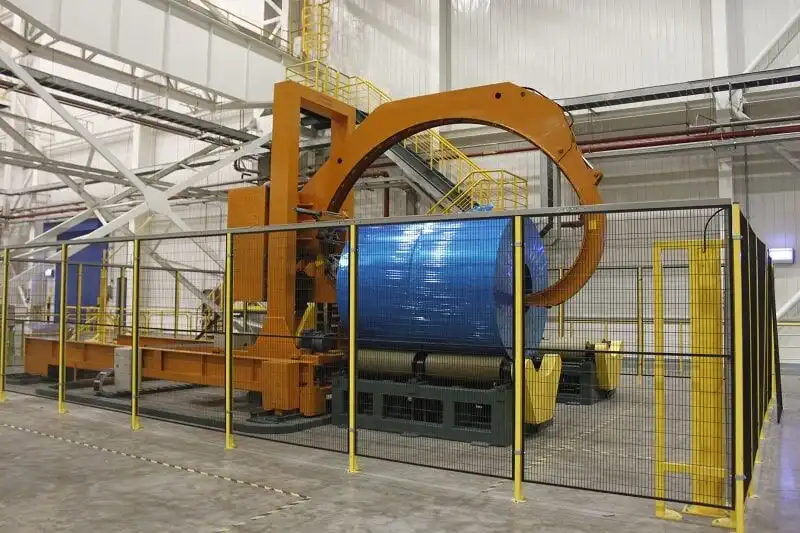
Many US-based factories face these exact issues every day. They struggle with inefficient processes and damaged goods. This article will explore how coil wrapping machines directly solve these problems. We will look at how they offer real benefits for your operations. Keep reading to discover how these machines can transform your export process.
1. Why are traditional coil packing methods failing USA exporters?
Are your current coil packing methods causing more headaches than they solve? I have walked through countless factories, and I see the same old problems. Many traditional methods simply cannot keep up with the demands of modern shipping. They leave valuable coils vulnerable to damage. This causes significant losses for USA exporters.
Traditional coil packing methods often rely on manual labor and inconsistent materials. This makes them inefficient and ineffective. They leave coils exposed to moisture, shifting, and impact during long transit routes from the USA. This results in frequent damage.
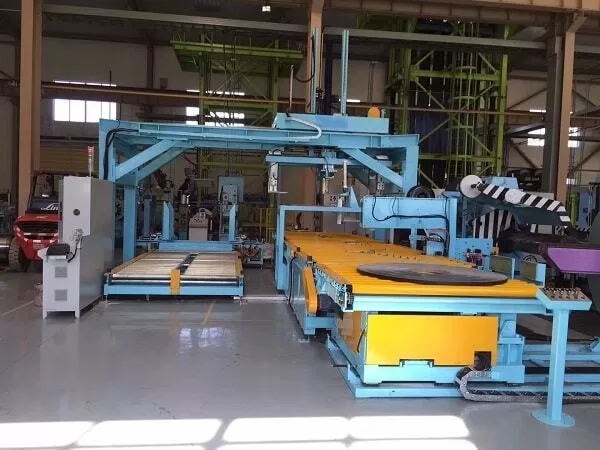
From my experience running a packing machine factory, I know that even the smallest inconsistencies in packing can lead to big problems. Manual processes, in particular, introduce many risks. Workers get tired, and their wrapping quality can vary greatly from one coil to the next. This lack of uniformity means some coils get less protection than others. When these coils travel long distances, especially overseas, they face many hazards. These include harsh weather, rough handling, and constant movement. If the packing material is not strong enough or applied correctly, the coil edges can easily dent or scratch. Rust can also become a major issue if moisture gets inside the packaging. Many older methods use materials like basic shrink wrap or just banding. These materials do not offer the complete, robust barrier needed for international shipping. They might provide some protection against dust, but they often fail to stop water or absorb impacts. This leads to costly damage claims. It also causes delays and upsets customers. For USA exporters, maintaining product quality upon arrival is key to staying competitive. Failing to do this can hurt their reputation and bottom line. I have seen businesses lose major clients because of consistent damage. This is why addressing these weak points in traditional packing is so important. Investing in better methods is not just about avoiding losses; it is about securing your market position.
2. How does a modern coil wrapping machine directly prevent damage in transit?
Do you worry about your coils getting damaged every time they leave your facility? Many factory managers I talk to share this concern. They ask what specific steps a machine can take to truly protect their products. The answer lies in the advanced design and operation of modern coil wrapping machines. These machines offer a direct, effective solution to transit damage.
A modern coil wrapping machine creates a tightly bound, multi-layered protective barrier around coils. This shields them from external elements like moisture, dust, and physical impact encountered during shipping. It ensures uniform and consistent protection every time.
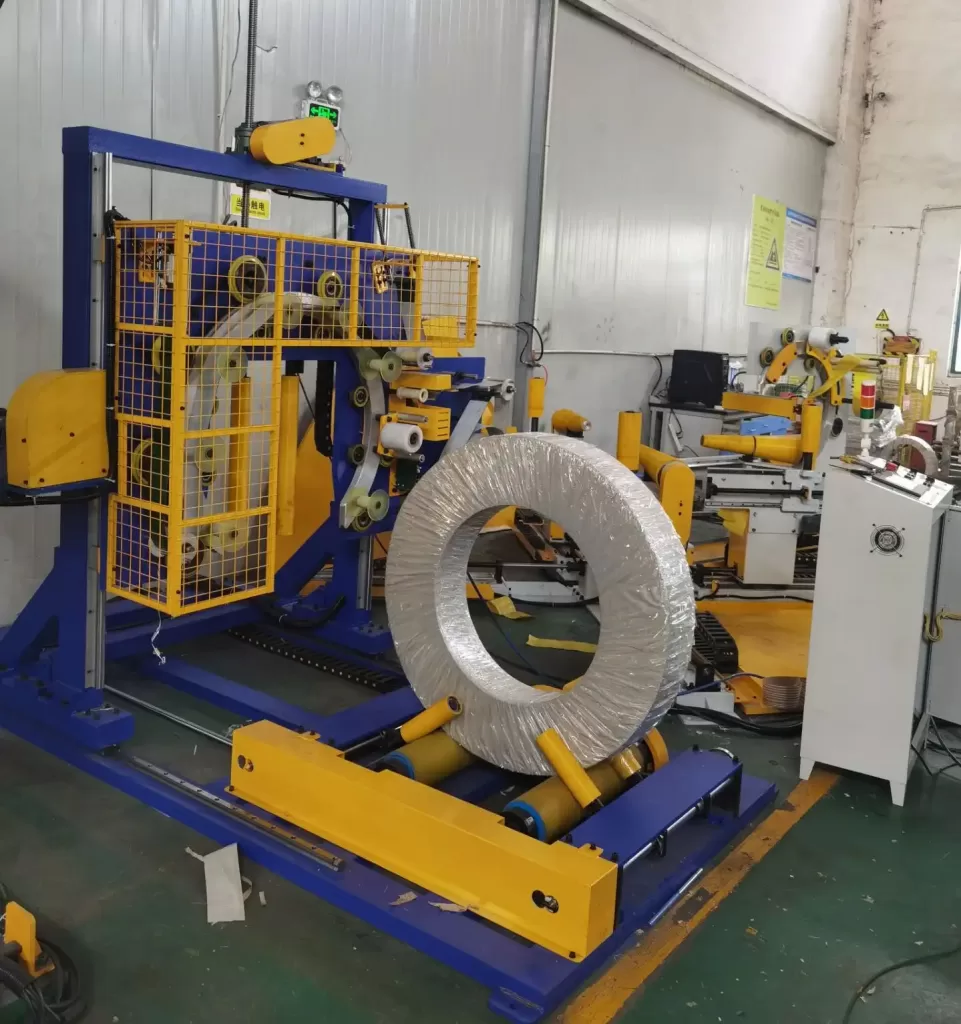
Modern coil wrapping machines use several key features to protect your products. First, they apply a high-strength stretch film. This film is designed to be tough. It resists punctures and tears. The machine wraps the film tightly around the coil, creating a secure package. This tight wrap prevents the coil from shifting inside its packaging. Movement is a major cause of damage during transit. When coils move, they can hit other coils or the sides of the shipping container. This leads to dents and abrasions. The machine’s consistent tension during wrapping is critical. It ensures every part of the coil receives the same level of protection. This is something manual wrapping cannot achieve consistently.
The Power of Stretch Film and Multi-Layering
The film itself is a specialized material. It offers excellent moisture resistance. This is very important for metal coils. Water causes rust, which can ruin a product. The multiple layers of film create a barrier that keeps water out. It also protects against dust and dirt. These elements can scratch surfaces or contaminate sensitive materials. The layers also add cushioning. This helps to absorb shocks from bumps or drops during handling. My team at FHOPEPACK often discusses how the choice of film and the wrapping pattern make a big difference. We focus on designing machines that apply film in a way that maximizes protection for various coil types.
Tightly Secured for Stability
A key advantage is how the machine secures the coil. The wrapping process effectively “locks” the coil. This stops it from unraveling or moving freely. This stability is vital when coils are loaded onto trucks, trains, or ships. Shipping can involve sudden stops, turns, and rough seas. Without proper securing, coils can become projectiles. This puts both the product and the workers at risk. The machine makes sure the coil stays compact and stable. This greatly reduces the chance of impact damage.
Tailored Protection for Diverse Coils
These machines are also versatile. They can handle different coil sizes and weights. This means they can adjust the wrapping parameters. For example, a heavy steel coil might need more layers or a stronger film. A lighter aluminum coil might need a different approach. The machine gives you control over these settings. You can tailor the protection to the specific product and shipping conditions. This ensures optimal safety for all your exported coils from the USA.
3. What tangible ROI do USA exporters see from investing in these machines?
Are you wondering if the cost of a new coil wrapping machine is truly justified? Many factory managers, like Michael Chen, need to see clear financial benefits. They want to know the return on investment (ROI). I understand this perfectly. When I built my factory, every investment had to make sense on the balance sheet. For USA exporters, coil wrapping machines offer a very clear and positive ROI.
USA exporters achieve significant ROI from coil wrapping machines. This comes from reduced product damage claims, lower labor costs, faster packing times, and improved customer satisfaction. These benefits directly impact profitability.
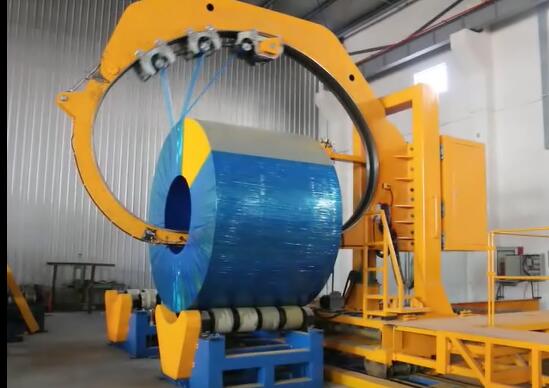
The financial gains from implementing coil wrapping machines are substantial. They address several pain points directly related to costs and efficiency. My clients often share stories of how these machines transformed their operations.
Reducing Damage Claims and Rework
One of the biggest drains on profit for exporters is product damage. Each damaged coil means:
- Replacement costs: Producing a new coil, which uses raw materials and labor.
- Shipping costs: Sending the replacement, sometimes expedited.
- Administrative costs: Handling complaints, processing claims, paperwork.
- Rework costs: Repairing minor damage, if possible.
By drastically reducing transit damage, coil wrapping machines cut these costs. This translates into direct savings. Many exporters tell me their damage rates drop by 80% or more after installing these machines. This alone can justify the investment in a short time.
Significant Labor Cost Savings
Manual coil packing is labor-intensive. It requires several workers to handle heavy, awkward coils. This increases the risk of injury. It also increases your payroll. A coil wrapping machine can do the work of multiple people. It does this faster and more consistently. This means:
- Fewer employees needed for packing: You can reassign staff to other critical areas.
- Reduced overtime: Packing becomes faster, so less need for extra hours.
- Lower insurance costs: Fewer manual handling injuries mean fewer worker’s compensation claims.
Consider a factory packing hundreds of coils each day. The savings in labor alone can be hundreds of thousands of dollars annually. This is a huge benefit for USA operations looking to optimize their workforce.
Boosting Throughput and Delivery Speed
Time is money in manufacturing and export. Manual packing is slow. It often creates a bottleneck at the end of the production line. A coil wrapping machine works much faster. It can pack a coil in minutes, not tens of minutes or hours. This increased speed means:
- Higher daily output: More coils can be processed and shipped.
- Faster order fulfillment: Customers get their orders quicker.
- Improved on-time delivery rates: This boosts your reputation.
This efficiency allows USA exporters to handle more orders without expanding their physical footprint. It also helps meet tight deadlines, which is critical in competitive markets.
Enhanced Reputation and Customer Loyalty
While harder to quantify, a strong reputation is priceless. When your coils consistently arrive in perfect condition, customers notice. This leads to:
- Repeat business: Happy customers come back.
- Positive referrals: They recommend your company to others.
- Stronger brand image: Your company becomes known for reliability.
This long-term loyalty and positive image can lead to sustainable growth and a stronger market position for USA exporters. The investment truly pays off by securing future business.
4. Beyond damage prevention, what other benefits do coil wrapping machines offer USA operations?
Is preventing damage the only thing a coil wrapping machine can do for your business? Many of my clients, like Michael Chen, look for solutions that go beyond a single problem. They want to know how an investment can improve their entire operation. From my years in the industry, I can tell you that these machines offer much more than just protection for your coils.
Beyond preventing damage, coil wrapping machines significantly enhance workplace safety for USA operations by reducing manual handling of heavy items. They also improve overall operational efficiency and project a more professional brand image to clients.
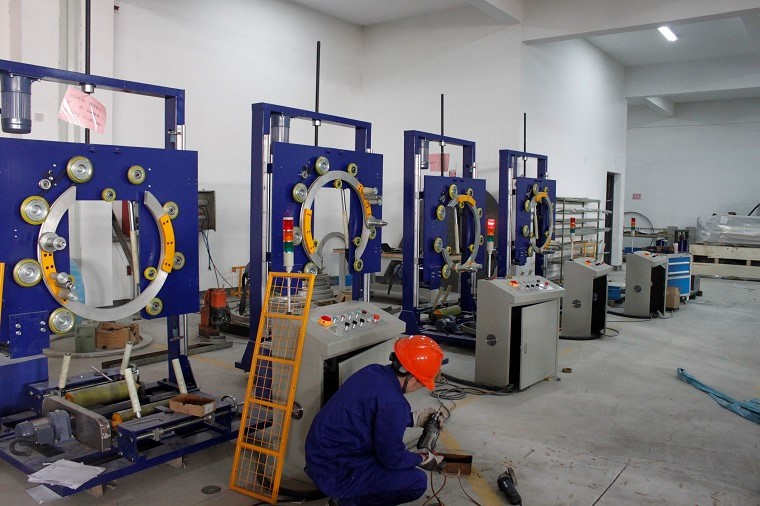
When I first started FHOPEPACK, I focused on building robust machines. But I quickly learned that the true value comes from how they integrate into a complete system. It is about how they solve multiple problems for factory managers.
A Safer Workplace for Your Team
Safety is a top concern for any factory manager. Michael Chen explicitly mentioned safety as a major challenge. Manually handling heavy coils is dangerous. It leads to many workplace injuries. These injuries result in:
- High insurance costs: Worker’s compensation claims increase your premiums.
- Employee absenteeism: Injured workers cannot come to work.
- Staff turnover: Employees may leave due to unsafe conditions.
- Low morale: An unsafe workplace affects everyone.
Coil wrapping machines drastically reduce the need for manual lifting and maneuvering of coils during the packing process. The coils stay on conveyors or turntables. The machine does the heavy work. This means:
- Fewer strain injuries: Less lifting and twisting for workers.
- Reduced crush hazards: Machines operate in a controlled environment.
- A safer overall environment: Workers can focus on supervision, not heavy labor.
This directly addresses a critical challenge for USA factories. It protects your most valuable asset: your employees.
Streamlined Operations and Space Efficiency
Automated packing streamlines the entire end-of-line process. Instead of needing large areas for manual packing stations and staging, coils move through the machine efficiently. This means:
- Better workflow: A continuous flow of coils from production to packing.
- Less clutter: No piles of loose packing materials everywhere.
- Optimized space usage: The machine has a smaller footprint than a large manual packing area.
- Integration with other equipment: It can easily connect with conveyors, banding machines, and weighing systems.
This efficiency helps USA operations maximize their factory space. It also makes the entire process smoother and more predictable.
A Stronger Brand Image and Market Position
The appearance of your packaged product matters. A uniformly wrapped, securely packed coil sends a strong message. It tells your clients you care about quality, right up to delivery. This professional presentation:
- Builds trust: Clients see you as a reliable and professional supplier.
- Differentiates you: Your products look superior to those from less careful competitors.
- Reinforces brand value: It shows attention to detail and commitment to excellence.
This can be a significant advantage in competitive markets, especially for USA exporters aiming for global leadership.
My Perspective: Investing in Your Future, Not Just a Machine
When I started FHOPEPACK, I aimed to provide more than just equipment. I wanted to offer solutions. From my journey establishing a successful packing machine factory, I learned that the best investments are those that build a solid foundation for growth. Michael Chen is looking for a partner, not just a seller. That is exactly what FHOPEPACK offers. We provide machines that solve immediate problems like damage and safety. But we also lay the groundwork for long-term benefits: increased profitability, a stronger reputation, and a safer, more efficient workplace. This holistic approach ensures your investment in a coil wrapping machine truly drives business growth.
Conclusion
Coil wrapping machines offer USA exporters a robust solution for transit damage. They provide significant safety, efficiency, and clear return on investment. This helps secure product quality and business growth.








